Complete Guide to Foods for Diabetes Management
Master diabetes nutrition: Essential foods to eat, what to limit, and meal planning strategies.
Complete Guide to Foods to Eat When You Have Diabetes and What to Limit
Managing diabetes effectively requires making informed food choices that help maintain stable blood sugar levels. The right nutrition plan can significantly impact your health outcomes and quality of life. This comprehensive guide outlines which foods to prioritize, which to limit, and how to build balanced meals that support your diabetes management goals.
Understanding Diabetes-Friendly Eating
Eating well with diabetes doesn’t mean eliminating entire food groups or following restrictive diets. Instead, it focuses on choosing nutrient-dense foods that provide sustained energy without causing dramatic blood sugar spikes. The foundation of diabetes-friendly eating involves understanding carbohydrates, fiber, protein, and healthy fats, and how each affects your body.
Best Foods to Eat
Non-Starchy Vegetables
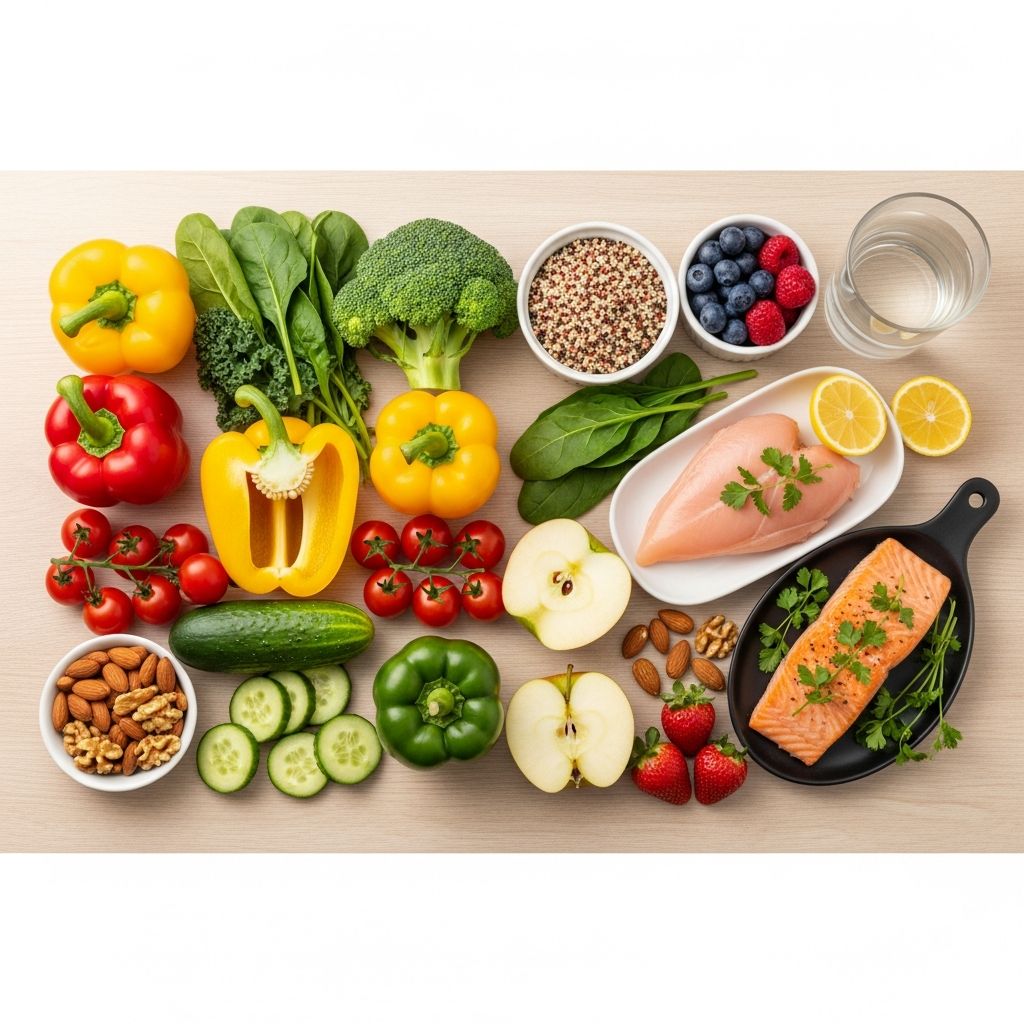
Non-starchy vegetables should form the foundation of your diabetes meal plan. Fill half your plate with these nutrient-rich options that are low in carbohydrates and high in fiber. Fiber slows digestion and helps regulate blood sugar levels, preventing sharp spikes after meals.
Excellent non-starchy vegetable choices include:
- Leafy greens (spinach, lettuce, kale)
- Cruciferous vegetables (broccoli, Brussels sprouts, cauliflower, cabbage)
- Other options (asparagus, green beans, zucchini, yellow squash, cucumbers, celery, tomatoes, carrots, onions, beets)
These vegetables provide essential vitamins and minerals while keeping you satisfied without excess calories or carbohydrates. You can enjoy generous portions of non-starchy vegetables without significantly impacting your blood sugar.
Lean Proteins
Protein is an essential component of diabetes meal plans, helping you feel fuller longer and supporting muscle maintenance. Fill one quarter of your plate with quality protein sources.
Recommended lean protein options include:
- Fish, especially oily varieties (salmon, sardines, herrings, mackerel, trout, pilchards, kippers)
- Skinless poultry (chicken, turkey)
- Lean cuts of meat
- Eggs
- Plant-based proteins (beans, lentils, chickpeas, hummus, tofu)
- Low-fat dairy products (cottage cheese, Greek yogurt)
- Nuts and seeds in small portions
Choose preparation methods like baking, broiling, or grilling rather than frying to minimize added fats and calories. Plant-based proteins like beans and legumes provide additional fiber benefits, though portion control matters since they contain carbohydrates.
Quality Carbohydrates
Not all carbohydrates are equal when managing diabetes. Fill one quarter of your plate with quality carbohydrate choices that include fiber and important nutrients. Whole grains provide significantly more nutritional value than refined versions.
Best carbohydrate choices include:
- Whole grain breads and cereals
- Brown rice and wild rice
- Whole wheat pasta
- Oatmeal and barley
- Starchy vegetables (potatoes, corn, peas)
- Beans and lentils
The key is portion control. Whole grains contain fiber that slows digestion and provides sustained energy, unlike refined grains which can cause rapid blood sugar spikes. When choosing bread and pasta products, look for whole grain varieties and watch portion sizes.
Related Stories



Fruits
Yes, you can eat fruit with diabetes! While fruits contain natural sugars and carbohydrates, they also provide essential vitamins, minerals, and fiber. The key is choosing whole fruits rather than juices and being mindful of portions.
Excellent fruit choices include:
- Berries (blueberries, strawberries, raspberries, blackberries)
- Apples and pears
- Oranges and grapefruits
- Kiwi
- Peaches
- Grapes (in moderation)
Whole fruits are preferable to fruit juices because whole fruits contain fiber that slows sugar absorption. A medium-sized piece of fruit typically counts as one carbohydrate serving. Avoid dried fruits and fruit juices, which concentrate sugars and lack fiber.
Healthy Fats
Healthy fats support heart health and help with nutrient absorption. Choose fats from quality sources and use them in moderation.
Best fat sources include:
- Olive oil
- Canola oil
- Sunflower oil
- Avocados
- Nuts and seeds
- Fatty fish (rich in omega-3 fatty acids)
Avoid trans fats and limit saturated fats. Use oil-based spreads instead of butter, and choose unsalted or low-salt nuts and seeds.
Dairy Products
Choose low-fat or fat-free milk, yogurt, and cheese options. A small glass of low-fat milk or yogurt makes an appropriate portion for balanced meals. Select plain yogurt and add your own fruit rather than choosing pre-sweetened varieties.
Foods to Limit or Avoid
Refined Grains and Starches
Limit refined grain products that lack fiber and cause rapid blood sugar spikes. These include:
- White bread and pasta
- White rice
- Sugary breakfast cereals
- Crackers and scones
- Foods made with white flour (pizzas, quiches, pies)
Replace refined grains with whole grain alternatives whenever possible to increase fiber intake and improve blood sugar control.
Processed Foods High in Fat, Sugar, and Salt
Many processed foods are low in nutrients while being high in unhealthy ingredients. Avoid or limit:
- Sugary beverages (full-sugar sodas, sweetened drinks)
- Desserts and sweets (cakes, cookies, candy, chocolate, fudge, ice cream)
- Processed meats (sausages, ham, black and white pudding)
- Fast food and takeaways
- Pastries and baked goods with added sugars
- Canned soups high in sodium
- Packet soups
- Crisps and salty snacks
These foods often contain added sugars that cause blood sugar spikes, unhealthy fats that affect cardiovascular health, and excess sodium that can raise blood pressure.
Sugary Carbohydrates
Limit sugary carbohydrates to once or twice per week if at all. These include:
- Sugar, jams, honey, marmalade, and syrups
- Desserts (jelly, ice cream, tarts, pies, buns)
- Sweetened beverages
- High-sugar foods
Beverages to Avoid
Choose water or zero-calorie beverages instead of sugary drinks. Avoid:
- Regular sodas and sweetened soft drinks
- Fruit juices
- Sweetened coffee drinks
- Sports drinks
- Energy drinks
Opt for water, unsweetened tea, or other zero-calorie beverages to stay hydrated without affecting blood sugar levels.
The Diabetes Plate Method
A simple way to balance your meals is using the Diabetes Plate Method. Start with a 9-inch dinner plate (approximately the length of a business envelope) and divide it as follows:
| Plate Section | Contents | Examples |
|---|---|---|
| Half the plate | Non-starchy vegetables | Salad, green beans, broccoli, spinach, carrots |
| One quarter | Lean protein | Chicken, fish, beans, tofu, eggs, lean meat |
| One quarter | Carbohydrate foods | Whole grains, starchy vegetables, fruit, milk |
This method makes meal planning intuitive and helps you automatically control portion sizes without complicated counting. Pair your plate with water or a low-calorie beverage like unsweetened iced tea.
Portion Control and Hand Guides
Understanding appropriate portion sizes helps manage carbohydrate intake and calorie consumption. Use these hand-based guides for quick reference:
- 3 ounces of meat, fish, or poultry: Palm of your hand (without fingers)
- 1 ounce of cheese or meat: Thumb tip (from base to tip)
- 1 cup or 1 medium fruit: Your closed fist
- 1-2 ounces of nuts or pretzels: Cupped hand
- 1 tablespoon: Thumb tip (from joint to tip)
- 1 teaspoon: Fingertip (from joint to tip)
Increasing Fiber in Your Diet
Eating more fiber and fewer refined carbohydrates helps keep blood sugar levels stable. Aim to eat at least five servings of fruits and vegetables daily. You can also increase fiber intake through:
- Whole grains instead of refined grains
- Beans and legumes
- Nuts and seeds
- Vegetables with skins (when appropriate)
Gradually increase fiber intake to allow your digestive system to adjust, and drink plenty of water to support optimal digestion.
Building Your Diabetes-Friendly Pantry
Stock your kitchen with convenient diabetes-friendly staples that follow these principles: heart-healthy fats, lean proteins, plant-based proteins, high-fiber whole grains, low-salt seasonings, and shelf-stable fruits and vegetables.
Essential pantry items include:
- Whole grains: Brown rice, oatmeal, whole wheat pasta, quinoa
- Proteins: Canned beans (black beans, chickpeas, pinto beans), low-sodium canned soups, nuts, seeds, natural peanut butter (peanuts and salt only)
- Healthy oils: Olive oil, canola oil, sunflower oil
- Seasonings: Low-salt options, herbs, spices
- Shelf-stable fruits: Dried berries (in moderation), canned fruits in juice (not syrup)
- Shelf-stable vegetables: Canned tomatoes, low-sodium canned vegetables
Working with a Registered Dietitian
Everyone’s diabetes management needs are unique. Talk with a Registered Dietitian Nutritionist to learn your individual carbohydrate targets and create a personalized eating plan that fits your lifestyle and preferences. They can help you navigate food labels and make adjustments based on your blood sugar monitoring results.
Key Takeaways for Diabetes Nutrition
Managing diabetes through nutrition involves:
- Filling half your plate with non-starchy vegetables
- Choosing lean proteins and plant-based options
- Selecting quality carbohydrates with adequate fiber
- Limiting processed foods, sugary beverages, and refined grains
- Controlling portion sizes using visual guides or the plate method
- Focusing on whole foods rather than highly processed options
- Staying hydrated with water and zero-calorie beverages
- Working with healthcare professionals for personalized guidance
Frequently Asked Questions
Q: Can I eat fruit if I have diabetes?
A: Yes, you can eat fruit with diabetes. Choose whole fruits rather than juices, and be mindful of portions. Berries, apples, and other whole fruits provide fiber and nutrients that support your health.
Q: How many carbohydrates should I eat daily?
A: Individual carbohydrate needs vary based on your age, activity level, medications, and other factors. Consult with a Registered Dietitian Nutritionist to determine your personal carbohydrate target.
Q: Are sugar-free foods safe for diabetes?
A: Sugar-free foods may contain sugar alcohols or artificial sweeteners. While they don’t contain sugar, they may still affect blood sugar in some people. Check nutrition labels and monitor your individual response.
Q: How do I read nutrition labels for diabetes management?
A: Check the nutrition facts label for total carbohydrates, fiber, sugar, and serving size. Subtract fiber from total carbohydrates to calculate net carbs. Compare products to make the healthiest choices.
Q: Can I eat processed foods with diabetes?
A: Limit highly processed foods as they often contain added sugars, unhealthy fats, and excess sodium. Focus on whole foods when possible, though some minimally processed options like canned beans can be convenient and healthy choices.
References
- Eating Well with Diabetes — U.S. Department of Veterans Affairs. https://www.myhealth.va.gov/mhv-portal-web/ss20190311-healthy-eating-for-diabetics
- Eating well for type 2 diabetes — Health Service Executive (HSE). https://www2.hse.ie/conditions/type-2-diabetes/treatment/eating-well/
- Diabetes Meal Planning — Centers for Disease Control and Prevention (CDC). https://www.cdc.gov/diabetes/healthy-eating/diabetes-meal-planning.html
- Tips for Eating Well — American Diabetes Association. https://diabetes.org/food-nutrition/eating-healthy
- BEST Pantry List of Foods for Diabetes — EatingWell. July 3, 2020. https://www.youtube.com/watch?v=d6beDPCEy-4
Similar Articles








Read full bio of Sneha Tete