Vitamins And Minerals: A Practical Guide To Essential Nutrients
Essential nutrients for optimal health: Your comprehensive guide to vitamins and minerals.
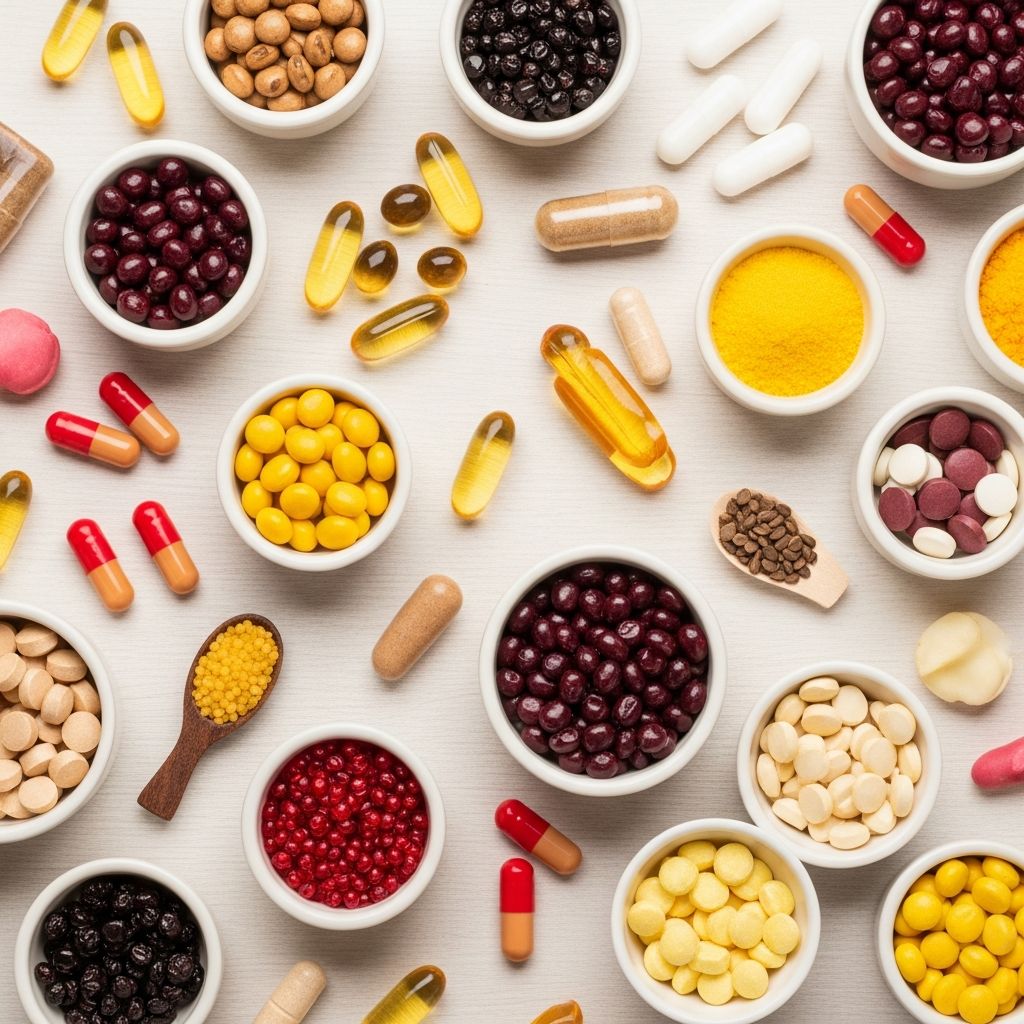
Understanding Vitamins and Minerals
Vitamins and minerals are organic compounds that your body requires in small amounts to maintain proper function and support overall health. These micronutrients play crucial roles in nearly every bodily process, from energy production to immune function. Unlike macronutrients such as carbohydrates, proteins, and fats that provide calories, vitamins and minerals contain no calories but are absolutely essential for converting food into usable energy and maintaining vital bodily functions.
The human body cannot synthesize most vitamins, which means we must obtain them from food sources or supplements. Minerals, which are inorganic compounds found in soil and water, are similarly essential for bone health, muscle function, heart rhythm regulation, and numerous enzymatic processes. A balanced diet rich in fruits, vegetables, whole grains, lean proteins, and dairy products will generally provide all the vitamins and minerals your body needs in appropriate quantities and proper balance.
Fat-Soluble Vitamins
Fat-soluble vitamins dissolve in fat and tend to accumulate in the body’s fatty tissues and liver. This means your body can store these vitamins for extended periods, reducing the need for daily consumption. However, this also means excessive intake can lead to toxicity.
Vitamin A
Vitamin A is crucial for vision, immune function, skin health, and bone growth. It acts as an antioxidant, protecting cells from damage caused by free radicals. Retinol is the active form of vitamin A found in animal products, while beta-carotene, found in plant-based foods, can be converted to vitamin A by the body. Vitamin A deficiency can lead to night blindness and increased susceptibility to infections. Men require 900 micrograms daily, while women need 700 micrograms. Excellent food sources include liver, sweet potatoes, carrots, spinach, and kale.
Vitamin D
Often called the sunshine vitamin, vitamin D is essential for calcium absorption and bone health. The body produces vitamin D when skin is exposed to sunlight, but many people don’t receive sufficient sun exposure, particularly those living in northern climates or who work indoors. Vitamin D supports calcium and phosphorus regulation, strengthens bones, and helps prevent fractures. Adults aged 31-70 require 15 micrograms daily, while those over 71 need 20 micrograms. Food sources include fortified milk, fatty fish such as salmon and sardines, egg yolks, and fortified cereals. Many people benefit from vitamin D supplementation, especially during winter months.
Vitamin E
Vitamin E functions primarily as an antioxidant, protecting cells from oxidative damage. It supports immune function and may help prevent certain chronic diseases. Adult men require 15 milligrams daily, while women need the same amount. Vitamin E is found in vegetable oils, nuts, seeds, and leafy green vegetables. Deficiency is rare in people eating adequate balanced diets.
Vitamin K
Vitamin K plays a vital role in blood clotting and bone metabolism. It activates proteins necessary for blood coagulation and may help prevent hip fractures. Intestinal bacteria produce about half of the vitamin K your body requires, with the remainder coming from dietary sources. Men require 120 micrograms daily, while women need 90 micrograms. Excellent sources include leafy green vegetables such as cabbage, spinach, broccoli, kale, and collard greens, as well as eggs and liver. If you take anticoagulant medications, maintain consistent vitamin K intake and consult your healthcare provider.
Water-Soluble Vitamins
Water-soluble vitamins dissolve in water and are not stored in significant amounts in the body, necessitating regular dietary intake. These vitamins are generally non-toxic even in large amounts since excess quantities are excreted through urine.
Related Stories



Vitamin B Complex
The B-complex consists of eight distinct vitamins, each with unique functions. Together, they help convert food into energy and maintain healthy skin, hair, muscles, and brain function.
Thiamin (B1): Helps convert food into energy and is critical for nerve function. Men require 1.2 milligrams daily, women 1.1 milligrams. Sources include pork, brown rice, ham, and soymilk.
Riboflavin (B2): Essential for energy production and cell growth. Men require 1.3 milligrams daily, women 1.1 milligrams. Found in eggs, almonds, mushrooms, and whole grains.
Niacin (B3): Helps convert food into energy and supports healthy skin and nervous system function. Men require 16 milligrams daily, women 14 milligrams, with an upper limit of 35 milligrams. Sources include meat, poultry, fish, whole grains, mushrooms, and peanut butter.
Pantothenic Acid (B5): Supports energy production and hormone synthesis. Adults require 5 milligrams daily. Found widely in most foods, deficiency is rare.
Pyridoxine (B6): Crucial for brain development and immune function. Adults aged 19-50 require 1.3-1.5 milligrams daily, with higher requirements for those over 50. Sources include chickpeas, bananas, salmon, and potatoes.
Biotin (B7): Supports hair, skin, and nail health. Adults require 30 micrograms daily. Found in eggs, almonds, sweet potatoes, and spinach.
Folate/Folic Acid (B9): Essential for cell division and DNA synthesis, particularly important for pregnant women. Adults require 400 micrograms daily. Sources include leafy greens, asparagus, Brussels sprouts, and legumes.
Cyanocobalamin (B12): Critical for nerve function and red blood cell formation. Adults require 2.4 micrograms daily. Found primarily in animal products including meat, fish, poultry, eggs, and dairy products. Vegetarians and vegans may require supplements.
Vitamin C
Vitamin C, also known as ascorbic acid, is essential for collagen production, immune function, and wound healing. Unlike many animals, humans cannot synthesize vitamin C and must obtain it from dietary sources or supplements. The body cannot store vitamin C for extended periods, making regular intake necessary. Men require 90 milligrams daily, women 75 milligrams. Long-term supplementation may protect against cataracts. Excellent sources include citrus fruits, berries, bell peppers, broccoli, spinach, and tomatoes.
Major Minerals
Major minerals, also called macrominerals, are required in larger quantities by the body compared to trace minerals. These include calcium, phosphorus, potassium, sulfur, sodium, chloride, and magnesium.
Calcium
Calcium is fundamental for building and maintaining strong bones and teeth throughout life. It also plays essential roles in muscle contraction, blood clotting, and nerve transmission. Adults aged 19-50 require 1,000 milligrams daily, with increased requirements of 1,200 milligrams for those over 51. The upper limit is 2,000-2,500 milligrams, depending on age. Excellent sources include dairy products, fortified plant-based milks, leafy green vegetables such as broccoli and kale (but not spinach or Swiss chard, which contain compounds that inhibit absorption), tofu, and sardines. While high calcium intake may increase prostate cancer risk in some men, adequate calcium remains essential for bone health.
Magnesium
Magnesium is involved in over 300 chemical reactions in the body, including muscle contraction, blood clotting, and blood pressure regulation. Adults aged 19-30 require 400 milligrams (men) and 310 milligrams (women), with higher amounts needed by older adults. The upper limit is 350 milligrams for supplements. Most magnesium in the body is stored in bones. Sources include green vegetables, whole grains, beans, nuts, and seeds.
Phosphorus
Phosphorus works with calcium to build and protect bones and teeth. It is a component of DNA and RNA and helps convert food into energy. Adults require 700 milligrams daily, with upper limits of 4,000 milligrams for ages 31-70 and 3,000 milligrams for those over 71. Phosphorus is found in a wide variety of foods including dairy products, meat, fish, poultry, eggs, liver, peas, broccoli, and potatoes. Certain medications can bind with phosphorus, potentially causing bone loss and weakness.
Potassium
Potassium is essential for heart health, blood pressure regulation, and muscle function. Adults require 2,600-3,400 milligrams daily depending on age and sex. There is no established upper limit for dietary potassium. Excellent sources include bananas, potatoes, sweet potatoes, beans, spinach, and orange juice.
Sodium
While sodium is essential for nerve and muscle function and fluid balance, most Americans consume excessive amounts. The recommended intake is less than 2,300 milligrams daily. Reducing sodium intake can help lower blood pressure and reduce heart disease risk.
Trace Minerals
Trace minerals, also called microminerals, are required in smaller amounts but are equally important for bodily functions. These include iron, zinc, copper, manganese, iodine, selenium, and molybdenum.
Iron
Iron is essential for oxygen transport in blood and energy production. Women aged 19-50 require 18 milligrams daily, while men require 8 milligrams and women over 51 require 8 milligrams. The upper limit is 45 milligrams daily. Heme iron from animal sources is more readily absorbed than non-heme iron from plant sources. Sources include red meat, poultry, fish, beans, lentils, fortified cereals, and dark leafy greens. Taking iron with vitamin C enhances absorption.
Zinc
Zinc is crucial for immune function, wound healing, protein synthesis, and DNA production. It also helps convert vitamin A to its active form and transport it throughout the body. Men require 11 milligrams daily, women 8 milligrams, with an upper limit of 40 milligrams. Zinc is highest in protein-rich foods including red meat, shellfish, poultry, and dairy products. Plant-based sources include whole grains, legumes, nuts, and seeds. Vegetarians should aim for twice the recommended dietary allowance since plant-based zinc is less readily absorbed.
Copper
Copper plays important roles in iron metabolism, immune function, and red blood cell formation. Adults require 900 micrograms daily, with an upper limit of 10,000 micrograms. More than half of dietary copper is absorbed. Sources include liver, shellfish, nuts, seeds, whole grains, beans, and cocoa.
Iodine
Iodine is essential for thyroid function and hormone production. Adults require 150 micrograms daily, with an upper limit of 1,100 micrograms. Iodized salt, seafood, seaweed, and dairy products are good sources. Deficiency can lead to hypothyroidism and developmental problems in children.
Vitamin and Mineral Deficiencies
Deficiencies in vitamins and minerals can result from inadequate dietary intake, malabsorption disorders, certain medications, or increased requirements due to pregnancy or illness. Common deficiency symptoms include fatigue, weakness, poor immune function, and impaired wound healing. Specific deficiencies such as iron deficiency anemia or vitamin B12 deficiency can cause serious health problems if left untreated. Blood tests can diagnose most nutrient deficiencies, and healthcare providers can recommend appropriate dietary changes or supplements.
Supplements and Fortification
While a balanced diet typically provides all necessary nutrients, some individuals may benefit from supplementation. Prenatal vitamins containing folic acid reduce birth defects, vitamin B12 supplements help vegans and some older adults, and vitamin D supplements benefit those with limited sun exposure. Fortified foods such as cereals with added zinc, calcium-fortified plant milks, and iodized salt help ensure adequate intake for many people. However, some supplements can interact with medications or cause toxicity at high doses, so consulting healthcare providers before supplementation is advisable.
Frequently Asked Questions
Q: Can I get all my vitamins and minerals from food alone?
A: Most people can obtain adequate vitamins and minerals from a balanced diet containing fruits, vegetables, whole grains, lean proteins, and dairy products. However, certain populations such as vegans, pregnant women, older adults, and those with specific medical conditions may benefit from targeted supplementation.
Q: Are water-soluble vitamins really not stored in the body?
A: While water-soluble vitamins are generally not stored in large amounts, some exceptions exist. Vitamin B12 can be stored in the liver for several years, and folic acid and vitamin C stores can last weeks to months, not just days as previously thought.
Q: Is it possible to consume too much of a vitamin or mineral?
A: Yes, excessive intake of fat-soluble vitamins (A, D, E, K) and certain minerals like iron and copper can accumulate in body tissues and cause toxicity. Even some water-soluble vitamins can cause adverse effects at very high supplemental doses. Adhering to established upper limits is important.
Q: Why do vegetarians need more zinc?
A: Plant-based zinc is less readily absorbed by the body than zinc from animal sources. Additionally, plant foods often contain compounds that inhibit zinc absorption, necessitating higher dietary intake among vegetarians.
Q: Should I take a multivitamin supplement?
A: A healthy diet typically provides all necessary nutrients, making multivitamin supplements unnecessary for most people. However, specific populations including pregnant women, vegans, older adults, and those with certain medical conditions may benefit from targeted supplementation under healthcare provider guidance.
References
- Vitamins and Minerals — Better Health Channel, State Government of Victoria, Department of Health. 2024. https://www.betterhealth.vic.gov.au/health/healthyliving/Vitamins-and-minerals
- Vitamins and Minerals – The Nutrition Source — Harvard T.H. Chan School of Public Health. 2024. https://nutritionsource.hsph.harvard.edu/vitamins/
- Dietary Reference Intakes — National Academies of Sciences, Engineering, and Medicine. 2024. https://www.nap.edu
- 14 Common Supplements: Are They Beneficial or a Waste of Money? — UC Health. 2024. https://www.uchealth.org/today/dietary-supplements-are-they-beneficial-or-a-waste-of-money/
- Vitamins and Minerals — HelpGuide.org. 2024. https://www.helpguide.org/wellness/nutrition/vitamins-and-minerals
Similar Articles








Read full bio of Sneha Tete