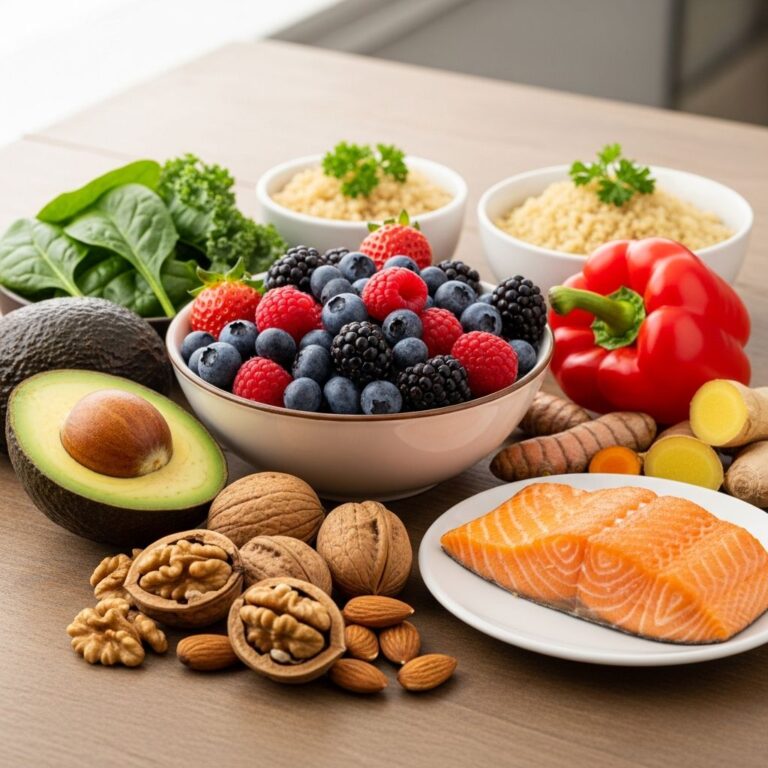
The Complete List of B12 Foods for Optimal Health
Discover the best vitamin B12 food sources to maintain energy and prevent deficiency.
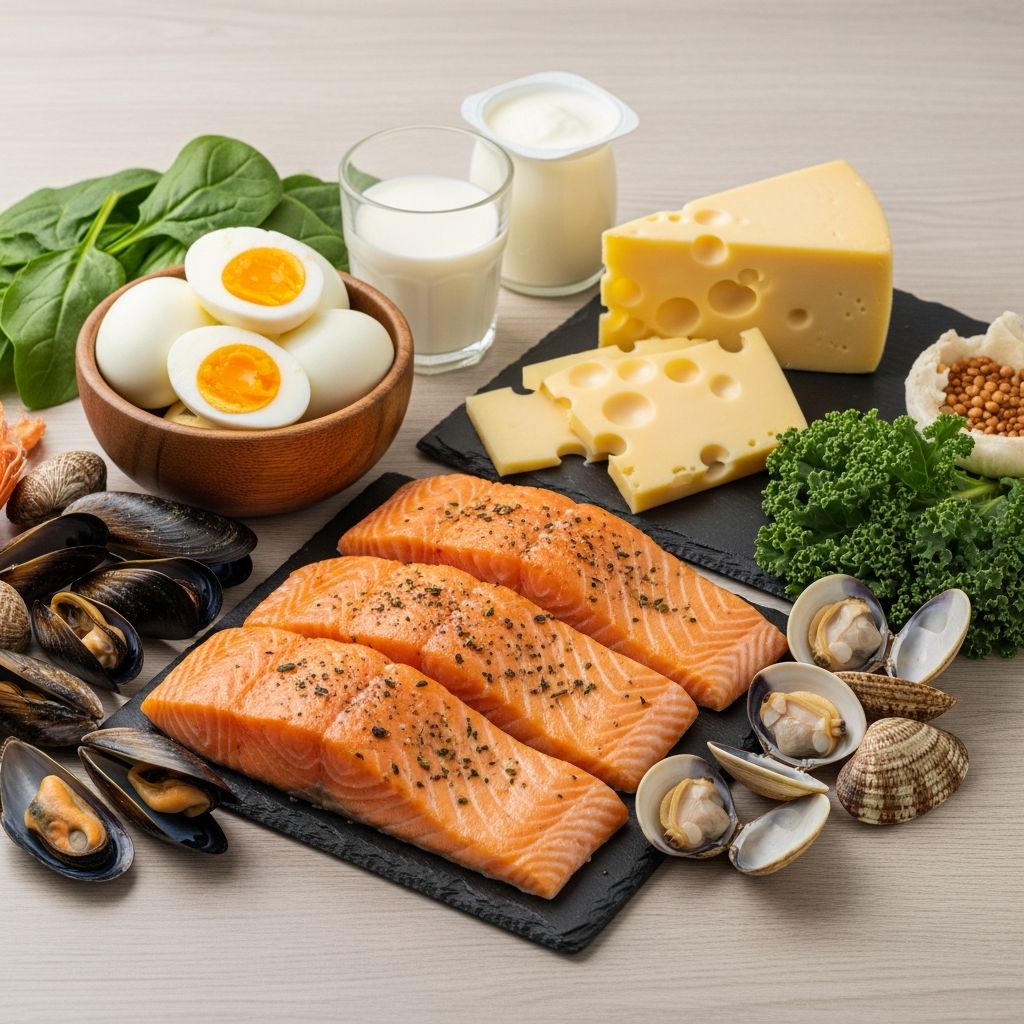
Vitamin B12, also known as cobalamin, is an essential micronutrient that plays a critical role in energy metabolism, red blood cell formation, and nervous system function. Adults require approximately 2.4 micrograms of vitamin B12 daily to maintain optimal health and prevent serious complications. Unlike some vitamins that the human body can synthesize, B12 must be obtained through dietary sources since our bodies cannot manufacture this vital nutrient independently. Understanding which foods provide adequate B12 is crucial for maintaining energy levels, cognitive function, and overall wellness.
Why Vitamin B12 Matters
Vitamin B12 deficiency can result in a range of health complications affecting various body systems. Minor deficiencies may cause fatigue, weakness, numbness, and tingling sensations in the extremities. However, severe or prolonged deficiency can lead to more serious neurological problems, including cognitive difficulties, memory loss, depression, and in extreme cases, permanent nerve damage. The consequences of inadequate B12 intake extend beyond immediate symptoms, potentially affecting long-term neurological health and quality of life.
Certain populations face elevated risk of B12 deficiency, including strict vegetarians and vegans, individuals with digestive disorders such as Crohn’s disease or celiac disease, and those who have undergone gastric bypass surgery. Additionally, older adults and people taking certain medications may experience reduced B12 absorption capacity.
Animal-Based Sources of Vitamin B12
The richest and most bioavailable sources of vitamin B12 are foods derived from animal origins. These sources provide B12 in forms that the human body can readily absorb and utilize, making them highly efficient dietary choices for meeting daily requirements.
Shellfish and Seafood
Shellfish represents one of the most concentrated sources of vitamin B12 available. Clams stand out as an exceptional choice, with just 3 ounces of clams containing more than 80 micrograms of B12—approximately 33 times the daily recommended amount. A typical serving of about a dozen medium-sized clams provides this substantial quantity along with additional nutritional benefits including zinc, iron, potassium, phosphorus, and omega-3 fatty acids. Cooked clams can deliver up to 84.1 micrograms per serving, making them an unparalleled dietary source.
Fish options including trout, salmon, and canned tuna provide excellent B12 content. Both trout and salmon offer more than double the daily B12 requirement in a single 3-ounce portion, while canned tuna delivers the complete daily requirement in that same serving size. Fish simultaneously provides high-quality protein while reducing dependence on red meat, making it a heart-healthy alternative that supports cardiovascular wellness.
Organ Meats
Beef liver stands as one of the most nutrient-dense foods available, containing approximately 70 micrograms of B12 in a 3-ounce serving—roughly 29 times the daily requirement. Beyond B12, liver supplies substantial quantities of iron and protein, supporting overall nutritional status. However, individuals monitoring cholesterol intake should consume liver in moderation, as a 3-ounce portion significantly exceeds daily cholesterol recommendations.
Red Meat
Beef provides over half of the daily B12 requirement in a 3-ounce portion, alongside substantial iron and potassium content. While beef is a nutrient-dense option, portion control remains important due to its saturated fat and cholesterol content. Lean cuts offer better nutritional profiles for those seeking to limit these constituents.
Related Stories



Poultry Products
Both ham and chicken contribute to B12 intake, with ham providing 0.6 micrograms and chicken providing 0.3 micrograms per 3-ounce serving. It is important to note that ham is classified as a processed meat despite marketing practices that may suggest otherwise, warranting mindful consumption in moderate quantities.
Eggs
Eggs offer a convenient and versatile B12 source, with one large egg providing approximately 0.25 of the daily B12 requirement. Eggs additionally supply high-quality protein and vitamin D, supporting bone health and immune function. Research demonstrates that dietary cholesterol from eggs does not raise blood cholesterol levels in the same manner as saturated fat consumption, addressing common dietary concerns. Preparation method influences nutritional value; boiled eggs retain more nutrients than eggs fried in butter or oil.
Dairy and Calcium-Rich Sources
Dairy products represent accessible and widely available B12 sources suitable for various dietary preferences. Milk and Greek yogurt each provide approximately half the daily B12 requirement in standard serving sizes—a cup of milk or 6-ounce serving of plain Greek yogurt. These options simultaneously contribute to bone health through calcium provision and protein for muscle maintenance.
Cheese varieties offer varying B12 quantities depending on type and processing methods. A 1-ounce slice of Swiss cheese, for example, contains just under 1 microgram of B12. Consulting nutrition labels helps identify which cheese varieties best match individual B12 needs.
Plant-Based and Fortified Options
Since plants do not naturally synthesize vitamin B12, individuals following vegetarian or vegan diets must obtain this nutrient from fortified foods or supplements. Fortunately, numerous readily available fortified options can support adequate B12 intake.
Fortified Breakfast Cereals
Fortified breakfast cereals represent a convenient option for vegetarians and vegans, frequently providing an entire day’s worth of B12 in a single serving. However, checking product labels remains essential, as fortification levels vary significantly among brands. Selecting cereals with added vitamins and minerals ensures adequate micronutrient contribution.
Fortified Plant-Based Milks
Fortified soy milk and fortified rice milk may provide approximately half the daily B12 requirement per standard serving. These plant-based alternatives support sustainability and accommodate dietary restrictions while delivering essential micronutrients. Label verification confirms whether specific products contain added B12.
Nutritional Yeast
Fortified nutritional yeast offers concentrated B12 in a versatile form that vegans and vegetarians frequently incorporate into various dishes. Important to note: nutritional yeast does not naturally contain B12; this vitamin is present only in fortified varieties. Not all brands contain added B12, so label inspection is necessary before purchase.
Sea Vegetables
Nori, the dried seaweed commonly used in sushi preparation, contains small amounts of active B12; however, the quantity varies substantially among seaweed types, with some containing negligible amounts. While sometimes promoted as a plant-based B12 source, nori lacks sufficient consistency to serve as a reliable dietary source and should not be depended upon as a primary B12 supply.
Special Considerations for Specific Populations
Dietary B12 requirements vary across different life stages and health conditions. Pregnant and breastfeeding women require increased B12 intake compared to non-pregnant adults, supporting fetal development and milk production. Children require less B12 than adults, with recommendations increasing as they mature.
Individuals with conditions affecting nutrient absorption face particular challenges in maintaining adequate B12 status. Diabetes, thyroid disease, Crohn’s disease, and celiac disease all compromise B12 absorption capacity. Similarly, people who have undergone gastric bypass surgery experience altered digestive physiology that reduces B12 absorption efficiency. These populations may require supplementation or B12 injections to maintain adequate levels despite dietary sources.
Nutritional Comparison Table
| Food Source | Serving Size | B12 Content (mcg) | % Daily Value |
|---|---|---|---|
| Cooked Clams | 3 oz | 84.1 | 3504% |
| Beef Liver | 3 oz | 70.7 | 2944% |
| Salmon or Trout | 3 oz | 3.2 | 133% |
| Canned Tuna | 3 oz | 2.4 | 100% |
| Milk | 1 cup | 1.2 | 50% |
| Greek Yogurt | 6 oz | 1.2 | 50% |
| Large Egg | 1 egg | 0.6 | 25% |
| Fortified Cereal | 1 serving | 2.4+ | 100%+ |
Supplementation and Alternative Approaches
For individuals unable to meet B12 requirements through dietary sources alone, supplements offer an effective solution. Multivitamins containing B12, often in the form of cyanocobalamin, provide convenient daily dosing. However, supplementation proves ineffective for individuals with absorption disorders, highlighting the importance of identifying underlying medical conditions affecting nutrient utilization.
People diagnosed with conditions compromising B12 absorption often require B12 injections administered by healthcare providers. These injections bypass normal digestive processes, delivering B12 directly into circulation for efficient utilization regardless of absorption capacity.
Frequently Asked Questions About Vitamin B12
Q: What are the early signs of vitamin B12 deficiency?
A: Early signs include fatigue, weakness, numbness or tingling in the hands and feet, difficulty concentrating, and pale or jaundiced skin. If you experience these symptoms, consult a healthcare provider for blood testing to confirm B12 status.
Q: Can vegetarians obtain adequate B12 from diet alone?
A: Vegetarians can obtain B12 through eggs, dairy products, and fortified foods like breakfast cereals and plant-based milks. However, vegans must rely exclusively on fortified foods or supplements, as plant foods do not naturally contain B12.
Q: Is there an upper limit for B12 intake?
A: No established upper limit exists for B12 as it is water-soluble, meaning excess amounts are excreted through urine rather than stored in body tissues. This makes B12 supplementation safe even at high doses.
Q: How often should I consume B12-rich foods?
A: You should aim to include B12 sources in your diet regularly, ideally daily or several times weekly. The body stores B12 in the liver, allowing for some flexibility, but consistent intake prevents deficiency development.
Q: Are fortified foods as effective as natural sources?
A: Yes, fortified foods provide bioavailable B12 equivalent to natural sources. Fortified cereals and nutritional yeast have high bioavailability rates, making them reliable options for meeting daily requirements.
Q: What should I do if I suspect a B12 deficiency?
A: Contact your healthcare provider for blood tests measuring B12 levels. They can determine the cause of deficiency and recommend appropriate treatment, whether dietary changes, supplementation, or injections.
References
- 9 Foods to Boost Your Vitamin B12 — Healthgrades Health Library. Accessed December 2024. https://resources.healthgrades.com/right-care/food-nutrition-and-diet/9-foods-to-boost-your-vitamin-b12
- Vitamin B12 – Health Professional Fact Sheet — National Institutes of Health, Office of Dietary Supplements. 2024. https://ods.od.nih.gov/factsheets/VitaminB12-HealthProfessional/
- Vitamin B12 — The Nutrition Source, Harvard T.H. Chan School of Public Health. Accessed December 2024. https://nutritionsource.hsph.harvard.edu/vitamin-b12/
- Foods High in Vitamin B12 — and Symptoms of a B12 Deficiency — Deseret News. March 20, 2024. https://www.deseret.com/lifestyle/2024/03/20/vitamin-b12-foods-deficiency/
- Foods You Should Eat if You Have a B12 Deficiency — WebMD. Accessed December 2024. https://www.webmd.com/b12-rich-foods
Similar Articles








Read full bio of Sneha Tete