HDL Cholesterol: 4 Practical Takeaways For Heart Health
Understanding why high HDL cholesterol may not be the heart protection we once believed.
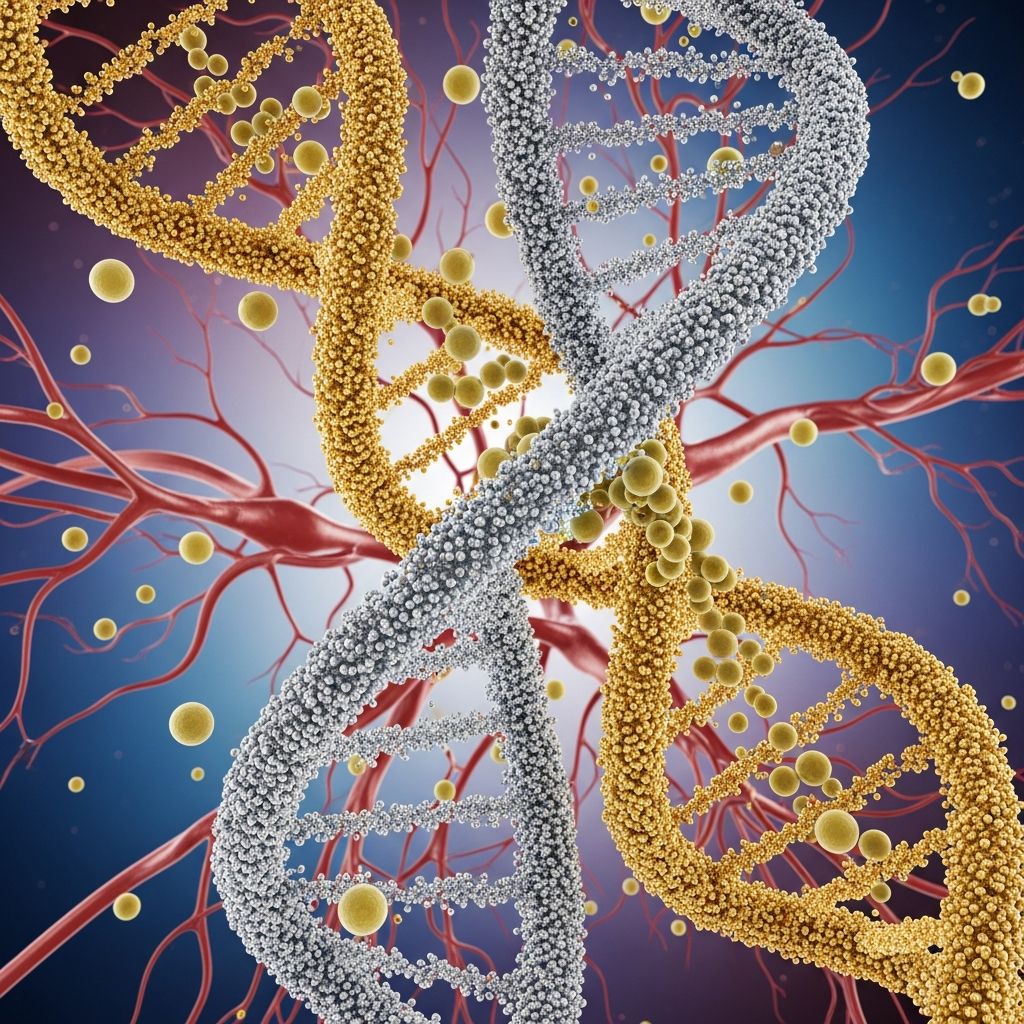
The Complex Story of HDL Cholesterol
For decades, cholesterol has been divided into two categories: the “bad” kind that clogs arteries and the “good” kind that protects your heart. This simple narrative has guided medical advice and shaped how millions of people think about their cardiovascular health. However, recent scientific research has revealed that the story of HDL cholesterol, long promoted as the “good” cholesterol, is far more nuanced than once believed. What we’re learning challenges conventional wisdom and forces us to reconsider how we approach cholesterol management and heart disease prevention.
Understanding Cholesterol and Lipoproteins
To understand the complexity of HDL cholesterol, we must first grasp how cholesterol travels through the body. Cholesterol is a fatty substance that cannot dissolve in blood on its own. To solve this problem, the body packages cholesterol along with other lipids into tiny particles coated with protein. These particles, called lipoproteins, serve as transport vehicles moving cholesterol and fats throughout the bloodstream to cells that need them.
The two lipoproteins that have received the most medical attention are low-density lipoprotein (LDL) cholesterol and high-density lipoprotein (HDL) cholesterol. LDL particles are larger and less dense, while HDL particles are smaller and denser. This difference in density affects how these particles behave in the body and how they influence heart health.
LDL Cholesterol: The Proven Culprit
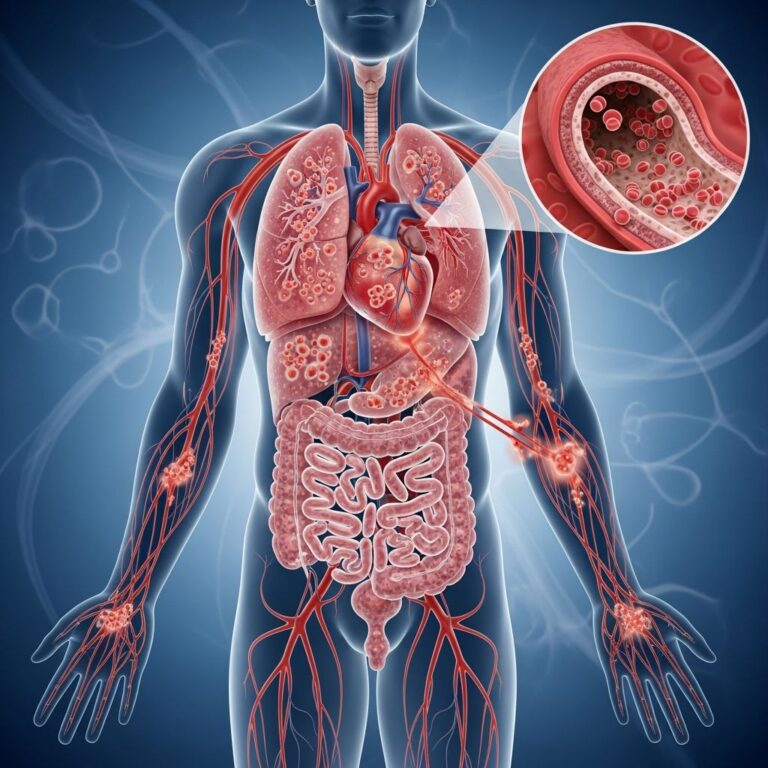
LDL cholesterol has earned its reputation as “bad” cholesterol through extensive scientific evidence. LDL particles deliver cholesterol throughout the body, but when levels become too high, cholesterol accumulates in artery walls. This buildup, known as plaque, narrows blood vessels and restricts blood flow, significantly increasing the risk of heart attacks and strokes.
The evidence against high LDL is overwhelming and consistent. Numerous studies have shown that lowering LDL cholesterol through diet, exercise, and medication clearly reduces the risk of cardiovascular events. This relationship is direct and measurable: higher LDL levels correlate with greater heart disease risk, and reducing LDL leads to better health outcomes. Medical professionals have successfully built interventions around this principle, and the results speak for themselves.
HDL Cholesterol: A More Complex Picture
The story of HDL cholesterol is considerably more complicated. HDL particles have been called “good” cholesterol because some of them work to remove cholesterol from the bloodstream and from artery walls, returning it to the liver for disposal. This sounds protective and beneficial, which is why HDL became synonymous with cardiovascular health.
Observational studies have consistently shown an association between naturally high HDL levels and lower rates of heart disease. People with higher HDL tend to have fewer heart attacks, while those with lower HDL tend to experience more. This observation led to the assumption that raising HDL would improve heart health, similar to how lowering LDL clearly does. However, clinical trials testing this hypothesis have produced surprising and disappointing results.
The HDL Paradox: Association Doesn’t Equal Causation
Despite the strong association between high HDL and lower heart disease risk, raising HDL cholesterol through medication has not consistently led to improved cardiovascular outcomes. This paradox reveals a crucial scientific distinction: correlation does not necessarily equal causation. Just because people with high HDL tend to be healthier doesn’t mean the high HDL is causing them to be healthier.
Related Stories



Instead of functioning as the protective agent we assumed, HDL may serve primarily as a marker or indicator of other factors that actually determine cardiovascular risk. Think of it like a warning light on a car’s dashboard—a lit warning light indicates a problem, but the light itself isn’t causing the problem. Similarly, low HDL may indicate underlying health issues, but the low HDL itself may not be the direct cause of increased heart disease risk.
What Low HDL Really Reveals
People with low HDL cholesterol typically have other characteristics strongly associated with higher cardiovascular risk. These include being overweight or obese, particularly with abdominal fat accumulation around the internal organs. Abdominal obesity, indicated by a larger waist circumference, is an independent risk factor for heart disease and correlates closely with metabolic problems.
Additionally, individuals with low HDL often have elevated blood pressure, a well-established cardiovascular risk factor. Many also have prediabetes or type 2 diabetes, conditions that significantly increase the likelihood of heart attack and stroke. The clustering of these conditions—sometimes called metabolic syndrome—creates the elevated cardiovascular risk. It’s these underlying conditions, rather than the low HDL itself, that likely drive the increased disease risk.
High HDL Is Not a Free Pass
Understanding that HDL operates as a marker rather than a cause has important implications for how we interpret cholesterol readings. Individuals with high HDL should not assume their high level cancels out other cardiovascular risk factors, particularly a high LDL cholesterol level. The protective association observed in people with naturally high HDL stems from the overall healthy metabolic profile typically accompanying high HDL, not solely from the HDL itself.
A person with high HDL but also high LDL remains at significant risk for heart disease. The focus should remain on keeping LDL cholesterol in a healthy range, regardless of HDL levels. Maintaining a healthy weight, managing blood pressure, controlling blood sugar, and avoiding smoking remain essential regardless of HDL numbers.
The Role of HDL in Heart Health: What We Know
| Factor | Role in Cardiovascular Health | Clinical Evidence |
|---|---|---|
| LDL Cholesterol | Direct causal link to artery damage and plaque buildup | Strong; lowering LDL reduces heart disease risk |
| HDL Cholesterol | Marker of metabolic health and underlying protective factors | Moderate; associated with lower risk but raising HDL doesn’t improve outcomes |
| Abdominal Obesity | Independent risk factor linked to low HDL and disease | Strong; directly correlates with cardiovascular events |
| Blood Pressure | Direct causal link to cardiovascular damage | Strong; lowering blood pressure reduces heart disease risk |
| Blood Sugar | Metabolic marker linked to vascular damage | Strong; diabetes significantly increases cardiovascular risk |
Different Types of HDL Particles
Recent research has revealed additional complexity in the HDL story. Not all HDL particles are identical. Scientists have identified different subtypes of HDL particles that vary in size and composition. Some evidence suggests that larger HDL particles may be more protective than smaller ones, though this remains an area of active research. Current clinical practice doesn’t routinely measure HDL subtypes, but this emerging science may eventually refine how we assess cardiovascular risk.
Practical Implications for Cholesterol Management
The more complex understanding of HDL cholesterol leads to several practical implications for managing your health:
Focus on LDL First: The primary goal should remain achieving and maintaining a healthy LDL cholesterol level. This remains the most direct and evidence-based intervention for reducing heart disease risk.
Don’t Ignore Overall Health: Rather than fixating on HDL numbers, focus on the underlying health factors associated with good HDL levels. Maintain a healthy weight, particularly avoiding abdominal fat accumulation. Manage blood pressure and blood sugar levels. These actions address the root causes of cardiovascular risk.
Lifestyle Matters Most: Exercise, a healthy diet, stress management, and avoiding smoking improve multiple cardiovascular risk factors simultaneously. These interventions benefit LDL levels, weight management, blood pressure, and metabolic health—the factors that truly determine your heart disease risk.
Don’t Over-Rely on Medications to Raise HDL: While some medications can raise HDL cholesterol, they haven’t proven effective at preventing heart disease. Lifestyle modifications remain the foundation of cardiovascular health.
The Future of Cholesterol Research
Scientists continue investigating cholesterol’s role in cardiovascular disease. Future research may reveal more nuanced distinctions between HDL subtypes and refine our understanding of how these particles affect heart health. However, the current evidence strongly suggests that the simple “good” and “bad” cholesterol dichotomy oversimplifies a complex biological system.
Rather than viewing cholesterol numbers in isolation, modern cardiovascular science emphasizes overall cardiometabolic health. This includes LDL and HDL levels but also considers blood pressure, blood sugar, weight, physical fitness, and other factors contributing to heart disease risk. This holistic approach more accurately reflects the biological reality of how disease develops.
Frequently Asked Questions
Q: Does high HDL cholesterol protect me from heart disease?
A: High HDL is associated with lower heart disease risk, but this association appears to reflect overall good metabolic health rather than direct protection from HDL itself. Don’t assume high HDL cancels out other risk factors, particularly high LDL cholesterol.
Q: Should I take medication to raise my HDL?
A: Medications that raise HDL cholesterol have not been shown to prevent heart disease in clinical trials. Focus instead on lifestyle modifications that improve overall cardiovascular health.
Q: What’s the ideal LDL and HDL cholesterol ratio?
A: The most important goal is achieving a healthy LDL level, typically below 100 mg/dL for most people. While HDL levels of 40 mg/dL or higher in men and 50 mg/dL or higher in women are considered acceptable, the LDL value matters more for heart disease prevention.
Q: Can I improve my HDL through exercise and diet?
A: Yes, regular exercise and a healthy diet can modestly raise HDL and typically improve the underlying metabolic factors associated with good cholesterol profiles. Even if HDL doesn’t rise dramatically, these lifestyle changes improve overall cardiovascular health.
Q: Is a high HDL level if I’m overweight still protective?
A: No. If you’re overweight or obese, particularly with abdominal fat, you carry elevated cardiovascular risk regardless of your HDL level. Weight loss and improving overall metabolic health are more important than HDL numbers.
References
- Should HDL Still Be Called the Good Cholesterol? — Chicago Health Online (Ask the Harvard Experts). 2024-11-15. https://chicagohealthonline.com/ask-the-harvard-experts-should-hdl-still-be-called-the-good-cholesterol/
- Some HDL, or ‘Good’ Cholesterol, May Not Protect Against Heart Disease — EurekAlert!. 2014-03-24. https://www.eurekalert.org/news-releases/657079
- The National Heart, Lung, and Blood Institute (NHLBI) Guidelines on Cholesterol Management — U.S. National Institutes of Health. 2024-10-30. https://www.nhlbi.nih.gov/health/cholesterol
- Cholesterol Levels and Cardiovascular Disease — American Heart Association. 2024-11-20. https://www.heart.org/en/healthy-living/healthy-eating/eat-smart/cholesterol/cholesterol-levels-what-you-need-to-know
Similar Articles








Read full bio of Sneha Tete