Complications Of Atopic Dermatitis: Risks And Treatments
Explore the full spectrum of complications from atopic dermatitis, including infections, skin changes, and systemic effects that impact quality of life.
Atopic dermatitis, commonly known as eczema, is a chronic inflammatory skin condition characterised by intense itching, dry skin, and recurrent flares. While the primary symptoms disrupt daily life, the complications of atopic dermatitis can be severe and multifaceted, arising from the impaired skin barrier, immune dysregulation, and habitual scratching. These include infective complications, contact dermatitis, changes in skin colour, and broader psychosocial effects. Early recognition and management are crucial to prevent progression and improve outcomes.
Infective Complications of Atopic Dermatitis
Skin infections are among the most frequent complications of atopic dermatitis due to the defective skin barrier, which allows microbial entry, combined with immune abnormalities and the itch-scratch cycle that damages the epidermis. Cutaneous colonisation by Staphylococcus aureus is nearly universal in affected individuals, forming biofilms that exacerbate Th2-mediated inflammation. Infants and young children are particularly vulnerable to widespread infections.
Bacterial Infections
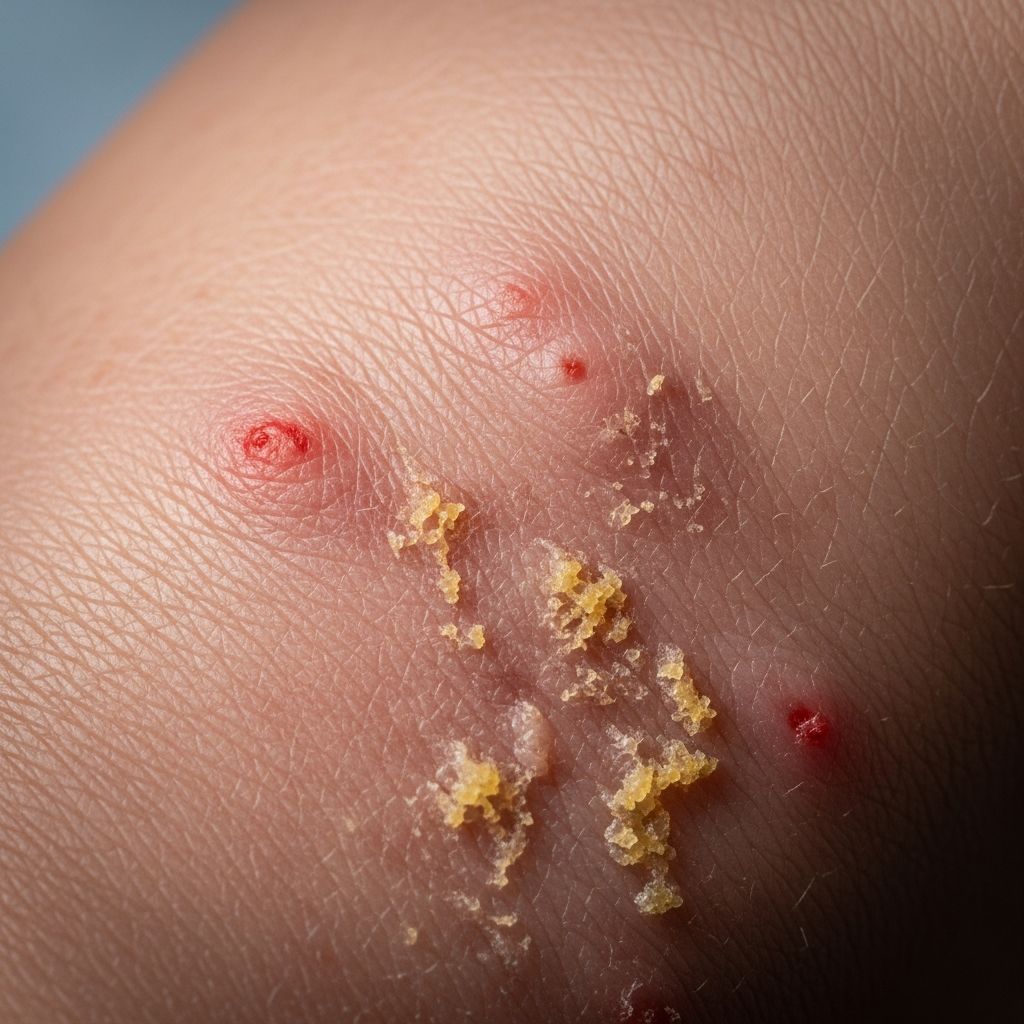
Staphylococcus aureus is the predominant pathogen, leading to impetiginised eczema with yellow crusts, oozing, and pustules. Patients often harbour high bacterial loads even without overt infection, increasing flare risk. Methicillin-resistant S. aureus (MRSA) colonisation is elevated compared to the general population, heightening infection severity. Streptococcus pyogenes can cause cellulitis or erysipelas, presenting with fever, malaise, and rapid worsening. Secondary bacterial infection should be suspected if standard therapy fails or systemic symptoms emerge.
- Clinical features: Pustules, honey-coloured crusts, erosions, cellulitis with swelling and warmth.
- Risk factors: Severe disease, FLG gene mutations, frequent topical steroid use.
Viral Infections
Patients with atopic dermatitis face heightened risk for disseminated viral infections due to impaired antiviral responses. Eczema herpeticum (EH), caused by herpes simplex virus (HSV), affects approximately 20% of severe cases and can be life-threatening with systemic dissemination. It manifests as monomorphic punched-out erosions, vesicles, and crusts, often on flexural areas, with fever and lymphadenopathy.
Molluscum contagiosum virus (MCV) is common, presenting as pearly papules that may trigger surrounding eczema (molluscum eczema). Unlike in healthy skin, it persists longer (1-2 years) and can scar. Other viruses like coxsackie or vaccinia can rarely disseminate in eczematous skin.
- EH warning signs: Clustered vesicles, pain over itch, systemic illness—requires urgent antivirals like aciclovir.
- Management: Avoid live vaccines (e.g., smallpox) in severe atopic dermatitis.
Fungal Infections
Though less common, dermatophytes (tinea) and yeasts (Candida) can colonise eroded skin. Risk is higher with occlusive treatments or humid climates, presenting as annular plaques or intertrigo unresponsive to antibacterials. Cultures guide therapy with topical or systemic antifungals.
Contact Dermatitis and Atopic Dermatitis
Contact dermatitis frequently complicates atopic dermatitis due to the fragile skin barrier. Irritant contact dermatitis arises from soaps, detergents, or excessive washing, manifesting as patterned flares on hands or face. Allergic contact dermatitis results from sensitisation to topical medicaments (e.g., preservatives, antibiotics like neomycin) or aeroallergens like house dust mites, worsening baseline eczema or asthma.
Related Stories



Atopic hand dermatitis is a common occupational issue, with hyperkeratotic, fissured palms from irritants. Patch testing is essential for unexplained flares, especially in patterned distributions.
- Prevention: Emollients as soap substitutes, fragrance-free products, cotton gloves for wet work.
- Aeroallergens: Mite avoidance reduces severity in sensitised patients.
Complications in Skin Colour
Chronic scratching and inflammation lead to pigmentary changes. Postinflammatory hyperpigmentation (PIH) appears as brown macules, more prominent in darker skin types, while hypopigmentation or pityriasis alba shows as hypopigmented scaly patches on cheeks or limbs. These can persist months to years, causing cosmetic distress.
Lichenification from rubbing produces thickened, leathery skin with accentuated markings. Scarring from deep excoriations or infections is permanent. Dystrophy of nails (ridging, pitting) occurs in chronic cases.
- Management: Sun protection to prevent PIH darkening; topical retinoids or hydroquinone for persistent PIH.
Other Complications
Sleep Disturbance and Fatigue
Itch disrupts sleep in up to two-thirds of patients, causing difficulty falling asleep, frequent awakenings, and daytime fatigue. In children, this links to ADHD, headaches, and growth delays. Adults report impaired concentration and productivity.
Psychosocial Impact
Visible rashes cause embarrassment, anxiety, and depression, more pronounced in adults. Social withdrawal and reduced quality of life are common.
Atopic March and Comorbidities
30% of children progress to asthma or allergic rhinitis (atopic triad). Food allergies manifest as urticaria; early-onset severe disease predicts persistence. Other associations include anaemia, epilepsy in children.
Therapeutic Complications
Prolonged topical corticosteroids cause atrophy, striae, telangiectasia. Calcineurin inhibitors rarely trigger allergies.
Management of Complications
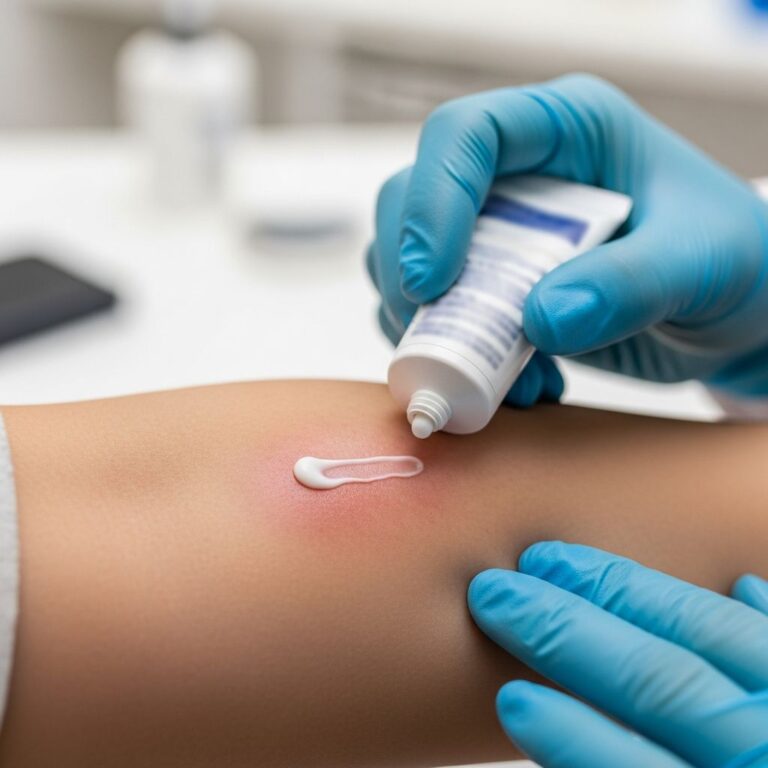
Prevent infections with diligent emollient use, diluted bleach baths (to reduce S. aureus), and prompt treatment of flares. Antibiotics for bacterial superinfection: topical mupirocin locally, oral flucloxacillin or cephalexin for widespread. Aciclovir IV for severe EH.
For refractory cases, wet wraps, phototherapy, or systemic agents like cyclosporine under specialist care. Antihistamines aid sleep but lack anti-itch efficacy.
| Complication | Key Features | Treatment |
|---|---|---|
| Bacterial infection | Crusts, pustules, fever | Topical/oral anti-staphylococcal |
| Eczema herpeticum | Vesicles, erosions, malaise | Systemic aciclovir ± antibiotics |
| Contact dermatitis | Patterned flare | Avoid irritants/allergens, patch test |
| PIH | Brown macules post-flare | Time, sun protection, topicals |
Frequently Asked Questions (FAQs)
What causes skin infections in atopic dermatitis?
The impaired skin barrier, high S. aureus colonisation, and scratching create entry points for bacteria and viruses.
Is eczema herpeticum dangerous?
Yes, it can disseminate and become life-threatening; seek immediate medical care for clustered painful vesicles.
How can I prevent contact dermatitis?
Use gentle cleansers, moisturise frequently, avoid fragrances and known allergens; patch testing helps identify culprits.
Do pigment changes go away?
Most fade over months, but sun exposure worsens them—use SPF 50+ daily.
Does atopic dermatitis affect sleep?
Yes, nocturnal itch disrupts sleep in most patients, leading to fatigue and concentration issues.
This article provides an overview; consult a dermatologist for personalised advice.
References
- Atopic Dermatitis: An Overview — American Academy of Family Physicians. 2012-07-01. https://www.aafp.org/pubs/afp/issues/2012/0701/p35.html
- Atopic dermatitis (eczema) – Symptoms and causes — Mayo Clinic. 2023-11-20. https://www.mayoclinic.org/diseases-conditions/atopic-dermatitis-eczema/symptoms-causes/syc-20353273
- Atopic dermatitis complications — DermNet NZ. 2024-01-15. https://dermnetnz.org/topics/complications-of-atopic-dermatitis
- Overview of Atopic Dermatitis — American Journal of Managed Care. 2021-06-10. https://www.ajmc.com/view/overview-of-atopic-dermatitis-article
- Atopic Dermatitis — Cleveland Clinic. 2023-08-22. https://my.clevelandclinic.org/health/diseases/24299-atopic-dermatitis
Similar Articles








Read full bio of Sneha Tete