Compound Fracture: Types, Symptoms & Treatment
Understanding compound fractures: causes, diagnosis, treatment options, and recovery timelines.
What Is a Compound Fracture?
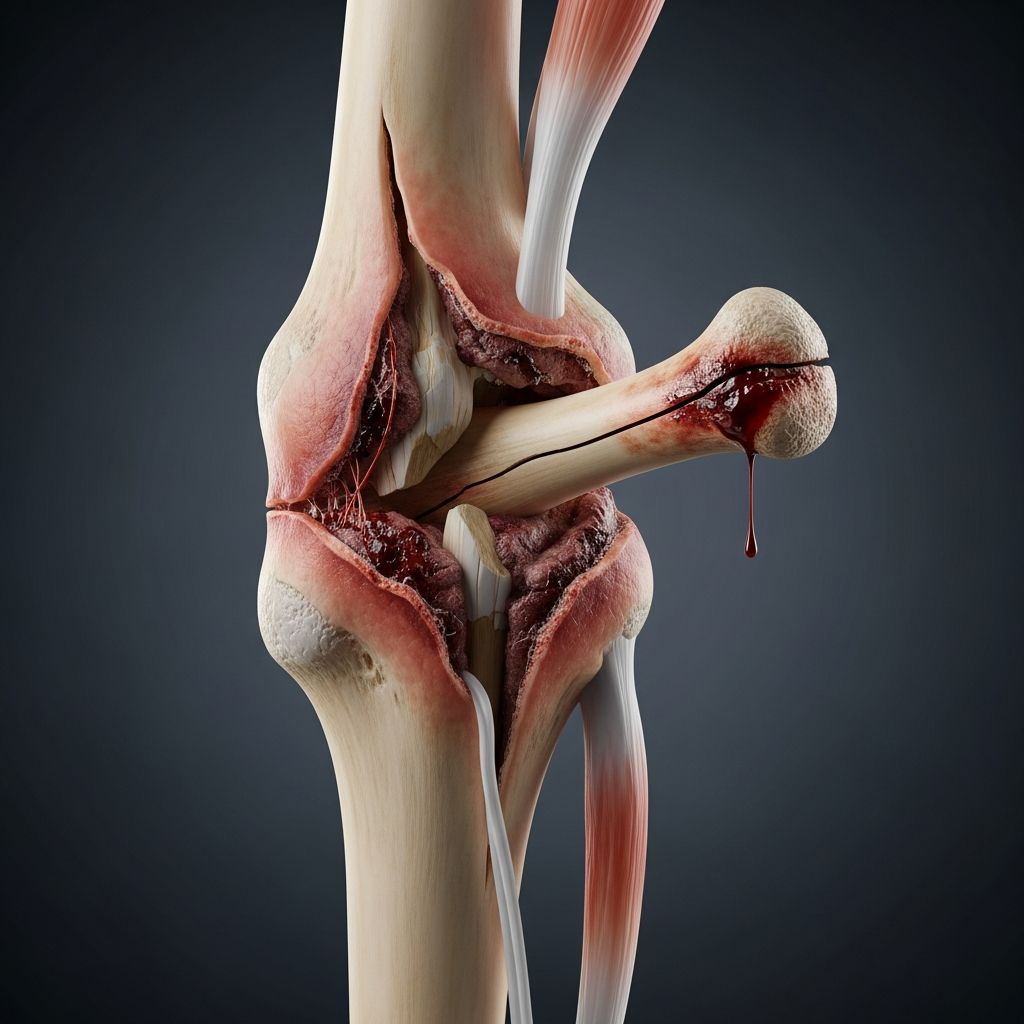
A compound fracture, also known as an open fracture, occurs when a traumatic event breaks a bone and that bone pierces through the skin. This distinguishes it from a simple or closed fracture, where the broken bone remains beneath the skin surface. Compound fractures are serious injuries that require immediate medical attention and typically necessitate surgical intervention to realign the bones properly. Unlike closed fractures that may only require immobilization with a cast or splint, compound fractures involve both bone damage and a wound created by the bone breaking through the skin.
The severity of a compound fracture depends on several factors, including the location of the break, the number of bone fragments, the extent of soft tissue damage, and whether other structures such as blood vessels or nerves have been injured. Common causes of compound fractures include car accidents, falls from heights, motorcycle crashes, industrial accidents, and sports injuries involving significant trauma. These injuries are often accompanied by severe pain, bleeding, and visible deformity.
Compound vs. Simple Fractures: Key Differences
Understanding the distinction between compound and simple fractures is essential for recognizing the severity of your injury. The primary difference lies in whether the bone breaks through the skin. In a simple or closed fracture, the broken bone remains entirely beneath the skin surface, and there is no open wound at the fracture site. These injuries may still be serious and require professional treatment, but they generally pose a lower risk of infection and may heal without surgical intervention in some cases.
In contrast, compound or open fractures present a significant health risk because the break in the skin creates a direct pathway for bacteria and other pathogens to reach the broken bone and surrounding tissues. This dramatically increases the risk of infection, which can lead to serious complications such as osteomyelitis (bone infection) or sepsis. Additionally, the soft tissue damage associated with compound fractures—including damage to muscles, blood vessels, and nerves—is typically more extensive than with simple fractures. Healthcare providers can immediately recognize compound fractures because the bone is visibly protruding through the skin, whereas simple fractures require imaging tests to confirm the diagnosis.
Recognition and Diagnosis
How Healthcare Providers Identify Compound Fractures
Compound fractures are among the most obvious types of bone injuries because the bone has pierced the skin, making the injury immediately visible. If you experience a traumatic injury and can see bone protruding through an open wound, you have a compound fracture. Healthcare providers in an ambulance or emergency department can quickly diagnose this condition through physical examination alone. However, to fully understand the extent of the damage and plan appropriate treatment, additional diagnostic imaging is necessary.
Diagnostic Imaging and Tests
When you arrive at the emergency department with a suspected compound fracture, healthcare providers will perform a comprehensive physical examination and order imaging tests to assess the injury. The standard diagnostic approach includes:
Related Stories



- X-rays: These are typically the first imaging tests ordered and provide clear images of how the bones are broken and how they need to be realigned.
- CT scans (Computed Tomography): These provide more detailed three-dimensional images and are particularly useful for complex fractures involving multiple bone fragments.
- MRI scans (Magnetic Resonance Imaging): These are sometimes required to fully assess soft tissue damage, including injuries to muscles, ligaments, and nerves surrounding the fracture site.
In addition to diagnosing the fracture itself, healthcare providers will check for complications associated with the injury. They will assess for blood vessel damage, nerve damage, compartment syndrome, and signs of infection. The provider will also determine whether the fracture is displaced (where bone pieces have moved significantly out of alignment) or non-displaced (where pieces remain relatively in position).
Symptoms of Compound Fractures
Compound fractures present with several characteristic symptoms that indicate the need for immediate emergency care. The most obvious sign is the visible bone protruding through the skin, typically accompanied by bleeding from the wound. However, other symptoms are equally important to recognize:
- Severe pain: Intense pain at the injury site that persists even without attempting to move the affected area.
- Inability to move: You may be unable to move the affected limb or body part due to pain and structural damage.
- Swelling and bruising: Significant swelling and discoloration around the injury site develop rapidly.
- Deformity: The affected limb may appear misshapen or at an abnormal angle.
- Bleeding: Active bleeding from the wound where the bone has pierced the skin.
- Shock symptoms: In severe cases, you may experience dizziness, weakness, rapid heart rate, or pale skin due to blood loss.
If you experience any of these symptoms following a traumatic injury, you should immediately call emergency services or go to the nearest emergency department. Do not attempt to move the injured area or realign the bone yourself, as this could cause additional damage.
Emergency Treatment and Initial Care
Pain Management
When you arrive at the emergency department with a compound fracture, pain management is a priority. Healthcare providers will offer one or more pain relief options, which may include oral pain medications, intravenous pain medication, or regional anesthesia that numbs the specific area of injury. The goal is to manage your pain while healthcare providers assess your injury and plan surgical treatment.
P.R.I.C.E. Protocol
Initial treatment for a compound fracture follows the P.R.I.C.E. acronym, which represents a systematic approach to managing the injury:
- Protection: Protect the injured area from further damage by immobilizing it and preventing any movement.
- Rest: Rest the injured area completely to prevent additional trauma and allow the healing process to begin.
- Ice: Apply ice to reduce swelling and pain, though this must be done carefully to avoid damaging the skin.
- Compression: Use compression bandages to help control swelling, though care must be taken with open wounds.
- Elevation: Elevate the injured area above heart level when possible to reduce swelling and improve circulation.
Additional Medical Interventions
Depending on the cause of the injury and the severity of the fracture, you may also receive a tetanus vaccine and antibiotics to prevent infection. The tetanus vaccine is particularly important if the injury occurred in a contaminated environment or if your tetanus immunization is not current. Antibiotics help prevent bacterial infection through the open wound, which is a significant risk with compound fractures.
Surgical Treatment
Fracture Reduction
Once you are stabilized in the emergency department, you will need to see a surgeon who specializes in orthopedic trauma. The surgeon’s primary objective is to perform a reduction of the fracture, which means moving each of the fractured bone pieces back into their proper, normal position. Before the procedure, you will receive pain relievers, sedatives, and/or anesthesia to ensure you do not experience discomfort during the surgery.
Internal Fixation Techniques
After realigning the broken bone pieces, the surgeon will secure them in place using internal fixation techniques. These may include:
- Metal screws and plates: The surgeon attaches special metal plates to the bone surface and secures them with screws to hold the bone pieces together.
- Metal rods: Metal rods may be positioned through the center of the bone to provide additional stability and hold the pieces in alignment.
- External fixation devices: In some cases, metal pins or screws are placed above and below the fracture site, connected to an external frame that supports and immobilizes the bone during healing.
Casting and Immobilization
After the surgeon has realigned your bones and secured them with internal fixation, the area will be wrapped in cloth and cotton material to protect your skin. The healthcare provider will then wrap your injury in bandages that are wet with plaster or fiberglass strips. These bandages harden as they dry, creating a rigid cast that immobilizes the injured area and protects the healing bone from movement or further trauma. The cast must remain in place for several weeks to months, depending on the location and severity of the fracture.
You will receive specific instructions on how to care for your cast, including keeping it dry, avoiding putting weight on it if it involves a limb, and watching for signs of complications such as excessive swelling, numbness, or color changes in the affected limb.
Bone Healing Stages
Understanding the stages of bone healing helps you appreciate the recovery timeline and why certain restrictions are necessary during each phase.
Initial Inflammatory Stage
Immediately after the fracture, the body initiates an inflammatory response. Blood clots form at the fracture site, and the body begins removing damaged tissue and preparing the area for healing.
Soft Callus Formation Stage
During the first few weeks, the body forms a soft callus—a bridge of new bone tissue that begins to connect the broken pieces. This soft callus is not yet strong enough to support weight or withstand stress.
Hard Callus Formation Stage
As weeks progress, the soft callus mineralizes and hardens into a hard callus. This stage typically occurs between 3-12 weeks after the fracture, depending on the location and severity of the break.
Remodeling Stage
The remodeling stage can take several months and involves the external callus becoming stronger as it grows thicker and calcifies. During this time, the bones gradually remodel themselves into a more normal shape and become less fragile. This stage is crucial for restoring full function and strength to the injured area.
Complications Associated with Compound Fractures
While many compound fractures can be fully repaired through surgical correction and proper wound care, some individuals may experience complications during or after recovery.
Common Complications
- Infection: The open wound associated with compound fractures significantly increases the risk of bacterial infection, which can become serious if not treated promptly.
- Delayed healing: Some fractures heal more slowly than expected, requiring extended immobilization and restricted activity.
- Malunion: The bone may heal in an incorrect position, resulting in deformity or functional impairment.
- Nonunion: In rare cases, the bone pieces fail to join together properly and may require additional surgery.
More Severe Complications
Serious complications can include blood vessel damage leading to poor circulation, nerve damage causing numbness or weakness, compartment syndrome (a painful condition involving increased pressure within muscle compartments), and chronic pain or stiffness in the affected area following recovery.
Recovery and Rehabilitation
Recovery from a compound fracture typically takes weeks to months, depending on several factors including the location and severity of the fracture, your age, overall health, and adherence to medical recommendations. Initially, your primary focus should be on protecting your cast, getting adequate rest, and following all medical instructions regarding activity restrictions.
As healing progresses and the hard callus forms, your healthcare provider may allow gradual increases in activity and weight-bearing. Physical therapy may be recommended to restore strength, flexibility, and range of motion to the injured area. During this rehabilitation phase, it is important to follow your therapist’s guidance carefully and progress at an appropriate pace to avoid re-injury.
An accident causing a compound fracture is a frightening and traumatic event that can significantly impact your daily life during recovery. It is essential to maintain perspective, follow all medical recommendations, take care of your cast, get plenty of rest, and be patient with the healing process. Most compound fractures can be successfully managed with modern surgical techniques and comprehensive rehabilitation.
Frequently Asked Questions
Q: What is the main difference between a compound fracture and a simple fracture?
A: The key difference is that a compound fracture involves the broken bone piercing through the skin, creating an open wound, while a simple fracture remains beneath the skin surface. Compound fractures carry a higher risk of infection and typically require surgical intervention.
Q: Do all compound fractures require surgery?
A: Most compound fractures do require surgery to properly realign the bone pieces and secure them with internal fixation. However, the specific surgical approach depends on the location, severity, and complexity of the fracture.
Q: How long does recovery from a compound fracture take?
A: Recovery typically takes several weeks to months. The initial hard callus usually forms within 3-12 weeks, but complete remodeling and return to full function may take several months or longer, depending on individual factors.
Q: What should I do if I suspect I have a compound fracture?
A: Call emergency services immediately or go to the nearest emergency department. Do not attempt to move the injured area or realign the bone yourself. Seek immediate professional medical attention.
Q: Can compound fractures be fully healed without permanent damage?
A: Many compound fractures can be fully repaired through appropriate surgical treatment and rehabilitation. However, some individuals may experience long-term effects such as residual pain, stiffness, or functional limitations depending on the severity of the initial injury.
References
- Compound Fracture: What Is It, Types, Symptoms & Treatment — Cleveland Clinic. 2021-09-29. https://my.clevelandclinic.org/health/diseases/21843-compound-fracture
- Open Reduction & Internal Fixation (ORIF): What It Is — Cleveland Clinic. https://my.clevelandclinic.org/health/procedures/open-reduction-and-internal-fixation-orif
- Bone Fractures: Types, Symptoms & Treatment — Cleveland Clinic. https://my.clevelandclinic.org/health/diseases/15241-bone-fractures
- Bone Fracture Repair: Procedures, Risks, and Healing Time — Medical News Today. https://www.medicalnewstoday.com/articles/322419
- Broken Femur: Causes, Symptoms, and Treatment — Cleveland Clinic. https://my.clevelandclinic.org/health/diseases/22299-broken-femur
Similar Articles








Read full bio of medha deb