Eye Exam: What to Expect During a Comprehensive Eye Test
Complete guide to eye exams: understand the 13-part comprehensive eye test process and what to expect.
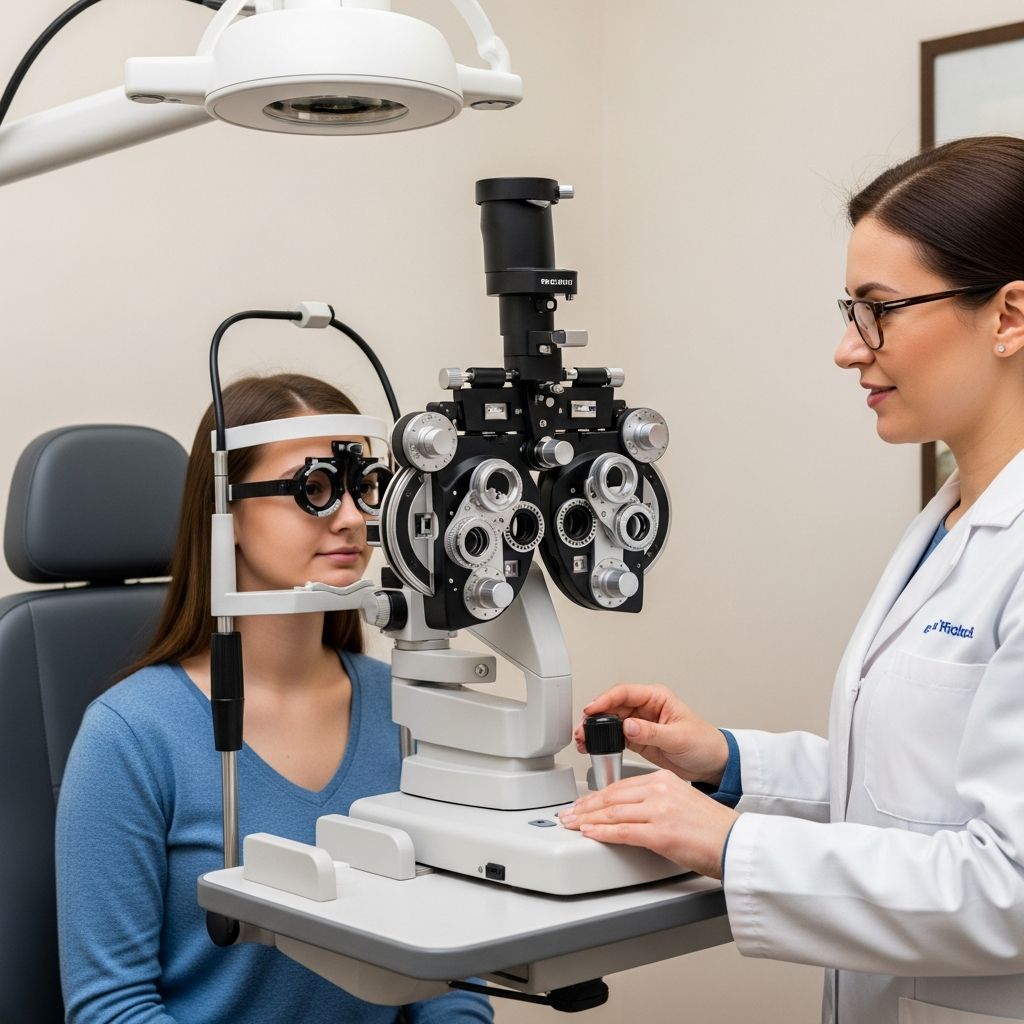
Understanding Comprehensive Eye Exams
A comprehensive eye exam is a thorough evaluation of your vision and eye health that goes far beyond simply reading an eye chart. During a complete eye exam, your eye care specialist will perform multiple tests and assessments to ensure your eyes are functioning properly and to detect any potential eye diseases or vision problems. Whether you’re experiencing vision changes or simply maintaining your eye health, understanding what happens during an eye exam can help you prepare and make the most of your appointment.
A comprehensive eye exam typically consists of 13 different components, each designed to evaluate specific aspects of your eye health and visual function. These components are organized into two main categories: those that assess how your eyes work and appear externally, and those that require the use of specialized equipment like a slit lamp to examine the inner structures of your eye.
Why Regular Eye Exams Matter
Eye exams serve multiple purposes beyond determining if you need glasses or contact lenses. Regular comprehensive eye exams can detect serious eye diseases in their early stages when treatment is most effective. Many eye conditions, such as glaucoma and diabetic retinopathy, develop without noticeable symptoms, making early detection through routine exams critical.
You should consider getting a comprehensive eye exam if:
– You wear contacts or glasses- You’re visually impaired- You’re over the age of 60- You have a chronic disease, such as diabetes- You’re overweight or obese- You have a family history of eye diseases- You’ve noticed recent changes in your vision- You experience frequent headaches or eye strain
The Seven External Eye Components
The first seven components of a comprehensive eye exam focus on evaluating how your eyes work and how they appear on the outside. These tests assess the basic functions of vision and eye movement without requiring specialized internal examination tools.
Patient History and Medical Background
Every comprehensive eye exam begins with a detailed discussion of your medical and vision history. Your eye care specialist will ask you about any current vision problems, when symptoms began, and whether you’ve noticed any recent changes in your sight. This conversation also covers your current medications, as many drugs can affect vision, and your family’s eye health history. Understanding your background helps your specialist identify risk factors and determine which additional tests may be necessary for your specific situation.
Visual Acuity Testing
The visual acuity test is perhaps the most recognizable part of an eye exam. You’ll sit or stand 20 feet away from an eye chart and read letters aloud, starting with larger letters and progressing to smaller ones. Your specialist uses this test to determine how clearly you can see at a distance. Normal vision is defined as 20/20, meaning you can clearly see letters from 20 feet away that are designed to be seen from that distance. If you can only see from 20 feet what an average person sees from 30 feet, your vision would be 20/30.
Preliminary Vision Tests
Preliminary tests evaluate several important aspects of your visual function. These tests assess your depth perception, color vision, peripheral vision, and how your eye muscles move. Additionally, your specialist will examine how your pupils respond to light. These preliminary assessments provide important baseline information about your visual capabilities and can help identify potential problems that require further investigation.
Related Stories



Eye Focusing, Teaming, and Movement Testing
For your eyes to see clear, single images, they must work together in perfect coordination and adjust focus appropriately. This assessment, called ocular motility and binocular vision testing, determines how well your eyes work together to achieve smooth movement and proper focus. Your specialist will have you follow a light or target as they move it through different positions. Any difficulties with eye coordination or focusing can indicate problems with the eye muscles or the nerves that control them.
Keratometry and Corneal Topography
The keratometry test measures the curvature of your cornea, the clear front part of your eye. During this test, a circular area of light is projected onto your cornea, and the reflection is measured to determine its exact shape and curvature. This information is critical for determining the proper fit of contact lenses and for planning certain eye surgeries. Corneal topography is an advanced version of keratometry that creates a detailed map of your cornea’s surface.
Refraction Assessment
The refraction test determines the lens strength required to correct refractive errors such as nearsightedness, farsightedness, and astigmatism. During this test, your eye specialist uses an instrument called a phoropter to place different lenses in front of your eyes. You’ll be asked which lens allows you to see most clearly. The specialist may also use automated instruments to assess your focusing abilities. This test can be conducted with or without dilating eye drops, depending on your specific needs and the assessment being performed.
The Five Slit Lamp Components
The remaining five components of a comprehensive eye exam involve the use of a slit lamp, a specialized microscope with a bright light that allows your eye care specialist to examine the internal and external structures of your eye in detail. Some of these tests may be performed with dilating drops that temporarily widen your pupils to provide better access to the inner eye structures.
Eye Health Evaluation with Slit Lamp
Your eye care specialist uses the slit lamp to examine the health of your eye’s structures and surrounding tissues. This includes evaluating the cornea, lens, and other front-of-eye structures. To examine the back of your eye and retina more thoroughly, your specialist may place dilating drops in your eyes. These drops cause your pupils to widen, allowing better visualization of the internal eye structures. The slit lamp examination helps identify cataracts, corneal abrasions, and other front-of-eye conditions.
Intraocular Pressure Measurement (Tonometry)
Measuring the pressure inside your eye is essential for detecting glaucoma, a serious eye disease that can lead to vision loss if left untreated. Your specialist will numb your eyes with drops before using a testing tool called a tonometer to measure the intraocular pressure in each eye. There are several methods for measuring eye pressure, including contact tonometry and non-contact tonometry. This simple test takes only a few seconds but provides critical information about your eye health.
Visual Field Testing
Visual field testing determines how well you can see at the sides of your eye when looking straight ahead, commonly referred to as peripheral vision. Your specialist may use different techniques to conduct this test, ranging from simple confrontation tests where you indicate when you see objects moving in your peripheral vision to more sophisticated automated perimetry tests. Detecting problems with peripheral vision can indicate glaucoma, stroke, or other neurological conditions.
Dilated Eye Examination
When dilating drops are placed in your eyes, your pupils widen significantly, allowing your eye care specialist to examine the back of your eye, including the retina and optic nerve, much more thoroughly. This dilated examination is particularly important for detecting diabetic retinopathy, macular degeneration, retinal tears or detachments, and other serious conditions affecting the back of the eye. After dilation, your vision will be temporarily blurry and you may be sensitive to light for several hours.
Assessment and Recommendations
After all tests have been completed, your eye care specialist will review the findings with you. They’ll discuss any vision problems or eye diseases that were identified and explain the treatment options available. If you need corrective lenses, you’ll receive a prescription. Your specialist will also provide recommendations for follow-up care and explain how frequently you should return for future eye exams based on your individual eye health status and risk factors.
Common Eye Conditions Detected During Eye Exams
During a comprehensive eye exam, specialists may identify various eye conditions and vision problems. Early detection through regular exams allows for prompt treatment and better outcomes. Common conditions identified include:
– Cataracts- Diabetic Retinopathy- Dry Eye Disease- Glaucoma- Age-related Macular Degeneration- Astigmatism and other refractive errors- Presbyopia (age-related focusing difficulty)- Floaters and flashes- Conjunctivitis (pink eye)
Types of Eye Exams
Eye exams can be classified by their purpose. A comprehensive eye exam is the most thorough type and includes all or most of the 13 components described. However, some exams may focus on specific concerns. For example, if you’re having difficulty with near vision or reading, your specialist may focus more on refraction and accommodation testing. If you have a family history of glaucoma, additional pressure measurements and visual field tests may be emphasized.
When to Schedule an Eye Exam
Most adults should have a comprehensive eye exam beginning at age 40. However, if you wear contact lenses or eyeglasses, you should have an annual eye exam even if you’re younger than 40. You may need to begin yearly exams before age 40 if you have certain conditions that put you at higher risk for vision changes or eye diseases. Additionally, you should schedule an appointment with your eye care specialist any time you notice changes in your vision, including difficulty reading fine print, fading color vision, increased squinting or eye strain, or persistent headaches at the end of the day.
Frequently Asked Questions About Eye Exams
Q: How long does a comprehensive eye exam take?
A: A comprehensive eye exam typically takes 30 minutes to an hour, though it may take longer if additional testing is needed or if you’re getting a medical examination for a specific condition.
Q: What should I bring to my eye exam appointment?
A: Bring your insurance card, photo identification, a list of current medications, and information about your family’s eye health history. If you wear glasses or contacts, bring them along as well.
Q: Will I need dilating drops during my eye exam?
A: Dilating drops are often used during comprehensive eye exams to allow better examination of the retina and optic nerve. However, if you have specific concerns about dilation or scheduling, discuss this with your eye care specialist beforehand.
Q: Can I drive after my eye exam if dilating drops are used?
A: After dilation, your vision may be blurry and you may be sensitive to light for several hours. It’s recommended that you have someone drive you home or arrange alternative transportation if possible.
Q: How often should I have eye exams?
A: Most adults should have eye exams every 1-2 years. However, if you have risk factors for eye disease, a family history of glaucoma, diabetes, or other health conditions, your specialist may recommend more frequent exams.
Q: Will my eye exam detect other health problems?
A: Yes, eye exams can reveal signs of systemic diseases such as diabetes, high blood pressure, high cholesterol, and even certain cancers. The blood vessels in the eye can show changes associated with these conditions.
Q: What is 20/20 vision?
A: 20/20 vision means you can see clearly at 20 feet what is considered normal-sized letters from that distance. It does not mean perfect vision, as other factors like peripheral vision and color vision also contribute to overall visual function.
Q: What happens if I need corrective lenses?
A: If your eye exam reveals refractive errors, your specialist will provide a prescription for eyeglasses or contact lenses. You can use this prescription at any optical shop to order your corrective lenses.
References
- Eye Exam (Eye Test) — Cleveland Clinic. 2024. https://my.clevelandclinic.org/health/diagnostics/eye-exam
- Schedule an Annual Eye Exam — Cleveland Clinic. 2024. https://my.clevelandclinic.org/services/annual-eye-exams
- Comprehensive Eye Exams & Eye Care in Cleveland — Cleveland Eye Clinic. 2024. https://clevelandeyeclinic.com/comprehensive-eye-exams/
- Comprehensive Ophthalmology Services — Cleveland Clinic. 2024. https://my.clevelandclinic.org/departments/eye/services/comprehensive-ophthalmology
- Got a New Eye Prescription? Here’s What It Means — Cleveland Clinic Health. 2024. https://health.clevelandclinic.org/how-to-read-your-eye-prescription
Similar Articles








Read full bio of Sneha Tete