Comprehensive Eye Screening: Safeguard Your Vision
Discover why regular eye screenings are vital for detecting diseases early and maintaining lifelong vision health.
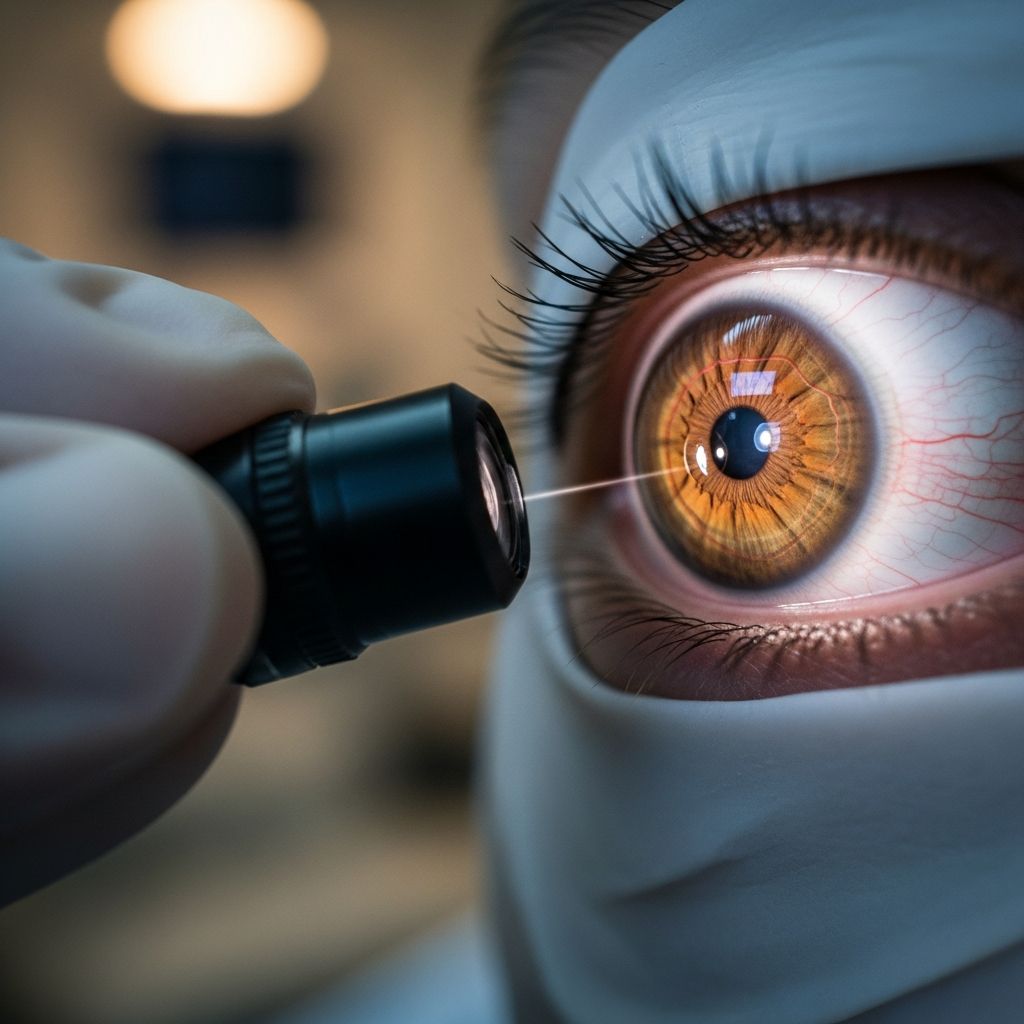
Vision is one of humanity’s most precious senses, yet many people neglect the simple preventive measure that can preserve it throughout their lives: regular eye screening. A comprehensive eye screening goes far beyond determining whether you need glasses or contacts. These evaluations represent a critical health assessment that can detect serious medical conditions long before you experience any symptoms. Understanding the importance of eye screening and establishing a routine examination schedule is essential for maintaining not only clear vision but also overall health and well-being.
The Silent Nature of Eye Disease
One of the most compelling reasons to prioritize eye screening is the deceptive nature of many vision-threatening conditions. Numerous eye diseases develop gradually without causing pain or noticeable symptoms in their early stages. This silent progression means that by the time you notice vision changes, irreversible damage may have already occurred. Conditions such as glaucoma, often referred to as the “silent thief of sight,” can permanently damage the optic nerve without any warning signs. Similarly, age-related macular degeneration and diabetic retinopathy progress quietly until significant vision loss has taken place. Regular eye screening acts as an early warning system, identifying these threats at stages when treatment can be most effective and vision-saving interventions can be implemented.
The contrast between symptomatic and asymptomatic eye disease underscores a fundamental principle of preventive healthcare: waiting for symptoms to appear is often too late. By the time most people notice vision problems, the disease has advanced considerably, making treatment more challenging and outcomes less favorable.
Detecting Common Eye Conditions Through Screening
Comprehensive eye screening can identify numerous conditions that affect millions of people worldwide. Understanding these treatable conditions highlights why regular screening should be a non-negotiable part of your healthcare routine.
Glaucoma and Optic Nerve Damage
Glaucoma represents one of the leading causes of irreversible blindness globally. During an eye screening, your eye care professional measures intraocular pressure and examines the optic nerve for signs of damage. Early detection allows for interventions such as medicated eye drops or surgical procedures that can slow or halt disease progression, preserving functional vision for decades.
Cataracts and Lens Clouding
Cataracts develop when the eye’s natural lens becomes progressively cloudier, typically associated with aging or prolonged sun exposure. Eye screening can detect cataracts in their initial stages, enabling monitoring before surgical intervention becomes necessary.
Age-Related Macular Degeneration
This condition affects central vision and becomes increasingly common with age. Screening can identify early signs of macular degeneration, allowing for interventions that may slow progression and maintain reading and recognition abilities longer.
Diabetic Retinopathy and Metabolic Eye Disease
For individuals with diabetes, eye screening serves as a crucial monitoring tool. High blood sugar damages blood vessels in the retina, potentially leading to vision loss. Regular screening detects these changes early, prompting better diabetes management and preventing complications.
Eyes as Windows to Systemic Health
Perhaps the most underappreciated benefit of eye screening is its role in detecting systemic diseases affecting the entire body. The eyes contain an intricate network of blood vessels and nerves that mirror those throughout the body, making them sensitive indicators of cardiovascular and metabolic health.
Related Stories



During a comprehensive eye exam, eye care professionals can observe signs of multiple serious conditions:
- Diabetes: Retinal changes, microaneurysms, and blood vessel damage often appear before other diabetic complications become apparent
- Hypertension: The blood vessels in the eye reflect the damage caused by elevated blood pressure, showing characteristic narrowing and hemorrhages
- High Cholesterol: Lipid deposits may be visible during eye examination, prompting further cardiovascular investigation
- Thyroid Disease: Orbital and eyelid changes can indicate thyroid dysfunction requiring medical attention
- Cardiovascular Disease: Artery blockages and atherosclerotic changes may be visible in retinal blood vessels
- Neurological Conditions: Pupil irregularities, optic nerve abnormalities, and eye movement disorders can indicate brain or nervous system issues
This capacity to detect over 270 systemic and chronic diseases makes eye screening an invaluable component of comprehensive preventive healthcare. Many people receive diagnoses of serious conditions through eye exams that subsequently prompt appropriate treatment with their primary care physicians.
Age-Specific Screening Guidelines and Recommendations
Eye screening needs vary throughout the lifespan, with different age groups requiring different examination frequencies and focus areas.
Children and Adolescents
Early childhood eye exams are crucial for detecting vision problems that could interfere with learning and development. Children often don’t realize they have vision problems, and undiagnosed issues can manifest as behavioral difficulties or learning disabilities mistakenly attributed to other causes. Comprehensive screening ensures healthy visual development during critical learning years.
Young and Middle-Aged Adults
Healthy adults between 19 and 60 years with no symptoms or risk factors should undergo comprehensive eye exams at least every two years. However, certain circumstances warrant more frequent screening, including contact lens wear, family history of eye disease, or existing health conditions like diabetes.
Adults Over 40
As people enter their 40s, age-related eye changes and diseases become increasingly common. Annual or more frequent eye screenings are recommended for this population to monitor for presbyopia, cataracts, macular degeneration, and glaucoma.
High-Risk Populations
Certain groups require more vigilant screening protocols. People with diabetes, hypertension, or family histories of eye disease should receive annual comprehensive exams. Additionally, individuals of African descent have higher glaucoma risk and benefit from more frequent screening.
Components of a Comprehensive Eye Screening
Understanding what occurs during a comprehensive eye exam helps demystify the process and emphasizes its value beyond simple vision correction.
Visual Acuity and Refraction Testing
The familiar eye chart examination measures how clearly you see at various distances and identifies refractive errors like myopia, hyperopia, and astigmatism that affect millions of people.
Intraocular Pressure Measurement
This painless test identifies elevated eye pressure, a primary risk factor for glaucoma. Early pressure elevation allows for preventive treatment before optic nerve damage occurs.
Peripheral Vision Assessment
Testing your side vision detects blind spots that may indicate glaucoma or neurological problems, particularly important for individuals who drive regularly.
Dilated Eye Examination
Dilating your pupils allows the eye care professional to examine the retina, optic nerve, and blood vessels thoroughly, enabling detection of macular degeneration, diabetic retinopathy, and systemic conditions.
Tonometry and Gonioscopy
These specialized tests measure eye pressure and examine the drainage structures within the eye, essential for glaucoma detection and risk assessment.
The Economic Value of Preventive Eye Screening
Beyond health preservation, regular eye screening offers significant financial benefits. Detecting eye diseases in early, more treatable stages costs substantially less than managing advanced conditions or recovering from preventable vision loss. The average cost of eyeglasses ranges around $250, while treating advanced glaucoma or macular degeneration can cost thousands of dollars annually. Early intervention prevents the expensive complications and vision rehabilitation expenses that accompany untreated disease progression. Furthermore, most vision insurance plans cover annual or biennial comprehensive exams, making preventive care both accessible and affordable.
Lifestyle Impact and Quality of Life Preservation
Clear vision fundamentally impacts daily functioning and independence. Beyond reading and computer work, vision enables safe driving, hobby enjoyment, and meaningful social connection. Age-related vision loss can force lifestyle restrictions, limiting activities and reducing quality of life. Regular eye screening detects changes early, enabling corrective measures that preserve the independence and activities that bring joy and purpose throughout life.
Frequently Asked Questions About Eye Screening
How often should I have my eyes examined?
Frequency depends on age, health status, and risk factors. Healthy adults aged 19-60 should have comprehensive exams every two years, while those over 40, with existing conditions, or taking certain medications should have annual exams.
Are eye exams covered by insurance?
Most vision insurance plans cover annual or biennial comprehensive exams as preventive care, making these crucial screenings both accessible and affordable.
Can eye exams detect cancer?
Yes, comprehensive eye exams can reveal signs of certain cancers through retinal changes and other ocular manifestations.
What if I don’t notice vision problems?
Many serious eye conditions develop without noticeable symptoms. This is precisely why regular screening is essential, as it detects problems before you notice anything wrong.
Are dilated eye exams necessary?
Yes, dilation allows thorough examination of the retina and optic nerve, essential for detecting numerous diseases that can’t be identified without it.
Taking Action for Vision Health
The path to lifelong vision health begins with a simple decision: committing to regular comprehensive eye screening. Finding a qualified vision care professional and scheduling routine examinations represents the single most important step you can take to preserve sight throughout life. The small time investment in regular eye exams today prevents years of potential vision loss and maintains independence, quality of life, and overall health as you age. Given the capacity of comprehensive eye screening to detect over 270 different diseases and conditions, these exams represent far more than vision correction—they constitute essential preventive healthcare that protects both your eyes and your entire body.
References
- Why Every Adult Needs Routine Eye Exams: Key Benefits for Visual Health — Ottawa Valley Vision. https://www.ottawavalleyvision.ca/why-every-adult-needs-routine-eye-exams-key-benefits-for-visual-health
- 5 Benefits of Eye Exams for Your Health — Mountain Eye Care. https://www.mountaineyecare.net/5-benefits-of-eye-exams-for-your-health-2/
- The Importance of Regular Eye Exams: What You Need to Know — Brooklin Vision. https://www.brooklinvision.ca/blogs/blog/1291420-the-importance-of-regular-eye-exams–what-you-need-to-know
- The Importance of Regular Eye Exams for Your Vision Health — Individual Eyes. https://individualeyes.ca/the-importance-of-regular-eye-exams-for-your-vision-health/
- What Diseases Can Be Detected in an Eye Exam? — Brantford Optometrist. https://brantfordoptometrist.ca/what-diseases-can-be-detected-in-an-eye-exam/
- Why Eye Exams Are Important | Vision and Eye Health — Centers for Disease Control and Prevention. https://www.cdc.gov/vision-health/about-eye-disorders/why-eye-exams-are-important.html
- See the Full Picture of Your Health with an Annual Comprehensive Eye Exam — American Optometric Association. https://www.aoa.org/healthy-eyes/caring-for-your-eyes/full-picture-of-eye-health
Similar Articles








Read full bio of Sneha Tete