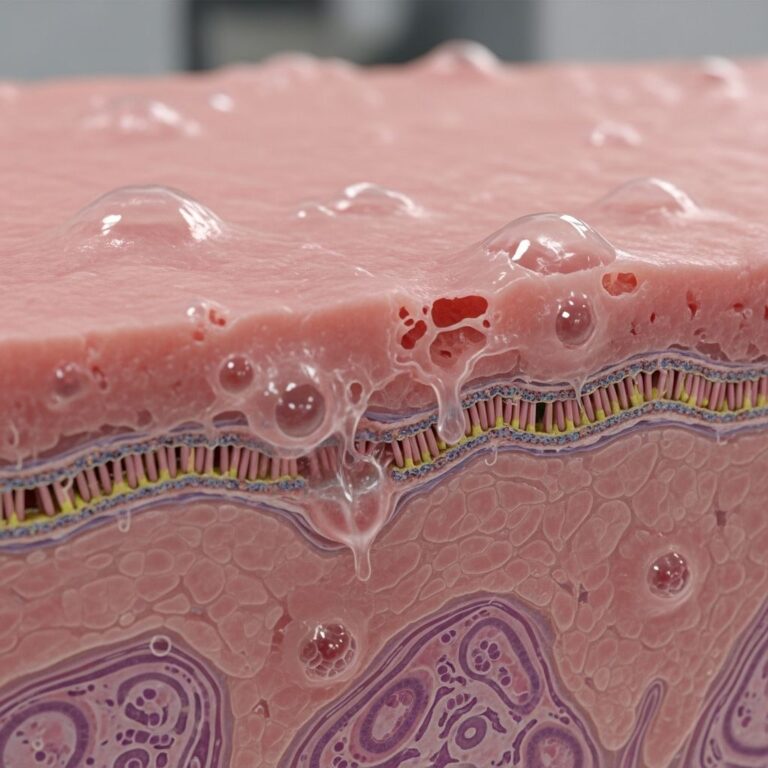
Comprehensive Guide to Surgical Care at Johns Hopkins
Explore expert surgical care, advanced technologies, and comprehensive patient support at Johns Hopkins.
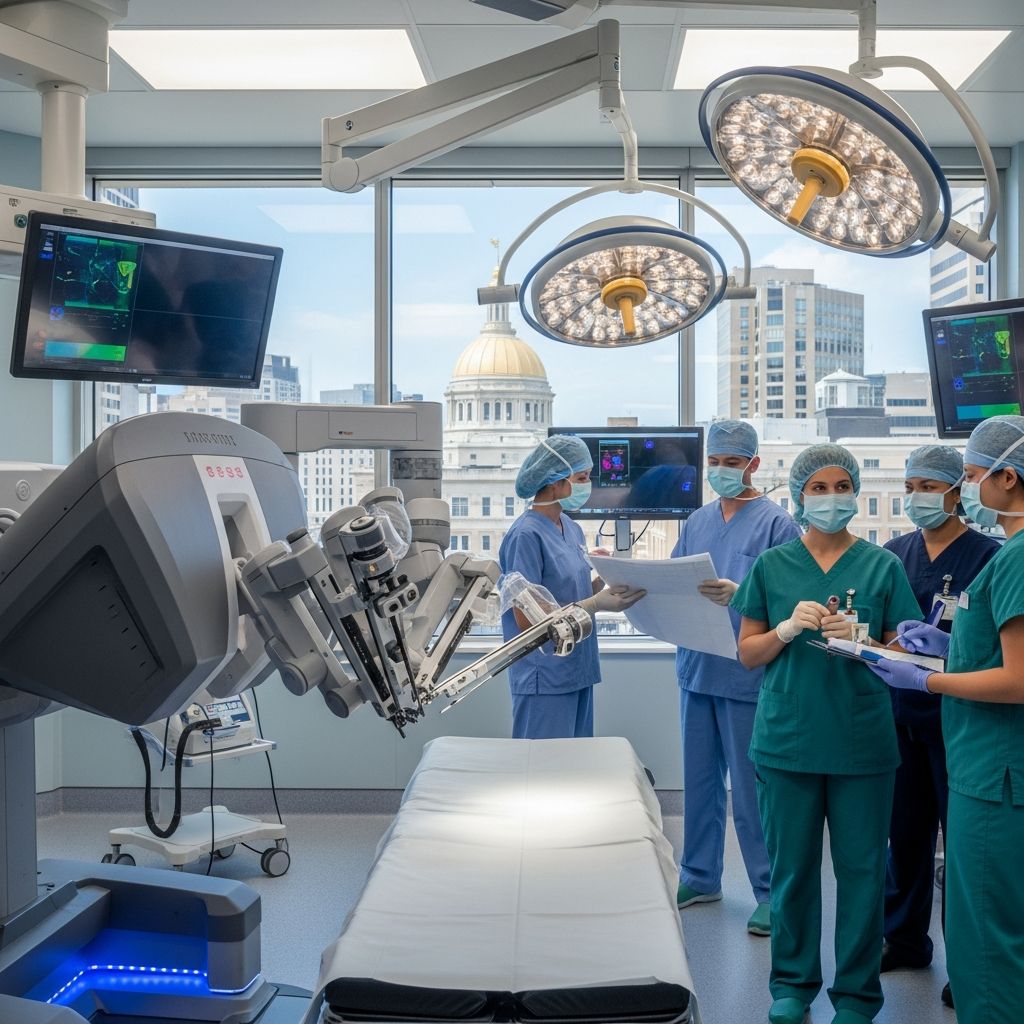
Understanding Surgical Care at Johns Hopkins
Johns Hopkins Medicine offers exceptional surgical care through dedicated expertise, cutting-edge technology, and comprehensive patient support. Their surgical services cover everything from routine to highly complex procedures, emphasizing personalized care plans and multidisciplinary collaboration to optimize outcomes.
Personalized Treatment Plans
A core principle at Johns Hopkins Surgery Center is tailoring surgical treatment to the unique needs of each patient. Surgeons and medical teams carefully review each individual’s medical history, current health status, and personal preferences to develop customized plans. This approach aims to maximize the chances of a successful procedure while addressing the distinct health requirements and goals of every patient.
Pre- and Post-Operative Care
- Preoperative preparation: Patients receive thorough support and education to understand their surgeries, prepare physically and mentally, and manage any existing health concerns prior to the procedure.
- Postoperative recovery: After surgery, patients benefit from comprehensive pain management, rehabilitation support, and guidance to safely resume daily activities. This continuity ensures smooth transitions from hospital to home care.
Wide Array of Surgical Services
Johns Hopkins caters to diverse surgical needs with a broad spectrum of services, including:
- Minimally invasive and laparoscopic surgeries
- Robotic-assisted procedures
- Complex surgical oncology interventions
- Advanced approaches in cardiac, neurosurgery, orthopedic, and plastic surgery specialties
The center’s specialists perform over 40,000 surgeries annually, achieving high levels of patient satisfaction and consistently excellent outcomes.
Expertise and Specialization of Surgical Staff
Johns Hopkins boasts a prestigious roster of board-certified surgeons who are leaders in their specialties. This depth of expertise ensures patients receive focused, state-of-the-art care in their surgical domains.
| Specialty | Expertise | Key Surgeons |
|---|---|---|
| Cardiac Surgery | Minimally invasive valve repair, heart transplantation | Dr. John Doe, Dr. Jane Smith |
| Neurosurgery | Complex brain tumor resections, cerebrovascular surgery | Dr. Richard Roe, Dr. Alice Jones |
| Orthopedic Surgery | Joint replacement, spinal surgery | Dr. Thomas Brown, Dr. Emily Davis |
| Plastic Surgery | Reconstructive surgery, aesthetic procedures | Dr. Michael Miller, Dr. Elizabeth Wilson |
Multidisciplinary Approach to Surgical Care
Collaboration is fundamental at Johns Hopkins. The surgical care process involves coordinated efforts among surgeons, anesthesiologists, nurses, physical therapists, and pain management specialists to ensure the best possible outcomes.
- Preoperative planning: Comprehensive evaluation of a patient’s medical history, diagnostic tests, and surgical strategy development prioritizing safety and efficiency.
- Intraoperative care: Coordinated teamwork during the operation, involving precision techniques and real-time monitoring.
- Postoperative recovery: Integrated rehabilitation and symptom management to facilitate quick, comfortable healing.
Innovations and Technological Advancements
Johns Hopkins leads numerous pioneering surgical research projects aimed at transforming surgical care. Notable advancements include:
- Miniaturized instruments allowing less invasive procedures
- Advanced imaging for guidance during operations
- Development of biomaterials promoting tissue regeneration
- Use of robotic-assisted surgery to increase precision and reduce recovery time
These innovations have helped define modern surgical practice and continue to improve safety, accuracy, and patient outcomes globally.
The Geriatric Surgery Program at Johns Hopkins
Johns Hopkins Bayview Medical Center specializes in surgical care for older adults, addressing the unique challenges posed by aging, frailty, and coexisting medical conditions.
Recognizing Frailty and Risk Mitigation
Related Stories



Frailty significantly impacts surgical outcomes in older patients. Johns Hopkins implements protocols to identify vulnerable patients early, aligning with guidelines from the American College of Surgeons and American Geriatric Society. These protocols aim to ensure safer surgeries and better preservation of quality of life for elderly patients.
Enhanced Recovery Pathways
The Enhanced Recovery Pathway (ERP) adopted by Johns Hopkins for major abdominal surgery has demonstrated:
- Significant reduction in hospital length of stay (average reduction of 2 days)
- 50% decrease in hospital-acquired complications
- 9% increase in patient satisfaction
Since 2018, the hospital expanded this model into a multidisciplinary, hospital-wide Geriatric Surgery Pathway, achieving:
- Over 70% reduction in discharge to skilled nursing facilities
- 30% decrease in postoperative complications
Geriatric Surgery Care Pathway Overview
This care pathway integrates best practices for perioperative care of older adults, focusing on tailored risk assessments, optimization before surgery, and coordinated post-surgical rehabilitation aimed at swift safe recovery.
Education and Training in Surgical Sciences
Johns Hopkins provides robust education for medical students and surgical trainees through diverse rotations across general and specialized surgical fields, including:
- General Surgery
- Cardiac Surgery
- Neurosurgery
- Orthopedic Surgery
- Plastic Surgery
- Thoracic Surgery
- Transplant Surgery
- Vascular Surgery
- Otolaryngology (Head and Neck Surgery)
Students rotate through both high-acuity teaching hospitals and affiliated community hospitals to gain broad clinical experience. They participate in inpatient ward work, outpatient care, surgical assistance, and critical care environments, enabling well-rounded surgical education.
Outpatient and Inpatient Surgical Work
Clinical training involves working in a variety of settings including:
- Inpatient wards: Managing patients before and after surgery
- Operating rooms: Assisting in surgeries and understanding intraoperative decision-making
- Intensive care units: Learning postoperative critical care, especially in specialties like cardiac and thoracic surgery
- Outpatient clinics: Surgical consultations, follow-ups, and minimally invasive procedures
Frequently Asked Questions (FAQs)
What types of surgeries are performed at Johns Hopkins Surgery Center?
Johns Hopkins offers a wide variety of surgeries, including minimally invasive, robotic-assisted, cardiac, neurosurgical, orthopedic, oncologic, and plastic surgeries, among others.
How does Johns Hopkins ensure patient safety during surgery?
Safety is ensured through personalized treatment plans, multidisciplinary coordination, advanced surgical technologies, strict preoperative assessments, and comprehensive postoperative care.
What makes the Geriatric Surgery Program at Johns Hopkins unique?
The program specializes in surgery for patients 65 and older, focusing on recognizing frailty, applying enhanced recovery protocols, and coordinating multidisciplinary care to reduce complications and improve quality of life.
How are medical students trained in surgery at Johns Hopkins?
Students rotate through multiple surgical specialties across community and academic hospitals, gaining hands-on experience in operating rooms, wards, and outpatient clinics, supported by expert faculty and surgeons.
References
- Johns Hopkins Surgery Center Review — High Point Surgery Center. 2025-11-10. https://highpointsurgerycenter.com/johns-hopkins-surgery-center-review.html
- The Geriatric Surgery Program at Johns Hopkins — Frailty Science. 2023-07-18. https://frailtyscience.org/geriatric-surgery-program-johns-hopkins/
- Surgery | Johns Hopkins University Academic Catalogue — Johns Hopkins University. 2024-01-15. https://e-catalogue.jhu.edu/medicine/medical-students/subjects-instruction/section-surgical-sciences/
Similar Articles








Read full bio of medha deb