Compression Therapy: 6 Key Benefits For Faster Healing
Compression therapy uses elastic garments or bandages to treat venous and lymphatic disorders by improving circulation and reducing swelling.
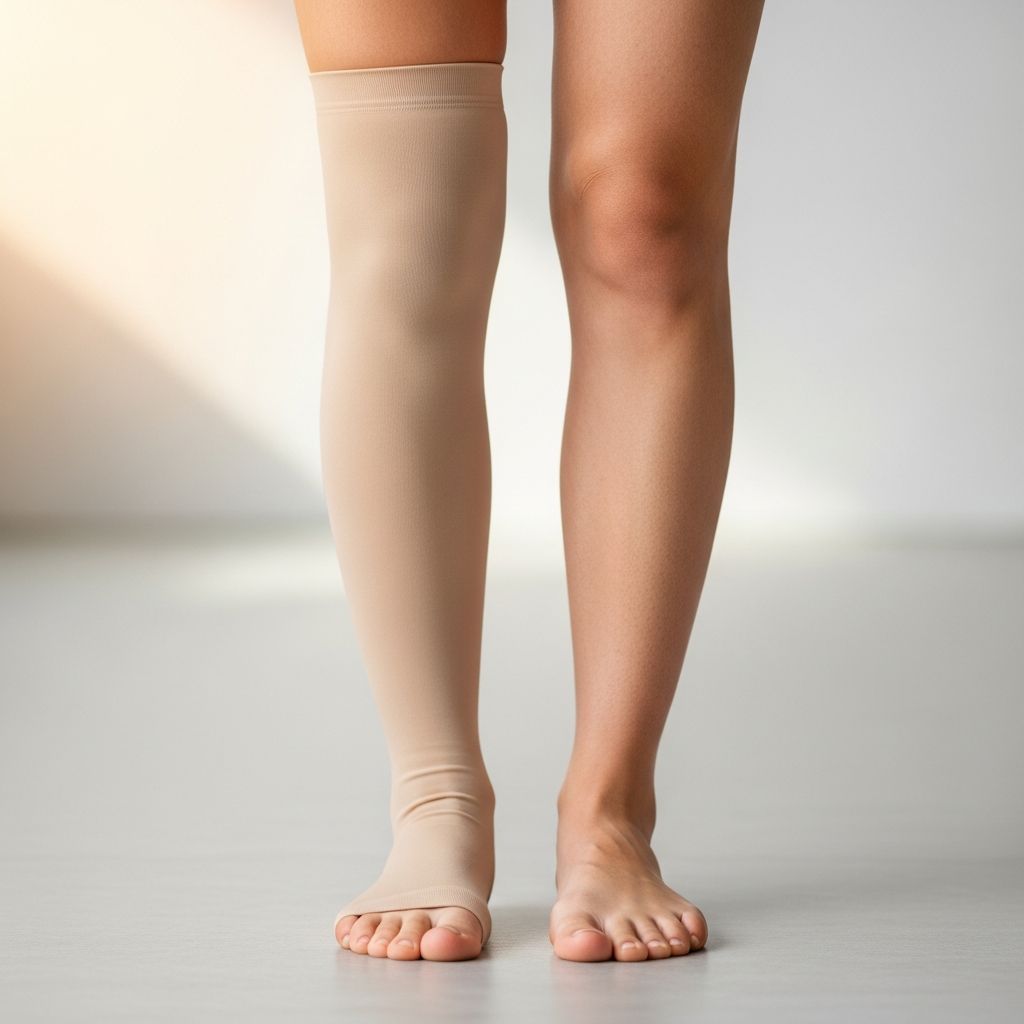
Compression therapy involves the application of external pressure to the skin to promote venous and lymphatic drainage, reduce oedema, and improve circulation. It is a cornerstone treatment for chronic venous insufficiency, varicose veins, leg ulcers, and lymphoedema.
What is compression therapy?
Compression therapy applies controlled mechanical pressure to the limbs, primarily the legs, using elastic bandages, stockings, or garments. The pressure is graduated, meaning it is highest at the distal end (ankles or feet) and decreases proximally towards the thigh or knee. This gradient counteracts gravity, facilitating venous return to the heart and preventing fluid accumulation in tissues.
The primary mechanisms include:
- Reducing venous hypertension by narrowing superficial veins and increasing deep vein flow velocity.
- Improving lymphatic drainage by mechanically supporting fluid transport.
- Decreasing capillary filtration and oedema formation through anti-inflammatory effects.
- Enhancing arterial inflow while protecting microcirculation.
Clinical evidence confirms compression therapy significantly reduces leg volume, pain, and ulcer recurrence rates in venous disease.
Who needs compression therapy?
Compression therapy is indicated for:
- Chronic venous insufficiency (CVI): Including varicose veins, venous eczema, and lipodermatosclerosis.
- Venous leg ulcers: Heals ulcers faster than other therapies and prevents recurrence.
- Lymphoedema: Primary or secondary, to maintain limb volume and shape.
- Post-thrombotic syndrome: After deep vein thrombosis (DVT).
- Oedema from heart failure, pregnancy, or prolonged immobility.
- Prevention: DVT prophylaxis in hospitalised patients or during long flights.
Athletes and post-surgical patients also benefit from improved recovery and reduced swelling.
Types of compression therapy
Compression systems are classified by:
- Static vs. dynamic: Static provides constant pressure; dynamic (pneumatic) delivers intermittent pressure.
- Elasticity: Inelastic (short-stretch) for high working pressure; elastic (long-stretch) for sustained pressure.
- Multi-layer systems: Combine layers for adjustable, sustained compression.
| Type | Pressure Profile | Applications |
|---|---|---|
| Short-stretch bandages | High working/low resting pressure | Ulcers, acute oedema |
| Long-stretch bandages | Sustained pressure | Chronic maintenance |
| Multi-layer (4-layer) | Graduated, adjustable | Venous ulcers, severe CVI |
| Compression stockings | Class I-IV (15-60 mmHg) | Daily wear, prevention |
| Pneumatic devices | Sequential, intermittent | Lymphoedema, post-op |
Graduated compression stockings are classified by pressure: Class 1 (15-21 mmHg) for mild symptoms; Class 4 (>40 mmHg) for severe disease.
Benefits of compression therapy
Key benefits, supported by clinical studies, include:
- Improved circulation: Increases venous velocity, reduces reflux, and prevents blood pooling.
- Reduced swelling: Decreases oedema by 30-50% in weeks.
- Pain relief: Alleviates discomfort from venous hypertension.
- Faster healing: Venous ulcers heal 50% quicker; reduces recurrence.
- Lymphatic support: Maintains limb shape in lymphoedema.
- Athletic recovery: Reduces lactic acid, increases oxygen delivery.
How to apply compression therapy
Proper application is critical to avoid complications:
- Measure limb: At ankle, calf, and thigh for correct sizing.
- Clean and elevate limb before dressing.
- Apply padding: Soft layer over skin/bony prominences.
- Bandage technique: 50% overlap, figure-of-8 for ankle, spiral for calf. Aim for 30-40 mmHg at ankle.
- Secure and check: Ensure no creases; toes remain pink and warm.
Related Stories



Reapply daily or as needed; monitor for slippage.
Compression regimens
Sustained compression
Long-term use of stockings for CVI maintenance.
Multi-layered bandaging
4-layer system (e.g., Charing Cross): Wool, crepe, elastocrep, cohesive. Provides ~40 mmHg.
Unna’s boot
Zinc oxide paste gauze for ulcers; hardens to inelastic shell.
CircAid
Velcro-adjustable devices for self-management.
Intermittent pneumatic compression
Pumps deliver sequential pressure; used 1-2 hours daily for lymphoedema.
Precautions and contraindications
Contraindications:
- Arterial insufficiency (ABI <0.8).
- Uncontrolled heart failure.
- Cellulitis or infected ulcers.
- Severe peripheral neuropathy.
Precautions: Monitor for pain, pallor, or paraesthesia (“3 P’s”). Start low pressure in frail patients.
Complications
Rare but include:
- Pressure necrosis from over-tightening.
- Allergic reactions to adhesives.
- Worsening ischaemia if arterial disease present.
Patient education
Instruct on:
- Daily skin care and moisturizing.
- Leg elevation 15-30 min several times/day.
- Exercise: Ankle pumps, walking.
- When to seek help: Increased pain/swelling.
Frequently asked questions
How long should compression stockings be worn?
16-24 hours daily for chronic conditions; remove at night if tolerated.
Can anyone wear compression therapy?
No; arterial Doppler assessment required first to rule out contraindications.
Does compression therapy cure varicose veins?
It manages symptoms and prevents progression but does not eliminate veins; combine with sclerotherapy or surgery if needed.
How often to change bandages?
Daily for multi-layer systems; weekly for some paste boots.
Is compression therapy painful?
Initially tight but should relieve pain; adjust if discomfort persists.
References
- Overview of Compression Therapy Benefits — OVIK Health. 2023. https://ovikhealth.com/overview-of-compression-therapy-benefits/
- What Are the Benefits of Compression Therapy? — Tactile Medical. 2024. https://tactilemedical.com/resource-hub/resources/what-are-the-benefits-of-compression-therapy/
- Compression Therapy: Clinical and Experimental Evidence — National Center for Biotechnology Information (PMC). 2013-06-20. https://pmc.ncbi.nlm.nih.gov/articles/PMC3641539/
- Benefits of Compression Therapy for DVT and Circulation — WebMD. 2024. https://www.webmd.com/dvt/benefits-of-compression-therapy
- What is Compression Therapy? Key Facts and Benefits — JOBST USA. 2024. https://www.jobst-usa.com/compression-therapy/about-compression/what-is-compression
- 5 Benefits of Compression Therapy — Evolve PT. 2023. https://www.evolvept.com/5-benefits-of-compression-therapy-who-should-seek-compression-therapy-treatment/
- Benefits of Compression Therapy — Restore. 2024. https://www.restore.com/services/compression
Similar Articles








Read full bio of Sneha Tete