Compulsive Hand Washing: 3 Treatments For Skin And OCD
Understanding compulsive hand washing in OCD: causes, skin effects, diagnosis, and effective treatments for relief.

Compulsive hand washing is a hallmark symptom of obsessive-compulsive disorder (OCD), where individuals perform excessive, ritualistic hand washing to alleviate intense anxiety from fears of contamination. This behaviour often leads to severe skin damage on the hands, manifesting as hand dermatitis, and significantly impairs daily life.
Introduction
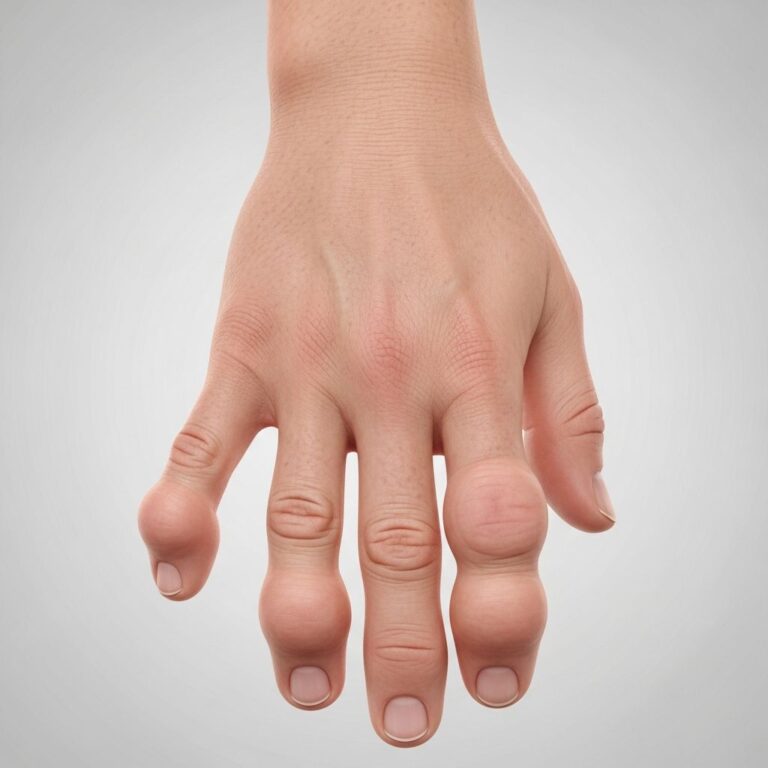
Patients with compulsive hand washing engage in repetitive washing cycles—sometimes 50–100 times daily—to counter obsessive fears of germs or contamination. While intended to reduce distress, this compulsion exacerbates or causes skin conditions like irritant contact dermatitis from soaps and detergents. As a psychodermatological disorder, it bridges mental health and dermatology, affecting quality of life profoundly. Common physical signs include dry, red, irritated skin, eczema, blistering, scaling, itching, small cuts prone to infection, and pigmentation changes.
The compulsion stems from OCD, defined by intrusive obsessions (persistent thoughts, images, or urges) and compulsions (repetitive behaviours to neutralize anxiety). Individuals often recognize the irrationality of their actions but feel compelled to continue, delaying help until symptoms become chronic.
Demographics
OCD has a worldwide lifetime prevalence of approximately 2%. Among OCD patients, about 16% exhibit washing compulsions, primarily compulsive hand washing. It affects all ages but often emerges in adolescence or early adulthood, with no strong gender bias, though contamination fears are common across demographics. Contamination OCD, including hand washing, is one of the most prevalent subtypes.
Causes
The aetiology of OCD and compulsive hand washing involves a complex interplay of biological, genetic, and psychosocial factors. Neurotransmitter imbalances, particularly serotonin dysregulation, are implicated, as evidenced by the efficacy of selective serotonin reuptake inhibitors (SSRIs) in treatment. Genetic predisposition plays a role, with family studies showing heritability.
Psychologically, compulsions are learned responses conditioned to reduce anxiety from obsessions like germ fears or harm to others. Triggers may include phobias, illness anxiety disorders, stress, or past trauma, such as infections leading to germ hypervigilance. In OCD, rituals are highly structured (e.g., washing in specific patterns or durations), distinguishing it from mere anxiety-driven washing. Environmental stressors can exacerbate symptoms, creating a vicious cycle where washing temporarily relieves but reinforces anxiety.
Clinical Features
Compulsive hand washing inflicts inflammatory, degenerative, and infective damage to both dorsal and palmar hand surfaces. Acute features include redness, oedema, and weeping from irritant contact dermatitis caused by frequent soap exposure. Chronic changes encompass xerosis (dry skin), scaling, fissuring, lichenification, and hyperkeratosis. Pre-existing conditions like atopic or allergic contact dermatitis worsen.
- Dry, red, or irritated skin: From repeated water and detergent exposure.
- Eczema, blistering, or scaling: Leading to painful cracks.
- Frequent itching and small cuts: Increasing infection risk.
- Pigmentation changes: Hyper or hypopigmentation from chronic irritation.
Ritualistic patterns, such as washing for fixed durations or specific sequences, are hallmarks. Patients report high anxiety if rituals are interrupted, interfering with work, relationships, and self-care.
Diagnosis
Diagnosis relies on a thorough history and examination, approached empathetically to build trust. Key is identifying obsessive contamination fears driving ritualistic washing that consumes excessive time (e.g., >1 hour daily) and causes distress. Patients often admit awareness of irrationality but inability to stop.
Differential diagnoses include:
- Atopic dermatitis
- Allergic contact dermatitis
- Irritant contact dermatitis
- Psoriasis
- Tinea manuum
- Scabies
The distinguishing feature is the psychological compulsion; skin biopsy or patch testing may rule out mimics. Standardized OCD scales like the Yale-Brown Obsessive Compulsive Scale aid confirmation. Coexisting conditions like depression or anxiety disorders should be screened.
Treatment
Management is multimodal, targeting both psychiatric and dermatological aspects through dermatologist-psychiatrist collaboration.
Related Stories



Psychiatric Treatment
First-line pharmacotherapy: SSRIs (fluoxetine, sertraline, paroxetine) at therapeutic doses for ≥3 months, often higher than for depression. Evidence from trials shows 40–60% response rates.
Psychotherapy: Cognitive behavioural therapy (CBT) with exposure and response prevention (ERP) is gold standard[10]. ERP involves gradual exposure to contamination triggers without washing, building tolerance to anxiety. Sessions may start with imagining dirt, progressing to touching objects and delaying washing. Success rates exceed 70% with adherence[10].
Support groups, hypnosis, and mindfulness complement core therapies.
Dermatological Treatment
Emollients (fragrance-free) applied frequently to restore barrier function. Topical corticosteroids (potent for acute flares) and calcineurin inhibitors for inflammation. Antimicrobials for secondary infections. Avoid irritants; recommend mild cleansers if washing occurs.
| Category | Treatment Options | Duration/Notes |
|---|---|---|
| Pharmacological | SSRIs (e.g., sertraline 50–200mg) | ≥12 weeks; monitor side effects |
| Psychotherapy | ERP-CBT (weekly sessions) | 12–20 sessions; homework essential |
| Skincare | Emollients + topical steroids | Daily; taper steroids |
Outcome
With integrated care, most achieve significant symptom reduction. Early intervention prevents chronic skin damage and improves function. Relapse is possible under stress; maintenance therapy and coping strategies are key. Long-term prognosis is favourable, with 60–80% remission in adherent patients. Ongoing monitoring ensures sustained recovery.
Frequently Asked Questions (FAQs)
Q: How often do people with compulsive hand washing wash their hands?
A: Up to 50–100 times daily, often in ritualistic patterns lasting minutes each.
Q: Can compulsive hand washing cause permanent skin damage?
A: Yes, chronic washing leads to irreversible changes like lichenification if untreated.
Q: Is medication alone enough for treatment?
A: No; combining SSRIs with ERP yields best outcomes.
Q: How long does ERP therapy take to work?
A: Noticeable improvement in 8–12 weeks; full benefits in 3–6 months[10].
Q: What if I have OCD and skin issues already?
A: Treat both concurrently; compulsions often worsen pre-existing dermatitis.
References
- Compulsive hand washing – DermNet — DermNet NZ. 2023. https://dermnetnz.org/topics/compulsive-hand-washing
- Compulsive hand washing: Why can’t I stop washing my hands? — TreatMyOCD. 2024. https://www.treatmyocd.com/blog/compulsive-handwashing
- Obsessive-compulsive disorder (OCD) – Symptoms and causes — Mayo Clinic. 2025-01-15. https://www.mayoclinic.org/diseases-conditions/obsessive-compulsive-disorder/symptoms-causes/syc-20354432
- Hand washing OCD — OCD Clinic Sydney. 2024. https://www.ocdclinicsydney.com.au/post/hand-washing-contamination-ocd
- OCD and Contamination — International OCD Foundation. 2023. https://iocdf.org/expert-opinions/expert-opinion-contamination/
Similar Articles








Read full bio of Sneha Tete