Compulsive Skin Picking: 3 Proven Treatment Strategies
Understanding dermatillomania: causes, symptoms, impacts, and effective treatments for compulsive skin picking disorder.
Compulsive skin picking, also known as
dermatillomania
,pathological skin picking
, orneurotic excoriations
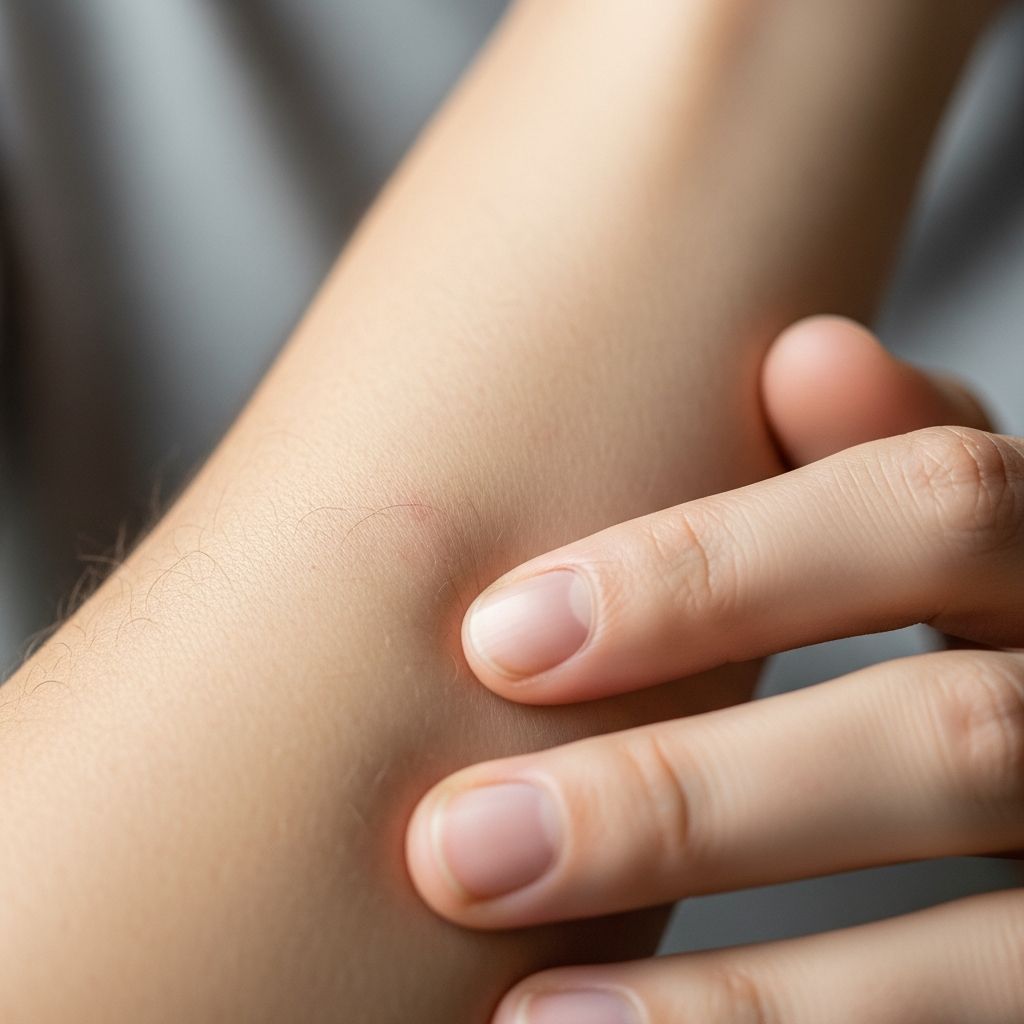
, is a body-focused repetitive behaviour disorder characterised by the repetitive and compulsive picking of one’s own skin. This leads to skin lesions, open sores that may bleed, tissue damage, and often scarring or infection. Individuals may target normal skin variations like freckles, pre-existing defects such as scabs or acne, or even imagined imperfections not visible to others. Tools beyond fingernails, such as teeth, tweezers, blades, or pins, are commonly used, exacerbating damage.Who is affected by compulsive skin picking? It appears more prevalent in women than men and frequently begins in adolescence, though it can occur at any age. Estimates suggest it affects about 2% of dermatology clinic patients, with community surveys indicating 5.4% experience clinical levels of distress from skin picking. Co-morbidities are common, including major depression, anxiety disorders, and obsessive-compulsive disorder (OCD), with one study finding 52% of patients also diagnosed with OCD. Substance abuse, such as methamphetamine or cocaine, and organic conditions like anaemia, uraemia, or liver disease may contribute.
What causes compulsive skin picking?
The exact aetiology of compulsive skin picking remains multifactorial, involving psychological, neurological, and environmental triggers. High levels of tension, anxiety, or stress often precede episodes, accompanied by an irresistible urge to pick. Certain situations or events act as triggers, and the act itself may provide temporary relief, pleasure, or gratification, reinforcing the behaviour. In some cases, it manifests as an unconscious habit, while others are acutely aware yet unable to stop.
Psychiatric links are prominent: it shares features with OCD, where obsessions about skin imperfections drive compulsive picking. Body dysmorphic disorder (BDD) and other grooming disorders like trichotillomania (hair-pulling) or onychophagia (nail-biting) often co-occur, suggesting a shared ‘pathological grooming’ factor. Neuroimaging studies imply dysregulation in the basal ganglia and cortico-striatal circuits, similar to OCD. Genetic predispositions and early life stress may heighten vulnerability, though no single gene is identified.
Organic causes must be ruled out: systemic illnesses causing pruritus (itch) or delusions, such as thyroid disease, renal failure, or hepatic encephalopathy, can mimic or trigger picking. In children, it is the most common factitial (self-inflicted) skin disease.
Acne excoriée: A subtype of compulsive picking
**Acne excoriée** (or acné excoriée des jeunes filles) is a specific form where individuals compulsively pick at acne lesions or perceived pimples, leading to excoriations, post-inflammatory pigmentation, and scars despite minimal or resolved active acne. Patients may squeeze until tissue is extracted, perpetuating a cycle of itch, infection, and further picking.
It predominantly affects adolescent and young adult females with late-onset acne. Examination reveals scratch marks and sores rather than comedones or papules. Treatment addresses any residual acne with topicals (benzoyl peroxide, retinoids) while targeting the picking habit. Severe cases overlap with full compulsive skin picking disorder, requiring psychological intervention.
Related Stories



Clinical features and symptoms
Skin picking episodes vary in awareness: some are deliberate responses to stress, others automatic. Common sites include the face (most frequent), arms, hands, legs, and scalp, though any area is vulnerable. Lesions range from superficial erosions to deep ulcers with haemorrhage, crusting, and secondary bacterial infection.
- Mild cases: Erythema, small scabs, and hypopigmentation from healed picks.
- Moderate cases: Multiple excoriations, bruising, and lichenification (thickened skin) from chronic rubbing.
- Severe cases: Large wounds requiring dressings, cellulitis, or disfiguring scars.
Associated features include shame, avoidance of social exposure (e.g., heavy makeup or clothing to conceal), and functional impairment. Picking may extend to nails or cuticles, resembling onychophagia or paronychia. Images depict facial excoriations, nail dystrophy, leukoderma from picking, and scalp alopecia.
Psychosocial impact
Beyond physical harm, compulsive skin picking profoundly affects mental health and quality of life. Sufferers experience embarrassment, low self-esteem, and isolation, often avoiding relationships or work. Chronic cases lead to permanent scarring, amplifying body image distress akin to BDD. Depression and anxiety exacerbate the cycle, with some turning to substance abuse. In dermatology settings, OCD-related behaviours like this are 22% prevalent vs. 3.5% in the general population.
Diagnosis
Diagnosis is clinical, based on history of repetitive picking causing lesions without primary dermatosis. Differentiate from pruritic diseases (scabies, eczema), delusions of parasitosis, or artefact syndromes. Tools include the Skin Picking Scale (SPS) or Yale-Brown Obsessive Compulsive Scale modified for skin picking (Y-BOCS-Skin Picking). Rule out medical causes via blood tests (CBC, LFTs, TFTs). Dermatology referral is key for biopsy if malignancy suspected from chronic ulcers.
Treatment options
Treatment is tailored to severity, awareness, and comorbidities, combining psychotherapy, pharmacotherapy, and habit aids. Multidisciplinary care involving dermatologists, psychologists, and psychiatrists yields best outcomes.
Psychotherapy
Habit Reversal Training (HRT) is first-line for unconscious habits: increases awareness of triggers, teaches competing responses (e.g., fist-clenching), and uses social support. Exposure and Response Prevention (ERP) suits OCD-like cases post-HRT: prolonged exposure to urges without picking. Cognitive Behavioural Therapy (CBT) addresses underlying anxiety, perfectionism, and negative thoughts. Acceptance and Commitment Therapy (ACT) promotes mindfulness and value-based living despite urges.
Medications
SSRIs (fluoxetine 20-60mg, sertraline 50-200mg, etc.) are effective, especially with OCD/depression, response rates ~40-60%. N-acetylcysteine (NAC) 1200-3000mg/day modulates glutamate, showing promise in trials. Antipsychotics (low-dose) for resistant cases; anxiolytics short-term. Treat acne excoriée with topical retinoids/antibiotics alongside.
Adjunctive measures
- Wear gloves or bandages over target areas.
- Keep skin moisturized to reduce ‘imperfections’.
- Distraction: fidget toys, stress balls during urges.
- Address comorbidities (e.g., acne therapy).
Prognosis improves with early intervention; ~70% achieve significant reduction with combined therapy. Relapse common under stress; maintenance CBT advised.
Frequently asked questions
Who gets compulsive skin picking?
It affects more women, starting in adolescence, with strong links to OCD, anxiety, and depression.
Is compulsive skin picking the same as acne picking?
Acne excoriée is a subtype focused on pimples; general picking targets any skin.
How do I stop skin picking?
HRT, CBT, SSRIs; track triggers, use barriers like gloves.
Can skin picking cause permanent damage?
Yes, scarring, infection, disfigurement possible in severe cases.
Is there a medication that cures it?
No cure, but SSRIs and NAC reduce urges effectively.
| Treatment | Best For | Efficacy | Side Effects |
|---|---|---|---|
| HRT/CBT | Unconscious habits, triggers | High (60-80%) | Minimal |
| SSRIs | OCD-comorbid | Moderate (40-60%) | GI upset, sexual dysfunction |
| NAC | Glutamate dysregulation | Promising | Gastrointestinal |
References
- Compulsive skin picking — DermNet NZ. 2014-02-23. https://dermnetnz.org/topics/compulsive-skin-picking
- Neurotic excoriation and acne excoriée — Patient.info. 2023. https://patient.info/doctor/dermatology/neurotic-excoriation-and-acne-excoriee
- Acne excoriée — DermNet NZ. 2023. https://dermnetnz.org/topics/acne-excorie
- Psychosocial factors in dermatology — DermNet NZ. 2023. https://dermnetnz.org/topics/psychosocial-factors-in-dermatology
- Dermatillomania (Skin Picking) — Psychology Today. 2023. https://www.psychologytoday.com/us/conditions/dermatillomania-skin-picking
Similar Articles








Read full bio of medha deb