Computer Glasses: What Research Shows And Practical Tips
Uncover the science behind computer glasses and discover proven strategies to ease digital eye strain without falling for marketing hype.
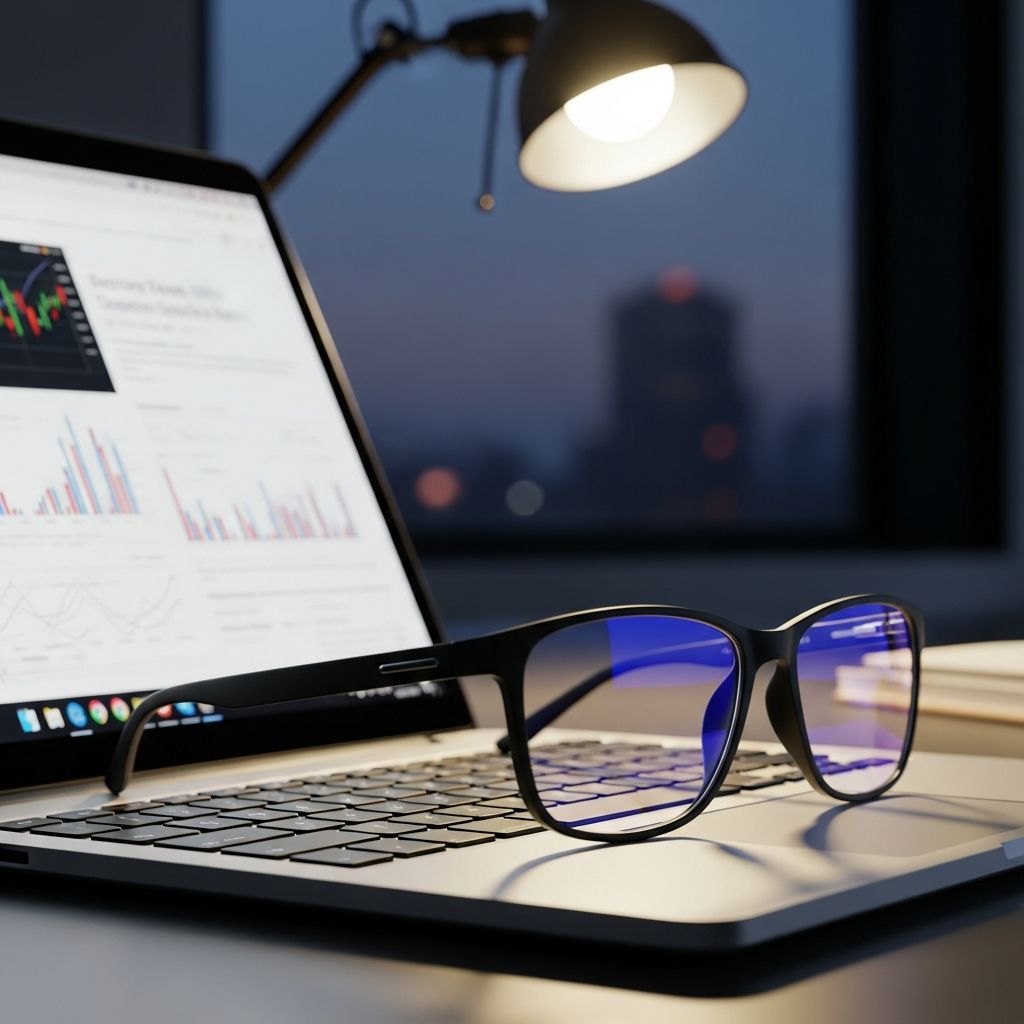
In today’s screen-saturated world, many people experience discomfort from prolonged digital device use, prompting questions about specialized eyewear like computer glasses. These lenses promise relief from eye fatigue, but scientific scrutiny reveals a more nuanced picture. High-quality reviews indicate that blue light-filtering glasses offer little benefit for reducing strain during computer work, though tailored options may help in specific cases.
Understanding Digital Eye Strain
Digital eye strain, often called computer vision syndrome, includes symptoms like dry eyes, blurred vision, headaches, and neck pain after hours on screens. It stems from reduced blinking, glare, and focusing demands rather than light wavelengths alone. The American Academy of Ophthalmology notes no evidence that screen light damages eyes differently from natural light.
Workers in tech-heavy fields report high rates of these issues, yet solutions marketed as “blue light blockers” dominate shelves. These glasses tint lenses to filter short-wavelength blue light, claiming to ease fatigue and protect retinas. However, rigorous studies challenge these assertions.
The Science on Blue Light and Eye Health
Blue light from screens is a fraction of what sunlight delivers—daylight contains thousands of times more. Concerns about retinal damage lack substantiation; no high-quality evidence links typical screen exposure to macular harm.
A landmark 2023 Cochrane systematic review analyzed 17 randomized controlled trials involving hundreds of participants. It found blue light-filtering lenses do not reduce eye strain symptoms over short-term use compared to clear lenses. Visual fatigue scores showed no meaningful differences, with low-certainty evidence for metrics like critical flicker-fusion frequency.
- Trials lasted from hours to five weeks, covering diverse groups including healthy adults and those with sleep issues.
- Most studies had bias risks, particularly from unmasked participants, but overall findings were consistent: no strain relief.
- Secondary outcomes like sleep quality and alertness showed unclear or null effects.
Earlier research echoes this: a 2017 review in Ophthalmic and Physiological Optics found insufficient evidence for improved visual performance or sleep with blue blockers. Mayo Clinic and UC Davis Health concur, emphasizing no vision or sleep gains.
Do Blue Light Glasses Deliver?
Marketed aggressively, these glasses filter 10-30% of blue light, yet evidence shows minimal impact. A 2021 American Journal of Ophthalmology study reported no strain reduction versus regular lenses during extended sessions.
| Lens Type | Blue Light Filtration | Evidence for Strain Relief | Potential Drawbacks |
|---|---|---|---|
| Standard Blue Blockers | 20-30% | None significant | Minimal color distortion |
| Enhanced Tinted | 50-70% | Little to none | Affects color perception |
| Maximum Protection | Up to 99% | Not recommended for daily use | High color distortion |
While evening use might slightly aid sleep by preserving melatonin, daytime benefits for eyes are unproven. Experts advise skepticism toward online purchases without professional input.
Effective Alternatives to Computer Glasses
Related Stories



Instead of unproven filters, prioritize evidence-based strategies. Ophthalmologists recommend the 20-20-20 rule: every 20 minutes, look 20 feet away for 20 seconds. This combats reduced blinking, which dries eyes during screen time.
- Optimize Workspace: Position screens at arm’s length, top at eye level, and use matte anti-glare filters.
- Lighting Control: Avoid overhead glare; use indirect ambient light matching screen brightness.
- Blink Exercises: Consciously blink more to maintain tear film.
- Regular Eye Exams: Detect underlying issues like uncorrected prescriptions.
Custom computer glasses differ from blue blockers. Prescribed for intermediate distances (e.g., 20-26 inches to screen), they reduce focusing effort. Anti-reflective coatings cut glare effectively, providing real relief when fitted by professionals.
Who Might Benefit from Specialized Lenses?
Not everyone needs computer glasses, but certain groups do:
- Those with presbyopia needing intermediate correction.
- Users with high astigmatism experiencing extra strain.
- Individuals in low-light offices prone to reflections.
For macular disease patients, blue blockers might ease glare subjectively, though not strain broadly. Always consult an optometrist or ophthalmologist for personalized advice.
Ergonomics and Long-Term Habits
Beyond eyewear, holistic changes yield lasting results. Adjustable desks promote upright posture, reducing neck strain. Software tools enforce breaks, like automated reminders.
Hydration and omega-3 intake support eye lubrication. Screen settings matter: enable night mode for evenings, adjust brightness dynamically.
Studies show these habits outperform gadgets. A Fort Collins eye care analysis for tech workers stressed ergonomics over hype, aligning with AAO guidance.
FAQs on Computer Glasses and Eye Strain
Are blue light glasses safe?
Yes, but unnecessary for most. They don’t harm eyes, yet offer no proven edge over clear lenses.
Can screens cause permanent damage?
No evidence supports this for typical use. Long-term risks tie more to UV from sun than screens.
How do I know if I need computer glasses?
See an eye doctor if strain persists despite habits like 20-20-20. They assess for custom needs.
Do gaming glasses work?
Similar to blue blockers; evidence lacks for strain reduction.
What’s better for sleep: glasses or phone settings?
Device night shifts are free and effective; glasses add minor benefit if worn late.
Navigating Marketing Claims
Ads tout protection from “harmful” blue light, but bodies like Cochrane and AAO debunk this. Sales surge despite evidence—consumer awareness is key.
Invest in exams over off-the-shelf pairs. Quality anti-reflective coatings on regular glasses often suffice.
For children, limit recreational screen time; no special glasses needed routinely.
Future Research Directions
Ongoing trials probe long-term effects, but current consensus prioritizes habits. High-bias in past studies calls for better designs.
References
- Fort Collins Tech Workers: The Truth About Blue Light Glasses — Poudre Valley Eye Care. 2023. https://www.poudrevalleyeyecare.com/blog/fort-collins-tech-workers-the-truth-about-blue-light-glasses/
- Blue-light filtering spectacle lenses for visual performance, sleep… — Cochrane Database Syst Rev. 2023-08-17. https://pubmed.ncbi.nlm.nih.gov/37593770/
- The effect of blue-light blocking spectacle lenses on visual… — Ophthalmic Physiol Opt. 2017-11. https://pubmed.ncbi.nlm.nih.gov/29044670/
- Blue Light Protection: What the Evidence Shows — West Broward Eye Care. 2023. https://www.westbrowardeyecare.com/blue-light-protection-what-the-evidence-shows/
- Blue-light filtering spectacles probably make no difference… — Cochrane. 2023. https://www.cochrane.org/about-us/news/blue-light-filtering-spectacles-probably-make-no-difference-eye-strain-eye-health-or-sleep
- Is blue light damaging and are filters worth it? — Macular Society. 2023-09. https://www.macularsociety.org/about/media/news/2023/september/is-blue-light-damaging-and-are-filters-worth-it/
- Are blue light-blocking glasses a must-have? — Mayo Clinic Health System. 2023. https://health.ucdavis.edu/blog/cultivating-health/blue-light-effects-on-your-eyes-sleep-and-health/2022/08
Similar Articles








Read full bio of medha deb