Concha Bullosa: Causes, Symptoms, and Treatment
Understanding concha bullosa: Learn about this nasal condition, its symptoms, diagnosis, and treatment options.
What Is Concha Bullosa?
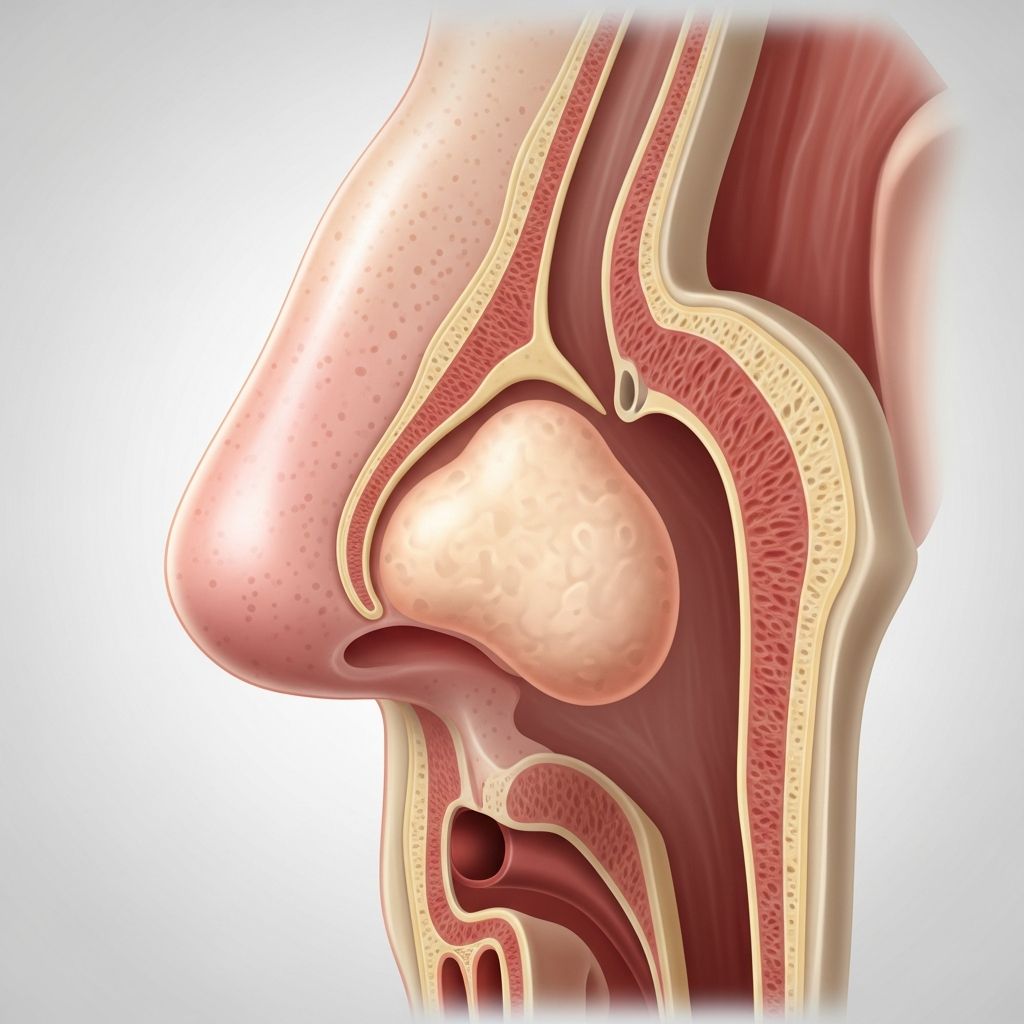
Concha bullosa is a common anatomical variation of the nasal cavity that occurs when one of the turbinates (also called conchae) becomes filled with air, creating an air-filled pocket or cavity. Turbinates are small, bone structures that line the nasal passages and play an important role in filtering, warming, and moisturizing the air you breathe. When a turbinate becomes pneumatized—meaning it fills with air—it can affect the normal function of your nasal passages.
The middle turbinate is the most commonly affected location for concha bullosa, though it can also develop in other turbinates such as the superior or inferior turbinates. Most people who have concha bullosa are completely unaware of it because the condition is asymptomatic in the majority of cases and is often discovered incidentally during imaging studies performed for other reasons, such as computed tomography (CT) scans of the paranasal sinuses.
While concha bullosa is generally considered a normal anatomic variant that doesn’t require treatment, larger air-filled cavities can sometimes cause bothersome symptoms and may need medical intervention.
Understanding the Anatomy
To understand concha bullosa, it helps to know the basic anatomy of your nasal passages. Inside your nose, you have three separate turbinates on each side: the superior turbinate, middle turbinate, and inferior turbinate. These structures are lined with mucous membranes and are responsible for several important functions in your respiratory system.
The turbinates help regulate airflow, humidify incoming air, and filter out particles and irritants before air reaches your lungs. When one of these turbinates undergoes pneumatization and develops air-filled cavities, it becomes a concha bullosa. The size and extent of pneumatization can vary significantly from person to person, ranging from small, clinically insignificant cavities to large, extensively pneumatized structures that occupy significant space in the nasal cavity.
Types of Concha Bullosa
Medical professionals classify concha bullosa into different types based on the pattern and extent of pneumatization:
- Lamellar concha: This type is characterized by vertical lamellar pneumatization within the turbinate structure.
- Bulbous type: This involves pneumatization primarily in the inferior or lower segment of the turbinate, creating a bulbous appearance.
- Extensive type: This represents the most significant variant and involves pneumatization of both the vertical lamella and the inferior bulbous components, resulting in a larger air-filled cavity.
Causes and Risk Factors
The exact cause of concha bullosa isn’t completely understood, but it’s considered a developmental anatomical variation that some people are born with. Research suggests that airflow patterns within the nasal cavity may play a significant role in its development and progression.
Relationship to Septal Deviation
Studies have identified a strong association between concha bullosa and nasal septal deviation. When the nasal septum is deviated to one side, it alters normal airflow patterns in the nasal cavity. According to aerodynamic theory, air flow decreases on the side of the deviation while it increases on the opposite side. This altered airflow pattern may stimulate increased pneumatization of the turbinate on the side receiving increased airflow. Many patients with concha bullosa also have a deviated nasal septum on the opposite side, suggesting these conditions may develop in relation to each other.
Related Stories



Contributing Factors
While concha bullosa is primarily an anatomical variation, certain factors may contribute to its development or symptom severity:
- Chronic nasal inflammation that disrupts normal sinus drainage
- Abnormal nasal development involving the lateral wall and mucosal abnormalities
- Persistent inflammation affecting the mucosa, leading to swelling and blockage
- Pre-existing conditions affecting normal nasal physiology
Symptoms of Concha Bullosa
Most people with concha bullosa experience no symptoms at all and are completely unaware they have the condition. The presence of concha bullosa on imaging studies doesn’t necessarily mean treatment is needed. However, when the air-filled cavity becomes large enough, it can interfere with normal nasal function and produce various symptoms.
Common Symptoms When Present
When concha bullosa does cause symptoms, the most frequent complaints include:
- Nasal obstruction or persistent nasal congestion, often on one side of the nose
- Difficulty breathing through the nose, sometimes described as “breathing through a straw”
- Facial pain and pressure, particularly around the nose and cheeks
- Recurring headaches that may worsen when bending forward or lying down
- Sinus pressure that persists despite home remedies
- Hyposmia or reduced sense of smell
- Snoring or sleep disturbances
- Sensation of an obstruction inside the nostrils
How Symptoms Develop
Symptoms occur when the enlarged concha bullosa blocks normal sinus drainage pathways, known as the ostiomeatal complex, or when it takes up excessive space in the nasal cavity. Additionally, a large concha bullosa can push and deviate the nasal septum, effectively narrowing the nasal cavity on the opposite side and creating an airway obstruction.
The symptoms of concha bullosa can closely resemble those of sinusitis or sinus infections, which may lead to initial confusion in diagnosis. However, concha bullosa typically does not cause ear and jaw pain, excessive mucus drainage, or other symptoms commonly associated with true sinus infections.
Diagnosis
Diagnosis of concha bullosa primarily relies on imaging studies. While clinical examination may reveal an intranasal mass or other abnormalities, definitive diagnosis requires radiographic confirmation.
Imaging Studies
Computed tomography (CT) scans of the paranasal sinuses are the gold standard for diagnosing concha bullosa. CT imaging clearly shows the air-filled cavity within the turbinate structure and helps determine the size and extent of pneumatization. Most concha bullosa cases are discovered incidentally on non-contrast CT scans performed for other reasons.
CT scans may also reveal associated findings such as bone remodeling, septal deviation, or extranasal involvement that could help differentiate concha bullosa from other pathology.
Clinical Examination Challenges
During clinical examination, it can be difficult to differentiate between a concha bullosa and simple hypertrophy (enlargement) of the turbinate due to inflammation or other causes. Clinicians may use vasoconstrictor medications during examination to help distinguish between concha bullosa and reversible mucosal swelling, as vasoconstrictor drugs reduce inflammation-related swelling but do not affect the fixed air cavity of concha bullosa.
Complications
Although uncommon, concha bullosa can lead to several complications if left untreated, particularly when the condition is extensive or bilateral.
Potential Complications
- Sinus infections: If concha bullosa blocks normal sinus drainage, it can predispose to recurrent or chronic sinus infections, which can cause headaches, mucus drainage, sore throat, and persistent cough.
- Mucocele formation: The mucociliary transport system within concha bullosa can become obstructed, allowing mucus to accumulate and form a mucocele (a cyst-like collection of mucus).
- Mucopyocele: If a mucocele becomes infected, it can develop into a mucopyocele, a more serious condition requiring treatment.
- Chronic sinusitis: Untreated chronic sinus infections can cause significant nasal airway obstruction, inflammation, and associated symptoms including fatigue, nausea, and pain.
- Vision or smell changes: In rare cases, severe untreated complications may affect sense of smell or vision.
- Rare associations: Other complications that have been reported include fungal infections (fungus balls) and hemangiomas.
Treatment Options
Treatment decisions for concha bullosa depend on whether symptoms are present and how significantly the condition affects quality of life. Most asymptomatic cases require no treatment at all.
Conservative Management
For patients with mild symptoms or asymptomatic concha bullosa, observation is typically recommended. These patients require no specific treatment and may be monitored periodically to ensure the condition remains stable.
Surgical Treatment
When concha bullosa causes significant symptoms or complications, surgical intervention is considered the gold standard treatment. Endoscopic surgical techniques are typically used and may include:
- Endoscopic marsupialization: This procedure involves opening the air-filled cavity to allow drainage and reduce its size.
- Partial or complete turbinate reduction: In some cases, the enlarged turbinate may be partially or completely removed to restore normal nasal airflow.
- Conchotomy: This involves creating an opening in the concha bullosa to decompress the air cavity.
Surgical outcomes are generally excellent, with most patients experiencing significant symptom relief and rare recurrence of the condition. Endoscopic techniques are preferred because they are minimally invasive, allow direct visualization of the surgical field, and result in faster recovery compared to traditional open surgical approaches.
When to Seek Medical Attention
You should schedule an appointment with an ear, nose, and throat specialist if you experience persistent nasal congestion, chronic headaches, facial pain, or recurrent sinus infections that don’t improve with standard treatments. Additionally, seek immediate medical evaluation if you experience:
- Severe headaches accompanied by visual changes
- Vision changes or eye swelling
- Fever above 101°F accompanied by facial pain
- Persistent bloody nasal discharge
- Worsening symptoms despite treatment attempts
Living With Concha Bullosa
For the majority of people with concha bullosa, no lifestyle modifications are necessary since the condition is asymptomatic. However, those experiencing symptoms may benefit from certain home care strategies while awaiting evaluation or during management:
- Using saline nasal rinses to maintain nasal hygiene and reduce inflammation
- Using nasal steroid sprays as recommended by your healthcare provider
- Maintaining adequate humidity in your home environment
- Avoiding nasal irritants such as smoke and strong chemical odors
- Staying hydrated to help maintain healthy mucous membranes
Frequently Asked Questions
Q: Is concha bullosa dangerous?
A: Concha bullosa itself is not dangerous in most cases. It’s a common anatomical variation that many people have without any problems. However, large or extensive concha bullosa can cause symptoms and, if left untreated, may lead to complications such as sinus infections or reduced sense of smell.
Q: Can concha bullosa go away on its own?
A: Concha bullosa is a structural anatomical variation and does not go away on its own. However, symptoms caused by concha bullosa may improve with conservative management, and asymptomatic cases require no treatment.
Q: Is surgery always necessary for concha bullosa?
A: No, surgery is only recommended when concha bullosa causes significant symptoms or complications. Most people with concha bullosa are asymptomatic and never need surgery. Your ENT specialist can determine whether surgical treatment is appropriate for your situation.
Q: How is concha bullosa different from a sinus infection?
A: Concha bullosa is a structural anatomical variation, while sinusitis is inflammation of the sinus cavities, usually caused by infection. Though symptoms may seem similar, concha bullosa typically doesn’t cause mucus drainage, fever, or ear and jaw pain like sinus infections do.
Q: Can concha bullosa affect sleep?
A: Yes, large concha bullosa can cause nasal obstruction that may lead to snoring and sleep disturbances. If you suspect concha bullosa is affecting your sleep, consult with an ENT specialist for evaluation and treatment options.
Q: Is concha bullosa more common in certain populations?
A: Studies have shown concha bullosa occurs in both males and females at relatively similar rates. One study found prevalence rates of approximately 55% in both male and female Saudi populations, indicating it’s a fairly common anatomical variant across different demographics.
Q: What is the recovery time after concha bullosa surgery?
A: Endoscopic surgical procedures for concha bullosa are minimally invasive and typically result in faster recovery compared to traditional open surgery. Most patients can return to normal activities within one to two weeks, though complete healing may take several weeks.
References
- Bilateral enlarged concha bullosa: a case report and literature review — Journal of Surgical Case Reports. 2023. https://academic.oup.com/jscr/article/2023/9/rjad508/7275627
- What is a Concha Bullosa? — Reddy Sinus. https://www.reddysinus.com/what-is-a-concha-bullosa
- Concha Bullosa: Diagnosis, Complications, and More — Healthline. https://www.healthline.com/health/concha-bullosa
- Concha Bullosa Explained: Causes, Symptoms, and Treatment Guide — Sleep and Sinus Centers. https://www.sleepandsinuscenters.com/blog/concha-bullosa-explained-causes-symptoms-and-treatment-guide
- Concha Bullosa Treatment — Texas Sinus & Snoring. https://texassinusandsnoring.com/blog/concha-bullosa-treatments
- Concha bullosa of the inferior turbinate: an unusual cause of nasal obstruction — PubMed Central. https://pmc.ncbi.nlm.nih.gov/articles/PMC3146328
Similar Articles








Read full bio of Sneha Tete