Concussion: 9 Red Flags And 6-Step Recovery Guide
Comprehensive guide to understanding concussions: from symptoms and risks to recovery strategies and prevention tips for all ages.
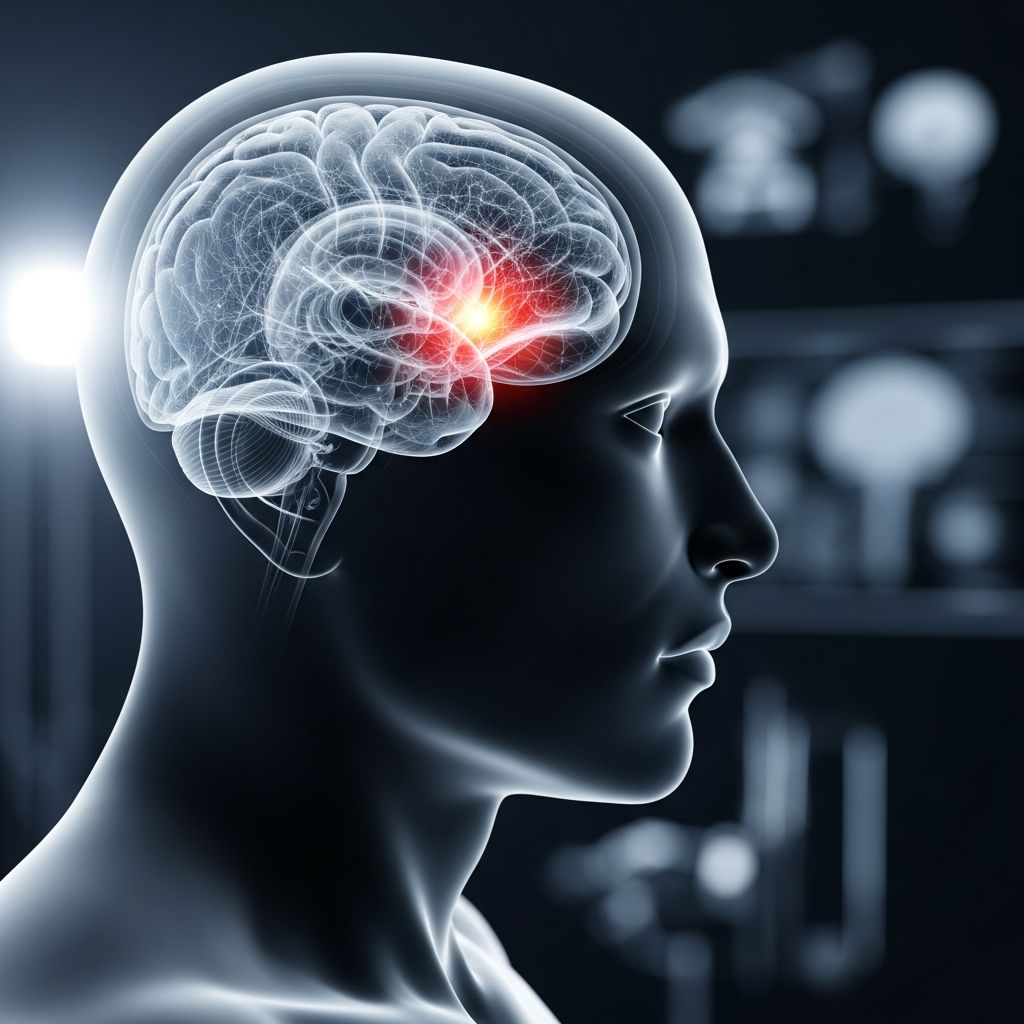
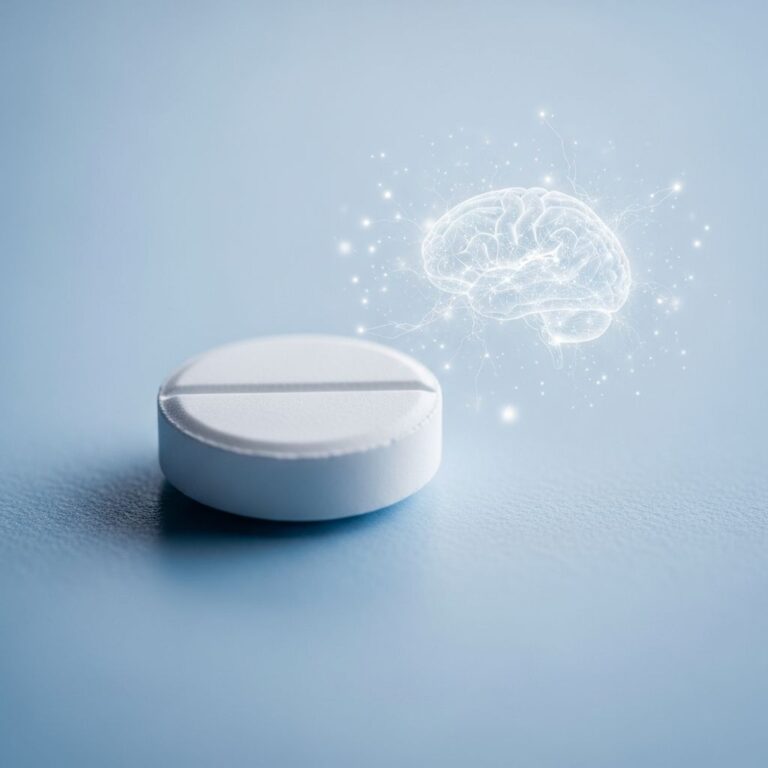
Concussions represent a form of mild traumatic brain injury triggered by a sudden jolt or impact to the head or body, disrupting normal brain function temporarily. These injuries demand prompt recognition and careful management to avoid prolonged effects.
Defining Concussions and Their Mechanisms
A concussion arises when external forces cause the brain to move rapidly within the skull, leading to chemical changes and potential stretching of nerve fibers. Unlike more severe brain injuries, concussions typically do not involve visible structural damage on standard imaging like CT scans, yet they can profoundly impact daily functioning.
Common triggers include falls, vehicle accidents, sports collisions, and assaults. In sports, high-impact activities like football, soccer, and boxing carry elevated risks, particularly for repeated exposures.
Recognizing Common Symptoms Across Categories
Symptoms manifest in physical, cognitive, emotional, and sleep-related domains, often emerging immediately or delayed by hours or days. Early identification is crucial for optimal outcomes.
Physical Indicators
- Headaches or a sensation of pressure in the head
- Dizziness, balance difficulties, or lightheadedness
- Nausea or vomiting, especially soon after impact
- Sensitivity to light or noise
- Blurred or double vision
- Fatigue or low energy levels
These signs reflect the brain’s disrupted signaling and are among the most frequently reported.
Cognitive Challenges
- Feeling mentally foggy or slowed
- Difficulty concentrating or focusing
- Short- or long-term memory lapses
- Confusion about events or surroundings
- Slowed processing of information
Cognitive fog can hinder work, school, or routine tasks, persisting beyond physical symptoms in some cases.
Emotional and Behavioral Shifts
- Irritability or heightened anger
- Anxiety, nervousness, or sadness
- Mood swings or increased emotionality
- Personality alterations
These changes stem from brain regions regulating emotions being affected, potentially straining relationships during recovery.
Sleep Disturbances
- Trouble falling asleep or staying asleep
- Sleeping more or less than usual
- Restless or disrupted sleep patterns
Sleep issues exacerbate other symptoms, forming a cycle that delays healing.
Age-Specific Signs and Vulnerabilities
Symptom presentation varies by age, complicating diagnosis in non-verbal groups.
Infants and Toddlers
Young children may show irritability, excessive crying, refusal to eat, altered sleep, loss of interest in play, unsteady gait, or vomiting unrelated to illness. Behavioral regressions like increased clinginess or tantrums signal potential issues.
School-Aged Children and Teens
Look for dazed appearances, slowed responses, clumsiness, memory gaps for recent events, concentration struggles, or mood shifts. Adolescents in sports often underreport to avoid bench time.
Adults
Adults commonly experience headaches (in about 80% of cases), vision changes, balance loss, and mental fogginess. Loss of consciousness occurs in only around 10% of instances.
| Age Group | Key Physical Signs | Behavioral/Cognitive Signs |
|---|---|---|
| Infants/Toddlers | Vomiting, unsteady feet, excessive crying | Refusal to eat, less play, tantrums |
| 5-17 Years | Dizziness, headaches, sensitivity to light | Slowed answers, confusion, clumsiness |
| Adults | Balance loss, nausea, vision blur | Foggy thinking, irritability, memory issues |
Related Stories



Distinguishing Routine Bumps from Serious Concerns
Not every head knock causes a concussion, but certain factors elevate concern: falls from height over six feet, car crashes, persistent worsening symptoms, or high-force sports impacts.
Critical Red Flags Requiring Immediate Action
Some symptoms indicate risks beyond a standard concussion, such as bleeding or swelling, necessitating emergency care.
- Repeated vomiting or nausea
- Loss of consciousness exceeding 30 seconds
- Worsening or severe headache
- Seizures, convulsions, or twitching
- Clear fluid or blood from nose/ears
- Unequal or enlarged pupils
- Slurred speech, weakness, or numbness
- Inability to wake or extreme drowsiness
- Unusual confusion, agitation, or unrecognized surroundings
Call emergency services for these; delays can lead to life-threatening complications.
Diagnostic Approaches for Accurate Assessment
No single test confirms a concussion; evaluation combines medical history, symptom review, physical/neurological exams, and cognitive screenings. Tools like balance tests, eye tracking, or reaction time assessments aid diagnosis. Imaging rules out severe injuries but rarely shows concussion-specific changes.
Healthcare providers assess via questions on event recall, orientation, and concentration tasks. In children, parent/teacher input is vital.
Initial Management and Treatment Protocols
Treatment focuses on symptom relief and brain rest. Primary steps include physical and cognitive rest, avoiding screens, reading, or strenuous mental tasks initially.
- Over-the-counter pain relievers for headaches (avoid in children without advice)
- Hydration and balanced nutrition
- Gradual reintroduction of light activity
Avoid alcohol, recreational drugs, and further head impacts during recovery.
Step-by-Step Recovery Roadmap
Recovery follows a staged return-to-activity protocol, monitored by professionals, typically spanning 7-14 days for uncomplicated cases, longer for multiples or severe symptoms.
- Relative rest: Limit cognitive/physical exertion for 24-48 hours.
- Light aerobic exercise: Walking if symptoms stable.
- Sport-specific training: No head impact.
- Non-contact practice: Increase intensity.
- Full contact: Only if asymptomatic.
- Return to normal: School/work/sports.
Progress only if symptoms do not worsen; setbacks require restarting.
Potential Long-Term Implications
Most recover fully, but repeated concussions heighten risks for post-concussion syndrome (persistent symptoms), chronic traumatic encephalopathy (CTE) in athletes, or cognitive declines. Children and those with prior injuries face amplified vulnerabilities.
Prevention Tactics for Everyday Safety
Reducing incidence involves protective measures:
- Wear properly fitted helmets in sports/biking.
- Use seatbelts and car seats.
- Secure home environments to prevent falls (e.g., railings, non-slip mats).
- Enforce rules against head checking in youth sports.
- Educate on immediate removal from play post-impact.
Programs like CDC’s HEADS UP promote awareness.
Frequently Asked Questions (FAQs)
Can you have a concussion without losing consciousness?
Yes, over 90% of concussions occur without blackout.
How long do symptoms typically last?
Most resolve in 7-10 days, but some linger weeks or months.
Is it safe to sleep after a suspected concussion?
Yes, unless red flags like repeated vomiting exist; monitor closely.
Should children return to school immediately?
No, start with reduced workload, building up as tolerated.
Do concussions show on MRI or CT?
Rarely for mild cases; used to exclude bleeds.
Empowering Safe Recovery and Future Health
Understanding concussions equips individuals, parents, coaches, and educators to respond effectively. Prioritize professional evaluation post-injury, adhere to rest protocols, and champion prevention to safeguard brain health across life stages.
References
- Signs and Symptoms of Concussion | HEADS UP — CDC. 2024. https://www.cdc.gov/heads-up/signs-symptoms/index.html
- How to Know If You Have a Concussion — Houston Methodist. 2024-06. https://www.houstonmethodist.org/blog/articles/2024/jun/how-to-know-if-you-have-a-concussion/
- How to Tell If You Have a Concussion: Recognizing the Signs and Seeking Care — Rush Ortho. 2024. https://www.rushortho.com/news-events/news/how-to-tell-if-you-have-a-concussion-recognizing-the-signs-and-seeking-care/
- Concussion – Symptoms and causes — Mayo Clinic. 2024. https://www.mayoclinic.org/diseases-conditions/concussion/symptoms-causes/syc-20355594
- Concussion — American Association of Neurological Surgeons (AANS). 2024. https://www.aans.org/patients/conditions-treatments/concussion/
- Concussion Symptoms | Sports Neurology — Henry Ford Health. 2024. https://www.henryford.com/Services/Sports-Medicine/Sports-Neurology/Concussion-Care/Symptoms
- Diagnosing Concussion — NYU Langone Health. 2024. https://nyulangone.org/conditions/concussion/diagnosis
Similar Articles








Read full bio of Sneha Tete