Concussion Symptoms: Complete Guide To Signs & Red Flags
Recognize concussion symptoms early—from headaches and dizziness to emotional changes and when to seek emergency care for timely recovery.

A
concussion
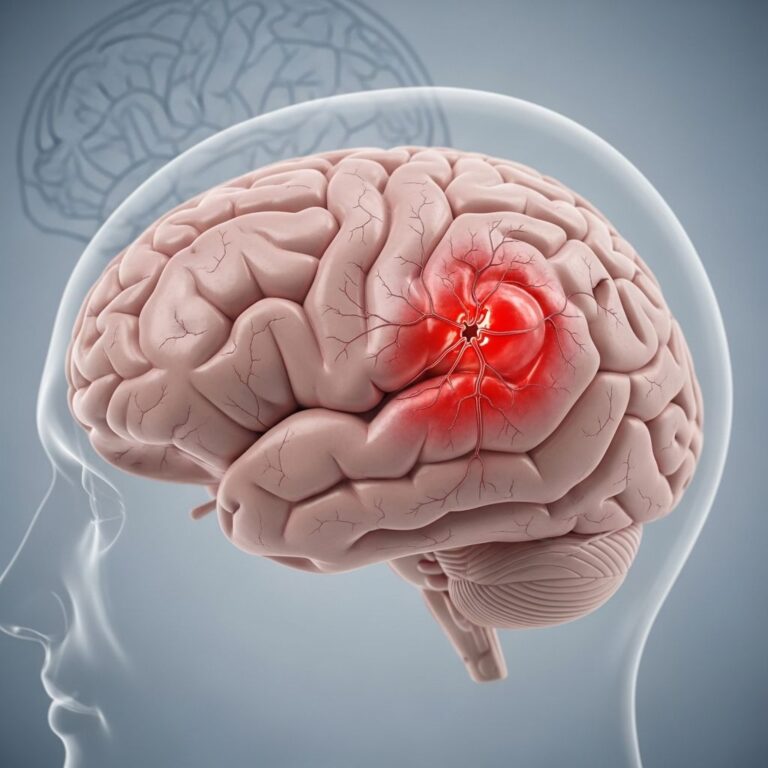
is a type of traumatic brain injury caused by a bump, blow, or jolt to the head or body that disrupts normal brain function. Symptoms can appear immediately or be delayed, varying by age and severity. Early recognition is crucial for proper management and preventing complications like post-concussion syndrome.What Is a Concussion?
Concussions are mild traumatic brain injuries (mTBI) that alter brain function temporarily without structural damage visible on standard imaging. They result from biomechanical forces causing rapid brain movement within the skull, leading to chemical changes and disrupted blood flow. Most people recover fully within 7-14 days with rest, but symptoms differ individually.
Common causes include falls, sports collisions, car accidents, and assaults. Unlike severe brain injuries, concussions rarely involve loss of consciousness, which occurs in only 10% of cases.
Concussion Symptoms in Adults
Adults often report a mix of
physical
,cognitive
,emotional
, andsleep-related
symptoms. These peak 1-2 days post-injury and evolve during recovery.Physical Symptoms
- Headache: Throbbing or pressure-like, often the most common.
- Dizziness or balance issues: Vertigo or unsteadiness.
- Nausea or vomiting: Especially early on.
- Fatigue or drowsiness: Feeling tired or low energy.
- Blurred or double vision: Sensitivity to light (photophobia).
- Ringing in ears (tinnitus): Or sensitivity to noise.
Cognitive Symptoms
- Confusion or feeling ‘foggy’: Difficulty thinking clearly.
- Memory problems: Short- or long-term amnesia, often around the event.
- Concentration difficulties: Trouble focusing or slowed thinking.
- Slowed reaction time: Delayed responses.
Emotional and Behavioral Symptoms
- Irritability or mood swings: Easily angered or anxious.
- Depression or sadness: Feeling more emotional.
- Personality changes: Unusual behavior.
Sleep Disturbances
- Trouble falling asleep: Or sleeping more/less than usual.
Some symptoms, like concentration issues or irritability, may emerge days later.
Concussion Symptoms in Children
Children, especially infants and toddlers, can’t verbalize symptoms, making observation key. Symptoms vary by age group.
Infants (Under 1 Year)
- Irritability or excessive crying
- Changes in sleeping/eating patterns
- Refusing to nurse/eat
- Seeking more comfort
- Loss of interest in play
- More temper tantrums.
Toddlers (1-4 Years)
- Changes in speech (slower)
- Vomiting post-injury
- Dazed, confused, or clumsy appearance
- Balance issues.
School-Aged Children and Adolescents (5-17 Years)
- Dazed or stunned look
- Memory/concentration lapses
- Slow answers or movements
- Mood/personality changes
- Clumsiness or unsteadiness.
Parents may notice clumsiness during sports or play, like forgetting game rules.
Dangerous Symptoms: When to Seek Emergency Care
Most concussions are mild, but seek immediate help for these
red flags
indicating possible severe injury:- Repeated vomiting or worsening nausea
- Loss of consciousness (especially >30 seconds)
- Worsening headache
- Seizures or convulsions
- Slurred speech, weakness, or numbness
- Unequal/dilated pupils or vision changes
- Fluid/blood from nose/ears
- Increasing confusion or agitation
- Inability to wake or stay awake.
Related Stories



These warrant emergency evaluation to rule out bleeding or swelling.
Post-Concussion Syndrome (PCS)
If symptoms persist beyond 3 months, it’s
persistent post-concussive symptoms
or PCS, affecting a minority. Ongoing issues include:- Headaches, dizziness
- Cognitive fog, memory problems
- Fatigue, sleep issues
- Mood changes, anxiety.
Risk factors: prior concussions, severe initial symptoms. Management involves gradual activity resumption and therapy.
| Symptom Type | Acute Concussion (Days-Weeks) | Post-Concussion Syndrome (>3 Months) |
|---|---|---|
| Physical | Headache, nausea, dizziness | Persistent headaches, vertigo |
| Cognitive | Foggy thinking, memory lapse | Chronic concentration issues |
| Emotional | Irritability | Depression, anxiety |
| Sleep | Disrupted patterns | Insomnia or hypersomnia |
Diagnosis and Next Steps
No single test diagnoses concussion; it’s clinical based on history and exam. Tools like SCAT5 assess symptoms. CT/MRI rules out complications but often normal. Rest brain and body initially: limit screens, schoolwork. Gradual return-to-activity protocols prevent re-injury.
Prevention Tips
- Wear helmets in sports/biking
- Use seatbelts/airbags in vehicles
- Prevent falls in kids/elderly
- Follow return-to-play rules in sports.
Frequently Asked Questions (FAQs)
What are the first signs of a concussion?
Headache, dizziness, confusion, nausea, or feeling foggy. In kids, watch for dazed appearance or vomiting.
How long do concussion symptoms last?
Typically 7-14 days, but up to weeks. PCS if >3 months.
Can you have a concussion without losing consciousness?
Yes, most (90%) do not lose consciousness.
Should I wake a concussed person?
Monitor for red flags; no need to wake if sleeping normally, but check periodically.
When can I return to sports after concussion?
Only after symptom-free and gradual protocol, under medical guidance.
References
- Signs and Symptoms of Concussion | HEADS UP — Centers for Disease Control and Prevention (CDC). 2023. https://www.cdc.gov/heads-up/signs-symptoms/index.html
- Concussion – Symptoms and causes — Mayo Clinic. 2023-10-10. https://www.mayoclinic.org/diseases-conditions/concussion/symptoms-causes/syc-20355594
- Concussion — American Association of Neurological Surgeons (AANS). 2023. https://www.aans.org/patients/conditions-treatments/concussion/
- Long-term symptoms indicate post-concussion syndrome — UCLA Health. 2023. https://www.uclahealth.org/news/article/long-term-symptoms-indicate-post-concussion-syndrome
- Concussions and their consequences: current diagnosis — National Institutes of Health (NIH) via PMC. 2013-07-18. https://pmc.ncbi.nlm.nih.gov/articles/PMC3735746/
Similar Articles








Read full bio of Sneha Tete