Coronavirus
Latest updates on COVID-19 symptoms, transmission, prevention, vaccines, treatments, and long-term effects.
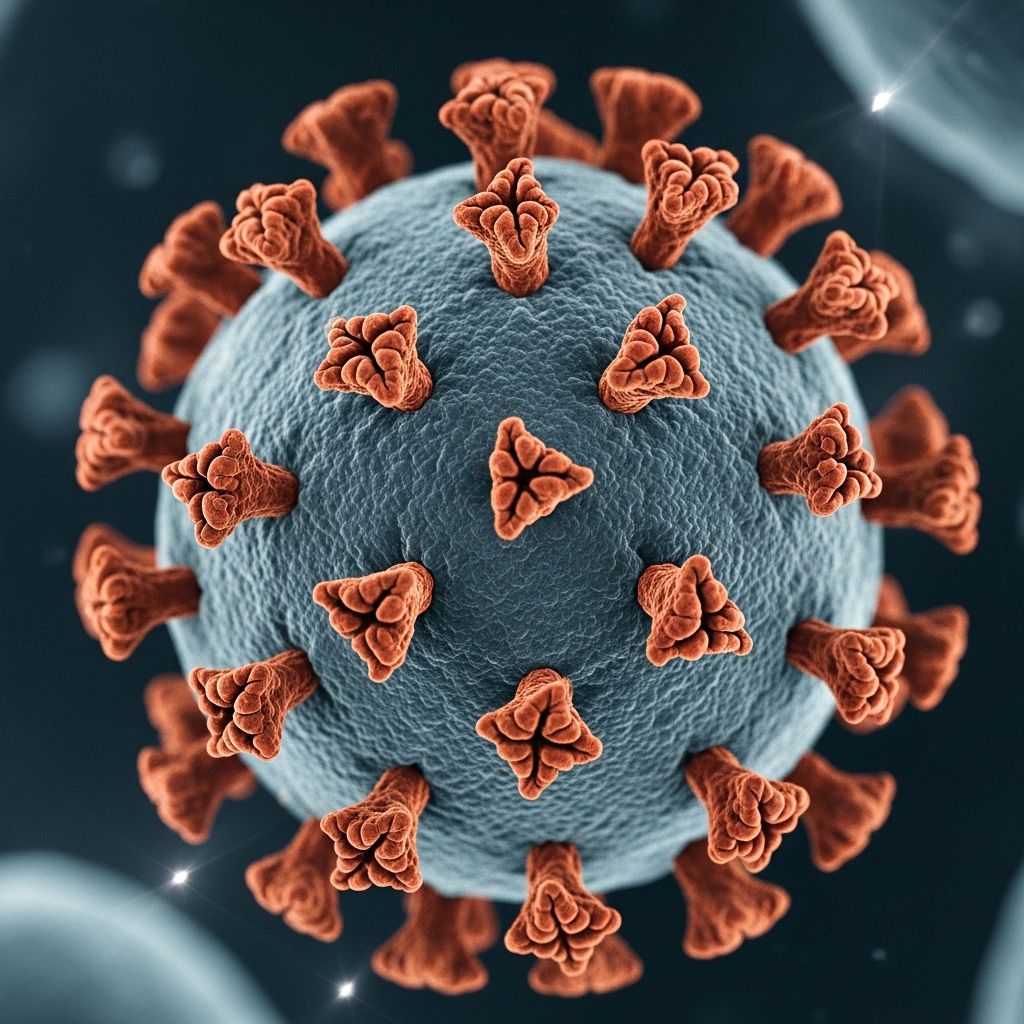
Coronavirus disease 2019 (COVID-19) is a respiratory illness caused by the SARS-CoV-2 virus, first identified in Wuhan, China, in late 2019. It spread globally, leading WHO to declare it a pandemic on March 11, 2020. While most cases are mild, severe illness can occur, particularly in older adults and those with underlying conditions.
What Is Coronavirus?
COVID-19 is caused by a novel coronavirus called SARS-CoV-2, part of a family of viruses that typically cause respiratory infections. Symptoms range from mild, like a common cold, to severe pneumonia and multi-organ failure. The complete clinical picture remains evolving, but data show illnesses from asymptomatic to fatal.
The virus spreads primarily through respiratory droplets from coughing, sneezing, talking, or breathing, especially in close contact. Airborne transmission occurs in poorly ventilated spaces. Early cases linked to a seafood market in China, but person-to-person spread drove the pandemic.
Symptoms of COVID-19
Most people experience mild to moderate symptoms, but some worsen 5-7 days after onset. Common symptoms include:
- Fever or chills
- Cough
- Shortness of breath
- Fatigue
- Muscle or body aches
- Headache
- New loss of taste or smell
- Sore throat
- Congestion or runny nose
- Nausea, vomiting, or diarrhea
Severe cases involve low oxygen levels, persistent chest pain, confusion, or bluish lips. Critical illness means respiratory failure and widespread organ damage. Rarely, multisystem inflammatory syndrome (MIS-C in children, MIS-A in adults) develops with inflamed organs.
Laboratory findings often show lymphocytopenia, elevated D-dimer, neutrophils, urea, and creatinine in severe cases. Imaging reveals ground-glass opacities on chest CT.
Coronavirus Causes and Risk Factors
SARS-CoV-2 enters cells via ACE2 receptors, primarily in lungs, leading to inflammation and clotting. Risk factors for severe outcomes include:
- Age 50+, especially >65 years
- Obesity
- Diabetes (especially with complications)
- Heart disease
- Chronic lung disease
- Kidney disease
- Immunosuppression
- Anxiety/fear-related disorders
Residents of long-term care facilities face high risk, accounting for over 35% of U.S. deaths despite being <1% of population. Multiple conditions amplify risk; obesity, complicated diabetes, and anxiety had strongest links to death in a study of 540,667 hospitalized adults.
| Risk Group | Increased Risk Details |
|---|---|
| Older Adults | Risk rises substantially >65 years; long-term care residents at highest risk |
| Underlying Conditions | Obesity, diabetes, heart/lung disease strongest associations with severe illness/death |
| Multiple Conditions | Higher number correlates with worse outcomes |
Coronavirus Transmission
The virus transmits via respiratory droplets and aerosols. Community spread expected widely; most U.S. population exposed over time. High-risk exposure in crowded, indoor settings without ventilation.
Coronavirus Prevention
Key prevention strategies:
- Vaccination: Stay up to date; reduces severe illness, hospitalization, death.
- Hygiene: Wash hands often, cover coughs/sneezes.
- Masks: Wear in high-risk settings.
- Distancing: Maintain physical distance, improve indoor airflow.
- Isolation: Stay home if sick; separate from others.
Clean high-touch surfaces daily. CDC expects widespread transmission, emphasizing layered prevention.
COVID-19 Vaccines
Over 150 vaccines investigated; authorized ones dramatically cut severe outcomes. Boosters target variants; immunocompromised may need preventive options like Pemivibart (under EUA). Vaccination primary tool against hospitalization/death.
CDC monitors variants for vaccine efficacy. Updated shots match circulating strains.
Treating COVID-19
No specific antiviral cure; focus on supportive care: oxygen, hydration, nutrition, fever control. Antivirals for mild/moderate high-risk cases reduce hospitalization if started within 5-7 days.
- Dexamethasone: Reduces mortality in severe cases needing respiratory support (22.9% vs 25.7%).
- Convalescent Plasma: Limited benefit in trials.
- Treat Complications: Secondary infections, organ failure.
Severe patients may need ventilation or renal support. Most recover without long-term effects, but some have lingering symptoms.
Long COVID
Some experience symptoms for months: fatigue, brain fog, shortness of breath. Data from 2020-2022 show varied long-term impacts; ongoing research needed.
When to See a Doctor for COVID-19
Seek care if emergency signs: trouble breathing, persistent chest pain, new confusion, bluish lips. Monitor for worsening 5-7 days post-symptoms. High-risk individuals: start antivirals early.
Coronavirus Testing
RT-PCR detects viral RNA; antigen tests for rapid screening. Test if symptomatic or exposed. Guidance for potential exposures aids risk assessment.
COVID-19 Variants
CDC tracks variants; some evade immunity better. Vaccines updated accordingly. Awareness key for prevention.
COVID-19 in Children
Generally milder, but MIS-C possible. Vaccinate eligible kids.
Frequently Asked Questions
What causes COVID-19?
SARS-CoV-2 virus.
Who is at highest risk?
Older adults, those with obesity, diabetes, heart/lung disease.
How to prevent COVID-19?
Vaccinate, mask, distance, hygiene.
What are long COVID symptoms?
Fatigue, cognitive issues, breathlessness lasting months.
Is there a cure?
Supportive care and antivirals; vaccines prevent severe disease.
References
- Coronavirus Disease 2019 (COVID-19) Situation Summary — Defense Intelligence Agency. 2020-12-27. https://www.dia.mil/News-Features/Articles/Article-View/Article/2112274/coronavirus-disease-2019-covid-19-situation-summary/
- Underlying Conditions and the Higher Risk for Severe COVID-19 — Centers for Disease Control and Prevention. 2024-01-06. https://www.cdc.gov/covid/hcp/clinical-care/underlying-conditions.html
- COVID-19: An overview and a clinical update — National Center for Biotechnology Information (PMC). 2021-01-14. https://pmc.ncbi.nlm.nih.gov/articles/PMC7809683/
- Coronavirus disease 2019 (COVID-19) – Symptoms and causes — Mayo Clinic. 2025-07-02. https://www.mayoclinic.org/diseases-conditions/coronavirus/symptoms-causes/syc-20479963
- COVID-19: Trustworthy Facts and Waste Handling Guidelines — Daniels Health. 2020. https://www.danielshealth.com/knowledge-center/trustworthy-facts-coronavirus
- Coronavirus disease (COVID-19) — World Health Organization. 2025. https://www.who.int/health-topics/coronavirus
Similar Articles







Read full bio of Sneha Tete