Melasma: Expert Guide To Causes, Treatments, And Prevention
Everything you need to know about melasma: causes, symptoms, treatments, and prevention strategies for this common hyperpigmentation disorder.
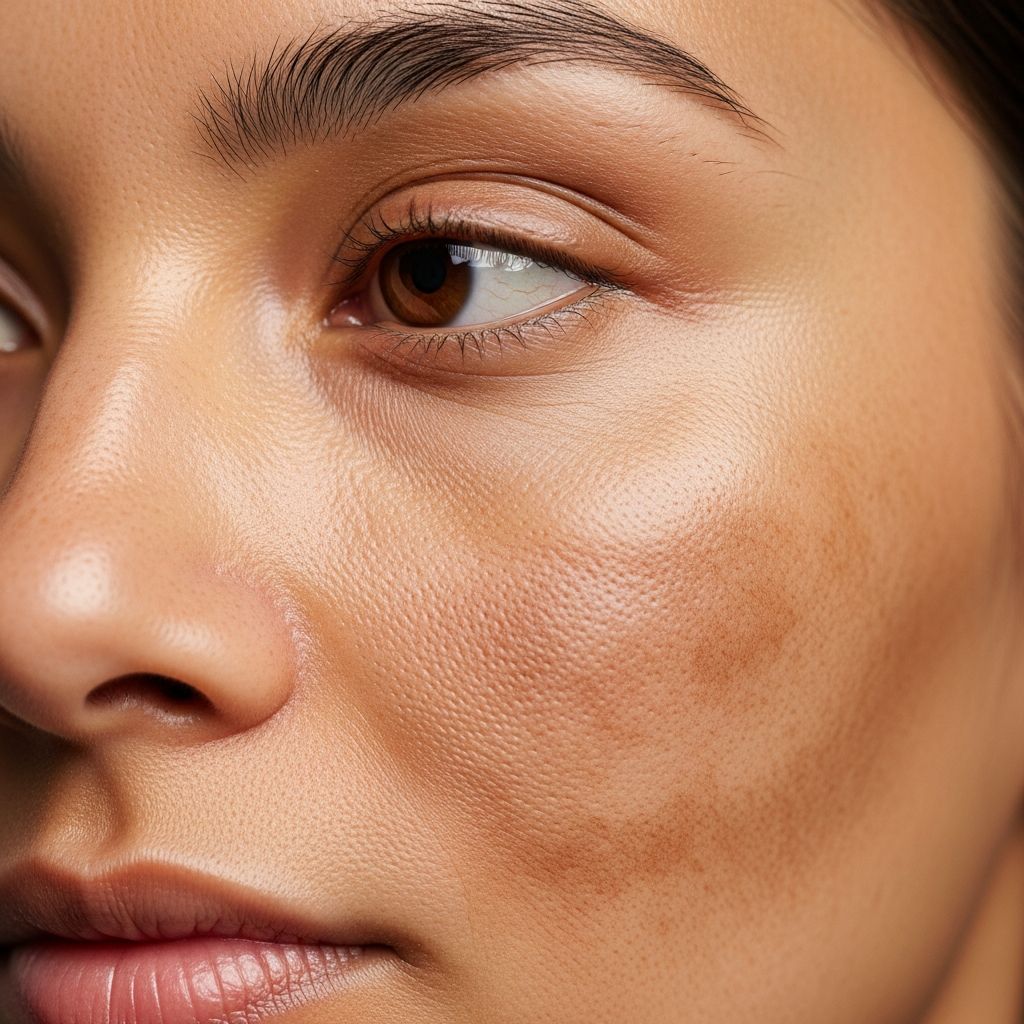
Melasma is a common acquired skin condition characterized by symmetric hyperpigmentation, primarily on the face, affecting women and those with darker skin tones more frequently. It manifests as brown or grayish patches, often triggered by sun exposure, hormonal changes, and genetic factors, and while harmless, it can significantly impact quality of life.
What Is Melasma?
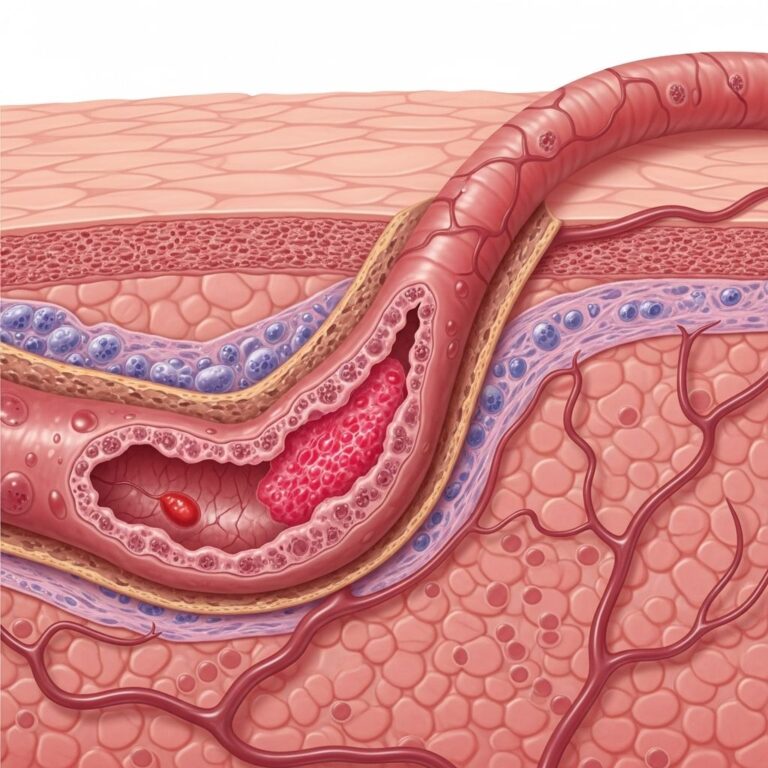
Melasma, also known as chloasma or the ‘mask of pregnancy,’ is an acquired pigmentary disorder featuring darker-than-normal patches of skin that develop gradually, most commonly on the cheeks, forehead, nose, and upper lip. It results from overproduction of melanin by melanocytes, the skin cells responsible for pigmentation, leading to epidermal, dermal, or mixed types based on the depth of pigment deposition. Histologically, it shows increased epidermal and/or dermal pigmentation, enlarged melanocytes, increased melanosomes, solar elastosis, and sometimes vascular changes. This condition is psychologically distressing for many, prompting the need for effective management strategies.
Symptoms of Melasma
The primary symptom of melasma is hyperpigmentation appearing as flat, darkened patches that are brown, bluish-gray, or freckled, typically symmetric and confined to sun-exposed areas like the face. These patches do not cause pain, itching, or other physical discomfort but can be emotionally burdensome. Common patterns include:
- Centrofacial: Affecting the forehead, cheeks, upper lip, nose, and chin (50-80% of cases).
- Malar: Limited to the cheeks.
- Mandibular: Along the jawline and chin.
In rarer instances, melasma may appear on the neck, arms, or other sun-exposed sites. Severity is often assessed using tools like the Melasma Area and Severity Index (MASI), which quantifies area and pigmentation intensity for clinical evaluation.
Causes of Melasma
The exact cause of melasma remains multifactorial, but key triggers include ultraviolet (UV) radiation, hormonal influences, and genetic predisposition. UV exposure stimulates melanocytes via hormones like alpha-melanocyte-stimulating hormone (α-MSH) and increases reactive oxygen species, exacerbating pigmentation. Hormonal factors, such as pregnancy (chloasma), oral contraceptives, hormone replacement therapy, and conditions like thyroid disease (though not consistently linked), play significant roles, particularly in women. Other contributors include:
- Medications: Anti-seizure drugs, retinoids, blood pressure meds, and antibiotics.
- Irritants: Certain skincare products or cosmetic procedures like waxing.
- Genetic factors: Higher prevalence in families and Fitzpatrick skin types III-VI.
Darker skin tones have more active melanocytes, increasing susceptibility.
Risk Factors
Women are disproportionately affected, comprising over 90% of cases, often during reproductive years due to estrogen and progesterone surges. Key risk factors include:
- Pregnancy (up to 70% of cases resolve postpartum).
- Hormonal therapies.
- Darker skin phototypes (IV-VI).
- Family history.
- Chronic sun exposure.
No strong associations exist with other conditions like thyroid disease beyond general population rates.
How to Diagnose Melasma
Diagnosis is primarily clinical, based on characteristic symmetric facial hyperpigmentation patterns. Dermatologists may use a Wood’s lamp to distinguish epidermal (accentuated under UV) from dermal (less visible) melasma, or dermoscopy to identify features like reticular pigmentation and vascular structures. Biopsy is rarely needed but confirms histologic changes. Differential diagnoses include post-inflammatory hyperpigmentation, solar lentigines, and nevi. Validated scales like MASI aid in severity assessment and treatment monitoring.
Related Stories



Melasma Treatments
Treatment is challenging due to melasma’s recalcitrant nature and recurrence risk, but combination therapies yield best results. Strict sun protection is foundational.
Topical Treatments
First-line options inhibit melanin synthesis, promote turnover, or reduce inflammation:
- Hydroquinone (HQ): Gold standard (2-4%), lightens via tyrosinase inhibition; use 3-6 months, monitor for irritation or ochronosis.
- Triple combination (TC): HQ 4% + tretinoin 0.05% + fluocinolone 0.01%; superior efficacy (e.g., 75% clearing in trials).
- Retinoids (tretinoin): Enhance cell turnover; significant improvement vs. placebo.
- Azelaic acid: Anti-tyrosinase, anti-inflammatory; effective alternative.
- Others: Kojic acid, arbutin, vitamin C, niacinamide, cysteamine.
Adverse effects are mild: erythema, stinging.
Oral Therapies
Tranexamic acid (TA): Inhibits plasminogen activator, reducing UV-induced melanogenesis; 250mg BID for 2-6 months shows 90% improvement orally, 95% topically. Screen for thrombosis risk. Others: Polypodium leucotomos, glutathione.
Procedural Treatments
Used adjunctively to enhance topicals:
| Procedure | Description | Efficacy Notes |
|---|---|---|
| Glycolic acid peels (30-50%) | Exfoliates epidermis | Superior to azelaic acid alone; every 3 weeks |
| Microneedling | Induces collagen, pigment dispersal | Adjunctive benefit |
| Lasers (QS Nd:YAG, IPL) | Targets melanosomes | Combination with topicals reduces PIH risk |
| Radiofrequency | Non-ablative energy | Promising for refractory cases |
Monotherapies are less effective; combos optimize outcomes.
Prevention and Management
Prevent recurrence with broad-spectrum SPF 50+ sunscreen (zinc/titanium-based), hats, and shade. Avoid triggers: hormones if possible, irritants, waxing. Gentle skincare, consistent topicals maintain gains. Melasma may fade postpartum but often persists without intervention.
When to See a Doctor
Consult a dermatologist for new/worsening patches, treatment-resistant cases, or emotional distress. Early intervention prevents progression.
Frequently Asked Questions (FAQs)
Is melasma permanent?
Melasma can last months to years and recur, but treatments improve it; pregnancy-related cases may resolve postpartum.
Does melasma go away on its own?
It may fade after trigger removal (e.g., hormones), but sun protection and treatment accelerate clearing.
Can melasma be cured?
No cure exists due to recurrence tendency, but management controls it effectively.
Is melasma dangerous?
No, it’s cosmetic but impacts psychosocial well-being.
What sunscreen is best for melasma?
Broad-spectrum SPF 50+ with iron oxides for visible light protection.
References
- Melasma: an Up-to-Date Comprehensive Review — PMC / Dermatology Online Journal. 2017-07-15. https://pmc.ncbi.nlm.nih.gov/articles/PMC5574745/
- Treatments for melasma (darker than normal skin occurring in patches) — Cochrane. 2024-05-12. https://www.cochrane.org/evidence/CD003583_treatments-melasma-darker-normal-skin-occurring-patches
- Melasma: Causes, symptoms, pictures & treatment — Medical News Today. 2023-10-10. https://www.medicalnewstoday.com/articles/323715
- Melasma on Darker Skin Tones: Pictures and Treatment — GoodRx. 2025-01-05. https://www.goodrx.com/conditions/skin-discoloration/melasma-in-women-of-color
Similar Articles








Read full bio of medha deb