Chia Seeds: 6 Conditions They Can Help With
Discover how chia seeds may support heart health, digestion, blood sugar control, weight management, and bone strength with their nutrient-packed profile.
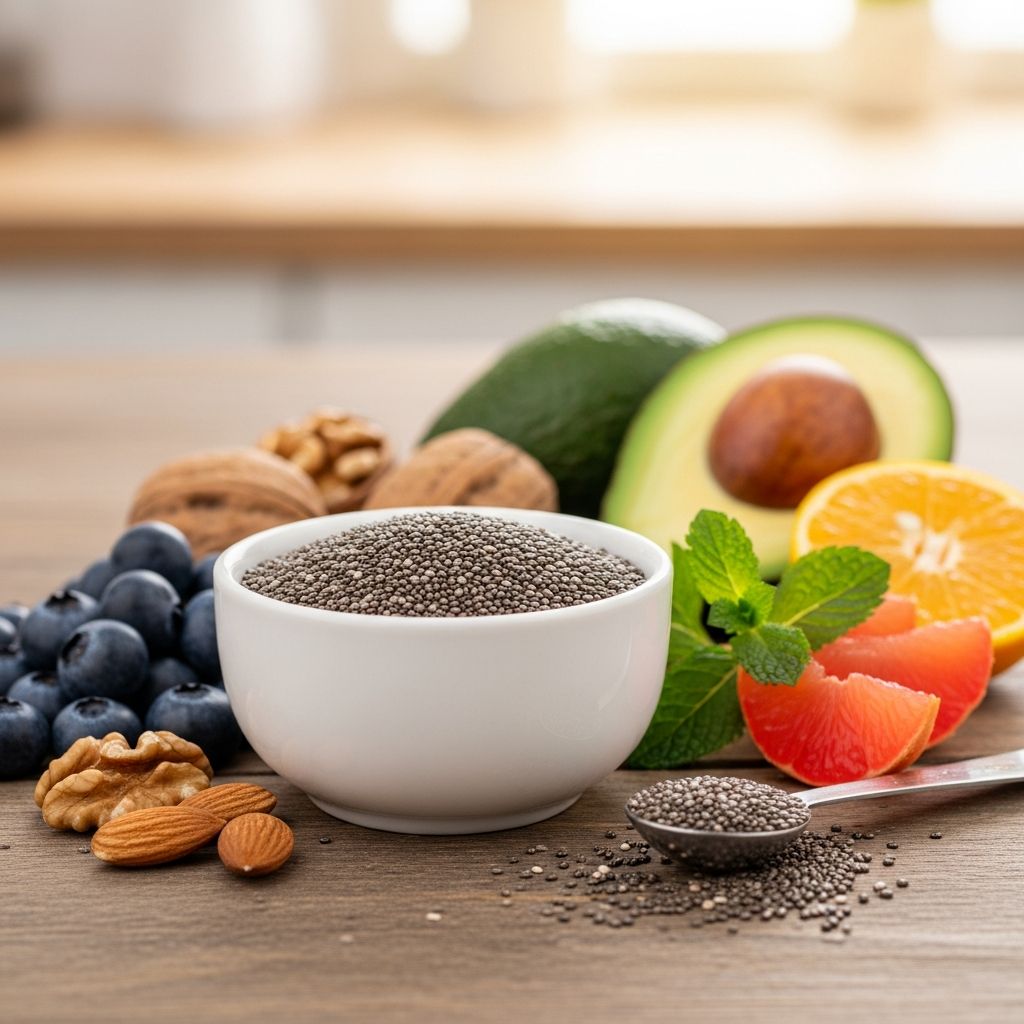
Chia seeds, tiny powerhouses from the Salvia hispanica plant, have gained popularity for their impressive nutritional profile. Native to Mexico and Guatemala, these seeds are rich in fiber, omega-3 fatty acids, protein, and essential minerals. When mixed with liquid, they form a gel-like substance, absorbing up to 12 times their weight, which aids in digestion and satiety. A standard serving of about 2.5 tablespoons provides 140 calories, 10 grams of fiber, 5 grams of protein, and heart-healthy fats. Research highlights their potential in supporting multiple health conditions through these nutrients.
Heart Health
**Chia seeds promote cardiovascular wellness** by delivering high levels of omega-3 fatty acids in the form of alpha-linolenic acid (ALA), comparable to flaxseeds. These fats help reduce cholesterol levels, lower blood pressure, decrease platelet aggregation, and combat oxidation, key factors in preventing heart disease.
The soluble fiber in chia seeds binds to cholesterol in the digestive system, facilitating its excretion and thereby lowering LDL (bad) cholesterol. Studies indicate that regular consumption can improve lipid profiles and reduce inflammation markers associated with atherosclerosis. Additionally, the antioxidants in chia seeds protect blood vessels from oxidative stress, supporting overall heart function.
Incorporating chia seeds into a heart-healthy diet is straightforward. Sprinkling them on oatmeal or blending into smoothies provides a daily dose without altering flavors significantly, thanks to their mild taste.
Digestive Health
**Chia seeds excel in promoting intestinal regularity** due to their exceptional
fiber content
—about 10 grams per serving, fulfilling roughly one-third of daily needs. This mix of soluble and insoluble fiber softens stool, prevents constipation, and fosters a healthy gut microbiome.The gel-forming property aids in smooth digestion, reducing bloating and discomfort. Fiber also protects against colorectal cancer by speeding transit time and binding potential carcinogens. For those with irritable bowel syndrome (IBS), chia’s gentle texture can soothe symptoms without irritation, unlike harsher laxatives.
- Helps alleviate constipation by increasing stool bulk.
- Supports gut bacteria through prebiotic effects.
- Lowers risk of diverticulitis and related issues.
Start with small amounts to avoid initial gas, gradually increasing to maximize benefits.
Blood Sugar Control
**Managing diabetes and prediabetes** benefits from chia seeds’ low glycemic index and high fiber. The fiber slows carbohydrate absorption, preventing blood sugar spikes and promoting stable levels throughout the day.
Omega-3s enhance insulin sensitivity, while protein contributes to satiety, reducing overeating risks. Clinical evidence shows chia supplementation can lower fasting glucose and HbA1c in type 2 diabetes patients. This makes chia an ideal addition for those monitoring glycemic control.
| Nutrient | Benefit for Blood Sugar |
|---|---|
| Fiber (10g/serving) | Slows glucose absorption |
| Protein (5g/serving) | Improves insulin response |
| Omega-3 ALA | Reduces inflammation |
Weight Management
**Chia seeds aid weight loss** by expanding in the stomach, creating a sense of fullness that curbs appetite. Their fiber and protein combo delays digestion, helping control calorie intake without hunger pangs.
Studies link high-fiber diets including chia to greater weight reduction compared to low-fiber ones. The seeds’ low calorie density allows generous portions. Hydration is key, as chia absorbs water, amplifying satiety effects.
- Promotes portion control naturally.
- Boosts metabolism via protein.
- Reduces cravings for unhealthy snacks.
Recipes like chia pudding serve as low-calorie treats supporting sustainable weight goals.
Related Stories



Bone Health
**Supporting skeletal strength**, chia seeds provide calcium, magnesium, and phosphorus—essential for bone density. One serving delivers significant portions of daily requirements, rivaling dairy sources for plant-based diets.
These minerals work synergistically to maintain bone mineralization, preventing osteoporosis, especially in postmenopausal women. Omega-3s reduce inflammation that can erode bone health over time.
Regular inclusion combats age-related bone loss, complementing exercise and vitamin D intake.
Other Potential Benefits
Beyond primary conditions, chia seeds offer antioxidant protection against oxidative stress, potentially lowering cancer risks. Their complete protein profile (containing all essential amino acids) supports muscle repair and immune function. Anti-inflammatory properties may ease arthritis symptoms, while hydration benefits from gel formation aid skin health.
How to Use Chia Seeds
Versatile chia seeds integrate easily into meals. Add to smoothies, yogurt, salads, or baked goods. Soak overnight for pudding. Grocery options include whole, ground, or pre-mixed products.
Overnight Chocolate Chia Pudding Recipe
Serves 4. Ingredients: 1½ cups almond milk, ⅓ cup chia seeds, ¼ cup cocoa powder, 4 tbsp maple syrup, ½ tsp cinnamon, ½ tsp vanilla. Whisk all but chia, add seeds, refrigerate overnight. 165 calories/serving: 9g fiber, 4g protein.
Carrot Cake Overnight Oats Recipe
Serves 1. Ingredients: ½ cup oats, ⅔ cup skim milk, ⅓ cup Greek yogurt, ¼ cup grated carrot, 1½ tsp chia, 2 tsp maple syrup, ½ tsp cinnamon/vanilla, toppings. Mix, chill. 395 calories: 9g fiber, 21g protein, 100% vitamin A.
Precautions and Considerations
While safe for most, start small to avoid digestive upset. Those on blood thinners consult doctors due to omega-3s. Hydrate well to prevent choking on dry seeds. Not a cure-all—pair with balanced diet.
Frequently Asked Questions (FAQs)
Are chia seeds good for heart health?
Yes, their omega-3s and fiber lower cholesterol and blood pressure.
Can chia seeds help with constipation?
Absolutely, high fiber promotes regularity.
Do chia seeds support weight loss?
They enhance satiety and control appetite.
Are chia seeds beneficial for diabetics?
Yes, they stabilize blood sugar via fiber.
How much chia seeds per day?
1-2 tablespoons, with plenty of water.
References
- Chia seeds pack nutritional punch — Mayo Clinic Health System, Romi Londre, RDN, CD. 2024-10-29. https://sncs-prod-external.mayo.edu/hometown-health/speaking-of-health/chia-seeds-pack-nutritional-punch
- Chia seeds (Salvia hispanica L.): A therapeutic weapon in metabolic diseases — PMC / NIH. 2023. https://pmc.ncbi.nlm.nih.gov/articles/PMC9834868/
Similar Articles








Read full bio of Sneha Tete