14 Conditions That Mimic Flu Symptoms And How To Tell
Flu-like symptoms can signal serious conditions beyond the flu. Learn to identify and differentiate them for timely medical care.

Flu season brings waves of fever, chills, body aches, fatigue, and cough—but these symptoms aren’t exclusive to influenza. Numerous other conditions can present with strikingly similar flu-like symptoms, making accurate diagnosis challenging without medical evaluation. While the flu virus typically resolves within 1-2 weeks, persistent or worsening symptoms may indicate something more serious.
Understanding these flu symptom mimickers empowers you to seek appropriate care. This comprehensive guide covers 14 common conditions that doctors frequently differentiate from influenza, drawing from authoritative sources like the CDC and peer-reviewed studies. Always consult a healthcare provider for personalized diagnosis and treatment—self-diagnosis can be dangerous.
What Are Flu-Like Symptoms?
Flu-like symptoms, also called systemic symptoms, include fever (typically 100.4°F or higher), chills, muscle aches (myalgia), fatigue, headache, sore throat, cough, and sometimes nausea or diarrhea. These occur because the body’s immune response to infection triggers cytokine release, causing widespread inflammation.
According to the CDC, influenza A and B viruses cause most seasonal flu cases, but bacterial infections, other viruses, and even non-infectious conditions can produce identical presentations. Distinguishing them often requires lab tests like rapid antigen tests, PCR, blood work, or imaging.
1. COVID-19
The SARS-CoV-2 virus causes COVID-19, which shares 80-90% symptom overlap with flu. Common features include fever, dry cough, fatigue, loss of taste/smell, shortness of breath, and body aches. Unlike flu, COVID-19 can lead to loss of smell (anosmia) without nasal congestion and has a higher risk of long-term complications like Long COVID.
Per 2025 CDC data, COVID-19 hospitalization rates remain elevated during winter months. Testing is crucial—rapid antigen tests detect both flu and COVID-19 in many cases. Vaccines reduce severity for both illnesses.
2. Common Cold
Rhinoviruses and other coronaviruses cause the common cold, presenting with milder flu-like symptoms: runny nose, sneezing, sore throat, mild fatigue, and occasional low-grade fever. Colds rarely cause high fever or severe body aches like flu.
Duration is key—colds resolve in 7-10 days without complications. Antibiotics are ineffective as colds are viral.
3. Strep Throat
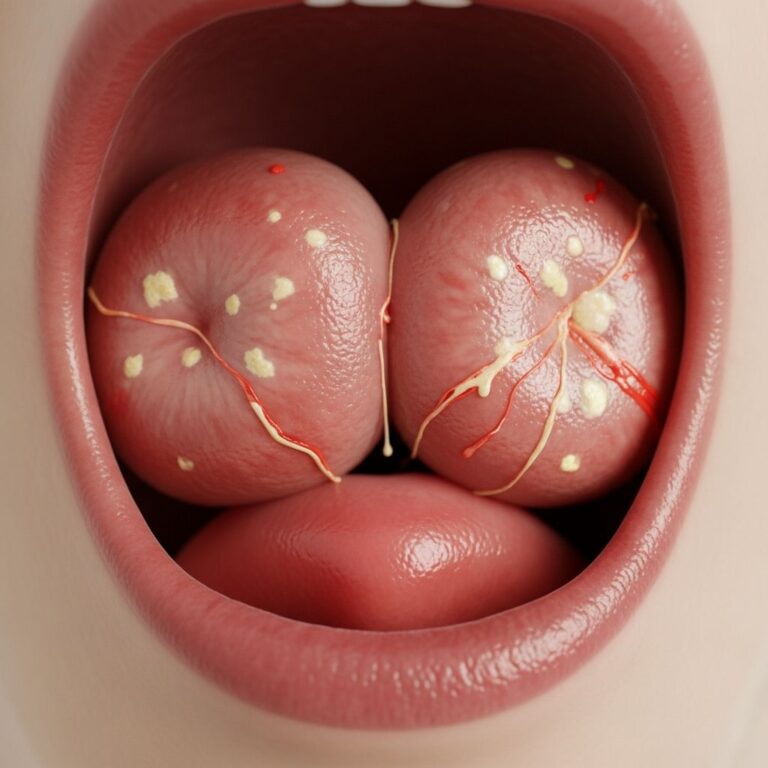
Group A Streptococcus bacteria cause this bacterial infection, leading to severe sore throat, fever, headache, and swollen lymph nodes—sometimes with body aches mimicking flu. Unlike viral illnesses, strep lacks cough or runny nose.
A rapid strep test or throat culture confirms diagnosis. Untreated strep risks rheumatic fever or kidney damage. Penicillin remains first-line treatment per IDSA guidelines.
4. Pneumonia
Bacterial (e.g., Streptococcus pneumoniae) or viral pneumonia inflames lung tissue, causing high fever, chills, productive cough, chest pain, and profound fatigue. Symptoms can follow a flu-like prodrome.
Related Stories



Chest X-rays and sputum cultures diagnose pneumonia. The CDC reports over 1 million U.S. cases annually, with higher mortality in older adults. Hospitalization often required for severe cases.
5. Mononucleosis (Mono)
Epstein-Barr virus (EBV) causes mono, featuring extreme fatigue, fever, sore throat, swollen glands, and body aches lasting 2-4 weeks. The ‘kissing disease’ spreads via saliva.
A monospot test detects heterophile antibodies. Rest is primary treatment; fatigue can persist months. Per NIH studies, 90% of adults carry EBV antibodies.
6. Lyme Disease
Borrelia burgdorferi bacteria, transmitted by tick bites, cause Lyme disease. Early symptoms mimic flu: fever, chills, fatigue, muscle aches, headache. The classic bull’s-eye rash appears in 70-80% of cases.
CDC data shows 476,000 annual U.S. cases. Doxycycline is effective if treated early; delayed diagnosis leads to arthritis, neurological issues. Tick checks after outdoor activities are preventive.
7. Dengue Fever
Mosquito-borne dengue virus causes high fever, severe headache, eye pain, muscle/joint aches (‘breakbone fever’), and rash. In severe cases, hemorrhagic fever develops.
WHO reports 400 million global cases yearly. No specific antiviral; supportive care manages symptoms. Vaccine available in endemic areas.
8. HIV Acute Retroviral Syndrome
2-4 weeks post-HIV exposure, acute infection presents with flu-like illness: fever (96%), rash, sore throat, lymphadenopathy, myalgia. Many dismiss it as routine flu.
CDC emphasizes early testing—HIV RNA PCR detects infection within days. Untreated acute HIV progresses to AIDS; antiretrovirals now enable normal lifespans.
9. Viral Hepatitis
Hepatitis A, B, and E cause acute flu-like prodrome: fatigue, fever, nausea, jaundice. Hepatitis A spreads fecal-orally; B/C via blood/bodily fluids.
ALT/AST blood tests confirm diagnosis. Vaccination prevents A/B; antivirals treat chronic cases. CDC: 14,000 annual acute hepatitis A cases.
10. Sinusitis
Bacterial sinus infections following viral URI cause facial pain/pressure, fever, thick nasal discharge, headache, fatigue. Symptoms persist >10 days or worsen after improvement.
CT scans or endoscopy diagnose chronic cases. Amoxicillin-clavulanate treats acute bacterial sinusitis per IDSA guidelines.
11. Ear Infections (Otitis Media)
Middle ear infections cause ear pain, fever, irritability, and systemic symptoms in children/adults. Often follows colds.
Otoscope exam confirms. Watchful waiting suitable for mild cases; antibiotics for severe symptoms per AAP guidelines.
12. Bronchitis
Viral acute bronchitis causes cough, mucus production, mild fever, fatigue lasting 1-3 weeks. Bacterial cases rare.
Chest X-rays rule out pneumonia. Symptom management primary; antibiotics overprescribed.
13. Urinary Tract Infection (UTI)
Especially pyelonephritis (kidney infection) causes fever, chills, flank pain, nausea mimicking flu. More common in women.
Urinalysis/culture confirms. Nitrofurantoin or TMP-SMX standard treatment.
14. Endocarditis
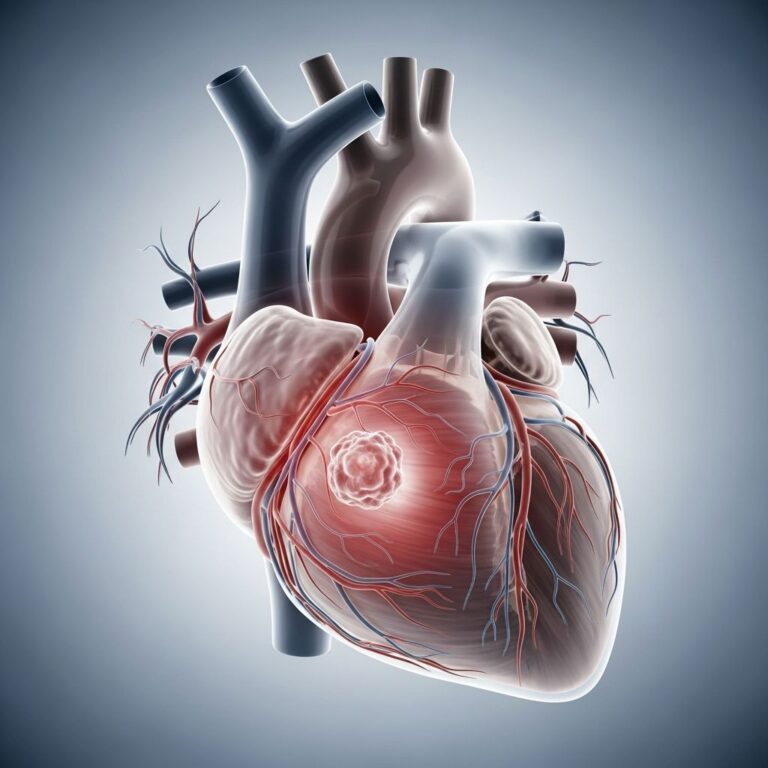
Bacterial heart valve infection causes persistent fever, chills, fatigue, heart murmur, embolic phenomena. High mortality if untreated.
Blood cultures/echocardiogram diagnose. IV antibiotics 4-6 weeks required. AHA reports 25,000-50,000 U.S. cases yearly.
When to See a Doctor
- Fever >101°F lasting >3 days
- Difficulty breathing or chest pain
- Confusion, severe headache, stiff neck
- Symptoms not improving after 7-10 days
- High-risk groups: elderly, pregnant, immunocompromised
Seek immediate care for dehydration, bluish lips, or unresponsiveness.
Frequently Asked Questions (FAQs)
What causes flu-like symptoms?
Immune response to infections (viral/bacterial) releases cytokines causing fever, aches, fatigue. Non-infectious causes include autoimmune flares.
How do you tell flu from COVID-19?
Symptom overlap high; testing required. COVID-19 more likely causes anosmia, GI symptoms; flu causes more abrupt onset.
Can flu-like symptoms be cancer?
Rarely, but lymphoma/leukemia can present with B symptoms (fever, night sweats, weight loss). Persistent symptoms warrant blood work.
Are antibiotics needed for flu-like symptoms?
No—most viral. Reserve for confirmed bacterial infections to prevent resistance.
Prevention Tips
| Strategy | Effectiveness |
|---|---|
| Annual flu vaccine | 40-60% effective |
| Hand hygiene | 16-21% reduction |
| COVID-19 boosters | High protection |
| Treatment within 48 hrs | Reduces complications |
References
- Flu Symptoms & Diagnosis — Centers for Disease Control and Prevention. 2025-09-15. https://www.cdc.gov/flu/symptoms/symptoms.htm
- Clinical Practice Guideline for Diagnostic Stewardship… — Infectious Diseases Society of America. 2024-07-11. https://www.cdc.gov/lyme/data-stats/index.html
- Acute HIV Infection — National Institutes of Health. 2024-11-08. https://hivinfo.nih.gov/understanding-hiv/fact-sheets/acute-hiv-infection
- 2024-2025 Flu Season — World Health Organization. 2025-10-01. https://www.who.int/teams/global-influenza-programme/surveillance-and-monitoring/influenza-updates/current-influenza-update
Similar Articles








Read full bio of medha deb