Zinc: 8 Evidence-Based Conditions It Can Help
Discover how zinc supports immune function, wound healing, colds, diarrhea, AMD, and more for better health outcomes.
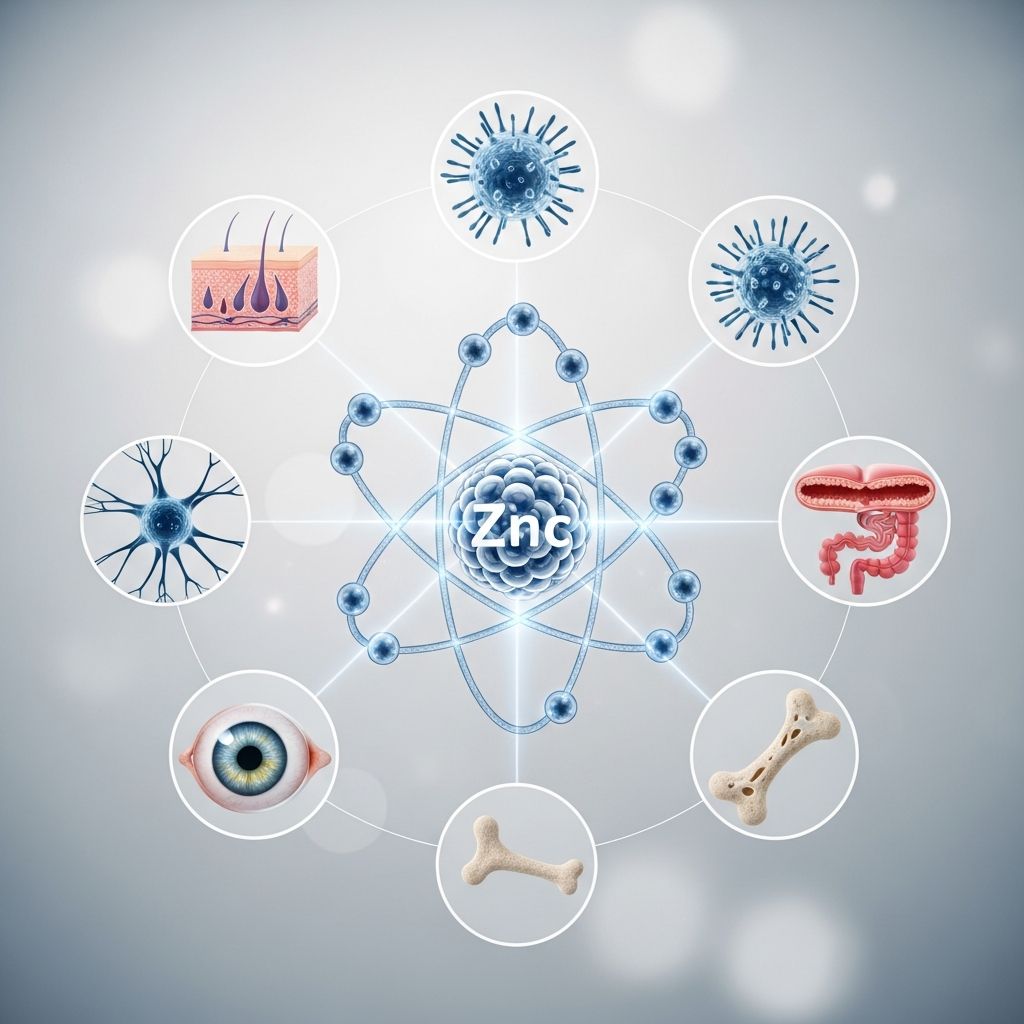
Zinc is an essential trace mineral vital for numerous bodily functions, including immune support, wound healing, DNA synthesis, and cell growth. Found in cells throughout the body, it acts as a cofactor for over 300 enzymes and plays key roles in protein synthesis, immune cell function, and taste perception.
What Is Zinc?
Zinc is a micronutrient required for immune system function, metabolism, wound healing, and senses of taste and smell. It supports cell division, growth, and carbohydrate breakdown, making it crucial during pregnancy, infancy, childhood, and adolescence.
The body cannot store zinc efficiently, so daily intake from food or supplements is necessary. High concentrations exist in the retina, prostate, and immune cells. Deficiency impairs growth, immunity, and healing, particularly in vulnerable groups like children in low-income areas or the elderly.
How Much Zinc Do You Need?
The Recommended Dietary Allowance (RDA) for zinc is 11 mg/day for adult men and 8 mg/day for non-pregnant women aged 19+. Pregnant women need 11 mg/day, and lactating women require 12 mg/day. Children and adolescents have varying needs based on age, typically 2-11 mg/day.
Upper limits are 40 mg/day for adults to avoid adverse effects like nausea or copper interference. Food sources include oysters (highest), beef, poultry, beans, nuts, and fortified cereals. Bioavailability is higher from animal sources than plant-based foods due to phytates.
Conditions Zinc Can Help With
1. Common Cold
Zinc may shorten the duration and severity of common cold symptoms when taken as lozenges or syrup early in infection. It inhibits rhinovirus replication in nasal mucosa and reduces inflammation.
A 2021 systematic review of 28 trials (5,446 participants) found zinc reduced cold duration by about one-third but had mixed effects on severity. Lozenges taken within 24 hours of symptoms were most effective, reducing illness day 3 severity.
Cochrane reviews confirm lozenges tame severity if started promptly, though they do not prevent colds. Experts recommend supplementation for at least 5 months to lower risk, but not exceeding RDA long-term.
2. Diarrhea
Zinc supplements reduce diarrhea duration and severity, especially in children with low zinc status or malnutrition. In HIV adults with deficiency, 12-15 mg/day cut diarrhea rates by 60% over 18 months.
A Cochrane review of trials in low-income countries showed 10-20 mg zinc for up to 20 months lowered diarrhea incidence in children aged 2-59 months. It supports gut repair and immune response.
For malnourished children, zinc eases symptoms; evidence is insufficient for well-nourished kids on varied diets.
3. Wound Healing
Zinc is essential for collagen synthesis, immune activity against wound inflammation, and new cell formation. Deficiency delays healing; supplementation benefits those with low levels and severe wounds like ulcers or burns.
Related Stories



Topical zinc forms protective barriers, repels moisture, and aids enzyme breakdown of damaged tissue. Oral supplements help people with poor appetite and high needs, such as post-surgery or chronic wounds.
No side effects reported from topical use. Systemic zinc supports fibroblast proliferation and keratinocyte migration.
4. Age-Related Macular Degeneration (AMD)
Zinc slows AMD progression in high-risk individuals, particularly when combined with antioxidants and copper (AREDS formula). The retina’s high zinc levels protect against oxidative damage.
The AREDS trial (4,757 participants aged 50-80) showed 80 mg zinc + antioxidants reduced advanced AMD risk by 25% over 6.3 years. AREDS2 confirmed 25 mg zinc equally effective.
Observational data link higher intakes (≥15.8 mg/day) to 44-46% lower AMD risk at 5-10 years.
5. Type 2 Diabetes
Higher zinc intakes correlate with lower type 2 diabetes risk. A meta-analysis of 16 studies (146,027 adults) found 13% reduced risk in highest vs. lowest intake groups.
Zinc enhances insulin action and protects beta cells. Observational links exist, but clinical trials are needed for causation.
6. Pneumonia
Poor zinc status increases pneumonia susceptibility, severity, and mortality in children. Supplementation (10-20 mg) reduced incidence and prevalence in 5,193 children across six trials.
Zinc boosts immune cells like lymphocytes and macrophages, critical for respiratory defense.
7. Immune Function (Including HIV)
Zinc supports immune cell growth and function. Deficiency slows lymphocytes, neutrophils, and macrophages, raising infection risk in elderly or deficient individuals.
In HIV patients with low zinc (<75 mcg/dL), supplementation reduced immunological failure by 76%.
8. Growth and Development
Zinc is required for DNA/protein synthesis and growth during pregnancy, infancy, and adolescence. Deficiency causes stunting, poor appetite, and delayed development.
Signs of Zinc Deficiency
- Loss of taste or smell
- Poor appetite
- Depressed mood
- Decreased immunity/infections
- Delayed wound healing
- Diarrhea
- Hair loss
- Growth stunting in children
At-risk groups: children in low-income countries, elderly, vegetarians, pregnant/lactating women.
Zinc-Rich Foods
| Food | Serving Size | Zinc (mg) | % RDA (Men) |
|---|---|---|---|
| Oysters | 3 oz | 74 | 673% |
| Beef chuck roast | 3 oz | 7 | 64% |
| Chicken | 3 oz | 1 | 9% |
| Yogurt | 8 oz | 1.7 | 15% |
| Cashews | 1 oz | 1.6 | 15% |
| Chickpeas | 1/2 cup | 1.3 | 12% |
Data adapted from NIH and Harvard sources.
Zinc Supplements
Forms: gluconate, sulfate, acetate (lozenges for colds). Benefits for deficiency-related conditions; consult doctor for high doses. Avoid excess to prevent copper deficiency or GI upset.
Frequently Asked Questions
Can zinc prevent colds?
Zinc lozenges started within 24 hours may shorten duration but do not reliably prevent colds.
Is zinc safe for wound healing?
Yes, especially for deficient individuals with ulcers or burns; topical and oral forms aid repair.
Does zinc help diarrhea in children?
Yes, 10-20 mg reduces duration/severity in malnourished or deficient kids.
Can zinc slow AMD?
AREDS formula with 25-80 mg zinc reduces progression in high-risk patients.
What are zinc deficiency symptoms?
Loss of taste/smell, poor immunity, slow healing, hair loss, diarrhea.
How much zinc for adults?
RDA: 11 mg men, 8 mg women; upper limit 40 mg.
References
- Zinc – Health Professional Fact Sheet — Office of Dietary Supplements, NIH. 2023-07-12. https://ods.od.nih.gov/factsheets/Zinc-HealthProfessional/
- Zinc and Your Health – The Nutrition Source — Harvard T.H. Chan School of Public Health. 2024-01-15. https://nutritionsource.hsph.harvard.edu/zinc/
- Zinc in diet: MedlinePlus Medical Encyclopedia — MedlinePlus, NIH. 2023-11-20. https://medlineplus.gov/ency/article/002416.htm
- Zinc – Mayo Clinic — Mayo Clinic Staff. 2024-05-10. https://www.mayoclinic.org/drugs-supplements-zinc/art-20366112
Similar Articles








Read full bio of Sneha Tete