Condom Catheter for Incontinence: Application, Use & Care
Complete guide to condom catheters: Learn how to apply, use, and maintain external urinary collection devices.
Understanding Condom Catheters for Incontinence Management
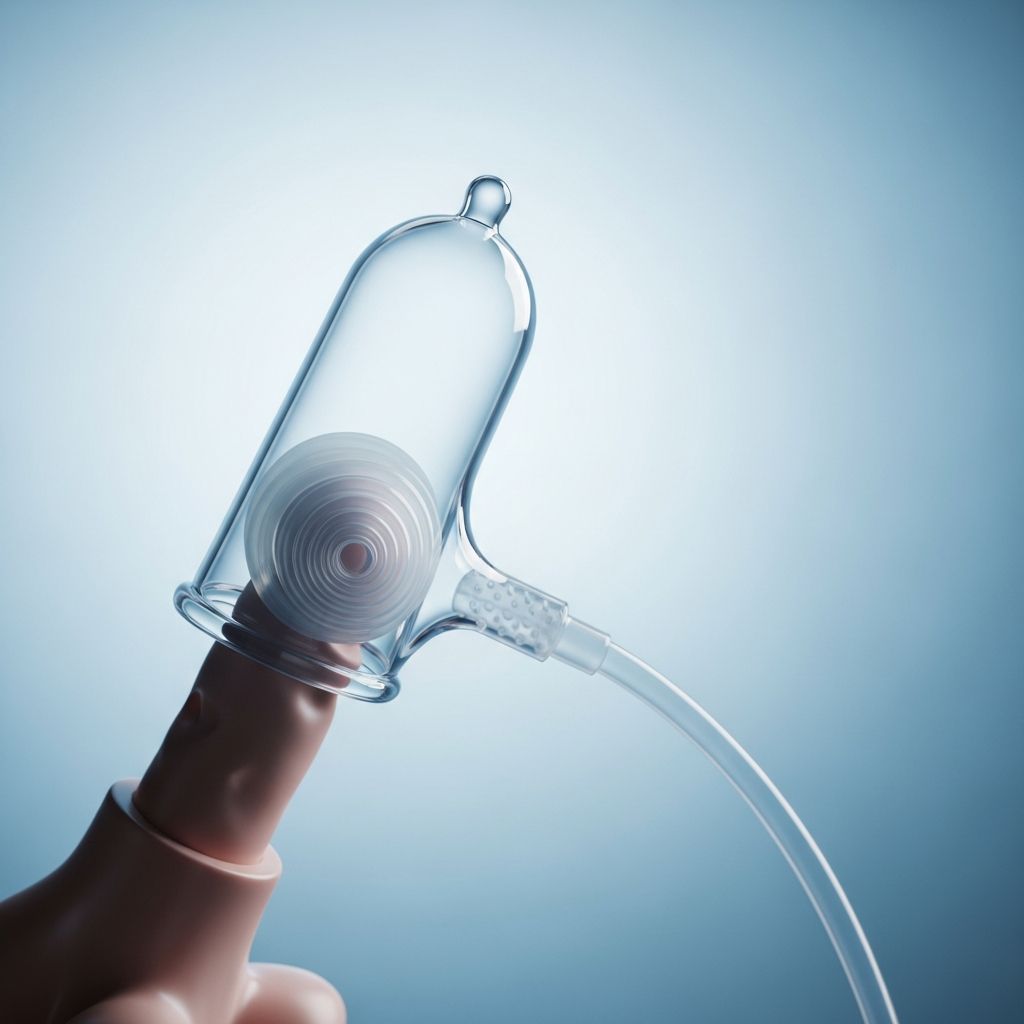
A condom catheter is a specialized urine collection device designed to help manage urinary incontinence in individuals with a penis. This external catheter functions by fitting over the penis like a traditional condom, with a tube at the tip that connects to a urine collection bag that can be strapped to your leg for discreet, portable use throughout the day. Unlike internal catheters that require insertion through the urethra, condom catheters offer a non-invasive alternative that many patients find more comfortable and easier to manage.
Condom catheters have become increasingly popular among individuals seeking alternatives to Foley catheters or absorbent incontinence products. The device provides continuous urine collection, allowing individuals to maintain their daily activities without the worry of leaks or constant changes associated with traditional incontinence management methods. This makes them particularly valuable for individuals experiencing frequent urinary incontinence or those unable to access bathroom facilities regularly.
How Condom Catheters Work
The condom catheter operates on a simple yet effective principle. The sheath portion fits snugly over the penis, similar to a standard condom, creating a seal that directs urine flow through an integrated tube system. This tube then connects to a collection bag—typically worn strapped to the inner thigh—where urine accumulates throughout the day. The collection bag can be easily emptied as needed and often features graduation marks to help you monitor urine output.
The device is designed to maintain a secure seal while allowing for natural movement and activity. Modern condom catheters come with various attachment mechanisms, including self-adhesive options that stick directly to skin, or non-adhesive varieties secured with specialized medical tape or skin-safe adhesives. This flexibility allows users to choose the option that works best for their lifestyle and comfort preferences.
Choosing the Right Condom Catheter
Material Options
Condom catheters are available in multiple material compositions, with the two most common being latex and silicone. Latex options tend to be more affordable but may cause allergic reactions in sensitive individuals. Silicone catheters, while typically more expensive, offer superior biocompatibility and are hypoallergenic, making them ideal for individuals with latex sensitivities or those seeking longer-term wear comfort.
Finding Your Correct Size
Proper sizing is critical for successful condom catheter use and leak prevention. You must measure the circumference or girth of your penis at the base of the shaft, where it is widest. Manufacturers provide sizing charts based on these measurements, typically ranging from small to extra-large. Clinical data shows that approximately 92% of patients fit a medium-large size catheter (26–36 mm), which remained in place during movement in 89% of cases and showed zero skin injury over 44 catheter days. Many manufacturers offer sample products that allow you to test different sizes before committing to a full purchase.
Adhesive Versus Non-Adhesive
Related Stories



Self-adhesive condom catheters come coated with a sticky substance that attaches directly to your skin, providing secure hold without additional supplies. Non-adhesive options require securing with special medical tape or skin-safe adhesive applied during application. Your choice depends on personal preference, skin sensitivity, and activity level. Newer adhesive formulations and adjustable silicone catheters can be reused for up to three days, potentially reducing costs and environmental waste while maintaining effectiveness.
Step-by-Step Application Guide
Preparation and Hygiene
Before applying your condom catheter, thoroughly wash your hands with soap and water to minimize infection risk. Clean the penis and surrounding area with mild soap and water, then pat dry completely with a clean towel. Trim or clip pubic hair around the base of the penis using electric clippers or scissors—a crucial step that prevents hair from becoming trapped under the catheter, which can cause discomfort and skin irritation.
Application Steps
Begin by applying any recommended skin barrier product to protect the skin from adhesive irritation. Position the catheter tip on your penis, leaving approximately two centimeters (0.75 inches) of space between the catheter tip and the end of your penis to ensure proper urine flow. Slowly and carefully unroll the catheter down the shaft, smoothing out any folds or wrinkles as you go. Gentle stretching of the penis during application can facilitate smoother placement.
Press gently at the base of the catheter for 15 seconds to activate the adhesive using your warm hand. If using adhesive tape, apply it in a spiral pattern around the base rather than circumferentially, as circular wrapping can restrict blood flow and potentially cause tissue damage. Confirm that urine flows freely through the collection system before completing your application.
Benefits of Condom Catheters
Condom catheters offer numerous advantages compared to alternative incontinence management options:
- Non-invasive design eliminates the need for internal insertion procedures
- Significantly reduced risk of urinary tract infections (UTIs) compared to indwelling Foley catheters
- Greater comfort and ease of use compared to internal catheterization
- Simple application and removal that can be performed independently at home
- Improved hygiene and ability to maintain dry skin throughout the day
- Discreet, portable design compatible with daily activities and clothing
- Lower risk of bladder stones and spasms associated with internal catheters
- Suitable for both short-term and long-term incontinence management
Risks and Potential Complications
While condom catheters are generally safe, users should be aware of potential complications:
- Skin irritation or allergic reactions at the adhesive contact site
- Restricted blood flow if the catheter or securing tape is applied too tightly
- Urinary tract infections, though less common than with indwelling catheters
- Obstruction or kinking of the tubing preventing proper urine drainage
- Psychological discomfort related to wearing the device
- Skin maceration from prolonged moisture exposure
- Difficulty maintaining proper seal during vigorous activity or movement
Healthcare providers may not recommend condom catheters if you have a bladder stone, are unable to apply or remove the device independently, or require management of urinary retention rather than incontinence.
Daily Care and Maintenance
Change Frequency
You should change your condom catheter every 24 hours for optimal hygiene and to prevent complications. However, modern catheters with improved adhesive formulations can be worn for up to 72 hours. Daily changing is recommended when possible to reduce infection risk and maintain skin health. Always follow your healthcare provider’s specific recommendations regarding change frequency.
Collection Bag Management
Empty your collection bag when it becomes three-quarters full or whenever you notice significant urine accumulation. Most bags feature graduated markings to help you gauge fullness. Regularly inspect the catheter and surrounding skin for any signs of leaks, redness, swelling, or other abnormalities, especially during periods of increased activity.
Removal and Skin Care
When removing the condom catheter, gently roll it off starting from the adhesive base. If the catheter adheres firmly, apply a warm, damp washcloth to the area to loosen the adhesive, or use a specialized adhesive remover product. Never forcibly tear off the catheter, as this can cause skin damage and trauma. After removal, inspect the skin carefully and seek medical attention if you notice swelling, significant redness, or other concerning changes.
Medical Conditions Suitable for Condom Catheter Use
Condom catheters work particularly well for specific types of incontinence and urological conditions. They are highly effective for urge incontinence, bladder overactivity, and stress incontinence. The device is especially beneficial for individuals with neurogenic overactive bladder dysfunction caused by spinal disorders, where bladder muscles contract excessively, leading to urgency incontinence or involuntary voids without sensory awareness.
Individuals recovering from prostatectomy procedures often find condom catheters valuable during the recovery phase when temporary incontinence occurs. Rather than dealing with constantly wet diapers and repeated changes, the catheter provides a more dignified and practical solution. The device is also useful for older men with overactive bladder dysfunction experiencing frequent urgency incontinence episodes, though careful monitoring is necessary in individuals with cognitive impairment who may attempt to remove the device.
Female External Catheter Alternatives
For individuals with a vulva experiencing incontinence, different external catheter options exist. One type covers the vulva and comes with adjustable underwear featuring a soft, absorbent pad that drains into a collection bag. Another design uses a curved tube resembling a thin banana, with absorbent wicking material covering the tube as it extends from the pubic bone to the buttocks. These female external catheters utilize a gentle vacuum mechanism and attach to a collection container. However, these devices are primarily designed for use while sitting or lying down and are not suitable for active movement or walking.
Condom Catheters Versus Indwelling Catheters
The primary distinction between condom catheters and indwelling (Foley) catheters lies in their application method and invasiveness. Condom catheters remain external, fitting over the penis without requiring any internal insertion. Indwelling catheters, by contrast, must be inserted through the urethra to access the bladder directly. Condom catheters are significantly less likely to cause urinary tract infections and other serious complications associated with prolonged internal catheterization. The choice between these options depends on your specific incontinence cause and your healthcare provider’s clinical assessment.
Important Monitoring and Routine Care in Institutional Settings
In healthcare facilities, specific protocols guide condom catheter use and management. Institutional staff follow established procedures regarding change frequency, escalation pathways to prevent complications, and regular monitoring for signs of problems. If you’re using a condom catheter in any setting, always follow facility protocols and report any concerns, discomfort, or signs of complications immediately to your healthcare provider.
Frequently Asked Questions
Q: How often should a condom catheter be changed?
A: Every 24 hours is ideal for optimal hygiene and infection prevention. However, modern catheters with improved adhesive formulations can be worn for up to 72 hours. Always consult your healthcare provider for specific recommendations based on your individual needs.
Q: Can I wear a condom catheter during physical activity or exercise?
A: Yes, many individuals wear condom catheters during daily activities. However, check that the catheter remains secure during movement, and regularly inspect for leaks or displacement. Some individuals may need to adjust their activity level or choose specific catheter types designed for active use.
Q: What should I do if my condom catheter leaks?
A: Leaks may indicate improper sizing, incorrect application, or a compromised seal. Check that the catheter is properly positioned with appropriate space at the tip, verify that you’re using the correct size, and ensure adhesive or tape is applied correctly. If leaks persist, consult your healthcare provider about alternative sizing or application techniques.
Q: Can I shower or bathe while wearing a condom catheter?
A: Yes, you can shower while wearing a condom catheter. However, take precautions to keep the connection point between the catheter and tubing dry. Some individuals prefer to remove the catheter for bathing. Follow your healthcare provider’s recommendations for your specific situation.
Q: Is a condom catheter suitable for long-term use?
A: Condom catheters can be used for both short-term and long-term incontinence management. They are particularly effective for chronic conditions like neurogenic overactive bladder dysfunction. Discuss long-term use considerations with your healthcare provider to ensure ongoing appropriateness for your needs.
Q: What should I do if I have a latex allergy?
A: Choose silicone condom catheters instead of latex options. Silicone is hypoallergenic and provides excellent biocompatibility for individuals with latex sensitivities. Always inform your healthcare provider about any allergies when selecting catheter materials.
Q: Can I reuse a condom catheter?
A: Traditional catheters are designed for single use only. However, newer adjustable silicone catheters with improved adhesive formulations can be reused for up to three days, potentially reducing costs and environmental waste. Follow manufacturer guidelines and consult your healthcare provider about reusable options.
References
- Condom Catheter for Incontinence: Application, Use & Care — Cleveland Clinic. Accessed 2025-12-01. https://my.clevelandclinic.org/health/procedures/22475-condom-catheter-for-incontinence
- What’s a Condom Catheter? — WebMD. Accessed 2025-12-01. https://www.webmd.com/urinary-incontinence-oab/what-to-know-about-condom-catheters
- How To Put On A Condom Catheter, Shaving Technique, Etc. — Urology XY. Accessed 2025-12-01. https://www.urologyxy.com/post/how-to-put-on-a-condom-catheter-shaving-technique-etc
- Functional Incontinence: Causes, Symptoms, Treatment & Risks — Cleveland Clinic. Accessed 2025-12-01. https://my.clevelandclinic.org/health/diseases/24858-functional-incontinence
- Stress Incontinence (SUI): Causes, Symptoms & Treatment — Cleveland Clinic. Accessed 2025-12-01. https://my.clevelandclinic.org/health/diseases/22262-stress-incontinence
Similar Articles








Read full bio of medha deb