Condoms: Types, Use, Effectiveness & How They Work
Complete guide to condom types, proper usage, effectiveness rates, and STI prevention strategies.
A Note from Cleveland Clinic
If you’re sexually active, using condoms consistently and correctly is one of the best ways to prevent pregnancy and sexually transmitted infections (STIs). Condoms are a cornerstone of responsible sexual health, offering protection when used properly. Understanding how to select, use, and maintain condoms is essential for anyone looking to safeguard their health during sexual activity.
What Are Condoms?
Condoms are barrier devices designed to prevent pregnancy and reduce the transmission of sexually transmitted infections during sexual intercourse. They work by catching semen and preventing it from entering your partner’s body, thereby blocking both conception and the exchange of bodily fluids that can transmit infections.
When used correctly, condoms are more than 90% effective against various STIs including:
– Chlamydia- Gonorrhea- HIV- Herpes simplex virus (HSV)- Human papillomavirus (HPV)- Syphilis- Trichomoniasis
Types of Condoms
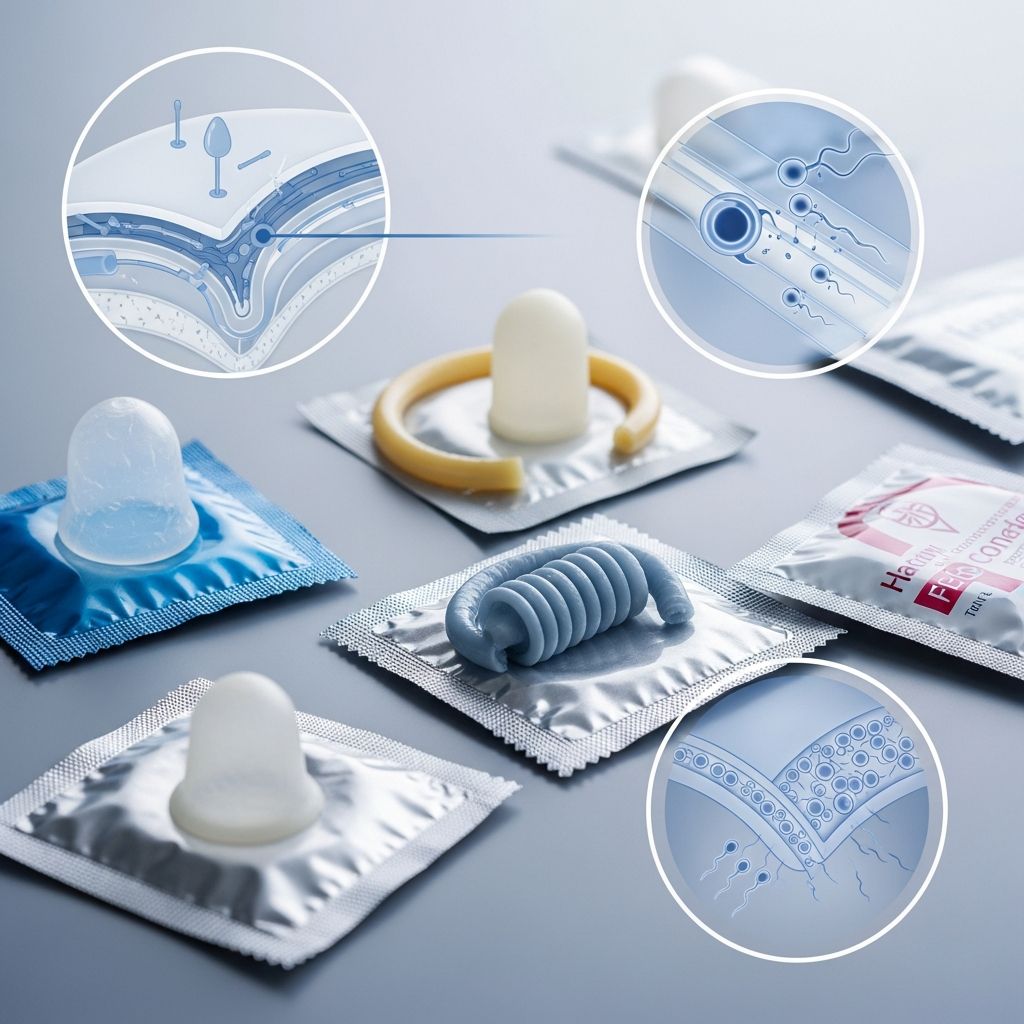
There are two main categories of condoms available for sexual health protection:
External Condoms
External condoms are worn on the penis during sexual activity. They are the most commonly used type and come in various materials, sizes, and styles. External condoms are designed to be rolled over an erect penis and worn throughout intercourse.
Internal Condoms
Internal condoms, also called female condoms, are inserted into the vagina or anus before sexual activity. Unlike external condoms, which require an erect penis, internal condoms can be inserted hours before sexual activity begins. They provide an alternative for those who may have latex allergies or prefer this method.
Important Combination Warning
Do not use external and internal condoms together. The friction between them can cause tearing, leading to potential pregnancy and STI transmission. Similarly, never reuse internal condoms—they are single-use devices only.
Condom Materials
Condoms are made from different materials, each with distinct advantages and considerations:
Latex Condoms
Latex is the most common condom material and is a type of rubber. Latex condoms are highly effective at preventing pregnancy and the transfer of STIs. They are affordable and widely available. However, some individuals may have latex allergies or sensitivities. When using latex condoms, only use water-based or silicone-based lubricants, as oil-based lubes can degrade the latex and cause breakage.
Polyurethane Condoms
Polyurethane is a synthetic material that provides an alternative for those with latex allergies. These condoms are effective at STI and pregnancy prevention and can be used with all types of lubricants, including oil-based options.
Polyisoprene Condoms
Polyisoprene is another synthetic rubber option that mimics the feel of latex while remaining latex-free. These condoms are suitable for individuals with latex sensitivities and offer similar protection levels to latex condoms.
Lambskin Condoms
Natural lambskin condoms are made from animal membrane and can prevent pregnancy. However, they do not provide effective protection against STIs, particularly viral infections like HIV, herpes, and HPV. If you’re concerned about STI prevention, avoid lambskin condoms and choose latex or polyurethane alternatives instead.
Related Stories



Condom Sizing and Fit
Proper condom fit is crucial for both comfort and effectiveness. A condom that’s too tight or too loose can be uncomfortable and may not work as effectively. Condom sizes vary, and it’s important to find the right size based on measurements of your fully erect penis.
Finding Your Size
Look for size recommendations on condom boxes. Most manufacturers provide sizing charts that correspond to specific length and girth measurements. For example, standard condoms typically fit penises between 5 and 7 inches long with a girth of 4 to 5 inches. However, various sizes are available to accommodate different anatomies.
Snug Fit Condoms
| Measurement | Snug Fit Specification |
|---|---|
| Width | Up to 1.8 inches |
| Length | Up to 6.5 inches |
Proper Fit Characteristics
A properly fitted condom should cover your penis snugly (but not too tightly) from tip to base, with a half-inch reservoir at the tip. For some people, there may be extra rolled condom at the base, which is normal and acceptable. However, if the condom doesn’t reach the base of your penis, it’s a clear sign that you need a larger size.
Condom Effectiveness and Limitations
While condoms are highly effective when used correctly, they have both advantages and limitations that you should understand.
Effectiveness Against STIs and Pregnancy
When used consistently and correctly, condoms are more than 90% effective at preventing most STIs and pregnancy. They are the only contraceptive method that provides protection against both pregnancy and sexually transmitted infections.
Important Limitations
Despite their effectiveness, condoms aren’t perfect and have notable limitations:
– Condoms can rip, tear, leak, or slip off during use- They don’t cover your entire genital area- You can still pass or receive some STIs through skin-to-skin contact with areas not covered by the condom- Some STIs that spread through skin-to-skin contact include: – Genital warts (HPV) – Herpes – Molluscum contagiosum – Pubic lice
Lubrication and Condom Performance
Lubrication plays a vital role in condom effectiveness and comfort. Condoms create friction during sex, and excessive friction can lead to discomfort, breakage, or the condom coming off.
Lubricated Condoms
Many condoms come pre-lubricated to help reduce friction during sexual intercourse. Some lubricated condoms contain spermicide, which is a type of birth control that helps prevent sperm from reaching an egg cell. However, if your condom isn’t pre-lubed, you should add your own lubricant.
Lubrication Compatibility
– Latex condoms: Use only water-based or silicone-based lubricants- Polyurethane condoms: Compatible with all lubricant types, including oil-based options- Oil-based lubricants with latex: Will break down the material and cause condom failure
How to Properly Use External Condoms
Using condoms correctly is essential for maximum effectiveness. Follow these steps for proper condom application and use:
Before Application
– Check the condom packaging for expiration dates and signs of damage- Ensure the condom is right-side-out; it should roll easily from the rim on the outside- If uncircumcised, pull back the foreskin
Application Steps
1. Place the condom on the tip of the erect penis2. Pinch the tip of the condom between two fingers, leaving a half-inch space for semen collection3. Hold the tip while unrolling the condom to the base of the penis4. Ensure the entire penis is covered without air bubbles trapped inside
During Intercourse
– Maintain condom integrity by ensuring it stays in place throughout sexual activity- Check periodically that there’s no breakage or slipping- Add more lubricant if needed to reduce friction
After Ejaculation
1. Hold the condom at the base of the penis2. Pull out while the penis is still erect to avoid spillage3. Wrap the condom in a tissue4. Dispose of it in a trash can—never flush condoms down the toilet
Condom Risks and Considerations
While condoms are generally safe and effective, there are several risks and considerations to be aware of:
Latex Allergies
Some individuals experience allergic reactions to latex. If you or your partner has a latex allergy, choose latex-free alternatives such as polyurethane or polyisoprene condoms.
Breakage and Failure
Although uncommon, condoms can break during use. The risk increases with improper sizing, inadequate lubrication, or using expired condoms. Factors that increase breakage risk include friction from using two condoms simultaneously or combining external and internal condoms.
Urinary Tract Infections (UTIs)
Some individuals may experience irritation or urinary tract infections related to condom use. This can occur in both men and women and may be related to latex sensitivity, lubricant irritation, or inadequate lubrication.
General Irritation
Skin irritation in the genital area can occur as a reaction to latex, lubricants, or spermicides. If you experience persistent irritation, try different condom brands or materials.
Storage and Maintenance
Proper storage is crucial for maintaining condom effectiveness. Store condoms in a cool, dry place away from extreme heat, humidity, and direct sunlight. Do not keep condoms in your wallet, as heat and friction can degrade the material over time and compromise their effectiveness. Additionally, damaged or torn packaging can allow air exposure, which may affect condom quality.
Common Myths About Condoms
Several misconceptions about condoms persist. Here are important facts to clarify:
“Condoms Don’t Fit Me”
This is a myth. Although anatomic size varies among individuals, there is a condom available that will fit every person. Different sizes, from extra-small to extra-large, are manufactured to accommodate the full range of anatomical variation.
“Using Two Condoms Is Better Protection”
Do not use two condoms at the same time. Friction during sex can weaken the condoms as they slide against each other, leading to breakage and increased risk of STI transmission or unintended pregnancy. One properly fitting condom is more effective than two.
“Lambskin Condoms Protect Against STIs”
Lambskin condoms can prevent pregnancy but do not provide effective protection against STIs. Only latex or polyurethane condoms should be used if STI prevention is a concern.
What to Do If a Condom Breaks
If a condom breaks, tears, leaks, or slips off during intercourse, take the following steps:
– Contact your healthcare provider about emergency contraception- Emergency contraception can be up to 89% effective at preventing pregnancy when used within 72 hours of intercourse- Discuss STI testing with your provider, including HIV testing- Talk about supplemental birth control options- Ask about vaccines to help reduce STI risk, such as HPV or hepatitis B vaccines
Condoms and Other Birth Control Methods
While condoms are effective, combining them with other contraceptive methods provides enhanced protection. Many individuals use condoms alongside hormonal birth control, IUDs, or other methods. This dual-protection approach reduces the risk of both unintended pregnancy and STI transmission.
Dental Dams for Oral Sex
Dental dams are barrier devices used during oral sex to prevent the transmission of STIs. They act as a protective barrier between the mouth and genital area or anus during cunnilingus or anolingus. While less commonly discussed than condoms, dental dams are an important tool for comprehensive sexual health protection.
Finding the Right Condom for You
With many different types, styles, textures, and sizes available, finding the right condom may require experimentation. You and your partner(s) may need to try different options before discovering what works best for comfort, sensation, and protection. Factors to consider include material, size, thickness, lubrication type, and any special features or textures.
Frequently Asked Questions
Q: Are condoms effective against HPV infection?
A: Yes, condoms are effective against human papillomavirus (HPV) infection. When used consistently and correctly, latex and polyurethane condoms significantly reduce the risk of HPV transmission. However, since HPV can spread through skin-to-skin contact with areas not covered by the condom, they provide substantial but not absolute protection.
Q: Can I keep condoms in my wallet?
A: No, it’s not recommended to keep condoms in your wallet. Heat and friction can lower the quality of the material over time, and the packaging can become torn or opened, compromising condom effectiveness. Store condoms in a cool, dry place instead.
Q: What lubricant should I use with latex condoms?
A: Use only water-based or silicone-based lubricants with latex condoms. Oil-based lubricants can break down the latex material, causing condom failure and increased risk of breakage or leakage.
Q: Can I use external and internal condoms together?
A: No, do not use external and internal condoms simultaneously. The friction between them can cause tearing, leading to potential pregnancy and STI transmission. Always use one condom at a time.
Q: How effective is emergency contraception after condom failure?
A: When used within 72 hours of unprotected sexual intercourse, emergency contraception is up to 89% effective at preventing pregnancy. Your healthcare provider can prescribe emergency contraceptive pills or insert a copper IUD for more reliable protection.
Q: What should I do if a condom breaks during sex?
A: If a condom breaks, contact your healthcare provider about emergency contraception, STI testing (including HIV), and supplemental birth control options. Taking prompt action significantly increases the effectiveness of prevention measures.
Q: Are there condoms for anal sex?
A: Yes, the FDA has approved external condoms specifically designed for use during anal sex. These condoms are engineered to provide additional strength and durability for this type of sexual activity.
Q: Can I use condoms if I’m allergic to latex?
A: Yes, latex-free condoms made from polyurethane or polyisoprene are available for individuals with latex allergies. These alternatives provide the same level of protection against STIs and pregnancy as latex condoms.
Conclusion
Condoms remain one of the most effective and accessible methods for preventing both pregnancy and sexually transmitted infections. Understanding condom types, proper sizing, correct usage techniques, and storage requirements is essential for anyone who is sexually active. While condoms aren’t perfect and have certain limitations, using them consistently and correctly significantly reduces your risk of STI transmission and unintended pregnancy. If you have questions about condom selection or use, talk to your healthcare provider, who can provide personalized guidance based on your specific needs and circumstances.
References
- Condoms: Types, Use, Effectiveness & How They Work — Cleveland Clinic. 2024. https://my.clevelandclinic.org/health/treatments/9404-condoms
- Condom Facts and Myths — Cleveland Clinic Health. 2024. https://health.clevelandclinic.org/condom-facts-myths
- Condom Size Chart: How (and Why) It Matters — Cleveland Clinic Health. 2024. https://health.clevelandclinic.org/condom-size-chart
- Overview of Contraception — MSD Manuals Professional Edition. 2024. https://www.msdmanuals.com/professional/gynecology-and-obstetrics/family-planning/overview-of-contraception
- How to Pick Condom Types & Sizes: A Guide to Condoms of All Kinds — Grove Collaborative. 2021. https://www.grove.co/blog/how-to-pick-condoms
- Condoms 101: Benefits, Proper Use, and Common Mistakes to Avoid — OT&P Healthcare. 2024. https://www.otandp.com/blog/condoms-benefits-proper-use-common-mistakes-to-avoid
Similar Articles








Read full bio of Sneha Tete