Conduct Disorder: Symptoms, Causes, and Treatment
Understanding conduct disorder: Recognition, diagnosis, and comprehensive treatment approaches.
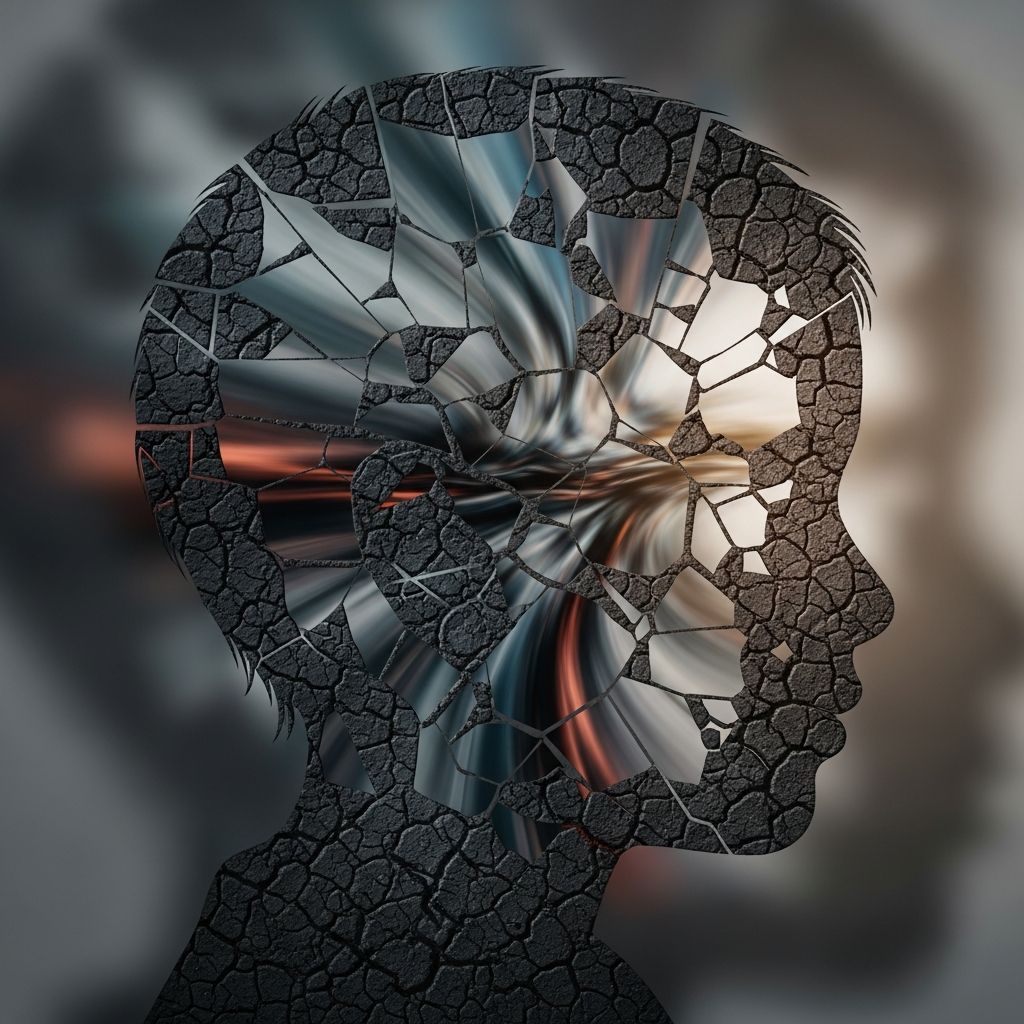
Understanding Conduct Disorder
Conduct disorder is a serious behavioral and emotional condition that affects children and adolescents, characterized by persistent patterns of violating the rights of others and breaking rules. Children with conduct disorder demonstrate difficulty following rules and behaving in socially acceptable ways, with their behavior often appearing hostile and violent. This condition goes beyond typical childhood misbehavior; it represents a pattern of aggressive, destructive, and sometimes illegal actions that persist over time.
The condition typically emerges during childhood or early adolescence and can have significant long-term consequences if left untreated. Individuals with conduct disorder may engage in bullying, physical aggression toward others or animals, deliberate destruction of property, lying, stealing, and other antisocial behaviors. These actions often result in significant impairment in social, academic, and occupational functioning.
Symptoms and Behavioral Patterns
Children and adolescents with conduct disorder exhibit a wide range of problematic behaviors that extend beyond normal childhood defiance. Key symptoms include:
- Aggressive behavior toward people or animals, ranging from bullying to severe physical violence
- Destruction of property, including deliberate vandalism and arson
- Dishonesty and theft, including stealing from peers, family members, or stores
- Serious violation of rules at home, school, or in the community
- Truancy and school refusal
- Running away from home
- Heavy alcohol consumption and substance abuse
- Engaging in risky sexual behavior
- Lying and manipulation to avoid consequences
The severity and frequency of these behaviors distinguish conduct disorder from typical adolescent rebellion or occasional rule-breaking. These behaviors must be persistent and cause significant impairment in the child’s functioning across multiple settings.
Risk Factors and Causes
Conduct disorder develops through the interaction of multiple genetic, biological, and environmental factors. Understanding these risk factors is crucial for early identification and intervention.
Environmental and Social Risk Factors
Research has identified numerous environmental contributors to the development of conduct disorder:
- History of abuse, parental rejection, or neglect
- Inconsistent, overly harsh, or ineffective parental discipline
- Poor parental supervision and lack of adequate adult supervision
- Exposure to violence in the home or community
- Peer delinquency and association with antisocial peer groups
- Living in poverty or economically disadvantaged environments
- Poor nutrition
- Maternal psychopathology and parental mental health issues
Biological and Genetic Factors
Brain imaging studies have documented important biological differences in children with conduct disorder. Research using magnetic resonance imaging has revealed smaller brain structures and lower brain activity in children with conduct disorder compared to typically developing peers. Conduct disorder has been linked to particular brain regions involved in regulating behavior, impulse control, and emotional processing. When nerve cell circuits in these regions do not work properly, conduct disorder symptoms may emerge.
Genetic factors also play a significant role. Children whose biological parents have been diagnosed with attention-deficit/hyperactivity disorder (ADHD), alcohol use disorder, depression, bipolar disorder, or schizophrenia face increased risk for developing conduct disorder. Genetic liability combined with various environmental factors acts together to manifest behavioral symptoms.
Related Stories



Comorbid Conditions
Conduct disorder frequently co-occurs with other psychological and neurological conditions, which can complicate both diagnosis and treatment. Common comorbidities include ADHD, learning disorders, depression, anxiety disorders, and substance abuse disorders. The presence of multiple conditions often intensifies behavioral problems and requires comprehensive treatment approaches addressing all diagnosed conditions.
Diagnosis and Assessment
Diagnosing conduct disorder requires careful evaluation by qualified mental health professionals, including psychologists and psychiatrists. The diagnostic process typically involves gathering information from multiple sources, as clinicians rely on reports from the child’s parents, siblings, friends, and teachers to obtain a comprehensive understanding of the child’s behavior across different settings.
Mental health professionals assess the severity, frequency, and duration of problematic behaviors, as well as the degree of impairment in the child’s functioning. The evaluation also examines the presence of any comorbid conditions and identifies contributing risk factors. Professional diagnosis is essential because conduct disorder requires differentiation from other behavioral disorders and conditions that may present with similar symptoms.
Comprehensive Treatment Approaches
Effective treatment for conduct disorder requires a multi-modal approach that addresses the individual child, family dynamics, school environment, and community factors. The go-to treatment involves multiple forms of psychotherapy for the child and family, combined with community-based interventions. Treatment should begin with psychoeducation about the disorder, its potential complications, and long-term consequences.
Psychosocial Interventions
Psychosocial interventions form the foundation of conduct disorder treatment and should be used as first-line treatment for symptoms that persist after comorbidities are addressed.
Family Therapy: Family therapy focuses on improving family interactions and communication among family members. This approach recognizes that family dynamics significantly influence a child’s behavior and that positive changes in family relationships support behavioral improvement. Family-based interventions help address patterns of conflict, improve parental understanding, and strengthen supportive relationships.
Parent Management Training: Parent management training (PMT) is a specialized therapeutic technique that teaches parents specific strategies to positively alter their child’s behavior in the home environment. Parents learn to provide appropriate punishments that match the severity of misbehavior, rather than punishments that are too harsh or inconsistent. This approach recognizes the critical role parents play in shaping their children’s behavior and equips them with evidence-based skills.
Multisystemic Therapy: Multisystemic therapy (MST) provides intensive, often home- or community-based interventions designed to promote positive behavior change in the youth’s environment. This comprehensive approach combines intensive case management in the home setting with family interventions and has been found to be cost-effective. MST helps patients achieve improvements at home, at school, and in other community settings by addressing multiple areas simultaneously.
Cognitive Behavioral Therapy: Individual therapy for children and teens may include cognitive behavioral therapy (CBT), which helps patients understand how their thought processes impact their behaviors and learn to make more positive choices. CBT also includes skills training that helps patients develop coping skills for interactions with peers and family members.
Social and Anger Management Training: Evidence-based interventions include anger management and stress management training, as well as social skills development. These therapeutic approaches teach adolescents and parents conflict resolution skills, anger control strategies, and appropriate social interaction patterns. Psychoeducational interventions that target peer groups become increasingly important during adolescence, as the relative importance of peers increases.
Pharmacological Interventions
Although no medications have been formally approved specifically for conduct disorder, various medications may be used off-label to treat specific symptoms and comorbid conditions. Pharmacotherapy can serve as an adjuvant treatment for children who are highly aggressive, impulsive, or have mood-disorder symptoms. Medications are directed at specific symptoms to help children participate in family or systemic interventions.
Stimulant Medications: Treatment with psychostimulants is highly recommended for patients who have both ADHD and conduct problems. These medications help improve attention, reduce impulsivity, and decrease hyperactivity, which can facilitate the child’s participation in behavioral interventions.
Antidepressants: Selective serotonin reuptake inhibitors (SSRIs) such as fluoxetine may benefit patients with depressive, rigid, or inflexible aggressive behaviors. When ADHD is a comorbidity, some physicians prefer bupropion to an SSRI. Parents must be notified of potential side effects, and monitoring for restlessness, behavioral activation, and suicidal ideation is essential, particularly early in treatment.
Antipsychotic Medications: Atypical antipsychotics such as risperidone are used to treat severe aggression and may benefit patients with conduct disorder who have severe aggression or explosive anger after comorbid ADHD is treated. These medications are also used to treat mood lability and bipolar symptoms. Weight gain and risk for metabolic disorder must be monitored closely during treatment.
Specialist Referral Considerations
The clinician must assess the severity of the individual child’s disorder and should refer the child and family to a subspecialist if any of the following conditions apply:
- There are concerns about the child’s safety or others’ safety
- Diagnostic behaviors escalate rapidly despite initial interventions
- Psychoeducational interventions prove ineffective
- There is conflicting information from multiple sources about the child’s behavior
- Many comorbid symptoms exist requiring specialized expertise
Additionally, substance abuse problems should be treated first with appropriate interventions and rehabilitation before addressing other conduct-related behaviors.
Long-Term Treatment Outlook
Treatment for conduct disorder is rarely brief, as establishing new attitudes and behavior patterns takes considerable time. However, early treatment offers children a better chance for considerable improvement and hope for a more successful future. An ideal, comprehensive treatment plan integrates the individual, family, school, and community in coordinated efforts. Evidence-based programs such as functional family therapy, multisystemic therapy, and Oregon Treatment Foster Care are designed to work at the various levels required for effective treatment.
Early interventions may significantly influence the course of the disorder and may prevent the need for involvement with the juvenile justice system. Research indicates that evidence-based parenting programs decrease the possibility of conduct disorder persisting into adult antisocial personality disorder and have been found to be cost-effective.
Prevention and Early Intervention
Several risk factors should be identified and targeted for timely intervention:
- Early adolescent substance use
- High-intensity argument and defiant behavior
- Low and high-intensity aggression toward people or animals
- High-intensity deceitfulness and stealing
- High-intensity peer problems
- High-intensity destruction of property
- Inappropriate sexual behavior
School-based prevention programs have proven helpful in preventing conduct disorder development. These programs, combined with evidence-based parenting interventions, create protective factors that reduce the likelihood of conduct disorder emergence or progression.
Frequently Asked Questions
What is the difference between conduct disorder and normal childhood misbehavior?
Conduct disorder involves persistent, severe patterns of violating others’ rights and breaking rules that cause significant impairment across multiple settings. Normal childhood misbehavior is occasional, age-appropriate, and responds to typical discipline, whereas conduct disorder requires professional intervention.
Can conduct disorder be cured?
While conduct disorder cannot be “cured” like an infection, early and comprehensive treatment can lead to considerable improvement. Many children with conduct disorder show significant behavioral gains with consistent, evidence-based treatment involving family, school, and community involvement.
Is medication necessary for treating conduct disorder?
Medication is not always necessary. Psychosocial interventions should be used as first-line treatment. Medications may be added if the child has comorbid conditions like ADHD or depression, or if severe aggression or impulsivity interferes with the child’s ability to benefit from behavioral interventions.
How long does treatment typically last?
Treatment for conduct disorder is rarely brief. Establishing new attitudes and behavior patterns takes time, and treatment plans should continue over longer periods. However, the exact duration varies based on the severity of symptoms, presence of comorbid conditions, and family factors.
Can parents prevent conduct disorder?
While not all conduct disorder can be prevented, evidence-based parenting programs significantly reduce the risk of development. Consistent, appropriate discipline, strong family relationships, adequate supervision, and early intervention when problems emerge all contribute to prevention.
References
- Diagnosis and Treatment of Conduct Disorder — American Medical Association Journal of Ethics. 2006-10. https://journalofethics.ama-assn.org/article/diagnosis-and-treatment-conduct-disorder/2006-10
- Conduct Disorders: Symptoms, Causes, Diagnosis and Treatment — Nationwide Children’s Hospital. 2025. https://www.nationwidechildrens.org/conditions/conduct-disorders
- Conduct Disorder (CD) — Better Health Channel, Victoria State Government. 2025. https://www.betterhealth.vic.gov.au/health/conditionsandtreatments/conduct-disorder
- Clinical Practice Guidelines for the Management of Conduct Disorder — National Center for Biotechnology Information. 2019. https://pmc.ncbi.nlm.nih.gov/articles/PMC6345126/
- Conduct Disorder: What It Is, Symptoms & Treatment — Yale Medicine. 2025. https://www.yalemedicine.org/conditions/conduct-disorder
- Conduct Disorder: Symptoms, Causes, Diagnosis, Treatment — WebMD. 2025. https://www.webmd.com/mental-health/mental-health-conduct-disorder
- Conduct Disorder: Recognition and Management — American Academy of Family Physicians. 2018-11-15. https://www.aafp.org/pubs/afp/issues/2018/1115/p584.html
Similar Articles








Read full bio of Sneha Tete