Confluent and Reticulated Papillomatosis
Uncommon skin disorder with hyperpigmented papules on trunk, neck, and axillae: causes, diagnosis, and effective treatments explored.
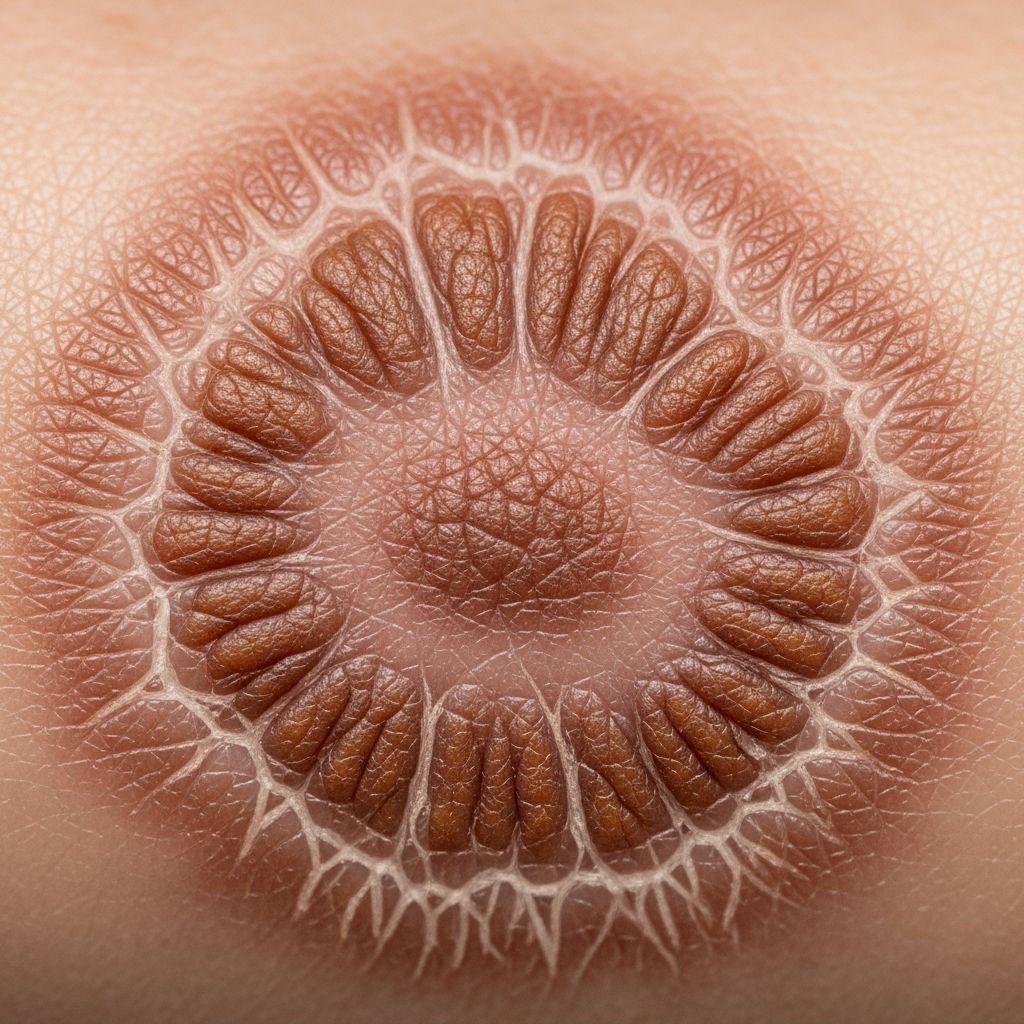
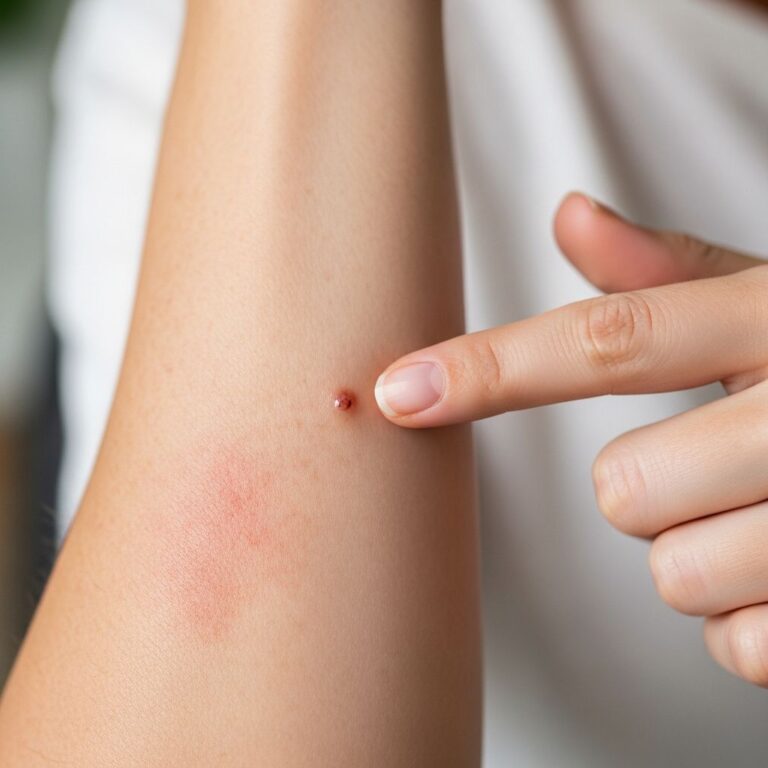
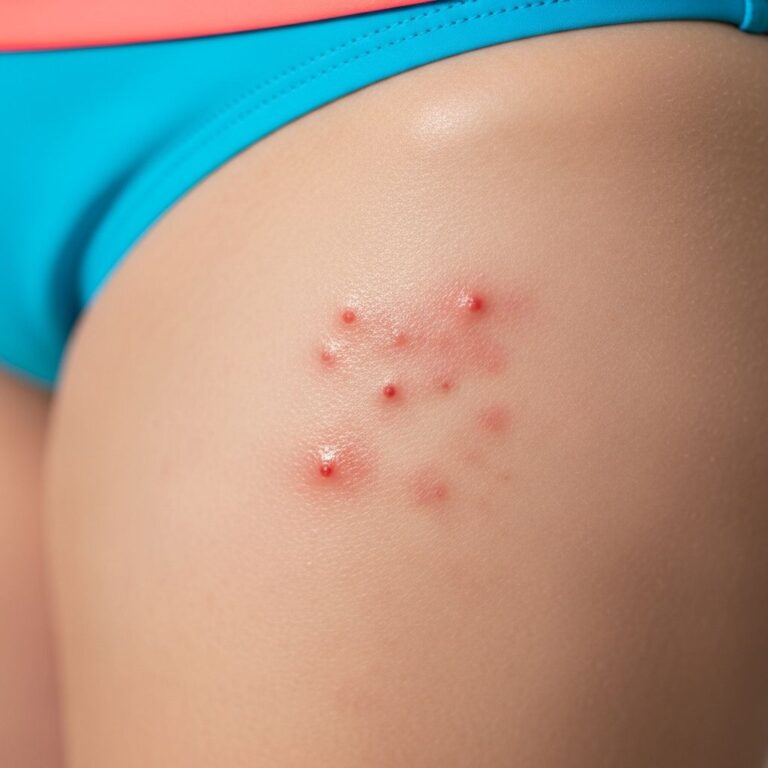
Confluent and reticulated papillomatosis (CARP), also known as Gougerot-Carteaud syndrome, is a rare acquired dermatosis primarily affecting adolescents and young adults. It manifests as asymptomatic, hyperpigmented papules and plaques with a distinctive peripheral reticulated (net-like) pattern and central confluence, typically on the trunk, neck, and axillae.
Introduction
Confluent and reticulated papillomatosis was first described in 1927 by French dermatologists Henri Gougerot and Victor Carteaud. This uncommon skin condition is characterized by persistent, dull-brown to grayish-blue macules and papules that coalesce into reticulated plaques. While generally benign, CARP can persist for years and is often misdiagnosed as more common disorders like tinea versicolor, leading to delayed appropriate treatment.
The condition raises diagnostic challenges due to its resemblance to fungal infections, acanthosis nigricans, and other pigmentary disorders. Recent case reports highlight its variable response to therapies, underscoring the need for histopathological confirmation in refractory cases.
Who gets confluent and reticulated papillomatosis (demographics)
CARP predominantly affects teenagers and young adults, with a peak incidence between ages 13 and 25 years. Females are more commonly affected than males, with a reported ratio of up to 3:1 in some series.
- Age: Primarily adolescents and young adults (13–35 years); rare in children or older adults.
- Sex: Female predominance, though males can be affected, especially in familial cases.
- Ethnicity: No strong racial predilection, but reported across diverse populations, including those with darker skin types where hyperpigmentation is more prominent.
- Risk factors: Obesity, insulin resistance, familial history (consanguinity in some cases), and endocrine disorders like diabetes or polycystic ovary syndrome (PCOS).
A 2025 case report described a young patient from a consanguineous family, suggesting genetic predisposition in select cases. Extensive forms may occur in immunosuppressed individuals or those with widespread lesions beyond typical sites.
What causes confluent and reticulated papillomatosis
The exact etiology of CARP remains unknown, but several hypotheses exist:
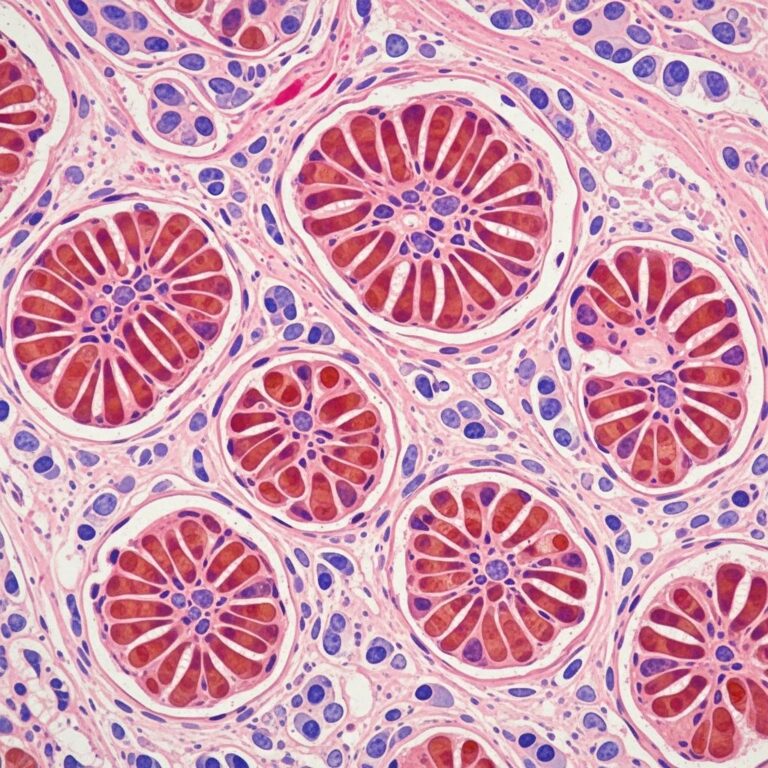
- Abnormal keratinization: Histopathology shows hyperkeratosis, acanthosis, and papillomatosis, indicating disordered epidermal differentiation.
- Bacterial overgrowth: Proposed role of Corynebacterium minutissimum or other skin flora, supported by response to antibiotics in many cases.
- Endocrine factors: Association with obesity, hyperinsulinemia, and PCOS suggests insulin-like growth factor (IGF-1) dysregulation promoting epidermal hyperplasia.
- Genetic predisposition: Familial clustering and consanguinity in reported cases point to hereditary factors.
- Fungal mimicry: Initial misdiagnosis as tinea versicolor often leads to exacerbation with antifungals.
Recent studies refute a purely infectious cause, as antibiotic failures occur, and retinoids succeed in resistant cases, favoring a primary keratinization defect.
Clinical features
CARP lesions are typically asymptomatic but may occasionally itch. Key features include:
- Morphology: Small (1–5 mm), scaly, hyperpigmented papules coalescing into plaques; central confluence with peripheral reticular (net-like) pattern.
- Color: Dull brown, grayish-blue, or dark; more pronounced in darker skin phototypes.
- Distribution: Upper trunk (chest, back, shoulders), neck, axillae; rarely face, abdomen, or extremities. Extensive cases can generalize.
- Evolution: Starts as flushed macules, progresses to scaly papules over weeks to months; persists chronically without treatment.
- Symptoms: Usually asymptomatic; mild pruritus in 20–30% of cases.
Physical exam reveals maculopapular scaly lesions forming reticular plaques, often exacerbated by heat, sweat, or friction.
Related Stories



Differential diagnoses
CARP mimics several conditions; accurate differentiation requires clinicopathologic correlation.
| Condition | Key Distinguishing Features | Histopathology |
|---|---|---|
| Tinea versicolor | More hypopigmented, fine scale; responds to antifungals; Wood lamp fluorescence. | Sporothrix in stratum corneum; no papillomatosis. |
| Acanthosis nigricans | Velvety texture, intertriginous; associated with insulin resistance. | Hyperkeratosis, papillomatosis; no rete ridge elongation. |
| Pityriasis rosea | Herald patch, Christmas-tree distribution; self-resolves in 6–8 weeks. | Spongiosis, parakeratosis. |
| Confluent and reticulated papillomatosis of Gougerot and Carteaud | (Diagnostic) | Hyperkeratosis, acanthosis, papillomatosis. |
| Erythrasma | Coral-red fluorescence; intertriginous; responds to topical antibiotics. | Filamentous rods (Corynebacterium). |
Diagnostic criteria (Katz et al.): dark brown/red scaly macules/papules; trunk distribution; no response to antifungals; negative KOH; biopsy if needed.
Diagnosis
Diagnosis is clinical in classic cases, supported by:
- History and exam: Characteristic morphology and distribution.
- Wood lamp/KOH prep: Negative for fungi/malassezia.
- Skin biopsy: Indicated for atypia or treatment failure. Shows:
- Basket-weave hyperkeratosis
- Papillomatosis
- Focal acanthosis (rete ridge elongation)
- Increased basal melanin
- Mild superficial perivascular infiltrate
Response to tetracycline trial (6–12 weeks) can confirm if clinical doubt persists.
Treatment
No standard therapy exists; options target proposed etiologies. Success rates vary; recurrence common (up to 15%).
Antibiotics (first-line)
- Tetracyclines: Minocycline or doxycycline 50–100 mg BID for 6–12 weeks (60–80% response).
- Macrolides: Azithromycin 500 mg 3x/week or erythromycin 500 mg QID for 4–6 weeks; safe in pregnancy.
Minocycline preferred for minimal side effects and sustained remission (up to 2 years).
Retinoids
- Systemic: Isotretinoin 0.5–1 mg/kg/day for 4–6 months; effective in antibiotic failures.
- Topical: Tretinoin 0.025–0.1% nightly.
Topical therapies
- Calcipotriene + tretinoin: Morning calcipotriene 0.005% + nightly tretinoin; synergistic keratinization normalization.
- Others: Urea 40%, calcipotriol, ammonium lactate; adjunctive.
A 2023 case showed rapid clearance with calcipotriene/tretinoin after minocycline intolerance. Avoid antifungals initially, as they may worsen lesions.
Outlook / Prognosis
CARP is benign and chronic; most cases remit with treatment but recur in 15–20%. Long-term remission (1–2 years) common post-antibiotics. Extensive or familial forms may persist longer. Monitor for endocrine associations; weight loss aids resolution in obesity-linked cases.
Frequently Asked Questions (FAQs)
Q: Is confluent and reticulated papillomatosis contagious?
A: No, CARP is not infectious or contagious; it’s a non-contagious dermatosis of unknown but likely multifactorial etiology.
Q: How long does CARP last without treatment?
A: Untreated, it persists chronically for years, slowly waxing and waning.
Q: Can CARP be cured permanently?
A: Many achieve long-term remission (up to 2 years) with one antibiotic course, but recurrence occurs in ~15%; topical maintenance may help.
Q: What if antibiotics don’t work for CARP?
A: Switch to retinoids (isotretinoin or topical tretinoin) or calcipotriene combinations, which target keratinization defects.
Q: Does diet or obesity affect CARP?
A: Yes, linked to insulin resistance; weight loss and glycemic control improve outcomes in associated cases.
References
- Challenges in diagnosing confluent and reticulated papillomatosis — Oxford Academic (Oxf Med Case Reports). 2025-08-01. https://academic.oup.com/omcr/article/2025/8/omaf142/8238557
- Confluent and Reticulated Papillomatosis Resembling Pityriasis — JMIR Dermatology. 2023-01-01. https://derma.jmir.org/2023/1/e41245
- Successful Treatment of Confluent and Reticulated Papillomatosis with Calcipotriene and Tretinoin — Journal of Clinical and Aesthetic Dermatology. 2023. https://jcadonline.com/confluent-reticulated-papillomatosis-calcipotriene-tretinoin/
- Confluent and reticulated papillomatosis – DermNet — DermNet NZ. Recent update. https://dermnetnz.org/topics/confluent-and-reticulated-papillomatosis
- Confluent and reticulated papillomatosis — Primary Care Dermatology Society (PCDS). Recent. https://www.pcds.org.uk/clinical-guidance/confluent-and-reticulate-papillomatosis
Similar Articles








Read full bio of Sneha Tete