Congenital Adrenal Hyperplasia: Causes, Symptoms, and Treatment
Understanding CAH: A comprehensive guide to diagnosis, management, and living with this genetic condition.
Understanding Congenital Adrenal Hyperplasia (CAH)
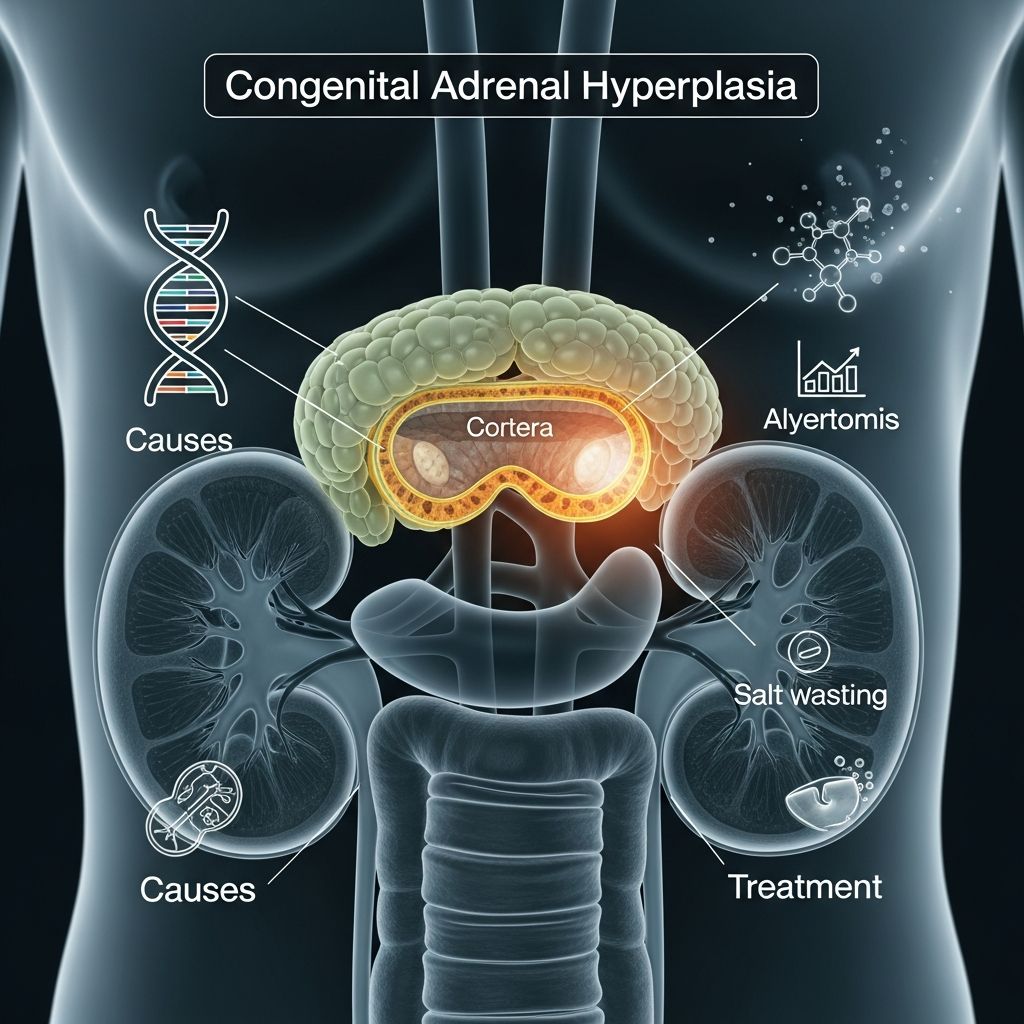
Congenital adrenal hyperplasia (CAH) is a genetic condition that affects the adrenal glands, two small organs located above the kidneys that produce vital hormones. This inherited disorder disrupts the body’s ability to produce certain hormones, particularly cortisol and aldosterone, leading to an excess production of androgens (sex hormones). CAH starts from changes in your child’s genes (mutations) that occur even before birth, affecting how the body manufactures essential hormones necessary for normal development and stress response.
The condition results from a deficiency in enzymes required for hormone production. In approximately 95% of individuals with CAH, the enzyme 21-hydroxylase is missing or does not function properly. This enzyme plays a critical role in converting precursor hormones into cortisol and aldosterone. When this enzyme is deficient, a cascading hormonal imbalance occurs throughout the body, creating what experts describe as a domino effect of hormonal impacts.
Types and Severity of CAH
Congenital adrenal hyperplasia presents in different forms and severity levels, each with distinct characteristics and timing of symptom onset.
Classic CAH
Classic CAH represents the more severe form of the condition, where the enzyme deficiency is more pronounced. Individuals with classic CAH typically show obvious signs at birth or during early infancy. This form is divided into two subtypes: salt-wasting and simple virilizing. Salt-wasting CAH is the most severe form and affects the body’s ability to regulate sodium and potassium levels, potentially causing life-threatening complications in newborns if not immediately identified and treated.
Non-Classic or Late-Onset CAH
Non-classic CAH involves a milder enzyme deficiency and may not present symptoms until adolescence or adulthood. Some individuals with non-classic CAH may experience minimal to no symptoms throughout their lives. This form is often discovered incidentally during screening or when individuals seek medical attention for specific concerns such as irregular menstruation or infertility.
Causes and Genetic Inheritance
CAH is an autosomal recessive genetic condition, meaning an individual must inherit the mutated gene from both biological parents to develop the disorder. Each parent typically carries one copy of the mutated gene but may not show symptoms of the condition. When both parents are carriers, there is a 25% chance with each pregnancy that the child will be born with CAH, a 50% chance the child will be a carrier, and a 25% chance the child will inherit two normal genes.
The genetic mutation affects the genes responsible for producing enzymes involved in the steroid hormone synthesis pathway. The most common mutations occur in the CYP21A2 gene, which codes for the 21-hydroxylase enzyme. Other less common forms of CAH result from deficiencies in different enzymes, such as 11-beta-hydroxylase or 3-beta-hydroxysteroid dehydrogenase.
Symptoms and Clinical Manifestations
The symptoms of CAH vary significantly depending on the severity of the enzyme deficiency, the specific form of the condition, and the individual’s age at symptom onset.
Symptoms in Newborns and Infants
Female infants with classic CAH may be born with external sex organs that have an atypical appearance due to exposure to excess androgens in utero. This virilization can range from mild clitoral enlargement to more pronounced changes in genital structure. Male infants with classic CAH may be born with an enlarged penis. Additionally, both male and female infants with salt-wasting CAH may experience severe dehydration, electrolyte imbalances, vomiting, and poor feeding within the first few weeks of life, representing a medical emergency.
Related Stories



Symptoms During Childhood
As children with CAH grow, they may develop acne and experience accelerated growth patterns. Girls may develop public hair and underarm hair earlier than expected. Some children may show signs of advanced skeletal maturation compared to their chronological age.
Symptoms During Puberty and Adolescence
During early puberty, females with congenital adrenal hyperplasia may develop thick and dark body hair, excess facial hair, larger muscles, and a deep voice. Males may experience signs of puberty earlier than expected, including voice changes, acne, and pubic hair development. They may also develop benign testicular adrenal rest tumors. Both males and females may experience irregular menstrual periods or absent menstruation in severe cases.
Skin Changes
CAH can cause patches of uneven skin color called hyperpigmentation, particularly in areas exposed to sun. When the body cannot produce adequate cortisol, the brain attempts to compensate by increasing production of melanocyte-stimulating hormone (MSH), which triggers increased melanin production and results in darkened skin patches. Acne is also common among individuals with CAH due to elevated androgen levels.
Diagnosis of Congenital Adrenal Hyperplasia
Early diagnosis of CAH is crucial for preventing serious complications and initiating appropriate treatment. Multiple diagnostic approaches are employed to confirm the condition.
Newborn Screening
Many states include CAH screening as part of routine newborn screening programs. These screenings typically measure elevated levels of 17-hydroxyprogesterone (17-OHP), a precursor hormone that accumulates when 21-hydroxylase is deficient. A blood sample is collected from the baby’s heel within the first few days of life.
Laboratory Testing
A steroid panel test can be useful for the diagnosis and management of patients with the most common forms of CAH, particularly 21-hydroxylase and 11-hydroxylase deficiency. This test measures various hormone levels including cortisol, 17-OHP, ACTH, androgens, and aldosterone. Elevated 17-OHP levels combined with low cortisol are highly suggestive of CAH.
Genetic Testing
DNA testing can identify specific mutations in the genes responsible for CAH, confirming the diagnosis and determining the specific type of enzyme deficiency. Genetic testing is particularly useful for family members who may be carriers of the condition.
Imaging Studies
Ultrasound or MRI may be used to assess the size and appearance of the adrenal glands and to screen for adrenal tumors in some cases.
Treatment Approaches
Managing congenital adrenal hyperplasia is a delicate balancing act requiring careful medication adjustment and ongoing monitoring. It can take considerable trial and error to determine the right medications at the correct dosages for each individual.
Glucocorticoid Therapy
The primary treatment for CAH involves glucocorticoids, which are synthetic cortisol-like hormones. These medications replace the cortisol that the body cannot produce adequately. The goal is to provide sufficient cortisol to suppress ACTH (adrenocorticotropic hormone) production, which in turn reduces excessive androgen production. Common glucocorticoids prescribed include hydrocortisone, prednisone, and dexamethasone.
Mineralocorticoid Replacement
In salt-wasting CAH, individuals also require mineralocorticoid replacement therapy, typically with fludrocortisone. This medication helps the body retain sodium and maintain proper electrolyte balance, preventing dangerous complications such as dehydration and shock.
Dosage Adjustment During Stress
It is vitally important that people with CAH understand they may need to increase their medication dosage during times of increased physical or emotional stress, illness, surgery, or injury. When the body experiences stress, it normally increases cortisol production to cope with the challenge. Individuals with CAH must manually increase their medication to simulate this natural response, preventing potentially life-threatening adrenal crisis.
Emergency Preparedness
Individuals with CAH should carry emergency injectable medication with them at all times and wear a medical alert bracelet. Keeping a wallet card describing their condition is also recommended. This ensures that if they experience an adrenal crisis or become unable to communicate, medical professionals will understand their condition and can provide appropriate emergency treatment.
Complications of Untreated or Undertreated CAH
The consequences of untreated or inadequately treated CAH can be severe and potentially life-threatening. The severity of complications depends on the form and severity of the condition.
Adrenal Crisis
One of the most dangerous risks of untreated CAH is adrenal crisis. When the body lacks sufficient cortisol to respond to physical or emotional stress, it cannot properly handle events such as illness, injury, or surgical procedures. An adrenal crisis represents a medical emergency where the body enters a potentially life-threatening shock state due to inadequate blood flow to vital organs. This can result in seizures, loss of consciousness, coma, and death if not immediately treated with emergency cortisol replacement.
Cardiovascular Complications
Increased cardiovascular risk is one of the most devastating and potentially life-threatening consequences of untreated CAH. Chronic elevation of androgens and other hormonal imbalances can lead to hypertension, heart disease, and increased risk of myocardial infarction.
Reproductive Issues
Depending on severity, untreated CAH can cause irregular periods, absent menstruation, and infertility in both males and females. Hormonal imbalances make it harder to conceive when living with untreated CAH. However, treatments are available to improve fertility outcomes in individuals with CAH who desire to have biological children.
Metabolic and Electrolyte Disorders
In salt-wasting forms of CAH, untreated individuals face life-threatening electrolyte imbalances, severe dehydration, and metabolic complications that can lead to organ dysfunction and failure.
Psychological and Social Impact
The physical manifestations of CAH, particularly virilization in females and precocious puberty in males, can have significant psychological and social impacts. These effects include body image concerns, identity issues, and emotional distress that require appropriate psychological support and counseling.
Living with CAH: Long-Term Management
Living with CAH is a comprehensive balancing act that affects far more than just hormones. It shapes every aspect of life, from daily planning to future aspirations. The physical toll is real, but so is the emotional weight.
Ongoing Medical Monitoring
Individuals with CAH require regular follow-up appointments with endocrinologists to monitor hormone levels, adjust medications as needed, and screen for potential complications. Regular blood tests assess cortisol, ACTH, 17-OHP, and androgen levels to ensure appropriate medication dosing.
Medication Adherence
Consistent adherence to prescribed medications is essential for preventing complications and maintaining quality of life. Patients must understand the importance of taking medications as prescribed and not adjusting dosages without medical guidance, except during clearly identified stress situations.
Lifestyle Modifications
While some CAH medications can cause weight gain, maintaining healthy lifestyle habits including regular physical activity and balanced nutrition is important. Patients should discuss weight management options with their healthcare team.
Fertility and Reproductive Planning
For individuals desiring biological children, specialized reproductive endocrinology consultation may be helpful. With appropriate treatment and medical management, many individuals with CAH can achieve successful pregnancies and have biological children.
Psychological Support
Early diagnosis and consistent treatment provide stability and the opportunity to live fully, even with a body that requires constant care. Mental health support, counseling, and participation in support groups can help individuals and families cope with the emotional aspects of managing a chronic genetic condition.
The Hormonal Cascade: Understanding the Domino Effect
The pathophysiology of CAH involves a complex hormonal cascade that explains why a deficiency in a single enzyme creates such widespread effects throughout the body.
When 21-hydroxylase is deficient, the conversion of 17-hydroxyprogesterone (17-OHP) into cortisol cannot occur efficiently. This causes 17-OHP to accumulate in the body and be rerouted into alternative metabolic pathways, where it is converted into androgens including testosterone and androstenedione. These excess androgens are responsible for the virilizing symptoms observed in CAH.
Additionally, excess progesterone accumulates because it normally gets converted into 17-OHP, which then becomes cortisol. This buildup of progesterone contributes to menstrual irregularities, fertility issues, and mood swings. When the body senses low cortisol levels, it attempts to compensate by boosting ACTH production signals, which also increase melanocyte-stimulating hormone (MSH), leading to hyperpigmentation.
Frequently Asked Questions About CAH
Q: Is congenital adrenal hyperplasia curable?
A: CAH is not curable, as it is a genetic condition. However, it is highly manageable with appropriate medication and medical oversight. With proper treatment, individuals with CAH can live normal, healthy lives and prevent serious complications.
Q: Can CAH be detected during pregnancy?
A: Yes, prenatal diagnosis of CAH is possible through genetic testing of amniotic fluid or chorionic villi samples, though this is typically only performed in high-risk families with known CAH history.
Q: What is an adrenal crisis and how is it treated?
A: An adrenal crisis is a life-threatening emergency where the body cannot produce adequate cortisol to respond to stress. It is treated with emergency intravenous or intramuscular cortisol injection, followed by hospitalization and careful medical management.
Q: Can people with CAH have children?
A: Yes, with proper medical management and treatment, many individuals with CAH can have biological children. Women may require adjusted medication dosages during pregnancy, and genetic counseling is recommended for family planning.
Q: How often should CAH patients have medical check-ups?
A: Frequency of medical visits depends on age and disease severity, but typically involves regular monitoring with an endocrinologist, ranging from every few months to annually for stable patients.
References
- Congenital Adrenal Hyperplasia Treatment — Cleveland Clinic. 2024. https://my.clevelandclinic.org/pediatrics/services/congenital-adrenal-hyperplasia-treatment
- What Happens if Congenital Adrenal Hyperplasia Goes Untreated? — Cleveland Clinic Health. 2024. https://health.clevelandclinic.org/congenital-adrenal-hyperplasia-without-treatment
- The Hormonal Impacts of Congenital Adrenal Hyperplasia — Cleveland Clinic Health. 2024. https://health.clevelandclinic.org/cah-hormonal-pathways
- Congenital Adrenal Hyperplasia and Hyperpigmentation — Cleveland Clinic Health. 2024. https://health.clevelandclinic.org/hyperpigmentation-congenital-adrenal-hyperplasia
- Congenital Adrenal Hyperplasia — National Center for Biotechnology Information (NCBI) PubMed. 2021. https://pubmed.ncbi.nlm.nih.gov/34197246/
- Understanding Congenital Adrenal Hyperplasia — Cleveland Clinic Health. 2024. https://health.clevelandclinic.org/understanding-congenital-adrenal-hyperplasia
- Steroid Panel, Congenital Adrenal Hyperplasia (CAH) — Cleveland Clinic Labs. 2024. https://clevelandcliniclabs.com/test/steroid-panel-congenital-adrenal-hyperplasia-cah/
Similar Articles








Read full bio of Sneha Tete