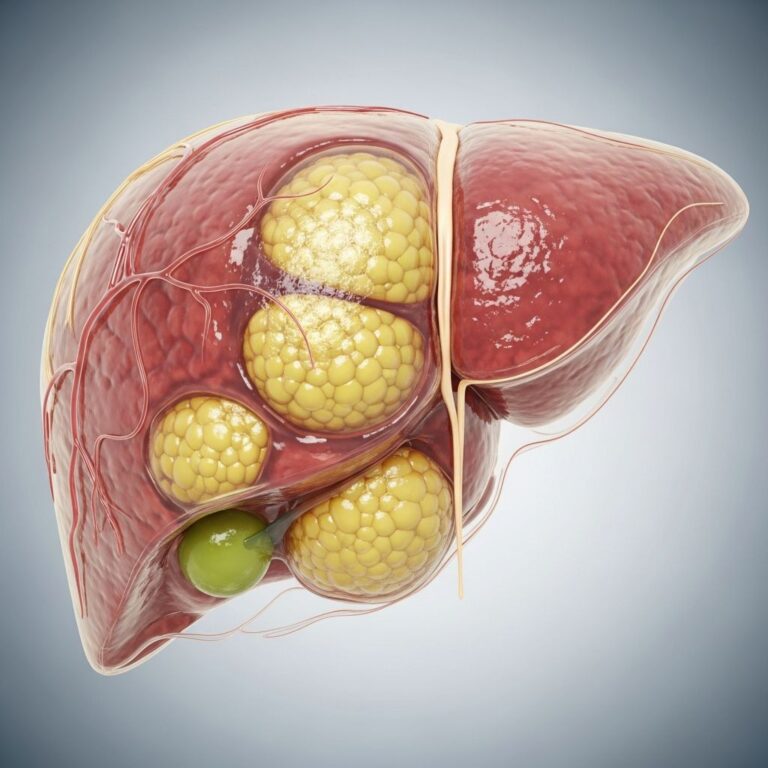
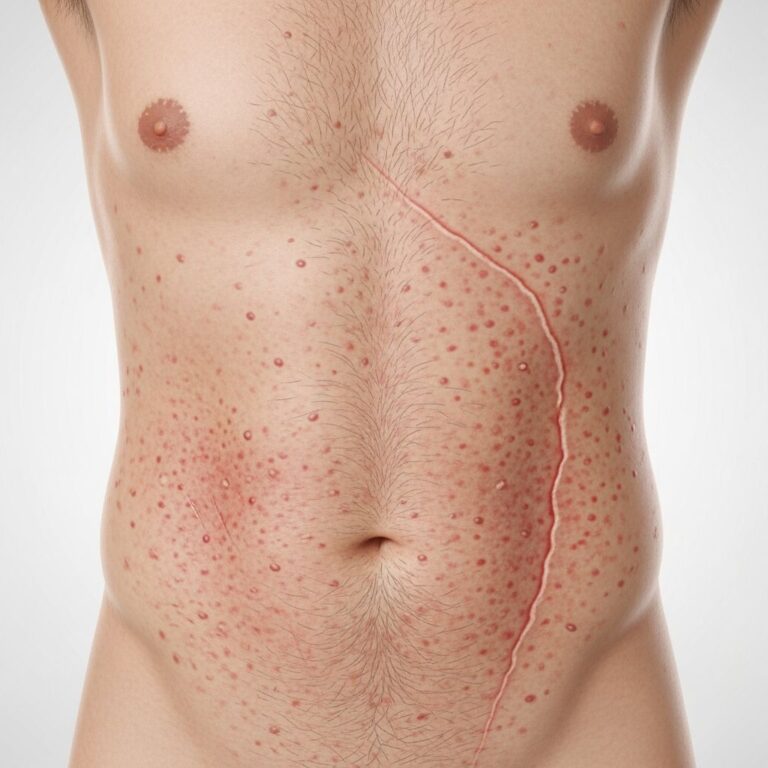
Congenital Erythropoietic Porphyria: What You Need To Know
Rare genetic disorder causing severe photosensitivity, skin mutilation, hemolytic anemia, and distinctive red urine from birth.
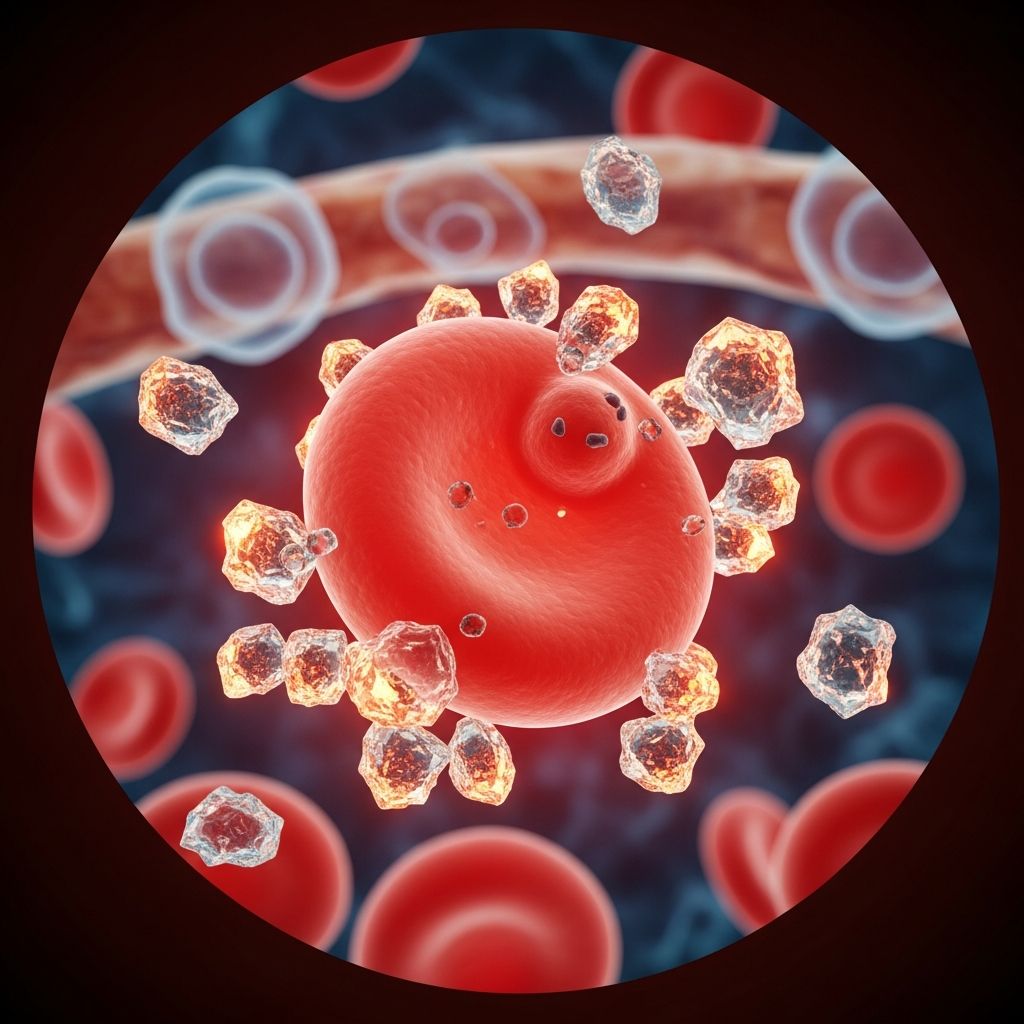
Congenital erythropoietic porphyria (CEP), also known as Günther disease, is an extremely rare autosomal recessive disorder of heme biosynthesis caused by deficient uroporphyrinogen III synthase (UROS) enzyme activity. This leads to accumulation of neurotoxic, photoactive isomer I porphyrins (uroporphyrin I and coproporphyrin I) in erythrocytes, plasma, urine, teeth, and bones, resulting in severe cutaneous photosensitivity, hemolytic anemia, erythrodontia, and progressive photomutilation.
What is Congenital Erythropoietic Porphyria?
CEP belongs to the erythropoietic porphyrias, a subgroup of porphyrias characterized by porphyrin overproduction in bone marrow erythroid precursors. Unlike protoporphyric disorders (EPP/XLP), which involve protoporphyrin IX accumulation and non-blistering photosensitivity, CEP features type I porphyrin isomers causing erosive, bullous lesions with high mutilation risk. Incidence is estimated at 1 in 1,000,000 births, with over 100 cases reported worldwide. Disease severity correlates with residual UROS activity: severe mutations cause perinatal onset with hydrops fetalis, while milder variants allow late-onset, less aggressive forms.
The hallmark is exquisite photosensitivity to UVA/visible light (400-410 nm), triggering porphyrin excitation, reactive oxygen species generation, and tissue destruction. Systemic effects include chronic hemolysis from porphyrin-laden RBCs with shortened lifespan, splenomegaly, bone marrow expansion, osteoporosis, and secondary vitamin D deficiency.
Who gets Congenital Erythropoietic Porphyria (and why)?
CEP affects both sexes equally and all ethnicities, though consanguinity increases risk in isolated populations. Most cases arise from homozygous or compound heterozygous pathogenic variants in the UROS gene on chromosome 10q25.3-26.1, encoding the cytosolic UROS enzyme. This enzyme cyclizes hydroxymethylbilane (from porphobilinogen deaminase) into uroporphyrinogen III, the natural substrate for heme synthesis.
In CEP, UROS dysfunction causes spontaneous cyclization to non-physiological uroporphyrinogen I, which oxidizes to photoactive uroporphyrin I (>90% of excreted porphyrins). Common mutations include c.76G>A (p.Gly26Arg; severe), c.136C>T (p.Pro46Ser; milder), and intronic splice variants. Rare somatic reversions or heterozygous states may ameliorate symptoms.
Pathophysiology involves erythroid expansion due to ineffective erythropoiesis and hemolysis, exacerbating porphyrin production. Fetal presentation occurs in 10-20% of cases with amniotic fluid porphyrinemia causing brown staining.
Clinical features of Congenital Erythropoietic Porphyria
Symptoms manifest from birth or early infancy, prompted by red-stained diapers fluorescing pink under Wood’s lamp. Severity spectrum spans hydrops fetalis lethality to adult-onset mild photosensitivity.
Cutaneous features
- Photosensitivity: Acute blistering (vesicles/bullae) on sun-exposed sites (face, hands, arms) within hours of exposure, progressing to erosions, crusts, milia, and atrophic scars. Chronic unprotected exposure causes photomutilation: loss of nasal bridge, ears, fingertips, and phalanges (pseudophalangeal resorption).
- Hypertrichosis: Lanugo-like hair growth on face, forearms, temples.
- Hyperpigmentation/hypopigmentation: Smoker’s scars on lips/mouth; nail dystrophy.
- Erythrodontia: Red-brown fluorescence of teeth under UVA due to porphyrin deposition during amelogenesis.
Hematologic features
- Hemolytic anemia: Mild-severe, with anisopoikilocytosis, reticulocytosis, polychromasia, nucleated RBCs, unconjugated hyperbilirubinemia, absent haptoglobin. Severe cases require transfusions.
- Splenomegaly: From RBC sequestration; hypersplenism worsens anemia.
Skeletal features
- Bone fragility, resorption (hands/feet), cortical thinning, pathologic fractures from marrow erythroid hyperplasia and vitamin D deficiency.
Related Stories



Ocular features
- Photophobia, blepharitis, corneal scarring, ectropion, symblepharon, uveitis.
Other
Recurrent infections from skin breaches; rarely, neurologic involvement or liver disease.
Diagnosis of Congenital Erythropoietic Porphyria
Suspect CEP in neonates with pink/red urine, bullae post-phototherapy, or hydrops fetalis. Differential includes hepatoerythropoietic porphyria (HEP), porphyria cutanea tarda (PCT), EPP, epidermolysis bullosa.
| Test | Finding in CEP |
|---|---|
| Urine porphyrins | Uroporphyrin I > coproporphyrin I (100-1000x normal) |
| Fecal porphyrins | Coproporphyrin I > III |
| Plasma/erythrocyte porphyrins | Elevated uroporphyrin I, coproporphyrin I; fluorescence peak 615-620 nm |
| UROS activity (RBCs) | <10% normal |
| UROS sequencing | Biallelic pathogenic variants |
Protect samples from light. Prenatal diagnosis via amniocentesis (porphyrin analysis, UROS activity, genotyping).
Management and treatment of Congenital Erythropoietic Porphyria
Treatment is supportive, focusing on photoprotection, anemia correction, and complication prevention. No curative small-molecule therapy exists; allogeneic hematopoietic stem cell transplantation (HSCT) is potentially curative in early cases.
Photoprotection (first-line)
- Complete sun avoidance: UV-opaque clothing, gloves, broad-brimmed hats, window tinting (blocks UVA/visible).
- Topical sunscreens ineffective; oral carotenoids/β-carotene (ineffective in CEP).
- Red tetracycline filters for artificial light.
Hematologic support
- Transfusions for severe anemia (suppress endogenous erythropoiesis).
- Splenectomy for hypersplenism (temporary benefit; infection risk).
Surgical interventions
- Amputations for mutilated digits; corneal transplants (high failure).
- Vitamin D/calcium supplementation for osteodystrophy.
Definitive therapy
- HSCT: Only cure; >25 cases reported, best outcomes if <2 years old with mild phenotype. Achieves >20% donor chimerism, normalizing porphyrins. Risks: GVHD, infection, rejection.
- Emerging: Gene therapy trials (lentiviral UROS transduction), chaperone molecules for missense mutations.
Disease severity and variants of Congenital Erythropoietic Porphyria
Severity inversely correlates with residual UROS activity:
- Severe (<1% activity): Perinatal hydrops, transfusion-dependence, mutilation by adolescence.
- Moderate (1-10%): Infancy onset, manageable with protection.
- Mild (>10%): Late-onset, heterozygous carriers rarely symptomatic.
Rare hepatoerythropoietic porphyria (HEP) mimics milder CEP (UROS mutations).
Related porphyrias
| Porphyria | Key Features | Distinguishing from CEP |
|---|---|---|
| EPP/XLP | Protoporphyrin IX; burning pain, no blisters | No type I porphyrins, no erythrodontia |
| HEP | Homozygous UROD deficiency; childhood onset | Lower porphyrin levels, no erythrodontia |
| PCT | Acquired UROD inhibition; blisters like CEP | Adult onset, type III porphyrins dominant |
Frequently Asked Questions (FAQs)
Q: Is congenital erythropoietic porphyria curable?
A: Allogeneic HSCT offers potential cure by replacing defective erythropoiesis, with success in early intervention cases. Supportive care otherwise manages symptoms.
Q: Why is urine red in CEP babies?
A: Oxidized uroporphyrin I/coproporphyrin I excretion turns urine pink-red, fluorescing under UV light.
Q: Can CEP be prevented?
A: Genetic counseling for carriers; prenatal diagnosis available. Autosomal recessive inheritance (25% risk per pregnancy).
Q: Does CEP affect life expectancy?
A: Variable; strict photoprotection normalizes survival, but severe untreated cases reduce lifespan via infections/cancer.
Q: Are teeth in CEP permanently discolored?
A: Yes, erythrodontia is lifelong due to dentin/enamel porphyrin deposition during odontogenesis.
References
- Congenital Erythropoietic Porphyria: Symptoms, Causes, Treatment — National Organization for Rare Disorders (NORD). 2023. https://rarediseases.org/rare-diseases/congenital-erythropoietic-porphyria/
- Congenital Erythropoietic Porphyria (CEP) — American Porphyria Foundation. 2024. https://www.porphyria.org/cep
- Congenital Erythropoietic Porphyria: Recent Advances — National Center for Biotechnology Information (PMC). 2019-07-01. https://pmc.ncbi.nlm.nih.gov/articles/PMC6597325/
- Congenital erythropoietic porphyria — Orphanet. 2024. https://www.orpha.net/en/disease/detail/79277
- Congenital Erythropoietic Porphyria and Protoporphyria in Animals — Merck Veterinary Manual. 2023. https://www.merckvetmanual.com/metabolic-disorders/congenital-erythropoietic-porphyria/congenital-erythropoietic-porphyria-and-protoporphyria-in-animals
- What Is Porphyria? Symptoms, Causes & Treatment — Cleveland Clinic. 2024. https://my.clevelandclinic.org/health/diseases/17760-porphyria
Similar Articles








Read full bio of Sneha Tete