Congenital Heart Defects: Types, Diagnosis, and Treatment
Complete guide to understanding congenital heart defects, causes, symptoms, and modern treatment options.
Understanding Congenital Heart Defects
Congenital heart defects (CHDs) represent the most common form of birth defect affecting approximately 40,000 live births annually in the United States. A congenital heart defect is a structural abnormality of the heart or blood vessels that develops before birth. Unlike acquired heart disease that develops later in life, individuals with CHD are born with the condition, making it a lifelong consideration for medical management and care.
The prevalence of congenital heart disease has changed dramatically over recent decades. Until approximately the 1950s, many individuals with complex heart defects did not survive to adulthood. However, advances in surgical techniques, medical management, and diagnostic technology have transformed the outlook for CHD patients. Today, the majority of children born with congenital heart defects survive into adulthood, creating a growing population of adults living with CHD who require specialized, ongoing cardiac care.
Types of Congenital Heart Defects
Congenital heart defects can range from simple to highly complex, affecting different structures of the heart and its surrounding blood vessels. Understanding the various types helps patients and families comprehend their specific condition and treatment approach.
Simple Structural Defects
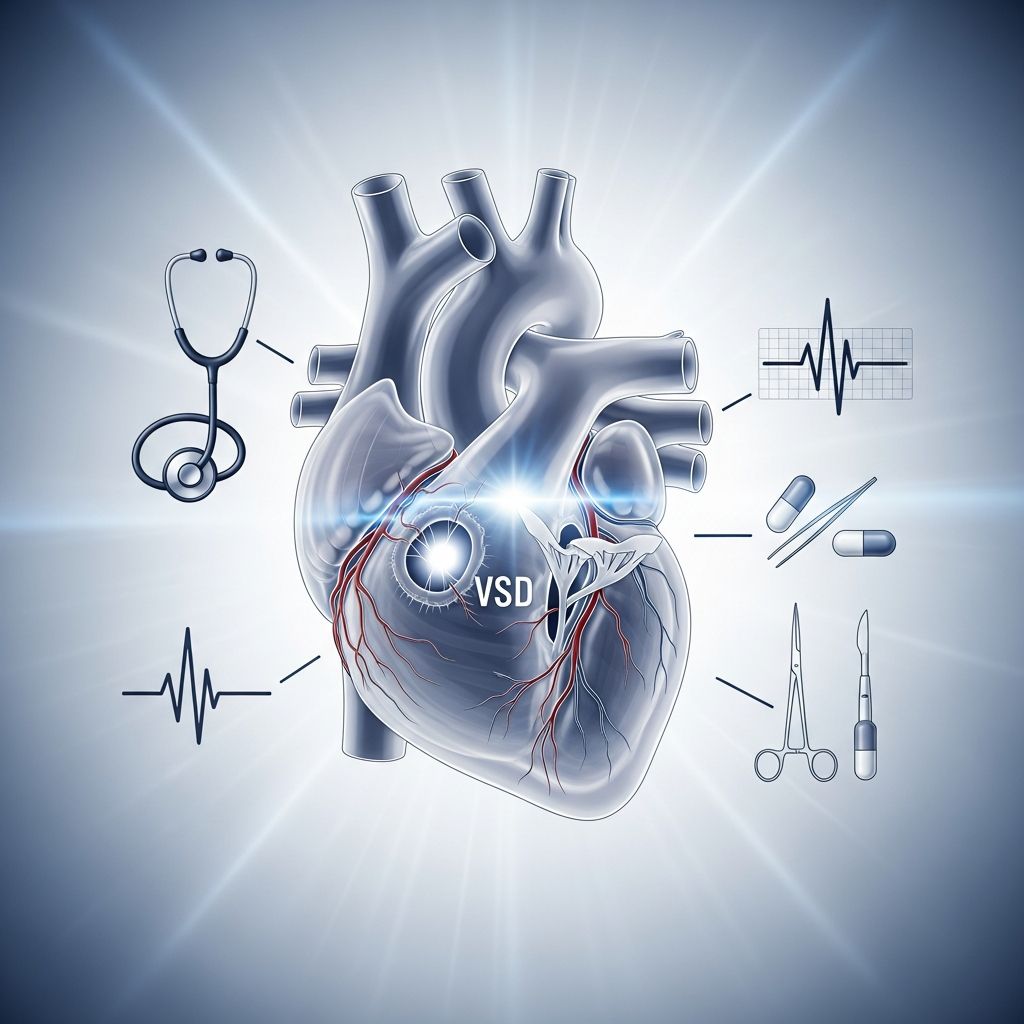
The most straightforward congenital heart defects involve structural holes or abnormal connections between heart chambers or blood vessels. A ventricular septal defect (VSD) is a hole between the lower chambers of the heart, allowing blood to flow abnormally between them. Similarly, an atrial septal defect (ASD) involves a hole between the upper chambers. Patent ductus arteriosus (PDA) occurs when a blood vessel that should close after birth remains open, creating abnormal blood flow between the aorta and pulmonary artery.
These simpler defects are often repaired straightforwardly using modern cardiopulmonary bypass techniques. Once repaired during childhood, many of these hearts function nearly normally throughout the patient’s life, though ongoing cardiac monitoring remains essential.
Complex Congenital Heart Defects
More complex forms of congenital heart disease require creative surgical solutions and multiple interventions throughout a patient’s lifetime. Tetralogy of Fallot, one of the more common complex defects, involves four anatomical abnormalities that affect how blood flows through the heart and lungs. Single ventricle conditions, where the heart develops with only one functional pumping chamber instead of two, represent among the most severe forms of CHD.
Complex conditions like transposition of the great arteries, where the major blood vessels are switched, require innovative surgical approaches. In some cases, surgeons perform a procedure called the Rastelli operation, which reroutes pulmonary venous return across the heart to the right ventricle, effectively correcting the switched vessels and allowing patients to function well into adulthood.
Silent Congenital Heart Defects
Some congenital heart defects remain clinically silent, producing no obvious symptoms or detectable heart murmur at birth. Congenitally corrected transposition of the great vessels, for example, may go completely undiagnosed unless physicians specifically search for the problem. Small atrial septal defects and some ventricular septal defects may not create enough turbulent blood flow to produce an audible murmur during routine pediatric examination. These defects are often discovered later in life during evaluation for other concerns or through advanced cardiac screening.
Related Stories



Causes and Risk Factors
Congenital heart defects arise from abnormal development of the heart during fetal life, typically during the first eight weeks of pregnancy when cardiac structures are forming. While the exact cause of most congenital heart defects remains unknown, several factors increase the risk of CHD development.
Genetic Factors
Genetics play a significant role in congenital heart disease development. Certain genetic syndromes carry substantially higher CHD risk. Down syndrome, for instance, increases CHD risk significantly. Genetic conditions like DiGeorge syndrome carry a 50 percent risk of congenital heart defects in offspring if a parent carries the genetic mutation. Other types of congenital heart disease show familial clustering with approximately five to ten percent recurrence risk in siblings or offspring.
Environmental and Maternal Factors
Maternal infections during pregnancy, particularly rubella in the first trimester, increase CHD risk. Maternal conditions like diabetes and autoimmune diseases may also contribute to heart defect development. Certain medications taken during pregnancy, particularly some anticonvulsants and retinoid medications, have been associated with increased CHD risk. Maternal alcohol consumption during pregnancy, especially during critical cardiac development periods, poses additional risk.
Diagnosis and Screening
Modern diagnostic capabilities allow detection of congenital heart defects before birth, at birth, or during early childhood, enabling timely medical intervention and planning for appropriate care.
Prenatal Screening
Fetal echocardiography represents one of the most accurate prenatal diagnostic tools, allowing detailed visualization of fetal cardiac structures as early as 12 to 15 weeks of gestation. This advanced imaging permits identification of normal cardiac development or detection of significant structural abnormalities. Early prenatal diagnosis allows physicians to prepare for delivery at facilities with appropriate cardiac surgical capabilities and pediatric intensive care resources. For certain high-risk pregnancies, knowledge of CHD diagnosis enables optimal delivery planning and immediate postnatal interventions.
Newborn Screening
Pulse oximetry screening helps identify critical congenital heart defects (CCHDs) in newborns before hospital discharge. This simple, non-invasive test measures oxygen saturation and detects babies with significantly low oxygen levels suggesting serious cardiac defects. Pediatric physical examination, including careful auscultation with a stethoscope to detect heart murmurs, identifies many CHDs in the first days of life. Many defects produce characteristic heart sounds or murmurs alertable to trained pediatricians.
Diagnostic Imaging
Transthoracic echocardiography serves as the primary diagnostic tool for evaluating congenital heart defects, providing detailed ultrasound visualization of cardiac structures, function, and blood flow patterns. Cardiac catheterization, while more invasive, provides hemodynamic data and sometimes therapeutic intervention opportunities. Cardiac magnetic resonance imaging and computed tomography offer additional detailed structural information in select cases, particularly for complex anatomy or when planning surgical interventions.
Treatment Approaches
Treatment for congenital heart defects depends on the specific defect, severity, and individual patient factors. Some defects require no intervention, while others necessitate surgical repair, catheter-based procedures, or medical management.
Surgical Repair
Cardiac surgery represents the definitive treatment for most congenital heart defects requiring intervention. Johns Hopkins pioneered modern cardiac surgery through the world’s first “blue baby” operation in 1944, establishing the foundation for contemporary congenital heart surgery. Modern surgical techniques with cardiopulmonary bypass allow precise repair of structural defects, with many simple defects resulting in essentially normal heart function following repair.
Complex defects may require multiple surgical stages performed at different ages. Staged procedures progressively redirect blood flow to gradually strengthen the remaining functional heart chambers and improve oxygen delivery to the body.
Catheter-Based Interventions
Minimally invasive catheter-based procedures offer alternatives to surgery for select defects. Transcatheter closure devices can seal certain atrial and ventricular septal defects without surgical incision. Balloon angioplasty can relieve narrowed blood vessels, and stent placement can maintain vessel patency. These procedures offer reduced recovery time and decreased morbidity compared to surgical approaches for appropriate candidates.
Medical Management
Some congenital heart defects require medical rather than surgical management. Medications such as prostaglandin inhibitors or diuretics may be used to manage specific hemodynamic conditions. Anticoagulation therapy may be necessary for certain defects or after surgical repair. Long-term medical optimization prevents complications and supports optimal cardiac function.
Living with Congenital Heart Defects
Advances in treatment have transformed congenital heart disease from a typically fatal condition into a chronic disease compatible with a normal or near-normal lifespan. Today, most children with CHD survive to adulthood, creating unique considerations for lifelong disease management.
Transition from Pediatric to Adult Care
As CHD patients reach adulthood, transition from pediatric cardiac specialists to adult congenital heart disease (ACHD) specialists becomes essential. Adult cardiologists with ACHD expertise understand the long-term complications of both the underlying cardiac defect and previous surgical repairs. This specialized knowledge ensures continuity of care and recognition of potential late complications requiring intervention.
Pregnancy and Reproductive Health
Women with congenital heart defects can often carry pregnancies successfully, though careful preconception assessment and specialized prenatal care prove essential. Overall fetal mortality in pregnancies of women with CHD is approximately four percent, with higher risks in specific high-risk subgroups. Women with single ventricle physiology, low oxygen saturation, mixed circulations, or pulmonary hypertension face increased pregnancy-related complications and should receive comprehensive counseling before conception.
The risk of congenital heart defects in offspring of affected parents varies by defect type, ranging from approximately five to ten percent for most defects to 50 percent in genetic syndromes like DiGeorge syndrome. Genetic counseling and fetal echocardiography enable informed reproductive decision-making.
Associated Health Issues
Adults with congenital heart disease develop acquired heart conditions at rates similar to or higher than the general population. Coronary artery disease, atrial fibrillation, and other age-related cardiac conditions occur in CHD patients despite their congenital disease history. Additionally, complications may arise from the initial heart defect or from surgical repairs performed decades earlier. Specialized ACHD centers manage these complex interactions between underlying CHD, previous interventions, and newly acquired cardiac disease.
Activity and Exercise
Most individuals with successfully repaired simple congenital heart defects can participate in normal activities, sports, and exercise programs. However, certain complex defects or specific cardiac conditions may necessitate activity restrictions. Individualized exercise recommendations based on cardiac function, oxygen saturation, and arrhythmia risk optimize health while maintaining safety.
Long-Term Outcomes and Prognosis
The outlook for individuals with congenital heart defects has improved dramatically. Whereas most individuals with complex CHD did not survive to adulthood in previous eras, today the majority achieve adulthood and many live full lifespans. The specific prognosis depends on defect complexity, success of initial repair, and development of late complications.
Simple defects like small atrial or ventricular septal defects typically carry excellent long-term prognosis, with normal or near-normal life expectancy. Complex defects like single ventricle physiology have improved prognosis with staged surgical approaches, though long-term survival remains more limited than for simple defects. Ongoing advances in surgical technique, catheter-based interventions, and medical management continue to improve outcomes and quality of life for all CHD patients.
Adult Congenital Heart Disease Centers
Specialized adult congenital heart disease centers provide comprehensive, coordinated care addressing the unique needs of adults living with CHD. These centers offer cardiac imaging, catheterization, electrophysiology, and surgical services coordinated by specialists with particular expertise in ACHD. Johns Hopkins Medicine maintains dedicated pediatric and adult congenital heart centers providing innovative care from fetal life through adulthood, with convenient care locations in Baltimore and Washington, DC. Specialized teams develop personalized treatment plans and coordinate seamless transitions between pediatric and adult care.
Frequently Asked Questions
Q: Are all congenital heart defects detected at birth?
A: No. While many congenital heart defects produce audible heart murmurs or symptoms detected at birth, some defects remain clinically silent. Smaller defects like minor atrial or ventricular septal defects may not create obvious symptoms or characteristic heart sounds. Some defects, such as congenitally corrected transposition of the great vessels, may go completely undiagnosed unless specifically sought through imaging studies. Routine pediatric screening and fetal echocardiography help identify many defects before or shortly after birth.
Q: Can congenital heart defects be prevented?
A: While most congenital heart defects cannot be prevented, certain risk factors can be minimized. Pregnant women should avoid alcohol, maintain good glycemic control if diabetic, and discuss medication safety with their obstetrician, particularly regarding anticonvulsants or retinoid medications. Vaccination against rubella before pregnancy reduces infection-related CHD risk. Genetic counseling helps families with known genetic syndromes understand recurrence risks and make informed reproductive decisions.
Q: Will my child with a congenital heart defect have normal life expectancy?
A: Most children with congenital heart defects, particularly those with simple defects and successful surgical repair, have normal or near-normal life expectancy. Complex defects may carry somewhat reduced life expectancy, though outcomes continue improving with advancing treatment. Individualized prognosis depends on specific defect type, repair success, and development of complications. Specialized ACHD care optimizes outcomes and quality of life.
Q: Can adults with congenital heart defects exercise normally?
A: Most adults with successfully repaired simple congenital heart defects can exercise and participate in sports similar to the general population. However, individuals with complex defects or specific cardiac conditions may have activity restrictions. Cardiologists provide individualized exercise recommendations based on cardiac function, oxygen saturation, and arrhythmia risk. Most patients benefit from regular physical activity tailored to their specific cardiac status.
Q: What should I expect when transitioning from pediatric to adult cardiac care?
A: Transition to adult congenital heart disease specialists ensures continuity of specialized care. ACHD specialists understand both the original heart defect and long-term complications of previous surgical repairs. They recognize age-related cardiac conditions common in CHD patients and coordinate comprehensive management. Successful transition typically involves gradual handoff from pediatric specialists, ensuring minimal disruption to ongoing care and establishing effective communication between care providers.
References
- Living with Adult Congenital Heart Disease (ACHD) — Johns Hopkins Medicine. 2024. https://www.youtube.com/watch?v=6V6DeRqaeqU
- Congenital Heart Defects (CHDs) — Centers for Disease Control and Prevention. 2025. https://www.cdc.gov/heart-defects/index.html
- Johns Hopkins Brings Innovative and Seamless Congenital Heart Care — Johns Hopkins Medicine. April 8, 2024. https://www.youtube.com/watch?v=ZDvKvIijG28
- Congenital Heart Resource Center — Cove Point Foundation. 2025. https://www.pted.org
Similar Articles








Read full bio of medha deb