Congestive Heart Failure: 4-Stage Guide To Symptoms And Care
Understand congestive heart failure: symptoms, causes, stages, treatments, and living with this chronic condition effectively.
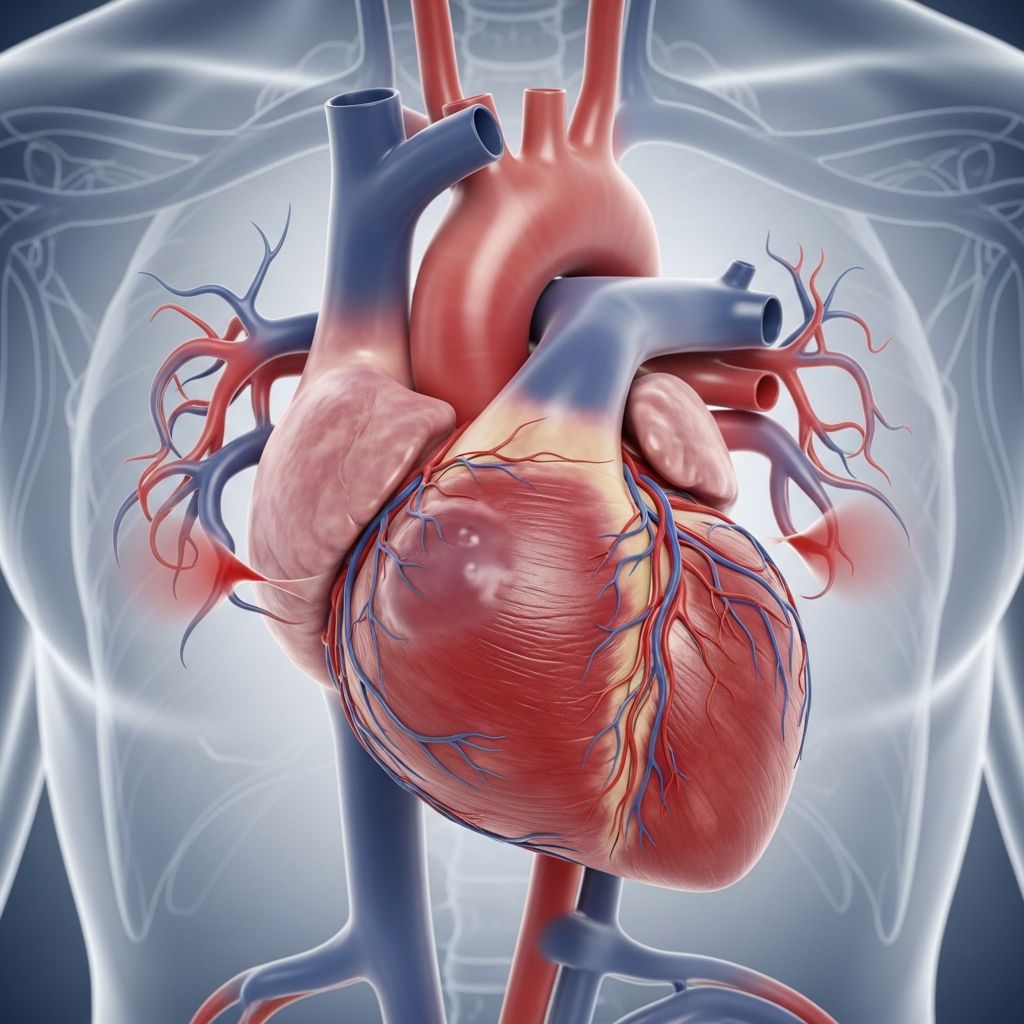
Congestive heart failure (CHF), also known as heart failure, occurs when the heart cannot pump blood efficiently to meet the body’s needs, leading to fluid buildup in the lungs, legs, and other areas. This chronic condition affects over 6 million people in the United States and is the leading cause of hospitalization for those over 65, with global prevalence impacting 26 million individuals.
What Is Congestive Heart Failure?
Congestive heart failure is a progressive condition where the heart muscle weakens or stiffens, impairing its pumping ability. Despite the name, the heart continues to function but inadequately, causing blood to back up and fluids to accumulate, particularly in the lungs and lower extremities. It represents the end stage of many heart diseases and is characterized by symptoms that worsen over time if untreated.
There are two main types: heart failure with reduced ejection fraction (HFrEF), where the left ventricle cannot contract strongly, and heart failure with preserved ejection fraction (HFpEF), where the ventricle is stiff and does not fill properly. Left-sided failure often leads to right-sided issues due to backed-up blood flow.
Symptoms of Congestive Heart Failure
Symptoms vary by stage and type but commonly include shortness of breath during activity or rest, persistent cough with white or pink-tinged phlegm, rapid or irregular heartbeat, reduced exercise ability, fatigue, swelling in legs, ankles, and feet (edema), sudden weight gain from fluid retention, nausea, lack of appetite, difficulty concentrating, and chest pain if caused by a heart attack.
- Shortness of breath (dyspnea), especially when lying down
- Swelling (edema) in the abdomen, legs, or veins in the neck
- Fatigue and weakness
- Persistent cough or wheezing
- Increased need to urinate at night
- Reduced ability to exercise
- Rapid or irregular heartbeat
- Cognitive issues like confusion in advanced stages
Symptoms can fluctuate; mild or absent signs do not indicate resolution, as CHF typically progresses.
Causes of Congestive Heart Failure
CHF arises from conditions damaging or overworking the heart. Primary causes include coronary artery disease (leading cause), prior heart attack, cardiomyopathy, heart valve disease, high blood pressure (hypertension), irregular heartbeats (arrhythmias), congenital heart defects, and other diseases like diabetes, HIV, hyperthyroidism, or amyloidosis.
Historically, hypertension and valvular disease were dominant, but coronary artery disease has risen as the top etiology since the mid-20th century, per Framingham Heart Study data. Left-sided failure often precipitates right-sided due to pressure overload.
Risk Factors for Congestive Heart Failure
Key risk factors mirror causes: hypertension, coronary artery disease, diabetes, sleep apnea, obesity, alcohol use disorder, tobacco use, viral infections affecting the heart, and family history. Age over 65 significantly increases risk, with incidence doubling per decade after middle age.
- High blood pressure
- Coronary artery disease or heart attack history
- Diabetes
- Obesity or sleep apnea
- Chronic lifestyle factors like smoking or heavy alcohol use
Related Stories



Complications of Congestive Heart Failure
Untreated or advanced CHF leads to serious issues: kidney damage or failure, fluid in the lungs (pulmonary edema), arrhythmias including sudden cardiac arrest, heart valve dysfunction, and liver damage from congestion. It elevates stroke risk and causes malnutrition from appetite loss.
Diagnosis of Congestive Heart Failure
Diagnosis starts with medical history, symptom review, and physical exam checking for edema, lung crackles, or neck vein distension. Tests include blood work (BNP levels), ECG, echocardiogram (key for ejection fraction), stress tests, cardiac CT/MRI, catheterization, and chest X-ray.
Echocardiography is recommended as the primary tool for objective cardiac dysfunction evidence.
Stages of Congestive Heart Failure
CHF progresses through four stages defined by the American Heart Association/ACC:
| Stage | Description | Symptoms |
|---|---|---|
| A (Pre-HF) | High risk but no structural heart changes or symptoms | None |
| B (Pre-HF) | Structural changes (e.g., low EF, valve issues) but no symptoms | None |
| C | Structural disease with current or past symptoms | Present (shortness of breath, fatigue, etc.) |
| D | Advanced, refractory symptoms despite treatment | Severe, persistent |
Stages are irreversible; treatment aims to halt progression.
Treatment for Congestive Heart Failure
No cure exists, but treatments slow progression and manage symptoms. Stage-specific approaches:
- Stage A: Lifestyle changes (heart-healthy diet, exercise, no smoking/alcohol), treat hypertension, statins, ACE inhibitors/ARBs/ARNIs.
- Stage B: Beta-blockers, SGLT2 inhibitors, add aldosterone antagonists if indicated.
- Stage C HFrEF: ACEI/ARNI, beta-blockers, mineralocorticoid antagonists, SGLT2i, ivabradine, vericiguat; diuretics for fluid.
- Stage D: All prior plus advanced options: LVAD, transplant, inotropes, palliative care.
- HFpEF: SGLT2i, diuretics, manage comorbidities.
Devices like ICDs, CRT pacemakers; surgery for valves/CABG; lifestyle remains foundational. ACE inhibitors have shown survival benefits since the 1987 CONSENSUS trial.
Living With Congestive Heart Failure
Manage by monitoring weight daily (report 2-3 lb gain), low-sodium diet (<2g/day), regular exercise as tolerated, medication adherence, vaccinations, and follow-ups. Manage comorbidities like diabetes. With care, active life is possible; prognosis depends on stage, treatment response, and comorbidities.
Prognosis for Congestive Heart Failure
CHF shortens lifespan by about 10 years on average; 5-year mortality ~60%, worse in low-wealth countries. Early intervention improves outcomes, but hospitalizations persist despite advances.
Frequently Asked Questions (FAQs)
What is the life expectancy with congestive heart failure?
Life expectancy varies; Stage C patients may live 1-10 years with treatment, Stage D shorter. Overall, 50% 5-year survival.
Is congestive heart failure curable?
No, but manageable to slow progression and enhance quality of life.
What are the early signs of CHF?
Fatigue, mild shortness of breath, slight swelling; often subtle.
Can you reverse heart failure stages?
No, stages do not regress; focus is prevention of advancement.
What diet is best for CHF?
Low-sodium, heart-healthy (DASH/Mediterranean), fluid restriction if advised.
References
- Congestive Heart Failure: Symptoms, Stages & Treatment — Cleveland Clinic. 2023-03-10. https://my.clevelandclinic.org/health/diseases/17069-heart-failure-understanding-heart-failure
- Congestive Heart Failure: A History — National Center for Biotechnology Information (PMC). 2019-10-01. https://pmc.ncbi.nlm.nih.gov/articles/PMC6791096/
Similar Articles








Read full bio of Sneha Tete