Congestive Heart Failure: Essential Facts For Your Health
Understand symptoms, stages, causes, and treatments for congestive heart failure to manage this serious condition effectively.
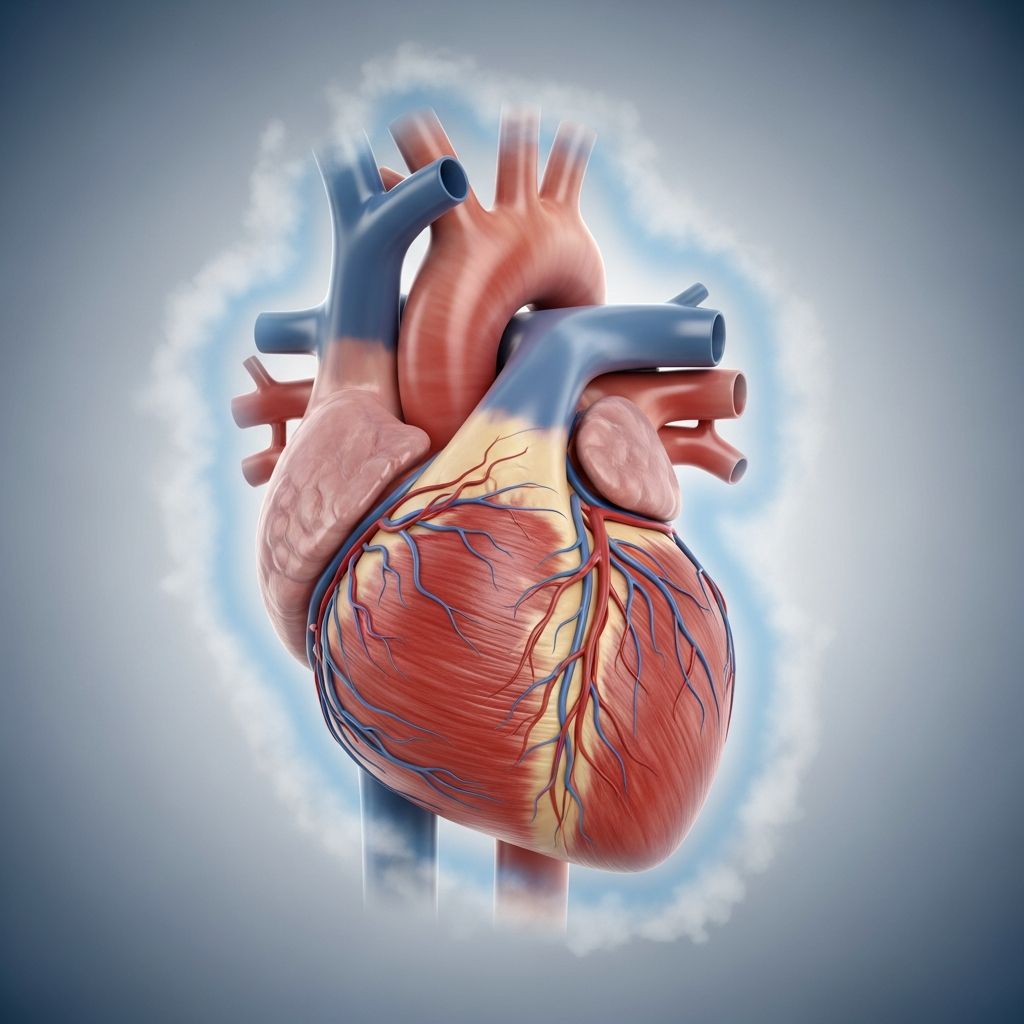
Congestive heart failure (CHF), also known as heart failure, is a chronic condition where the heart cannot pump blood efficiently to meet the body’s needs, leading to fluid buildup in the lungs, legs, and other areas.
What Is Congestive Heart Failure?
Congestive heart failure occurs when the heart muscle weakens or stiffens, impairing its ability to pump blood effectively. Despite the name, the heart continues beating but fails to deliver adequate oxygen-rich blood. This results in blood backing up, causing congestion in tissues. It affects over 6 million Americans and is the leading cause of hospitalization for those over 65.
The condition is progressive and classified by left ventricular ejection fraction (LVEF): heart failure with reduced ejection fraction (HFrEF), mildly reduced (HFmrEF), and preserved (HFpEF). A 2021 universal definition describes HF as a syndrome with symptoms, elevated natriuretic peptides, and evidence of congestion.
Symptoms of Congestive Heart Failure
Symptoms vary from mild to severe and may fluctuate. Common signs include:
- Shortness of breath during activity or rest, especially when lying flat
- Persistent cough or wheezing with white or pink blood-tinged phlegm
- Swelling (edema) in legs, ankles, feet, abdomen, or veins in the neck
- Rapid or irregular heartbeat (palpitations)
- Fatigue and weakness, even with minimal activity
- Increased need to urinate at night
- Sudden weight gain from fluid retention
- Decreased exercise ability
- Chest pain if caused by a heart attack
Symptoms can worsen over time as the condition advances.
Causes of Congestive Heart Failure
CHF develops when the heart muscle is damaged or overworked. Primary causes include:
- Coronary artery disease and heart attack, which scar heart tissue
- High blood pressure forcing the heart to work harder
- Cardiomyopathy from infections, alcohol, drugs, or toxins
- Heart valve disease causing backflow or narrowing
- Damage from radiation, chemotherapy, or irregular rhythms like atrial fibrillation
Left-sided heart failure often leads to right-sided failure as pressure backs up into the right ventricle. Lung issues or other organ problems can also contribute.
Risk Factors for Congestive Heart Failure
Several factors increase CHF risk:
- Hypertension, coronary artery disease, heart attacks
- Diabetes, sleep apnea, congenital heart defects, valve disease
- Viral infections, alcohol or drug use, obesity, smoking
- Family history or age over 65
HFpEF patients often have hypertension, obesity, atrial fibrillation, anemia, chronic kidney disease, or pulmonary disease, while HFrEF links strongly to coronary artery disease.
Types of Congestive Heart Failure
CHF is categorized by affected side and LVEF:
- Left-sided HF: Left ventricle fails; blood backs into lungs causing pulmonary edema (shortness of breath).
- Right-sided HF: Right ventricle fails; fluid accumulates in veins, causing leg and abdominal swelling. Often secondary to left-sided failure.
- Congestive HF: Both sides affected, leading to widespread fluid buildup.
By LVEF: HFrEF (<40%), HFmrEF (40-49%), HFpEF (≥50%). Valvular issues like tricuspid regurgitation are more common in HFpEF.
Stages of Congestive Heart Failure
Related Stories



Heart failure progresses through four stages (A-D):
| Stage | Description | Key Features |
|---|---|---|
| A (Pre-HF) | High risk, no structural damage or symptoms | Hypertension, diabetes, CAD, family history |
| B (Pre-HF) | Structural changes (e.g., low EF, valve issues), no symptoms | Abnormal left ventricle function |
| C (Symptomatic) | Structural disease with current/past symptoms | Marked limitations; HFrEF or HFpEF treatments apply |
| D (Advanced) | Severe symptoms despite max treatment | Requires advanced interventions like transplant |
Stages are irreversible forward; treatment slows progression.
Diagnosis of Congestive Heart Failure
Diagnosis involves:
- Medical history and physical exam (checking for edema, lung crackles, jugular vein distension)
- Blood tests: B-type natriuretic peptide (BNP) >100 pg/mL indicates HF
- Echocardiogram: Measures EF, assesses structure/function
- ECG, chest X-ray, stress test, cardiac CT/MRI, catheterization
Natriuretic peptides confirm diagnosis and predict outcomes.
Treatment for Congestive Heart Failure
No cure exists; treatments slow progression and manage symptoms. Stage-specific:
- Stage A: Blood pressure control, statins, ACE inhibitors/ARBs, SGLT2 inhibitors, lifestyle (exercise, no smoking, heart-healthy diet, weight management, sleep apnea treatment).
- Stage B: Beta-blockers, ACEIs/ARBs/ARNIs, mineralocorticoid antagonists, SGLT2i, statins, coronary revascularization.
- Stage C HFrEF: ARNI (sacubitril/valsartan), beta-blockers, MRA, SGLT2i, ivabradine, vericiguat, hydralazine/nitrate (for specific groups), devices (CRT, ICD).
- Stage C/D HFpEF: SGLT2i, diuretics, manage comorbidities.
- Stage D: IV diuretics/inotropes, ventricular assist devices (LVAD), transplant, palliative care.
Manage fluids/sodium, vaccinate against flu/COVID/pneumonia.
Complications of Congestive Heart Failure
Potential issues include:
- Arrhythmias, sudden cardiac arrest, valve problems
- Kidney/hepatic damage, fluid in abdomen/pleura/pericardium
- Pulmonary hypertension, infections, anemia, depression
Treatment risks: low BP, high potassium, cough, angioedema.
Prevention of Congestive Heart Failure
Prevent by treating risks: control BP/cholesterol/diabetes, quit smoking, exercise, healthy weight/diet, limit alcohol, treat sleep apnea.
Outlook and Prognosis
CHF reduces lifespan by about 10 years on average. Five-year survival post-diagnosis: 50% for women, 25% for men (older data). Prognosis depends on stage, EF, treatment adherence, comorbidities. Advances improve outcomes, but CV death remains leading cause, especially in HFrEF; non-CV deaths rise in HFpEF.
Living With Congestive Heart Failure
Monitor weight daily, adhere to low-sodium diet (<2g/day), exercise as tolerated, take meds, attend follow-ups. Cardiac rehab aids recovery. Family support and education are key.
Frequently Asked Questions
Is congestive heart failure curable?
No, but treatments manage symptoms and slow progression effectively.
What is the life expectancy with CHF?
Varies; about 50% five-year survival, influenced by stage and care.
Can you reverse heart failure stages?
No, stages progress forward; goal is to halt advancement.
What triggers CHF worsening?
Infections, uncontrolled BP, arrhythmias, excessive salt/fluid, non-adherence.
Does exercise help CHF patients?
Yes, cardiac rehab improves strength and quality of life safely.
References
- Congestive Heart Failure: Symptoms, Stages & Treatment — Cleveland Clinic. 2023-03-10. https://my.clevelandclinic.org/health/diseases/17069-heart-failure-understanding-heart-failure
- Global Public Health Burden of Heart Failure: An Updated Review — Cardiac Failure Review (PMC). 2023-07-26. https://pmc.ncbi.nlm.nih.gov/articles/PMC10398425/
Similar Articles








Read full bio of Sneha Tete