Congestive Heart Failure: Prevention, Treatment & Research
Complete guide to understanding, preventing, and treating congestive heart failure.
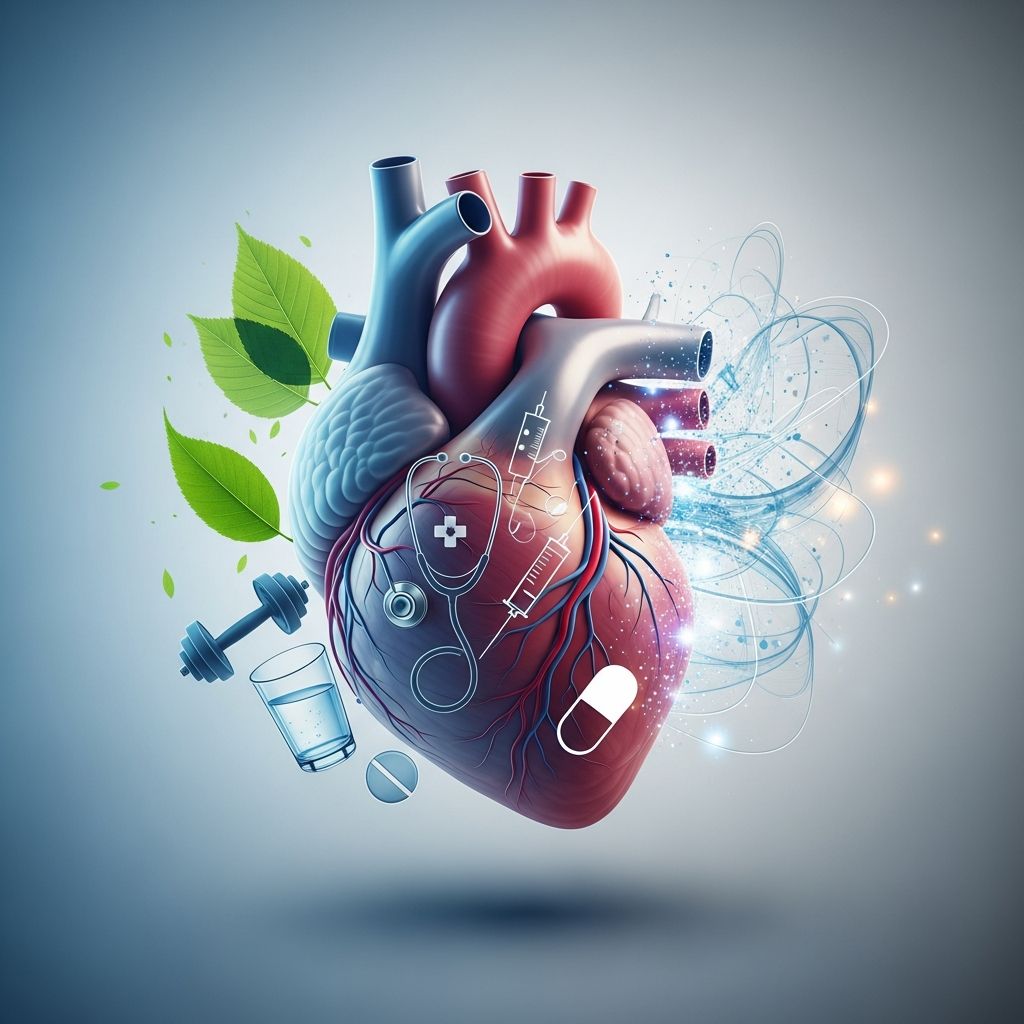
Congestive heart failure (CHF) represents one of the most significant cardiovascular challenges facing modern medicine. It is a complex condition where the heart cannot pump blood effectively enough to meet the body’s demands. Understanding this condition—from its underlying causes to the latest treatment innovations—is essential for patients, caregivers, and healthcare providers alike. This comprehensive guide explores what congestive heart failure is, how it develops, prevention strategies, current treatment approaches, and groundbreaking research that offers hope for improved outcomes.
Understanding Congestive Heart Failure
Congestive heart failure is a chronic condition in which the heart’s ability to pump blood becomes compromised. When this happens, blood backs up into the lungs and other tissues, causing fluid accumulation and a range of debilitating symptoms. Unlike a heart attack, which occurs suddenly, heart failure typically develops gradually as the heart becomes weakened or stiffened over time.
The term “congestive” refers to the fluid accumulation that characterizes the condition, though not all heart failure patients experience visible congestion. Heart failure can affect the left side of the heart, the right side, or both. The condition is classified into two primary types based on how the heart pumps: systolic heart failure (reduced ejection fraction) and diastolic heart failure (preserved ejection fraction).
Types of Heart Failure
Systolic Heart Failure (HFrEF): In this type, the left ventricle cannot contract forcefully enough to pump blood effectively to the body. The ejection fraction—the percentage of blood leaving the heart with each beat—falls below 40 percent. This is the most common form of heart failure and often results from previous heart attacks, chronic high blood pressure, or coronary artery disease.
Diastolic Heart Failure (HFpEF): This type occurs when the heart muscle becomes stiff and cannot relax properly between beats, preventing adequate blood filling. The ejection fraction typically remains normal (above 45 percent), but the heart’s ability to fill with blood is impaired. This form is more common in elderly patients and those with chronic hypertension.
Risk Factors and Prevention
Understanding the risk factors for heart failure is crucial for prevention. Several conditions and lifestyle factors significantly increase the likelihood of developing this serious condition:
Major Risk Factors
High Blood Pressure: Hypertension is the leading preventable cause of heart failure. Over time, elevated blood pressure forces the heart to work harder, causing the muscle to thicken and stiffen. Managing blood pressure through medication, diet, and lifestyle changes is one of the most effective prevention strategies.
Coronary Artery Disease: Narrowed arteries reduce blood flow to the heart muscle, weakening it over time. Preventing or managing coronary artery disease through regular exercise, healthy eating, and medical treatment can significantly reduce heart failure risk.
Diabetes: People with diabetes have nearly twice the risk of developing heart failure as those without diabetes. Tight blood sugar control, weight management, and regular physical activity are essential for diabetic individuals.
Obesity: Excess weight increases the workload on the heart and contributes to high blood pressure and diabetes. Maintaining a healthy weight through balanced nutrition and regular exercise is a cornerstone of prevention.
Related Stories



Smoking: Tobacco damages blood vessels and the heart muscle directly. Quitting smoking is one of the most impactful steps anyone can take to reduce heart failure risk.
Prevention Strategies
Prevention of heart failure involves addressing modifiable risk factors through comprehensive lifestyle modifications and medical management:
– Regular physical activity: Aim for at least 150 minutes of moderate-intensity aerobic exercise weekly- Healthy diet: Follow a heart-healthy diet rich in fruits, vegetables, whole grains, and lean proteins- Weight management: Maintain a healthy weight through balanced nutrition and exercise- Blood pressure control: Monitor and manage hypertension with medication and lifestyle changes- Diabetes management: Keep blood sugar levels within target ranges through medication and lifestyle modification- Smoking cessation: Quit smoking completely to reduce cardiovascular strain- Limit alcohol consumption: Excessive alcohol can weaken the heart muscle- Stress management: Practice relaxation techniques and seek mental health support when needed- Regular medical check-ups: Monitor cardiovascular health and address risk factors early
Recognizing Symptoms
Early recognition of heart failure symptoms enables prompt treatment and can significantly improve outcomes. The symptoms vary depending on whether left-sided or right-sided heart failure is present.
Common Symptoms
– Shortness of breath during physical activity or when lying down- Extreme fatigue and weakness- Swelling in the legs, ankles, and feet- Rapid or irregular heartbeat- Persistent cough or wheezing- Chest discomfort or pressure- Difficulty concentrating or confusion- Sudden weight gain (more than 2-3 pounds daily)- Loss of appetite or nausea- Need to urinate frequently, especially at night
These symptoms can worsen gradually or appear suddenly. Any combination of these warning signs warrants immediate medical evaluation.
Diagnosis and Testing
Accurate diagnosis is essential for developing an effective treatment plan. Healthcare providers use multiple diagnostic tools to confirm heart failure and determine its type and severity.
Diagnostic Procedures
Echocardiogram: This ultrasound imaging test visualizes the heart’s structure and function, measuring ejection fraction and identifying any structural abnormalities. It remains the gold standard for diagnosing heart failure.
Electrocardiogram (EKG): This test records the heart’s electrical activity, revealing arrhythmias, signs of previous heart attacks, or patterns indicating heart stress.
Chest X-Ray: This imaging helps identify pulmonary congestion and abnormal heart size, providing additional diagnostic confirmation.
Blood Tests: Natriuretic peptide tests (BNP and NT-proBNP) measure substances released by the heart when stressed, helping confirm the diagnosis and assess severity.
Cardiac Catheterization: This invasive procedure measures pressures within the heart chambers and blood vessels, providing detailed hemodynamic information when non-invasive tests are inconclusive.
Treatment Approaches
Treatment for congestive heart failure is multifaceted, focusing on relieving symptoms, slowing disease progression, and improving quality of life. The specific approach depends on the type and stage of heart failure.
Medications
ACE Inhibitors and ARBs: These medications relax blood vessels, reducing the heart’s workload and improving blood flow. They are often first-line therapy for systolic heart failure.
Beta-Blockers: These drugs slow heart rate and reduce blood pressure, allowing the heart to pump more efficiently. They improve survival rates in systolic heart failure.
Diuretics: Water pills help remove excess fluid from the body, reducing congestion and alleviating symptoms like shortness of breath and swelling.
Aldosterone Antagonists: These medications block the hormone aldosterone, preventing fluid retention and potassium loss, with proven mortality benefits in advanced heart failure.
SGLT2 Inhibitors: Originally developed for diabetes, these newer medications have shown remarkable benefits in both systolic and diastolic heart failure.
Lifestyle Modifications
Successful heart failure management requires significant lifestyle adjustments:
– Sodium restriction: Limit salt intake to reduce fluid retention- Fluid management: Monitor and restrict fluid intake as directed by healthcare providers- Regular exercise: Participate in cardiac rehabilitation programs under medical supervision- Stress reduction: Practice meditation, yoga, or other relaxation techniques- Sleep optimization: Maintain proper sleep hygiene and address sleep disorders- Medication adherence: Take all prescribed medications as directed- Regular monitoring: Track symptoms and weight daily, reporting significant changes
Advanced Treatment Options
For patients who do not respond adequately to medications and lifestyle modifications, advanced therapeutic options are available:
Implantable Devices: Pacemakers and defibrillators can coordinate heart contractions and prevent dangerous arrhythmias. Cardiac resynchronization therapy (CRT) helps coordinate timing between heart chambers, improving pumping efficiency.
Left Ventricular Assist Devices (LVADs): These mechanical pumps support the failing heart, either as a temporary bridge to transplantation or as permanent “destination therapy” for patients ineligible for transplantation.
Heart Transplantation: Reserved for end-stage heart failure patients who have exhausted other options, heart transplantation offers the best long-term outcomes for selected candidates.
Heart Failure Stages
The American College of Cardiology and American Heart Association classify heart failure into four progressive stages:
Stage A (Pre-Heart Failure): Individuals at high risk but without structural heart disease. This stage focuses on risk factor modification.
Stage B (Structural Disease Without Symptoms): Documented left ventricular dysfunction or structural heart disease but without symptoms. Treatment begins to prevent progression.
Stage C (Symptomatic Heart Failure): Previous or current symptoms of heart failure with underlying structural heart disease. Treatment focuses on symptom management and disease progression.
Stage D (Advanced Heart Failure): Symptoms persist despite optimal therapy. Evaluation for advanced interventions like mechanical support or transplantation becomes necessary.
Cutting-Edge Research and Innovation
Researchers continue to develop innovative approaches to improve heart failure outcomes and quality of life for patients.
Emerging Therapies
Gene Therapy: Scientists are exploring genetic approaches to repair damaged heart muscle and restore cardiac function at the molecular level.
Stem Cell Therapy: Regenerative medicine approaches show promise in replacing damaged heart tissue and improving cardiac function.
Advanced Imaging: New imaging techniques provide unprecedented visualization of heart structure and function, enabling more precise diagnosis and treatment planning.
Wearable Technology: Remote monitoring devices track vital signs and symptoms, enabling early intervention and reducing hospitalizations.
Novel Medications: Researchers are developing new drug classes that target previously unexploited pathways in heart failure pathophysiology.
Living with Heart Failure
Managing heart failure requires a comprehensive approach involving patients, caregivers, and healthcare teams working collaboratively.
Daily Management Tips
– Weigh yourself daily at the same time and report sudden weight gain- Take medications exactly as prescribed without missing doses- Follow dietary sodium and fluid restrictions strictly- Maintain regular exercise within prescribed limits- Monitor symptoms closely and report changes promptly- Keep all medical appointments and testing schedules- Join support groups for emotional and practical support- Educate family members about warning signs and emergency procedures
Frequently Asked Questions
Q: Is heart failure curable?
A: Currently, there is no cure for heart failure, but advances in treatment have significantly improved symptom management and quality of life. Early detection and aggressive treatment can slow disease progression substantially.
Q: How often should I see my cardiologist?
A: Initially, frequent monitoring (weekly to monthly) may be necessary. Once stabilized, most patients require follow-up appointments every 3-6 months, with more frequent visits during acute episodes or treatment changes.
Q: Can I exercise with heart failure?
A: Yes, exercise is beneficial and often recommended. However, it must be tailored to your specific condition and approved by your healthcare provider. Cardiac rehabilitation programs provide supervised, safe exercise guidance.
Q: What should I do if I experience sudden shortness of breath?
A: Sit upright, use your rescue inhaler if prescribed, and contact your healthcare provider immediately. If accompanied by chest pain or severe symptoms, call emergency services.
Q: How does salt affect heart failure?
A: Excess salt promotes fluid retention, worsening congestion and symptoms. Strict sodium restriction is a critical component of heart failure management.
Q: Can heart failure be prevented?
A: While not always preventable, the risk can be substantially reduced through managing high blood pressure, controlling diabetes, maintaining healthy weight, avoiding smoking, and regular exercise.
References
- Heart Failure — Johns Hopkins Diabetes Guide. https://www.hopkinsguides.com/hopkins/view/Johns_Hopkins_Diabetes_Guide/547061/all/Heart_Failure
- Congestive Heart Failure | Hospital to Home Transition Program — Johns Hopkins Medicine. 2020. https://www.hopkinsguides.com/hopkins/view/Johns_Hopkins_Diabetes_Guide/547061/all/Heart_Failure
- Congestive Heart Failure: Symptoms, Stages & Treatment — Cleveland Clinic. https://my.clevelandclinic.org/health/diseases/17069-heart-failure-understanding-heart-failure
Similar Articles








Read full bio of medha deb