Congestive Heart Failure Symptoms: 7 Early Signs To Watch
Recognize the early warning signs of congestive heart failure, from shortness of breath to swelling, and learn when to seek urgent medical care.
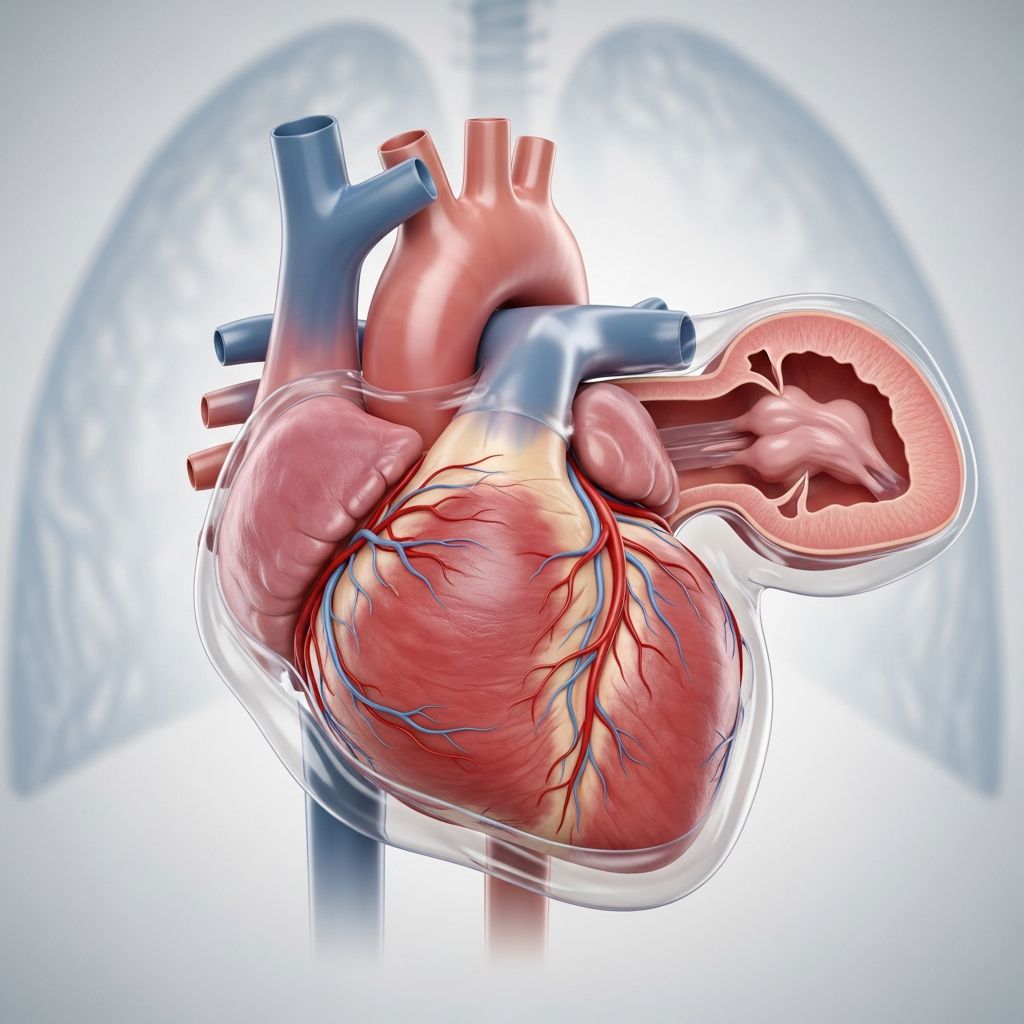
Congestive heart failure (CHF), also known as heart failure, occurs when the heart cannot pump blood effectively, leading to inadequate oxygen and nutrient delivery to the body. This condition affects millions worldwide and can develop gradually, making early symptom recognition crucial for timely intervention. Common symptoms include shortness of breath, swelling, fatigue, and more, which signal the heart’s struggle to meet bodily demands.
What Is Congestive Heart Failure?
Congestive heart failure is a chronic syndrome where the heart muscle weakens or stiffens, impairing its pumping ability. It is classified by left ventricular ejection fraction (LVEF): heart failure with reduced ejection fraction (HFrEF) or preserved ejection fraction (HFpEF). Fluid buildup, or congestion, leads to symptoms like pulmonary edema and peripheral swelling. Risk factors include coronary artery disease, hypertension, diabetes, and valvular heart disease. The sympathetic nervous system’s chronic activation causes myocardial remodeling, hypertrophy, and fluid retention via the renin-angiotensin-aldosterone system (RAAS). Acute decompensation presents with severe congestion or hypoperfusion, while chronic cases show progressive fatigue and cachexia.
Common Symptoms of Congestive Heart Failure
Symptoms arise from fluid overload and reduced cardiac output. Physical exam findings vary by stage: tachycardia, tachypnea, pulmonary rales, S3 gallop, jugular venous distention, and peripheral edema are hallmarks. Major diagnostic criteria include acute pulmonary edema, cardiomegaly, orthopnea, and S3 gallop; minor ones encompass ankle edema and nocturnal cough.
Shortness of Breath
Shortness of breath (dyspnea) is the most common symptom, occurring during exertion, lying flat (orthopnea), or at rest in advanced cases. Fluid accumulates in the lungs due to elevated left atrial pressure, causing pulmonary congestion. Patients may need multiple pillows to sleep or experience paroxysmal nocturnal dyspnea. Wheezing or frothy sputum indicates severe congestion.
Swelling (Edema)
Edema in the legs, ankles, and feet results from right-sided heart failure, where venous pressure rises, forcing fluid into tissues. It feels tight and puffy, often bilateral, and may progress to skin changes or ulcers. Abdominal swelling (ascites) or hepatic congestion can also occur. Daily weight monitoring detects fluid retention, with gains over 2-3 pounds signaling worsening.
Fatigue and Weakness
Persistent fatigue stems from inadequate tissue perfusion. Even rest does not alleviate it, reducing exercise tolerance and quality of life. In advanced stages, patients appear cachexic with poor mentation and cold extremities.
Rapid or Irregular Heartbeat
Palpitations or arrhythmias, like atrial fibrillation, occur as the heart compensates for low output. An irregular pulse, tachycardia (>120 bpm), or pulsus alternans suggests severe dysfunction. ECG reveals pacing abnormalities.
Persistent Cough or Wheezing
A chronic cough, often nocturnal or recumbent, arises from lung fluid irritating airways. It may produce pink, frothy sputum in acute cases. This mimics respiratory illness but persists despite treatment.
Loss of Appetite or Nausea
Gastrointestinal congestion causes nausea, anorexia, and abdominal discomfort. Reduced splanchnic blood flow leads to early satiety and unintentional weight loss, exacerbating malnutrition.
Other Symptoms
Additional signs include sudden weight gain from fluid, chest pain, confusion from hypoperfusion, reduced urine output, and sleep disturbances. Right-sided failure may cause hepatomegaly or jugular distention; left-sided adds pulmonary findings.
Stages of Heart Failure
Heart failure progresses through stages per ACC/AHA guidelines:
Related Stories



- Stage A: At risk (hypertension, diabetes) but no structural disease.
- Stage B: Structural changes (e.g., LV hypertrophy) without symptoms.
- Stage C: Structural disease with current or prior symptoms.
- Stage D: Refractory end-stage requiring advanced therapies like transplant.
NYHA functional classification assesses symptom severity: Class I (no limitation) to Class IV (symptoms at rest).
When to Seek Medical Attention
Seek immediate care for severe dyspnea, chest pain, sudden swelling, rapid weight gain (>2-3 lbs in days), confusion, or syncope. These indicate decompensation or cardiogenic shock. Routine evaluation is needed for new or worsening early signs to prevent hospitalization.
Diagnosis of Congestive Heart Failure
Diagnosis combines history, exam, and tests:
| Test | Purpose |
|---|---|
| Echocardiogram | Assesses LVEF, chamber size, valves |
| BNP/NT-proBNP | Biomarker for congestion/stress |
| ECG | Detects arrhythmias, ischemia |
| Chest X-ray | Shows cardiomegaly, pulmonary edema |
| Blood tests | Checks electrolytes, renal function |
Framingham criteria use major/minor signs for probability.
Treatment Options
Treatment aims to reduce symptoms, improve survival, and prevent progression:
- Medications: ACE inhibitors/ARBs/ARNIs, beta-blockers, diuretics, SGLT2 inhibitors, aldosterone antagonists.
- Lifestyle: Sodium restriction, fluid management, exercise, smoking cessation.
- Devices: ICDs, CRT for HFrEF.
- Advanced: LVAD, transplant for Stage D.
Risk Factors and Prevention
Risk factors: Age >65, hypertension, CAD, diabetes, obesity, smoking, alcohol. Prevention involves BP control, statins, diabetes management, and regular checkups. Gender differences: Women more often have HFpEF with atypical symptoms like fatigue.
Frequently Asked Questions
What are the early warning signs of congestive heart failure?
Early signs include shortness of breath, leg/ankle swelling, persistent fatigue, rapid/irregular heartbeat, persistent cough/wheezing, sudden weight gain, and loss of appetite/nausea.
How soon should I see a doctor if I notice these symptoms?
Immediately for severe symptoms like chest pain or extreme dyspnea; promptly for milder persistent signs to prevent progression.
What causes congestive heart failure?
Common causes: Coronary disease, hypertension, cardiomyopathy, valvular issues, arrhythmias.
Can heart failure be reversed?
Not fully, but treatments can improve function, relieve symptoms, and extend life.
Is swelling always a sign of heart failure?
No, but bilateral leg edema with other symptoms warrants evaluation.
References
- 7 Early Warning Signs of Congestive Heart Failure You Shouldn’t Ignore — National Blood Clot Alliance (thrombosis.org). 2023. https://thrombosis.org/patients/patient-articles/7-early-warning-signs-of-congestive-heart-failure-you-shouldn-t-ignore
- Heart Failure (Congestive Heart Failure) — StatPearls, NCBI Bookshelf. 2023-10-24. https://www.ncbi.nlm.nih.gov/books/NBK430873/
- Congestive Heart Failure: Symptoms, Stages & Treatment — Cleveland Clinic. 2023-06-14. https://my.clevelandclinic.org/health/diseases/17069-heart-failure-understanding-heart-failure
Similar Articles








Read full bio of medha deb