Connections Between Clean Eating and Orthorexia
Exploring how the pursuit of clean eating can evolve into orthorexia nervosa, an obsessive focus on 'pure' foods with serious health risks.
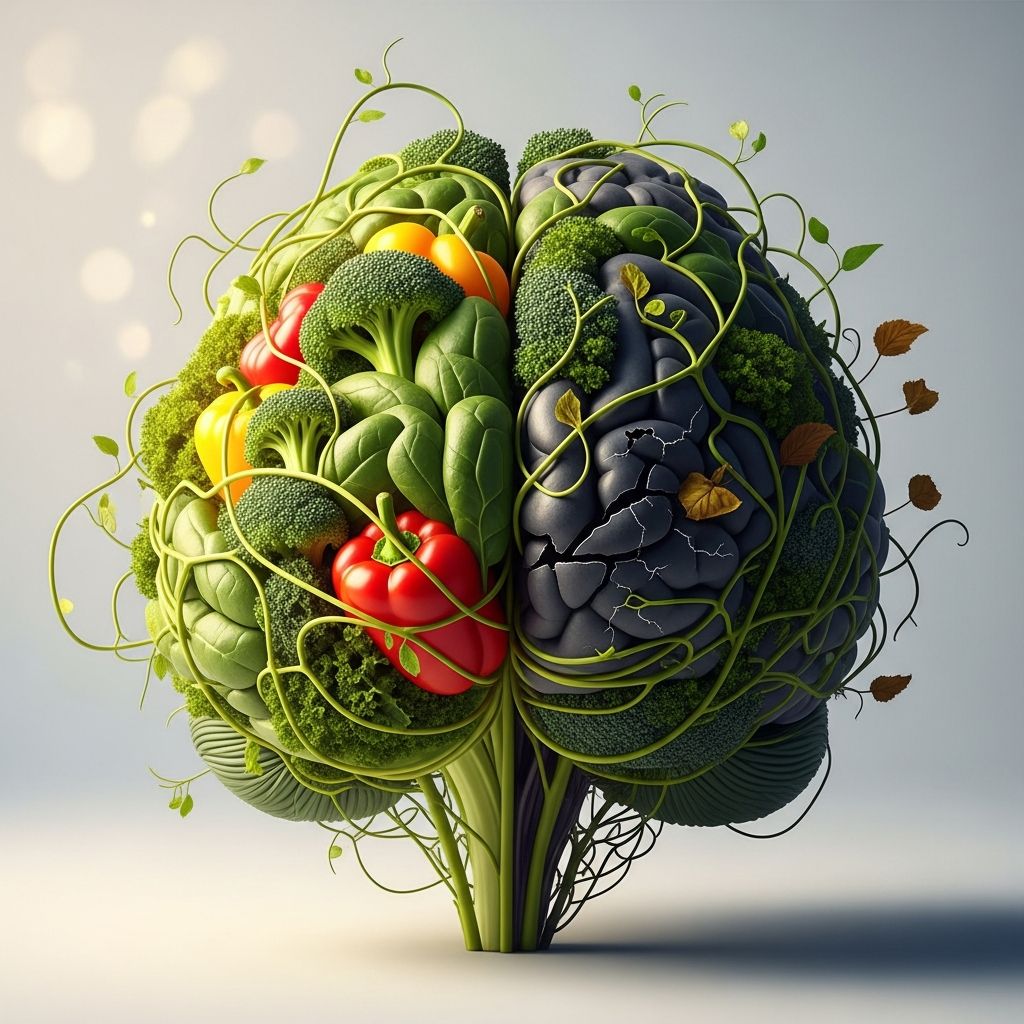
Clean eating has surged in popularity as a lifestyle choice aimed at improving health through whole, unprocessed foods. However, when this pursuit becomes obsessive, it can cross into orthorexia nervosa—a condition characterized by an unhealthy fixation on food purity and quality. This article delves into the blurred boundaries between beneficial dietary practices and pathological behaviors, highlighting symptoms, consequences, and recovery paths.
What is Clean Eating?
Clean eating emphasizes consuming foods in their most natural state, avoiding processed items, artificial additives, and refined sugars. Proponents advocate for organic produce, lean proteins, and whole grains to optimize nutrition and well-being. Diets like Paleo, raw food, or Low Carb High Fat exemplify this trend, promoting restrictive patterns to eliminate ‘impure’ foods such as dairy or gluten.
While moderate clean eating can support physical health, its rigid rules often lead to nutritional imbalances if not balanced properly. Social media amplifies this trend, portraying it as a moral virtue, which can pressure individuals into extreme adherence.
Understanding Orthorexia Nervosa
Orthorexia nervosa, coined by Dr. Steven Bratman in 1997, describes an obsession with eating foods perceived as pure and healthy, to the detriment of overall functioning. Unlike anorexia, which centers on weight loss and body image, orthorexia focuses on health purity and moral superiority through diet.
Individuals may progressively restrict their intake to ‘safe’ foods like raw vegetables, experiencing distress if unavailable. This escalation includes compulsive label-checking, excessive meal planning, and avoidance of social eating.
Signs and Symptoms of Orthorexia
Recognizing orthorexia early is crucial. Key symptoms include:
- Obsessive concern with food quality, cleanliness, or purity, often refusing non-organic or sourced-unknown items.
- Compulsive reading of ingredient lists and nutritional labels, fearing contaminants or additives.
- Rigid elimination of food groups (e.g., gluten, dairy, processed foods) without medical necessity.
- Intense anxiety when deviating from the diet or when ‘pure’ foods are unavailable.
- Excessive time spent planning, shopping, and preparing meals, impacting work and relationships.
- Pride in dietary restrictions, viewing them as ethically superior, while criticizing others’ habits.
Physical signs emerge from malnutrition: unintended weight loss, fatigue, nutrient deficiencies (e.g., vitamins, proteins), weakened immunity, and osteoporosis.
Clean Eating vs. Orthorexia: A Comparison
The table below contrasts healthy clean eating with orthorexia:
| Aspect | Clean Eating (Healthy) | Orthorexia (Pathological) |
|---|---|---|
| Motivation | General health improvement | Obsession with purity and fear of impurity |
| Flexibility | Allows occasional treats | Rigid rules causing distress if broken |
| Impact on Life | Enhances well-being | Disrupts social, work functions |
| Self-Perception | Balanced self-view | Moral superiority from diet[9 from 1] |
| Physical Effects | Nutrient-balanced | Malnutrition, health decline |
This distinction shows how innocent habits can escalate.
Risks and Consequences
Orthorexia poses multifaceted risks. Psychologically, it fosters anxiety, isolation, and guilt over ‘impure’ eating. Socially, excessive planning strains relationships, as individuals skip gatherings or impose views on others.
Related Stories



Physically, severe restrictions lead to malnutrition despite good intentions. Common issues include electrolyte imbalances, muscle wasting, hair loss, and compromised bone density. In cancer patients or survivors, it exacerbates vulnerabilities. Long-term, it mirrors other eating disorders in functional impairment.
The Role of Social Media and Culture
Social media fuels orthorexia by glamorizing extreme clean eating. Influencers showcase ‘perfect’ meals, fostering comparison and inadequacy. Hashtags like #CleanEating normalize obsessions, blurring lines between aspiration and disorder.
Cultural shifts toward wellness culture stigmatize conventional foods, pressuring vulnerable groups like athletes, health professionals, and young adults.
Stigma Associated with Clean Eating and Orthorexia
Research reveals social stigma: people following clean diets are viewed negatively, more so if labeled orthorexic. In studies, targets on clean diets faced harsher judgments than controls, equated to anorexia stigma. Perceptions include reduced control and social desirability.
This stigma discourages help-seeking, as individuals fear judgment, perpetuating isolation.
Who is at Risk?
High-risk groups include:
- Dietitians, nutritionists, and fitness enthusiasts due to professional exposure.
- Individuals with perfectionist traits or anxiety disorders.
- Those recovering from other eating disorders, migrating to ‘health-focused’ restrictions.
- Cancer survivors seeking control via diet.
- Young adults influenced by social media trends.
Diagnosis Challenges
Orthorexia lacks DSM-5 recognition, complicating diagnosis. Tools like the ORTO-15 questionnaire assess tendencies, but clinicians rely on behavioral impact. Differential diagnosis distinguishes it from anorexia or OCD.
Treatment and Recovery
Recovery involves multidisciplinary care:
- Cognitive Behavioral Therapy (CBT): Challenges rigid beliefs, introduces flexibility.
- Nutritional Counseling: Gradually reintroduces foods, ensuring balanced intake.
- Mindful Eating: Focuses on intuitive cues over rules.
- Support Groups: Reduces isolation, normalizes experiences.
- Medical monitoring for deficiencies.
Start with ‘safe’ foods, expanding variety. Residential programs aid severe cases. Prognosis improves with early intervention.
Prevention Strategies
Promote balanced habits:
- Educate on intuitive eating and 80/20 rule (80% healthy, 20% flexible).
- Limit social media exposure to diverse body/diet images.
- Consult professionals for dietary changes.
- Foster body neutrality over purity quests.
Frequently Asked Questions (FAQs)
Q: Is clean eating always bad?
A: No, moderate clean eating supports health, but watch for obsession signs like anxiety or isolation.
Q: How does orthorexia differ from anorexia?
A: Anorexia fixates on weight loss; orthorexia on food purity, often without weight fear.
Q: Can orthorexia lead to other disorders?
A: Yes, restrictions may evolve into anorexia or ARFID if untreated.
Q: How to help someone with orthorexia?
A: Approach non-judgmentally, encourage professional help, avoid diet debates.
Q: Is orthorexia on the rise?
A: Yes, linked to wellness trends and social media.
This comprehensive overview underscores vigilance in dietary pursuits for mental and physical harmony.
References
- The stigma of clean dieting and orthorexia nervosa — PMC – NIH. 2017-08-16. https://pmc.ncbi.nlm.nih.gov/articles/PMC5571485/
- Orthorexia: When Clean Eating Turns Dirty — Nutrition Health Review. 2023. https://nutritionhealthreview.com/public-health/orthorexia-when-clean-eating-turns-dirty/
- All About Orthorexia: Symptoms, Causes, Health Risks & Treatment — Eating Recovery Center. 2024. https://www.eatingrecoverycenter.com/conditions/orthorexia
- Orthorexia when healthy eating becomes problematic — UCLA Health. 2023-10-10. https://www.uclahealth.org/news/article/orthorexia-when-healthy-eating-becomes-problematic
- Orthorexia: Eating Clean, but Crumbling on the Inside — Boston University. 2019-11-19. https://www.bu.edu/articles/2019/orthorexia-eating-disorder-nutrition-and-social-media/
Similar Articles








Read full bio of Sneha Tete