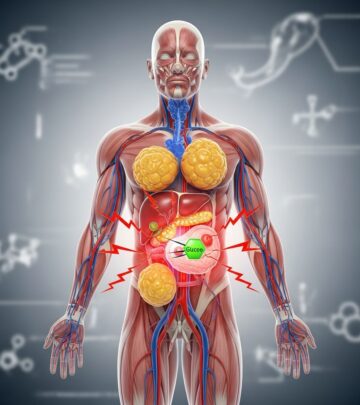
Connective Tissue Diseases: What You Need To Know
Comprehensive guide to systemic connective tissue diseases: clinical features, diagnosis, and management strategies for dermatologists.
Connective Tissue Diseases
Systemic connective tissue diseases (CTDs) are a group of autoimmune disorders characterized by inflammation and damage to connective tissues, often presenting with prominent mucocutaneous manifestations. These conditions, including systemic lupus erythematosus (SLE), scleroderma, and dermatomyositis, require multidisciplinary management with dermatologists playing a key role in early diagnosis through skin findings.
What are the connective tissue diseases?
Connective tissue diseases encompass over 200 disorders affecting collagen, elastin, and other extracellular matrix components, leading to systemic inflammation primarily driven by autoimmunity. Autoimmune CTDs, such as rheumatoid arthritis, scleroderma, and lupus, involve the immune system attacking healthy tissues, causing chronic inflammation, pain, swelling, and potential permanent damage. Inherited forms like Marfan syndrome result from genetic defects, while mixed or undifferentiated CTDs show overlapping features without meeting full criteria for a single disease.
These disorders commonly manifest with musculoskeletal symptoms like joint pain and muscle weakness, alongside systemic issues such as fatigue. Skin involvement is frequent, making dermatological evaluation crucial for timely intervention.
Who gets connective tissue diseases?
Autoimmune CTDs predominantly affect women, with a female-to-male ratio often exceeding 9:1, particularly in reproductive ages (20-50 years). Genetic predisposition, environmental triggers like UV exposure, and hormonal factors contribute to susceptibility. For instance, SLE has higher prevalence in African Americans and Asians. Specific diseases like dermatomyositis show bimodal peaks in children and adults over 40.
Clinical features of connective tissue diseases
CTDs present diverse symptoms varying by type and affected organs. Common features include Raynaud phenomenon (cold-induced vasospasm causing fingertip pallor, cyanosis, and pain), arthralgias, fatigue, and serositis. Lung involvement may cause dyspnea and cough, while severe cases lead to pulmonary hypertension or interstitial lung disease.
- Musculoskeletal: Symmetric polyarthritis, myalgias, proximal muscle weakness.
- Cutaneous: Malar rash, photosensitivity, discoid plaques, sclerodactyly.
- Vascular: Raynaud phenomenon, digital ulcers, telangiectasias.
- Systemic: Fever, lymphadenopathy, renal involvement (proteinuria), neurologic deficits.
Skin changes are pivotal: lupus features butterfly erythema; scleroderma shows hidebound skin and calcinosis; dermatomyositis presents heliotrope rash and Gottron papules.
Systemic lupus erythematosus (SLE)
SLE is a multisystem autoimmune disease with autoantibodies targeting nuclear antigens. Cutaneous signs include acute malar rash (pathergy to sun), subacute cutaneous lupus (annular polycyclic lesions), and chronic discoid lupus (scarring plaques). Systemic features: arthritis, nephritis, cerebritis, pericarditis.
Drug-induced lupus erythematosus (DILE)
DILE mimics SLE but resolves upon drug withdrawal (e.g., hydralazine, procainamide). Skin involvement is less common than in idiopathic SLE, with positive anti-histone antibodies.
Subacute cutaneous lupus erythematosus (SCLE)
SCLE presents non-scarring papulosquamous or annular lesions on sun-exposed areas, strongly Ro/SSA-positive, often drug-triggered or associated with Sjögren syndrome.
Discoid lupus erythematosus (DLE)
Chronic localized form with hyperkeratotic indurated plaques leading to atrophy and scarring, primarily on face/scalp. 5% progress to SLE.
Chilblain lupus
Cold-induced violaceous papules on acral sites, associated with DOMINANT IFN pathway dysregulation.
Tumid lupus
Succulent plaques without surface change, responsive to antimalarials.
Systemic sclerosis (scleroderma)
Characterized by fibrosis, vasculopathy, autoimmunity. Limited cutaneous systemic sclerosis (lcSSc) features CREST (calcinosis, Raynaud, esophageal dysmotility, sclerodactyly, telangiectasia); diffuse cutaneous (dcSSc) shows rapid skin thickening and internal organ fibrosis.
Localised scleroderma
Morphea (circumscribed plaques), linear scleroderma (limb/face involvement), affecting children more.
Mixed connective tissue disease (MCTD)
Overlap syndrome with high anti-U1RNP antibodies, featuring Raynaud, arthritis, myositis, sclerodactyly, pulmonary hypertension. Symptoms include swollen hands, muscle weakness, heartburn.
Overlap syndromes
Combinations like scleroderma-polymyositis overlap with anti-PM/Scl antibodies.
Undifferentiated connective tissue disease (UCTD)
Early-stage disease with autoantibodies (ANA, ENA) but insufficient criteria for defined CTD. Often evolves to full disease or remains stable.
Polymyositis and dermatomyositis
Inflammatory myopathies with proximal weakness. Dermatomyositis shows characteristic rash: heliotrope eyelids, Gottron papules, shawl sign. Amyopathic form lacks muscle involvement.
Antisynthetase syndrome
Subset with anti-Jo-1, featuring myositis, arthritis, Raynaud, interstitial lung disease, mechanic’s hands.
Diagnosis of connective tissue diseases
Diagnosis integrates clinical features, serology, and histopathology. ANA screening (95% sensitive for SLE) followed by ENA (anti-dsDNA, Sm, Ro, La, RNP, Scl-70, Jo-1). Skin biopsy shows interface dermatitis in lupus, fibrosis in scleroderma. Classification criteria (e.g., ACR/EULAR for SLE) aid standardization.
| Disease | Key Autoantibody | Skin Biopsy |
|---|---|---|
| SLE | Anti-dsDNA, Sm | Lymphocytic interface dermatitis |
| Scleroderma | Anti-Scl-70, centromere | Dermal sclerosis |
| MCTD | Anti-U1RNP | Variable |
| Dermatomyositis | Anti-Mi-2, Jo-1 | Mucin deposition, interface changes |
Treatment of connective tissue diseases
No cures exist; management targets symptoms and organ protection. Tailored by disease severity and manifestations.
- Mild symptoms: NSAIDs (ibuprofen), analgesics (acetaminophen), hydroxychloroquine (Plaquenil) for skin/joints.
- Moderate-severe: Corticosteroids (prednisone), immunosuppressants (methotrexate, mycophenolate, azathioprine), biologics (rituximab, belimumab for SLE).
- Raynaud/vascular: Calcium channel blockers (nifedipine).
- Scleroderma: Immunosuppressants for skin/lung fibrosis; bosentan/sildenafil for pulmonary hypertension.
- Supportive: Physical therapy, sun protection, smoking cessation.
Monitoring for side effects (osteoporosis from steroids, retinopathy from antimalarials) is essential.
Frequently Asked Questions (FAQs)
What causes connective tissue diseases?
Primarily autoimmune dysregulation with genetic and environmental triggers; not contagious.
Can connective tissue diseases be cured?
No cure, but remission possible with treatment; lifelong management required.
How are connective tissue diseases diagnosed?
By clinical criteria, blood tests (ANA, specific autoantibodies), biopsy, and imaging.
What is the prognosis for CTDs?
Varies; early treatment improves outcomes, but organ involvement (lungs, heart) worsens prognosis.
Are CTDs hereditary?
Genetic predisposition yes, but not directly inherited like single-gene disorders[10].
References
- Undifferentiated Connective Tissue Disease — Hospital for Special Surgery (HSS). 2023. https://www.hss.edu/health-library/conditions-and-treatments/list/undifferentiated-connective-tissue-disease
- Connective Tissue Disorders (CTD): Types, Symptoms & Treatment — Tampa General Hospital. 2024. https://www.tgh.org/institutes-and-services/conditions/connective-tissue-disorder-ctd
- Understanding Connective Tissue Disorders — UMass Medical School Dermatology. 2024-07-01. https://www.umassmed.edu/derm/blog/list/posts/2024/07/understanding-connective-tissue-disorders/
- Mixed Connective Tissue Disease (MCTD) — Merck Manuals. 2024. https://www.merckmanuals.com/home/bone-joint-and-muscle-disorders/systemic-rheumatic-diseases/mixed-connective-tissue-disease-mctd
- Mixed Connective Tissue Disease – Diagnosis & Treatment — Mayo Clinic. 2024. https://www.mayoclinic.org/diseases-conditions/mixed-connective-tissue-disease/diagnosis-treatment/drc-20375152
- Connective Tissue Disease: Types, Symptoms & Treatments — Cleveland Clinic. 2024. https://my.clevelandclinic.org/health/diseases/14803-connective-tissue-diseases
Similar Articles








Read full bio of Sneha Tete