Connective Tissue Diseases Guide To Types, Causes & Treatment
Comprehensive overview of connective tissue diseases, their clinical features, diagnosis, and management strategies.
Authoritative facts about the skin from DermNet New Zealand Trust. Published . Next review due .
What are connective tissue diseases?
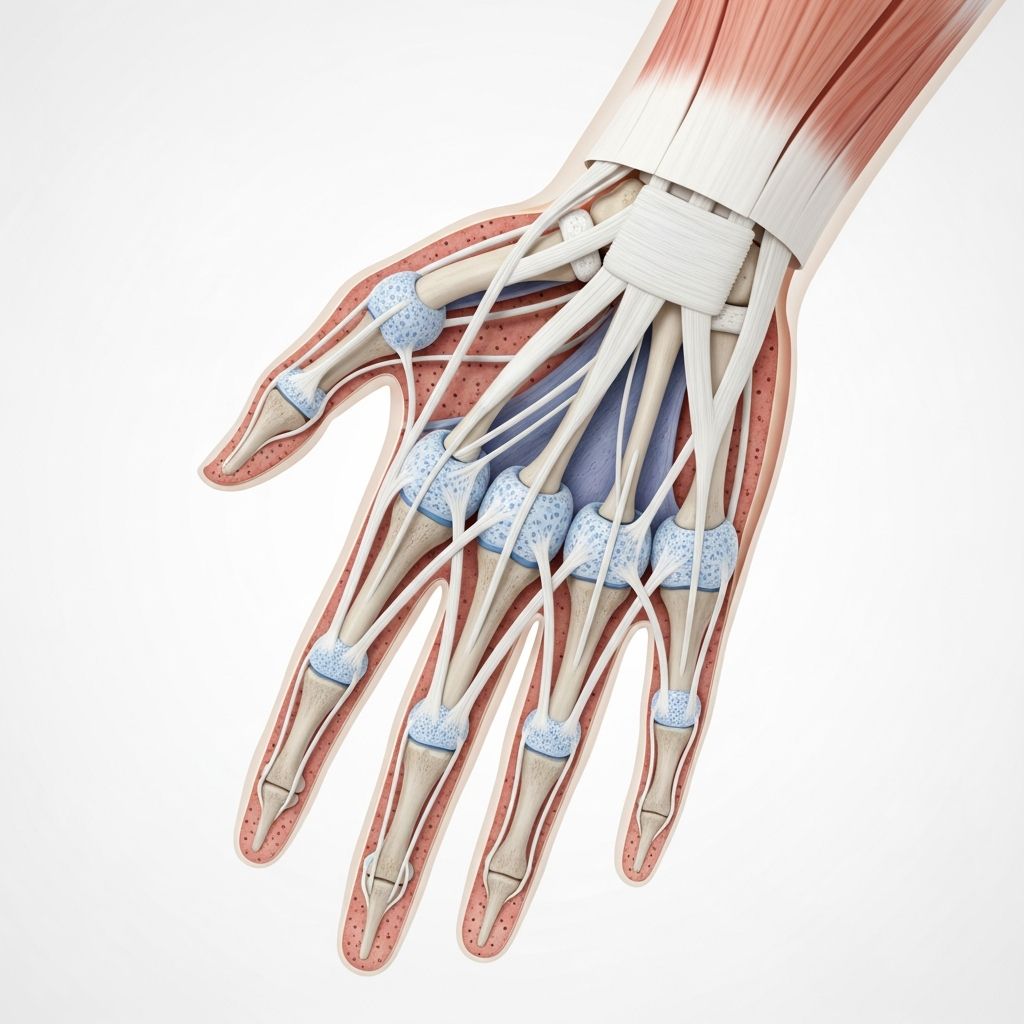
Connective tissue diseases (CTDs), also known as collagen vascular diseases or systemic autoimmune rheumatic diseases, are a group of chronic inflammatory conditions characterized by immune-mediated damage to connective tissues throughout the body. These tissues provide structural support to organs and skin. CTDs primarily affect the skin, joints, blood vessels, lungs, kidneys, and other internal organs. They result from an abnormal autoimmune response where the body’s immune system attacks its own tissues, leading to inflammation, fibrosis, and organ dysfunction.
CTDs can be classified into:
- Systemic lupus erythematosus (SLE) and related disorders.
- Scleroderma spectrum disorders.
- Inflammatory muscle diseases (idiopathic inflammatory myopathies).
- Overlap syndromes, such as mixed connective tissue disease (MCTD).
- Undifferentiated connective tissue disease (UCTD).
These conditions often overlap in clinical presentation, requiring careful diagnostic evaluation.
Who gets connective tissue diseases?
CTDs predominantly affect women, with a female-to-male ratio ranging from 4:1 to 15:1 depending on the specific disease. Peak incidence occurs between ages 20–50 years, though paediatric and elderly onset is possible. Genetic predisposition plays a role, with higher prevalence in certain ethnic groups (e.g., SLE more common in African Americans and Asians). Environmental triggers such as UV light exposure, infections, smoking, and silica dust contribute to disease onset in susceptible individuals.
What causes connective tissue diseases?
The exact cause is multifactorial, involving genetic susceptibility, environmental triggers, and immune dysregulation. Key mechanisms include:
- Autoantibodies: Production of antinuclear antibodies (ANA) and specific autoantibodies (e.g., anti-dsDNA in SLE, anti-Scl-70 in scleroderma).
- Immune complex deposition: Leading to vasculitis and tissue injury.
- T-cell dysregulation: Promoting chronic inflammation and fibrosis.
- Cytokine imbalance: Overproduction of pro-inflammatory mediators like TNF-α and IL-6.
Inherited CTDs like Ehlers-Danlos syndrome involve genetic mutations in collagen genes, but most are acquired autoimmune disorders[10].
What are the clinical features of connective tissue diseases?
Symptoms vary by disease but commonly include constitutional symptoms (fatigue, fever, weight loss), musculoskeletal pain, mucocutaneous manifestations, and Raynaud phenomenon (cold-induced vasospasm causing colour changes in fingers/toes).
Systemic lupus erythematosus (SLE)
SLE is the prototype CTD, affecting multiple systems. Cutaneous features include:
- Malar (butterfly) rash: Erythematous rash across cheeks and nose, photosensitive.
- Discoid lupus: Scarring plaques with follicular plugging.
- Subacute cutaneous lupus erythematosus (SCLE): Annular or psoriasiform lesions on sun-exposed areas.
- Other: Mouth ulcers, alopecia, livedo reticularis.
Systemic: Arthritis, serositis, nephritis, neuropsychiatric lupus.
Drug-induced lupus erythematosus (DILE)
Resembles SLE but resolves upon drug withdrawal. Culprits: Hydralazine, procainamide, isoniazid. Features milder skin/musculoskeletal involvement, anti-histone antibodies.
Neonatal lupus erythematosus
Occurs in infants born to mothers with anti-Ro/La antibodies. Cutaneous annular erythematous plaques on face/scalp, resolve by 6–12 months. Cardiac block is a serious complication.
Related Stories



Scleroderma / systemic sclerosis
Characterized by skin thickening (sclerosis) due to collagen overproduction. Subtypes:
- Limited cutaneous systemic sclerosis (lcSSc): CREST syndrome (Calcinosis, Raynaud, Esophageal dysmotility, Sclerodactyly, Telangiectasia).
- Diffuse cutaneous systemic sclerosis (dcSSc): Rapid skin thickening, higher organ involvement risk.
Skin: Taut shiny skin, sclerodactyly, salt-and-pepper pigmentation. Vascular: Raynaud, digital ulcers.
Mixed connective tissue disease (MCTD)
Overlap of SLE, scleroderma, polymyositis features. High-titre anti-U1RNP antibodies diagnostic. Symptoms: Puffy hands, Raynaud, arthritis, myositis, interstitial lung disease.
Inflammatory myopathies
- Dermatomyositis: Heliotrope rash (periorbital violaceous), Gottron papules on knuckles, shawl sign. Proximal muscle weakness.
- Polymyositis: Muscle weakness without rash.
- Amyopathic dermatomyositis: Skin signs without weakness.
Undifferentiated connective tissue disease (UCTD)
Early or mild CTD with positive ANA but not meeting criteria for defined CTD. Symptoms: Arthralgia, Raynaud, dry eyes/mouth, low complement.
Overlap syndromes
Combinations e.g., SLE/scleroderma, rheumatoid arthritis/Sjögren syndrome.
Antisynthetase syndrome
Anti-Jo-1 antibodies, myositis, arthritis, Raynaud, interstitial lung disease, mechanic’s hands (hyperkeratotic palmar rash).
Diagnosis of connective tissue diseases
Diagnosis combines clinical features, serology, and exclusion of mimics. Key tests:
- ANA: Screening test (positive in 95% CTDs, patterns: speckled, homogeneous).
- Specific autoantibodies: ENA panel (anti-dsDNA, Sm, RNP, Ro/La, Scl-70, Jo-1).
- Inflammatory markers: ESR, CRP.
- Complement levels: Low C3/C4 in active SLE.
- Imaging/biopsy: Skin/muscle biopsy, HRCT for lungs.
| Disease | Key Criteria |
|---|---|
| SLE (ACR/EULAR 2019) | ANA ≥1:80 + ≥10 points from domains (constitutional, mucocutaneous, musculoskeletal, serosal, renal, neurologic, hematologic, ANA-specific) |
| MCTD | High anti-RNP + ≥3 features: Swollen hands, synovitis, myositis, Raynaud, acrosclerosis |
| Scleroderma | Skin thickening proximal to MCP joints or specific autoantibodies + Raynaud/sclerodactyly/nailfold changes |
Treatment of connective tissue diseases
Tailored to organ involvement and severity. Goals: Symptom control, prevent damage, immunosuppression.
- Sun protection: Broad-spectrum SPF50+, clothing (photosensitivity in 70% SLE).
- Symptomatic: NSAIDs/analgesics for pain; topical steroids for rash.
- Antimalarials: Hydroxychloroquine (200–400mg/d) for skin/joints (retinal screening required).
- Immunosuppressants: Methotrexate, azathioprine, mycophenolate for moderate disease.
- Biologics: Rituximab (anti-CD20) for refractory SLE; belimumab (anti-BLyS).
- Scleroderma-specific: Bosentan for digital ulcers; nintedanib for lung fibrosis.
- Supportive: Physiotherapy, vasodilators (Ca-channel blockers) for Raynaud.
What is the outcome for connective tissue diseases?
Prognosis varies: UCTD often stable or remits (80% do not progress to defined CTD). SLE 10-year survival >90% with treatment. Scleroderma worse if diffuse/interstitial lung disease. Early diagnosis and therapy improve outcomes. Complications: Infections, cardiovascular disease, malignancy.
Frequently asked questions
Are connective tissue diseases curable?
No, they are chronic but manageable with medications and lifestyle changes.
Can CTDs be prevented?
Not fully, but avoiding triggers (smoking, sun) and early treatment help.
Is Raynaud phenomenon always part of CTD?
Common (90% in scleroderma/MCTD) but can be primary/idiopathic.
What diet helps with CTDs?
Anti-inflammatory: Omega-3s, Mediterranean diet; vitamin D if deficient.
Can CTDs affect pregnancy?
Yes, increased risks; preconception counselling essential.
References
- Undifferentiated Connective Tissue Disease — Hospital for Special Surgery (HSS). 2023. https://www.hss.edu/health-library/conditions-and-treatments/list/undifferentiated-connective-tissue-disease
- Connective Tissue Disease – Understanding and Managing — Bay Area Arthritis & Osteoporosis Treatment Specialists. 2024-04-01. https://bayarthritis.com/recent-news/connective-tissue-disease/
- Connective Tissue Disease: Types, Symptoms, Causes — WebMD. 2024. https://www.webmd.com/a-to-z-guides/connective-tissue-disease
- Mixed Connective Tissue Disease – Diagnosis & Treatment — Mayo Clinic. 2024. https://www.mayoclinic.org/diseases-conditions/mixed-connective-tissue-disease/diagnosis-treatment/drc-20375152
- Mixed Connective Tissue Disease (MCTD) — Merck Manuals. 2024. https://www.merckmanuals.com/home/bone-joint-and-muscle-disorders/systemic-rheumatic-diseases/mixed-connective-tissue-disease-mctd
- Connective Tissue Diseases: Outlook, Treatment, and Types — Healthline. 2024. https://www.healthline.com/health/connective-tissue-disease
- Connective Tissue Disease: Types, Symptoms & Treatments — Cleveland Clinic. 2024. https://my.clevelandclinic.org/health/diseases/14803-connective-tissue-diseases
Similar Articles








Read full bio of medha deb