Constantly Clearing Your Throat? Here’s What to Try
Discover effective strategies to stop constant throat clearing and find relief from persistent symptoms.
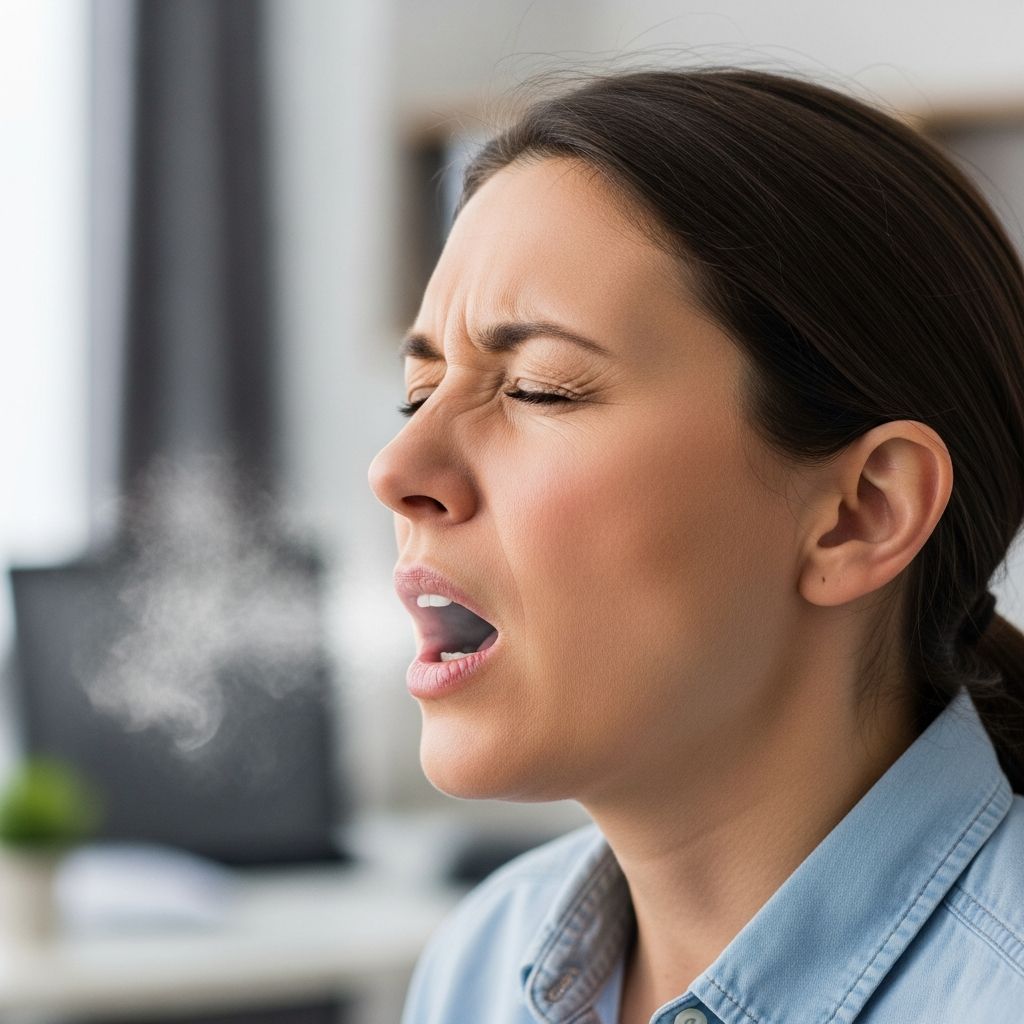
That frequent “ahem” sound echoing from your throat might seem minor, but persistent throat clearing can become annoying and uncomfortable. While occasional throat clearing is a normal reflex, constant throat clearing lasting weeks or months warrants attention from a healthcare provider. Understanding the underlying causes and learning practical strategies can help you regain comfort and improve your quality of life.
Understanding Throat Clearing: A Normal Reflex Gone Wrong
Throat clearing is a protective mechanism designed to remove mucus, food particles, and other irritants from your airway. However, when this reflex becomes chronic, it often creates a frustrating cycle. Constant throat clearing can irritate your vocal cords through repeated harsh contact, which in turn triggers more throat clearing, perpetuating the problem.
The key distinction is that occasional throat clearing is normal and necessary for maintaining airway health. When the sensation persists for extended periods despite your clearing efforts, it signals that something underlying requires evaluation.
Common Causes of Constant Throat Clearing
Post-Nasal Drip: The Leading Culprit
Post-nasal drip ranks among the most prevalent causes of constant throat clearing. This occurs when excess mucus builds up in your nasal passages and drips down the back of your throat. Your body naturally produces mucus as a first line of defense against irritants, and this production increases in response to cold weather, dust, and other environmental factors.
When you lie down to sleep, gravity can intensify the sensation of mucus draining toward your throat. If the mucus becomes too thick to swallow easily, you instinctively attempt to force it out through throat clearing. Post-nasal drip often accompanies allergies, sinus infections, or conditions like gastroesophageal reflux disease (GERD).
Allergies and Environmental Factors
Seasonal allergies and hay fever frequently trigger constant throat clearing as your body responds to allergens in the environment. Dust, pollen, pet dander, and mold spores can all stimulate mucus production and throat irritation. Indoor air quality also plays a significant role—dry air from heating systems or air conditioning can irritate your throat lining and trigger the clearing reflex.
Acid Reflux and Laryngopharyngeal Reflux (LPR)
When stomach acid flows backward through your esophagus, it can splash onto your vocal cords and throat, causing inflammation and irritation. This condition, called laryngopharyngeal reflux (LPR), presents with multiple symptoms beyond throat clearing, including heartburn, bitter taste, hoarseness, and a sensation of a lump in your throat. Symptoms typically worsen in the morning, especially after consuming heavy meals the night before.
Infections and Upper Airway Conditions
Common colds and upper respiratory infections frequently cause temporary throat clearing as your body fights the infection and produces excess mucus. Additionally, tension in your neck from voice strain or poor posture can create the sensation of phlegm sticking in your throat, prompting constant clearing attempts.
Related Stories



Medications and Medication Side Effects
Certain medications can contribute to throat clearing sensations. ACE inhibitors, commonly prescribed for heart and blood pressure conditions, can lead to throat tightness and the urge to clear your throat. Interestingly, this side effect sometimes appears years after starting the medication, making the connection easy to overlook.
Psychological and Behavioral Factors
Stress and anxiety can manifest as constant throat clearing, as can habitual behaviors developed over time. Smoking and carbonated beverages can also exacerbate throat irritation and trigger frequent clearing. In some cases, throat clearing becomes a habitual response rather than a physiological necessity.
Overly Sensitive Nerves
Some individuals develop heightened sensitivity in their throat nerves, causing them to perceive irritation more acutely than others. This hypersensitivity often emerges only after ruling out other common causes and typically requires professional evaluation and targeted treatment approaches.
When to Seek Medical Attention
While most cases of constant throat clearing stem from benign causes, certain warning signs warrant professional evaluation. Seek medical attention if:
– Your symptoms persist for more than a month despite home management attempts- You experience difficulty swallowing- You notice unexplained weight loss- You have a history of smoking- Your throat clearing is accompanied by pain or bleeding- You develop persistent hoarseness lasting beyond a few weeks
Your primary care physician can conduct an initial evaluation, and depending on findings, you may receive referrals to specialists such as an ear, nose, and throat (ENT) specialist, allergist, or gastroenterologist.
Practical Strategies for Relief
Hydration and Fluid Management
Drinking plenty of water throughout the day helps thin mucus secretions, making them easier to clear naturally. Warm liquids prove particularly soothing—consider herbal tea, warm water with honey, or clear broths. These beverages not only provide hydration but also deliver warmth that can calm throat irritation. Avoid alcohol and caffeinated beverages, as they can increase dehydration and worsen symptoms.
Environmental Adjustments
Controlling your environment significantly impacts throat clearing frequency. Using a humidifier adds moisture to the air, preventing the dry conditions that irritate your throat. In contrast, a dehumidifier can help in overly humid environments. Maintain moderate humidity levels between 40-50 percent for optimal comfort. Additionally, minimize exposure to smoke, strong odors, and air pollutants that can trigger irritation.
Sleep Position Modifications
Elevating the head of your bed at night can reduce post-nasal drip by using gravity to prevent mucus from accumulating in your throat while lying down. This simple adjustment often provides noticeable relief, particularly for those whose symptoms worsen during sleep.
Dietary Adjustments
Certain foods and beverages can exacerbate throat clearing. Many people find relief by limiting or avoiding dairy products, which can increase mucus production. Additionally, reducing spicy foods, acidic beverages, and carbonated drinks can help minimize irritation, especially for those with acid reflux.
Humidification Therapy
Using a humidifier, particularly in dry environments, alleviates irritation caused by dry air and helps thin mucus secretions. Inhaling steam from a hot shower or bowl of hot water can also provide temporary relief.
Medical Treatments and Interventions
Medications for Post-Nasal Drip and Allergies
Antihistamines reduce mucus production and allergic responses, while decongestants help clear nasal passages. Nasal sprays provide targeted relief directly in the nasal cavity. For more severe chronic allergies, allergy injections (immunotherapy) may be recommended following an allergy/immunology specialist referral.
Treatments for Acid Reflux
Acid blockers, including proton pump inhibitors and H2 blockers, effectively reduce stomach acid production and reflux symptoms. These medications require consultation with a healthcare provider to determine appropriate dosing and duration.
Saline Nasal Irrigation
For chronic sinusitis contributing to throat clearing, saline nasal irrigation flushes out irritants and excess mucus, providing relief and improving sinus drainage.
Advanced Procedures
In cases of severe chronic sinusitis, more advanced interventions may become necessary. Balloon sinuplasty involves inserting and expanding a balloon within the sinus cavity to open blocked passages. For anatomical issues, surgical correction of a deviated septum or removal of nasal polyps may be recommended.
Voice and Cough Therapy
If no underlying medical cause is identified, voice or cough therapy can effectively address constant throat clearing through targeted behavioral interventions and techniques.
Behavioral and Lifestyle Modifications
Stress Management and Relaxation Techniques
Since stress and anxiety can trigger or worsen throat clearing, incorporating relaxation practices into your daily routine proves beneficial. Meditation, deep breathing exercises, and progressive muscle relaxation help calm your nervous system and reduce the psychological component of throat clearing.
Smoking Cessation
Smoking irritates your throat and increases mucus production, perpetuating the clearing cycle. Quitting smoking not only improves throat symptoms but also enhances overall respiratory health.
Voice Care and Vocal Rest
If voice strain contributes to your symptoms, practicing vocal rest and proper voice use techniques can provide relief. Avoid shouting, excessive talking, or whispering, all of which strain the vocal cords.
Professional Counseling
For psychologically-rooted throat clearing caused by anxiety or habitual patterns, working with a licensed counselor or psychiatrist can help address underlying stress and develop healthier coping mechanisms.
Rare But Serious Causes to Consider
While uncommon, some serious conditions can present with constant throat clearing as a symptom. Zenker’s diverticulum, a rare anatomical abnormality where the esophagus develops a small pouch that traps food and other substances, may cause throat clearing. Rare neurological conditions like Tourette’s Syndrome and Pediatric Autoimmune Neuropsychiatric Disorder (PANDAS), a complication of strep throat, can also include throat clearing as a symptom. In exceptional cases, throat cancer may cause persistent throat clearing, though this rarely appears as an isolated initial symptom.
Diagnostic Evaluation Process
When you visit a healthcare provider for constant throat clearing, expect a comprehensive evaluation. Your provider will conduct a detailed medical history exploring allergies, breathing issues, reflux symptoms, and chronic bronchitis. Physical examination of your throat and mouth helps identify obvious causes. Depending on initial findings, your provider may recommend blood tests, imaging studies, or referrals to specialists for more targeted evaluation.
Creating Your Personalized Treatment Plan
Effective management of constant throat clearing requires a personalized approach addressing your specific underlying cause. Your healthcare provider will work with you to:
– Identify the root cause through systematic evaluation- Select appropriate medical treatments when necessary- Implement lifestyle modifications tailored to your situation- Monitor your response to treatment and adjust as needed- Coordinate specialist care when indicated
Most underlying causes, such as allergies, reflux, and habitual behaviors, respond well to appropriate medical intervention and lifestyle changes. With proper diagnosis and treatment, many people experience significant symptom improvement and return to normal throat function.
When to Follow Up With Your Doctor
Schedule a follow-up appointment if symptoms persist after initial treatment attempts, if new symptoms develop, or if your condition worsens. Regular communication with your healthcare provider ensures you receive appropriate adjustments to your treatment plan and timely specialist referrals when needed.
Frequently Asked Questions About Throat Clearing
Q: How long should I wait before seeing a doctor about constant throat clearing?
A: If throat clearing persists for more than one month despite home management attempts, schedule an appointment with your primary care physician. Don’t wait if you experience accompanying symptoms like difficulty swallowing, weight loss, or persistent hoarseness.
Q: Can constant throat clearing damage my vocal cords?
A: Yes, chronic throat clearing can irritate your vocal cords through repeated harsh contact, creating a cycle of irritation and more frequent clearing. This underscores the importance of addressing the underlying cause rather than simply continuing to clear your throat.
Q: Are there any home remedies that work for throat clearing?
A: Staying hydrated, using a humidifier, elevating your head while sleeping, avoiding irritants, and managing stress can all help reduce throat clearing symptoms. However, identifying and treating the underlying cause remains essential for lasting relief.
Q: Could my medications be causing my throat clearing?
A: Yes, certain medications like ACE inhibitors can cause throat tightness and the urge to clear your throat. If you suspect your medication is responsible, discuss this with your healthcare provider rather than stopping the medication on your own.
Q: What’s the difference between post-nasal drip and acid reflux symptoms?
A: Post-nasal drip typically involves mucus dripping down the back of your throat, while acid reflux causes a burning sensation and bitter taste. However, both conditions can cause throat clearing, and some people experience both simultaneously.
References
- Understanding the Causes of Constant Throat Clearing – Diagnosis and Treatment — Rupa Health. 2024. https://www.rupahealth.com/post/understanding-the-causes-of-constant-throat-clearing-diagnosis-and-treatment
- Constant Throat Clearing: Symptoms, Causes and Treatment — HealthCentral. 2024. https://www.healthcentral.com/digestive-health/constant-throat-clearing
- Post-nasal drip — Healthdirect, Australian Department of Health. 2024. https://www.healthdirect.gov.au/post-nasal-drip
- Tips on How to Get Rid of Throat Mucus — MEDRITE Urgent Care. 2024. https://medriteurgentcare.com/how-to-get-rid-of-throat-mucus/
- Why Do I Keep Clearing My Throat? Causes & Relief Tips — DHGate Smart. 2024. https://smart.dhgate.com/why-do-i-keep-clearing-my-throat-causes-relief-tips/
Similar Articles








Read full bio of Sneha Tete