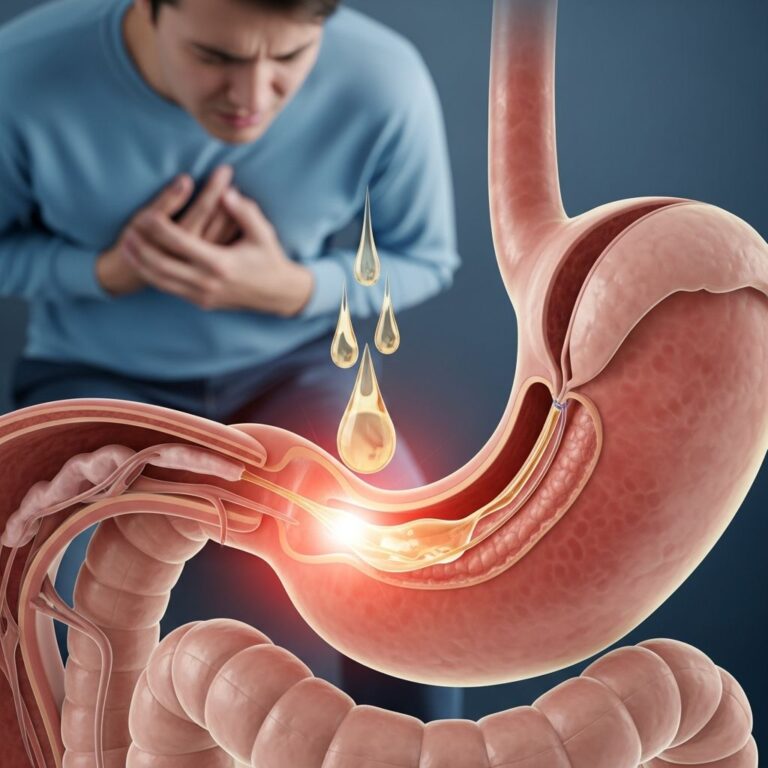
Constipation: Causes and Prevention Tips
Understanding constipation: causes, symptoms, and effective prevention strategies for digestive health.

Understanding Constipation: Causes and Prevention Tips
Constipation is a common digestive condition affecting millions of people worldwide. According to medical research, approximately 16% of adults experience constipation symptoms, with this percentage rising to 33% in individuals over the age of 60. While constipation is typically not a serious medical condition, it can significantly impact quality of life and overall comfort. Understanding the underlying causes and implementing preventive strategies can help maintain healthy digestive function and reduce the occurrence of constipation.
What is Constipation?
Constipation occurs when bowel movements become less frequent or difficult to pass. Normally, as food moves through the colon, water is absorbed and stool is formed. When food moves too slowly through the colon, too much water is absorbed, resulting in hard, dry stools that are difficult to eliminate. This condition can range from occasional episodes to chronic problems that require medical intervention.
Common Causes of Constipation
Constipation can develop for various reasons, and identifying the underlying cause is essential for effective treatment and prevention. The most common causes include:
Dietary Factors
One of the primary causes of constipation is an inadequate intake of dietary fiber. The typical Western diet consists of processed foods that are low in fiber and high in fats and sugars. Dietary fiber plays a crucial role in digestive health by helping to absorb fluids, soften stool, and increase its bulk. Without sufficient fiber, the digestive system cannot process waste efficiently, leading to constipation. Additionally, not drinking enough water causes stools to become dry and hard, making them difficult to pass. Dehydration is a significant contributing factor to constipation and is often overlooked as a potential cause.
Physical Inactivity
A sedentary lifestyle is strongly associated with constipation. Regular physical activity stimulates bowel movements and improves gut motility. When individuals remain inactive for extended periods or engage in prolonged bed rest, the muscles of the digestive tract become less efficient at moving waste through the system. Exercise helps maintain muscle tone in the intestines and promotes the natural contractions necessary for healthy bowel function.
Medication-Related Causes
Certain medications can significantly contribute to constipation as a side effect. Opioids, commonly prescribed for pain management, and antidepressants are known to slow gut motility and contribute to constipation. Other medications that may cause constipation include iron supplements, calcium channel blockers, and antihistamines. If you suspect that a medication is causing constipation, it is important to consult with your healthcare provider about potential alternatives or additional interventions.
Underlying Medical Conditions
Various health conditions can impede normal digestive function and lead to constipation. Irritable bowel syndrome (IBS) and hypothyroidism are common culprits. Additionally, individuals facing neurological disorders such as Parkinson’s disease, multiple sclerosis, and spinal cord injuries are at a higher risk of chronic constipation due to impaired nerve signaling that affects gut motility. Other conditions contributing to constipation include celiac disease, diabetes, gastrointestinal disorders, inflammatory bowel disease (IBD), and congestive heart failure. Endocrine and metabolic disorders such as hypercalcemia and various thyroid conditions can also disrupt normal digestive processes.
Stress and the Gut-Brain Connection
The brain has a direct effect on the stomach and intestines through what is known as the “brain-gut axis.” A troubled intestine can transmit signals to the brain, and vice versa, meaning that GI issues such as constipation can be both the product of and the cause of stress. A stressful lifestyle has been linked to increasing levels of chronic constipation. Understanding this connection can help individuals address both the psychological and physical aspects of their digestive health.
Related Stories



Risk Factors for Chronic Constipation
Certain populations are at higher risk for developing chronic constipation. Women experience higher rates of constipation compared to men, and the institutionalized elderly population faces particularly elevated risks. Other risk factors include:
- Low socioeconomic and social status
- Depression and anxiety
- Excessive caffeine consumption
- Poor body alignment leading to improper positioning for bowel elimination
- Resistance to bowel movements due to painful defecation
- Overuse of laxatives, which can weaken bowel muscles
- Prolonged sitting and lack of upright standing
Prevention Strategies for Constipation
Prevention is key to maintaining healthy digestive function and avoiding the discomfort associated with constipation. By implementing sustainable lifestyle changes, you can significantly reduce your risk of developing this condition.
Increase Fiber Intake
Consuming the right types of fiber is one of the most effective ways to prevent constipation. A diet with 15-20 grams of fiber daily helps in the formation of soft, bulky stool. There are two main types of fiber to incorporate into your diet:
- Insoluble fiber is found in whole grains and various vegetables. It helps add bulk to stool and promotes regular bowel movements.
- Soluble fiber is found in some fruits and legumes. It helps soften stools and promotes smooth passage through the digestive tract.
High-fiber foods include beans, whole grains, bran cereals, fresh fruits, and vegetables. It is important to gradually increase fiber in your diet to allow your digestive tract adequate time to adjust to the changes.
Stay Adequately Hydrated
Drinking plenty of water is essential for maintaining healthy digestive function. Water softens stools and supports overall digestive health. Most health professionals recommend drinking at least 8 glasses of water per day, though individual needs may vary based on activity level, climate, and overall health status. Reducing excessive caffeine consumption is also important, as caffeine can contribute to dehydration.
Exercise Regularly
Physical activity is crucial for maintaining healthy bowel function. Try to get at least 20 minutes of exercise per day. Regular movement stimulates bowel movements and improves gut motility. This can include walking, swimming, cycling, or any form of physical activity that you enjoy and can maintain consistently.
Establish a Bowel Movement Routine
Behavioral changes are important for preventing constipation. Don’t ignore the urge to have a bowel movement, and make sure to have plenty of time in your day for this natural process. Going to the bathroom at the same time each day can help regulate your digestive system and train your body to maintain a consistent schedule. This routine is particularly important in the morning after waking or after meals, when natural bowel movements are most likely to occur.
Try Natural Remedies
Several natural remedies can promote bowel movements and support digestive health. Prunes, flaxseeds, and chia seeds are well-known natural laxatives that can be easily incorporated into your diet. Yogurt and other fermented foods contain probiotics that could support gut health and promote healthy bowel function. These natural approaches can be effective and are generally safer than relying solely on commercial laxatives.
When to Seek Medical Attention
While constipation is usually not a serious issue and can be resolved with diet and lifestyle changes, certain warning signs warrant medical attention. You should consult a healthcare provider if you experience:
- Chronic constipation that does not improve with lifestyle modifications
- Severe abdominal pain
- Blood in stools
- Unexplained weight loss
- Persistent changes in bowel habits
- Constipation accompanied by vomiting or inability to pass gas
Medical Treatment Options
If dietary and lifestyle modifications do not resolve constipation, several medication options are available. Your healthcare provider can help you tailor treatments to your specific needs:
- Bulk-forming laxatives increase the weight or bulk of stool to promote gut movement.
- Osmotic laxatives absorb water to soften stool and increase gut motility.
- Stimulant laxatives increase gut motility to quicken the passage of stool.
- Stool softeners soften hard, dry stool to ease constipation.
It is important to use laxatives judiciously and not to become dependent on them, as overuse can weaken bowel muscles and lead to medication-induced constipation.
Creating a Personalized Prevention Plan
Since constipation can have multiple causes, a personalized approach often yields the best results. Working with a registered dietitian or healthcare provider can help you develop a plan tailored to your specific situation. This plan should address your dietary habits, activity level, stress management, medication review, and any underlying health conditions that may contribute to constipation.
Key Takeaways
Maintaining a high-fiber diet, staying hydrated, and exercising regularly are fundamental to preventing constipation. By making small, sustainable lifestyle changes, you can keep your digestive system healthy and avoid the discomfort associated with this common condition. When in doubt, it is always best to contact your doctor or work with a registered dietitian to create a personalized plan to combat constipation and maintain optimal digestive health.
Frequently Asked Questions
Q: How much fiber should I consume daily to prevent constipation?
A: Most health professionals recommend consuming 15-20 grams of fiber daily. It is important to increase fiber gradually to allow your digestive system to adjust. Aim to include a variety of fiber sources such as whole grains, fruits, vegetables, and legumes in your daily diet.
Q: Can stress really cause constipation?
A: Yes, stress can cause constipation through the brain-gut axis. The brain has a direct effect on digestive function, and stress can slow gut motility and contribute to constipation. Managing stress through relaxation techniques, exercise, and other stress-reduction strategies can help prevent stress-related constipation.
Q: How long does it typically take to see results from dietary changes?
A: Most people notice improvements in bowel regularity within a few days to a week of increasing fiber and water intake and incorporating regular exercise. However, individual results vary based on the severity of constipation and how consistently lifestyle changes are maintained.
Q: Are over-the-counter laxatives safe for long-term use?
A: While over-the-counter laxatives can provide temporary relief, they are not recommended for long-term use. Overuse can weaken bowel muscles and lead to dependency. It is best to address the underlying causes of constipation through dietary and lifestyle changes, with medications used only as directed by a healthcare provider.
Q: What should I do if constipation is caused by my medication?
A: If you suspect that your medication is causing constipation, consult your healthcare provider immediately. They may recommend dietary modifications, alternative medications, or additional interventions to manage constipation while continuing necessary treatment.
References
- Constipated? Here’s Why and How to Fix It — UF Health Fixel. 2025-04-02. https://fixel.ufhealth.org/2025/04/02/constipated-heres-why-and-how-to-fix-it/
- Constipation and the Gut-Brain Axis — Canadian Digestive Health Foundation. https://cdhf.ca/en/constipation-and-the-brain-gut-axis/
- The Health-Related Quality of Life and Economic Burden of Constipation — Johns Hopkins University. https://pure.johnshopkins.edu/en/publications/the-health-related-quality-of-life-and-economic-burden-of-constip-3/
Similar Articles








Read full bio of medha deb