Constipation In Parkinson’s Disease: Causes, Symptoms, And Care
Discover how constipation affects Parkinson's patients, from early warning signs to effective management strategies for better quality of life.
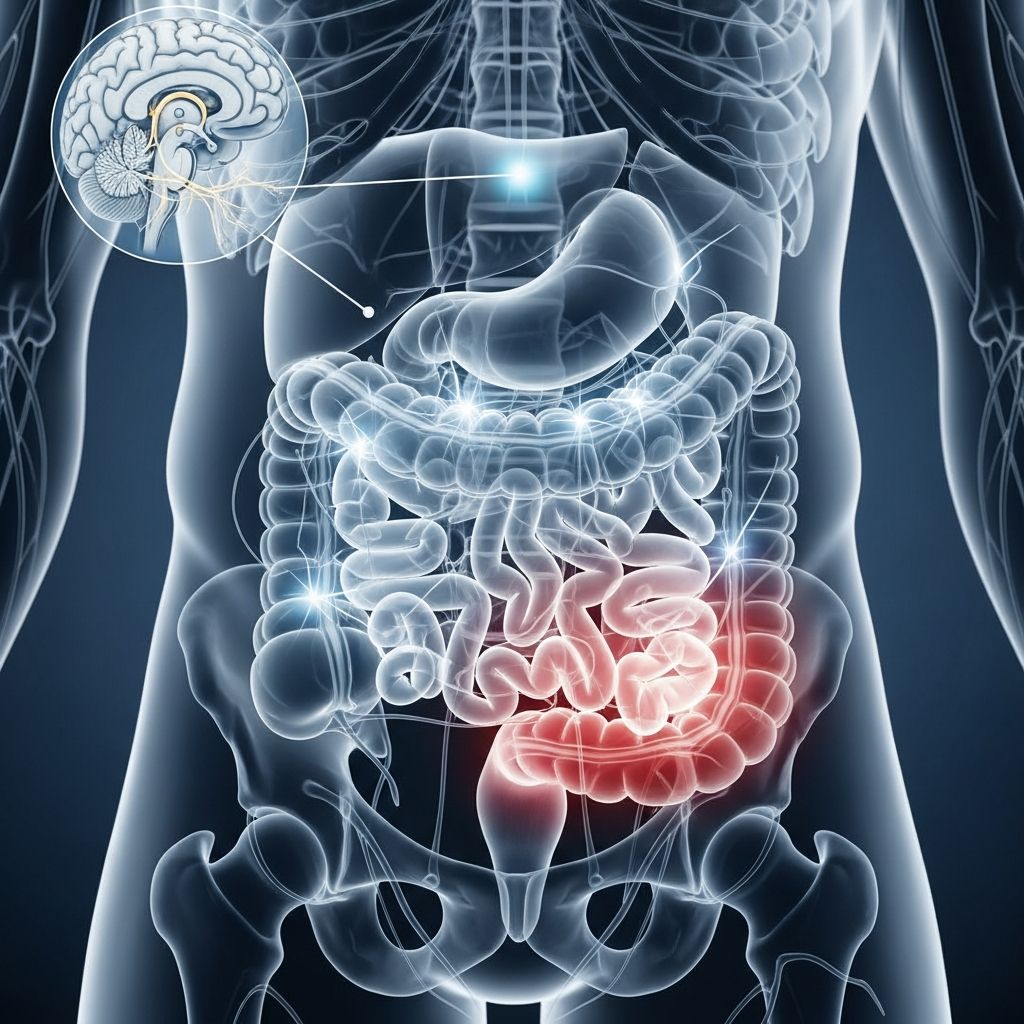
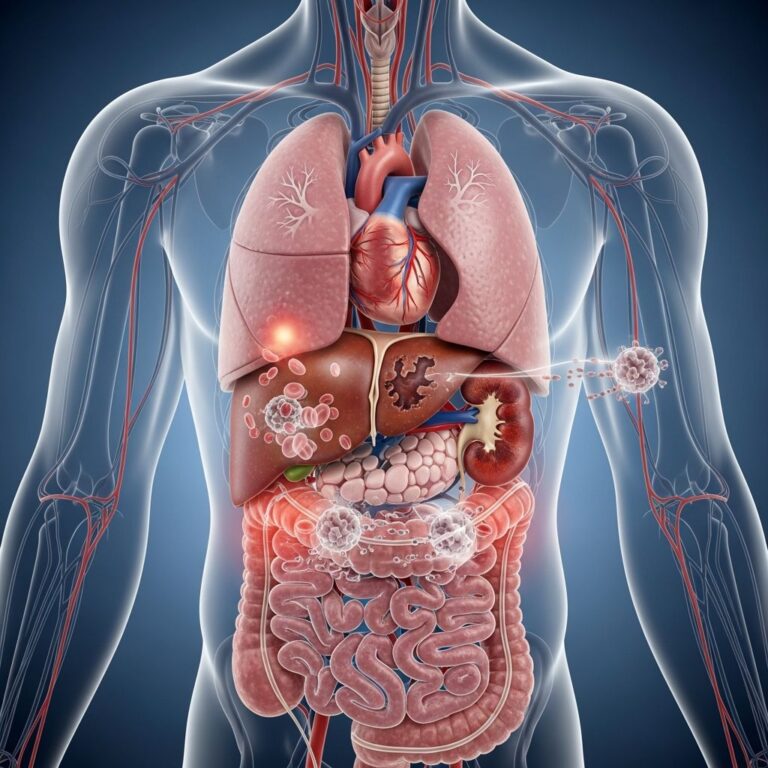
Constipation stands out as one of the most common gastrointestinal challenges faced by individuals with Parkinson’s disease (PD), affecting a significant majority and often emerging long before the classic motor symptoms become apparent. This issue arises primarily from disruptions in the autonomic nervous system, which regulates involuntary processes like digestion, leading to slowed gut motility and difficulty in passing stools.
The Connection Between Parkinson’s and Digestive Woes
In Parkinson’s disease, the degeneration of dopamine-producing neurons not only impairs voluntary movements but also hampers the gut’s automatic functions. Dopamine plays a crucial role in coordinating intestinal muscle contractions, and its deficiency results in delayed transit of food through the digestive tract. Studies indicate that up to 80% of PD patients experience constipation at some point, with prevalence rates ranging from 50% to 80% depending on diagnostic criteria.
Research has revealed that this symptom can manifest up to 20 years prior to motor signs, positioning it as a potential prodromal indicator. For instance, one study found that 24.5% of PD patients reported constipation before any motor disturbances, and those with chronic constipation face a higher risk of developing PD later. This early onset is linked to the accumulation of alpha-synuclein proteins in the enteric nervous system, following the Braak staging hypothesis, where pathological changes begin in the gut and ascend to the brain.
Why Does Constipation Develop in PD?
Several interconnected factors contribute to constipation in Parkinson’s. The primary culprit is autonomic dysfunction, where the nerves controlling gut peristalsis—the wave-like muscle movements that propel contents forward—are impaired. This leads to slow-transit constipation, characterized by prolonged retention of stool in the colon.
Additionally, some patients suffer from outlet obstruction, or dyssynergic defecation, where the pelvic floor muscles and anal sphincter fail to relax properly during defecation, causing straining and incomplete evacuation. Medications like anticholinergics (e.g., Artane) and dopamine agonists exacerbate the problem by further slowing gut motility.
Lifestyle elements compound these neurological issues: reduced physical activity due to motor symptoms decreases abdominal muscle tone, low fluid intake (often to avoid urinary urgency) dehydrates stool, and inadequate dietary fiber hardens it. Aging, a key risk factor for PD progression, further diminishes gastrointestinal efficiency.
- Neurological factors: Autonomic failure, dopamine loss, alpha-synuclein in gut nerves.
- Medicinal side effects: Anticholinergics, opioids, dopamine agonists.
- Lifestyle contributors: Inactivity, dehydration, low-fiber diet.
Recognizing Constipation Symptoms in PD Patients
Patients may describe fewer than three bowel movements per week, hard pellet-like stools, excessive straining, a sensation of incomplete emptying, abdominal bloating, or cramping. These differ from general constipation by their persistence and resistance to standard remedies, often accompanied by nausea or reduced appetite.
In advanced PD, gastroparesis—delayed stomach emptying—can trap medications like levodopa, reducing their absorption and efficacy, which worsens motor control in a vicious cycle. Untreated, severe cases risk fecal impaction, hemorrhoids, or even bowel perforation.
Related Stories



Health Impacts Beyond Discomfort
Constipation diminishes quality of life, fostering fatigue, apathy, and social withdrawal. It correlates with higher PD severity, longer disease duration, advanced Hoehn and Yahr stages, and comorbidities like cognitive decline, sleep disturbances, and autonomic issues. By delaying levodopa delivery, it intensifies motor fluctuations, known as “off” periods.
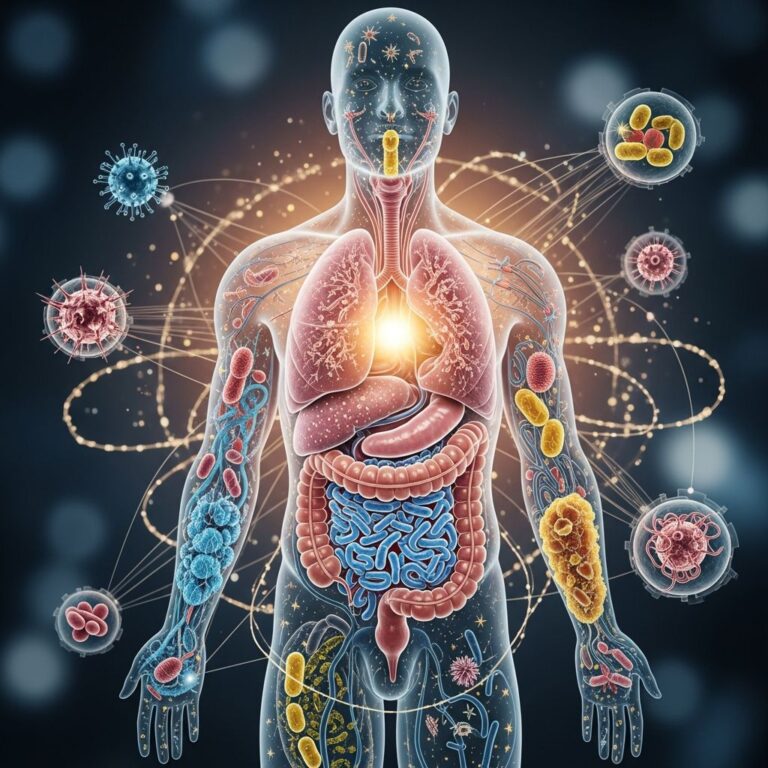
Emerging evidence points to gut microbiome alterations in PD, where dysbiosis may propagate alpha-synuclein pathology via the vagus nerve, linking constipation to disease progression. Men with constipation show elevated PD risk, per epidemiological data.
Strategies for Prevention and Daily Management
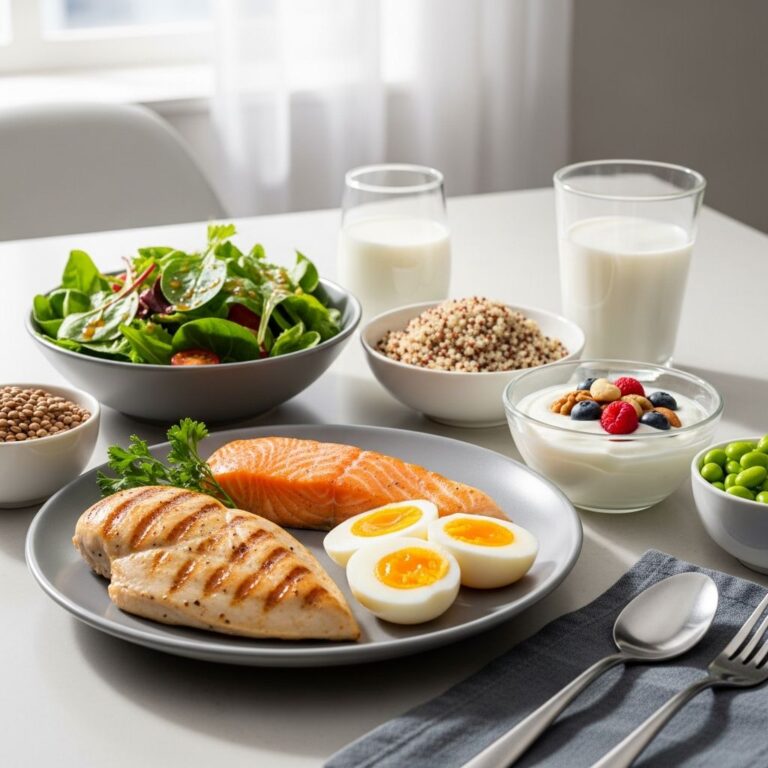
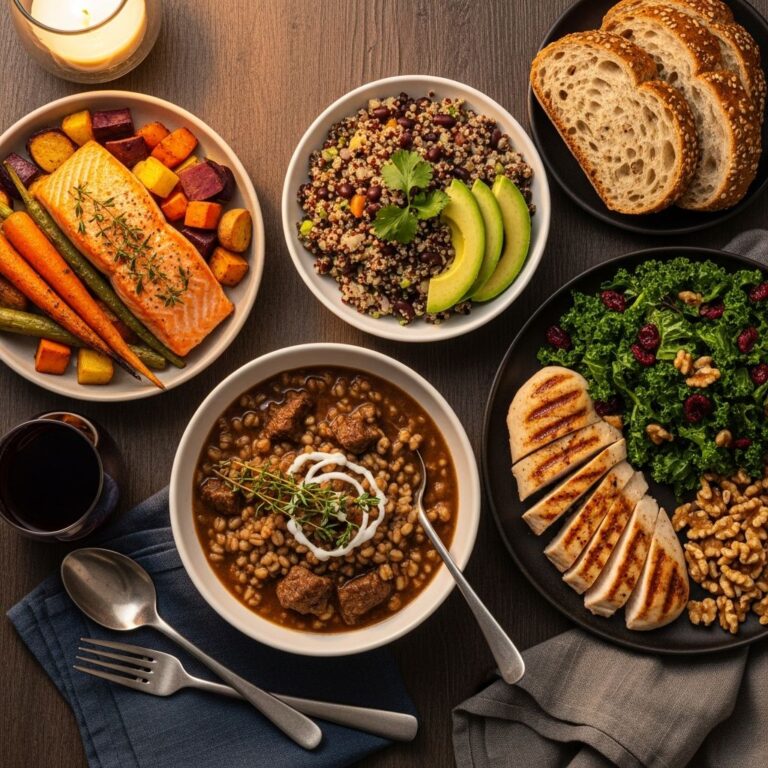
Proactive lifestyle adjustments form the cornerstone of management. Increasing dietary fiber to 25-30 grams daily through fruits, vegetables, whole grains, and legumes softens stool and promotes regularity. Hydration is vital—aim for 6-8 glasses of water daily, balancing urinary concerns.
Physical activity stimulates peristalsis: walking, cycling, or PD-tailored exercises like boxing or yoga enhance gut motility. Abdominal massage, starting from the right lower quadrant and moving clockwise, can aid transit.
| Daily Habit | Benefit | Practical Tips |
|---|---|---|
| Fiber Intake | Softens stool, increases bulk | Prunes, oats, beans; gradual increase to avoid gas |
| Hydration | Prevents hard stools | 64 oz water; herbal teas |
| Exercise | Boosts motility | 30 min walk daily; seated twists |
| Posture | Eases evacuation | Toilet stool for 35-degree knee flexion |
Medical Interventions When Lifestyle Falls Short
For refractory cases, over-the-counter options include osmotic laxatives like polyethylene glycol (MiraLAX), which draw water into the colon without cramping. Stimulant laxatives (e.g., senna) promote contractions but risk dependency.
Prescription therapies target PD-specific issues: prokinetics like domperidone improve gastric emptying without central dopamine effects; botulinum toxin injections relax dyssynergic sphincters. In extreme scenarios, surgical options like colostomy are rare but considered.
Suppositories or enemas provide quick relief for impaction, though enemas carry risks like electrolyte imbalance or rectal irritation.
Navigating Treatments: Pros and Cons
| Treatment Type | Examples | Pros | Cons |
|---|---|---|---|
| Bulk-Forming | Psyllium | Gentle, natural | Requires water, bloating initially |
| Osmotic | MiraLAX | Effective, minimal cramps | Daily use, thirst |
| Stimulant | Bisacodyl | Fast-acting | Cramping, dependency |
| Prokinetic | Domperidone | Enhances motility | Prescription, cardiac monitoring |
The Role of Routine and Monitoring
A bowel diary tracking diet, activity, and stool frequency helps tailor interventions. Regular consultations with gastroenterologists or PD specialists ensure adjustments as disease progresses. Telehealth apps for symptom logging empower patients.
FAQs on Constipation in Parkinson’s
How common is constipation in PD?
It affects 50-80% of patients, often predating motor symptoms.
Can diet alone resolve it?
Many improve with high-fiber diets and hydration, but neurological causes may require meds.
Does constipation affect PD meds?
Yes, delayed gastric emptying reduces levodopa absorption.
Is it a sign of PD progression?
It correlates with longer duration and severity.
When to seek emergency care?
For severe pain, vomiting, or no stools for over a week—risk of impaction.
Future Directions in Research and Care
Ongoing studies explore microbiome modulation via probiotics, fecal transplants, and vagus nerve stimulation to halt gut-brain pathology spread. Personalized nutrition based on genetic profiles promises better outcomes. Patient advocacy drives funding for non-motor symptom trials.
Empowering PD patients involves holistic care: multidisciplinary teams addressing gut health alongside motor therapy. Early intervention preserves dignity and independence.
References
- Parkinson disease with constipation: clinical features and relevant factors — Wang et al. 2018-01-02. https://pmc.ncbi.nlm.nih.gov/articles/PMC5766597/
- Constipation in Parkinson’s Disease — Neurology Solutions. 2023. https://www.neurologysolutions.com/constipation-in-parkinsons-disease/
- Constipation | Parkinson’s Disease — Michael J. Fox Foundation. 2024. https://www.michaeljfox.org/symptoms/constipation
- Parkinson’s Disease Constipation: Causes & Treatments — WebMD. 2023. https://www.webmd.com/parkinsons-disease/parkinsons-constipation
- Parkinson’s Disease: Combating Constipation (Part 2) — Pacific Neuroscience Institute. 2022-11. https://www.pacificneuroscienceinstitute.org/blog/parkinsons-disease/parkinsons-disease-combating-constipation/
- Constipation and Other Gastrointestinal Problems in Parkinson’s — Parkinson’s Foundation. 2024. https://www.parkinson.org/library/fact-sheets/constipation
- Constipation and Parkinson’s Disease — APDA. 2025-11. https://www.apdaparkinson.org/wp-content/uploads/2025/11/APDA22321-Constipation-D2V3-1.pdf
Similar Articles








Read full bio of Sneha Tete