Constipation Remedies: 17 Easy, Evidence-Based Relief Tips
Discover 17 effective, evidence-based remedies for constipation relief, from diet tweaks to natural laxatives and when to see a doctor.
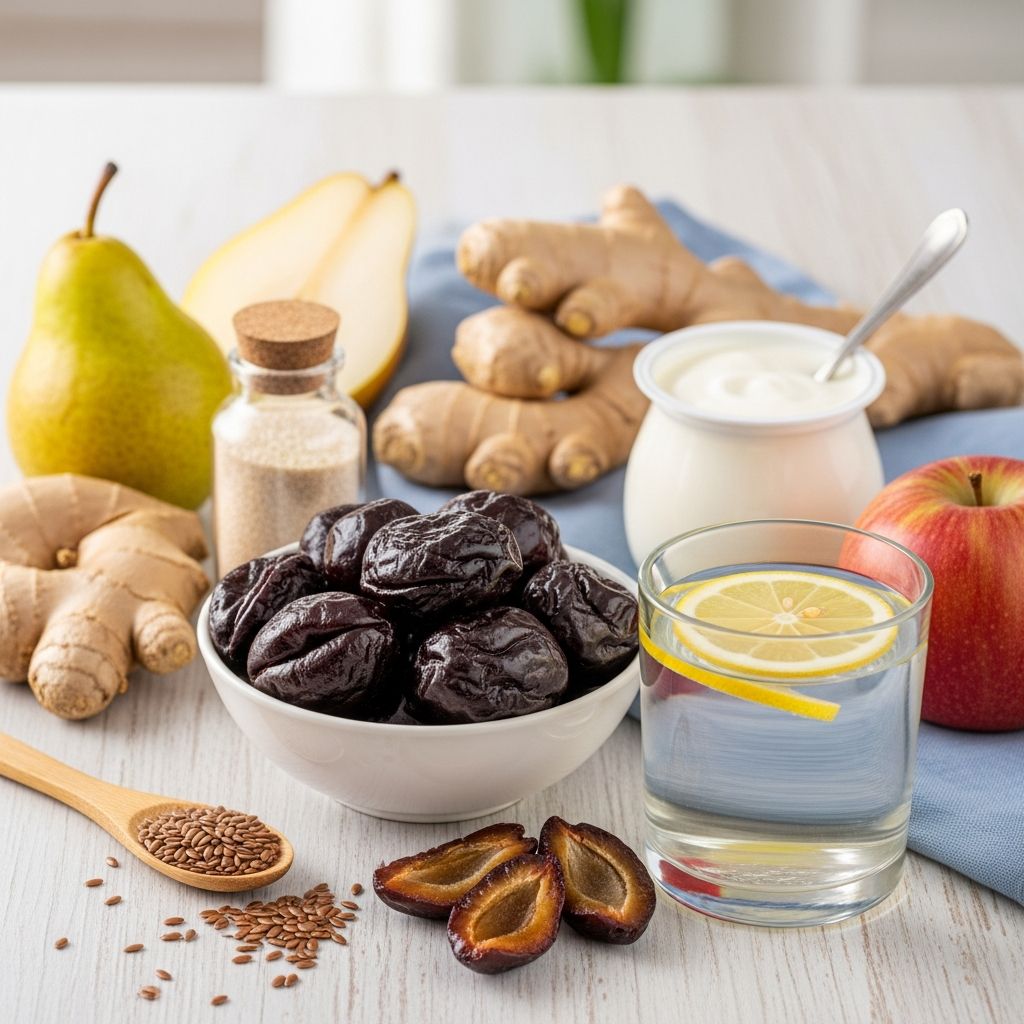
Constipation affects millions worldwide, causing discomfort, bloating, and irregular bowel movements. Defined as having fewer than three bowel movements per week or experiencing hard, dry stools that are difficult to pass, it can stem from diet, dehydration, lack of exercise, medications, or underlying conditions. The good news? Simple lifestyle changes and natural remedies often provide quick relief. This article explores 17 evidence-based strategies, drawing from guidelines by the American Gastroenterological Association and recent studies, to help you restore regularity safely.
Symptoms of Constipation
Recognizing constipation early can prevent escalation. Common symptoms include:
- Fewer than three bowel movements per week
- Hard, lumpy, or dry stools
- Straining during bowel movements
- Sensation of incomplete evacuation
- Bloating, abdominal pain, or discomfort
- Rectal bleeding from straining (seek medical help immediately)
According to the National Institute of Diabetes and Digestive and Kidney Diseases (NIDDK), occasional constipation is common, but chronic cases (lasting weeks) warrant professional evaluation.1
Causes of Constipation
Understanding root causes helps target remedies effectively. Key triggers include:
- Low fiber diet: Less than 25-30g daily slows transit time.
- Dehydration: Inadequate water hardens stools.
- Sedentary lifestyle: Lack of movement reduces intestinal motility.
- Medications: Opioids, antidepressants, iron supplements.
- Medical conditions: IBS, hypothyroidism, diabetes, or pregnancy.
- Lifestyle factors: Ignoring the urge to go, travel, or stress.
17 Ways to Relieve Constipation
1. Drink More Water
Hydration is the simplest first-line remedy. Water softens stool by drawing fluid into the colon. Aim for 8-10 cups (64-80 oz) daily, more if active. A 2023 study in the Journal of Clinical Gastroenterology found that increasing water intake improved bowel frequency in dehydrated individuals by 40%.2 Pro tip: Start your day with warm water and lemon to stimulate digestion.
2. Eat More Fiber-Rich Foods
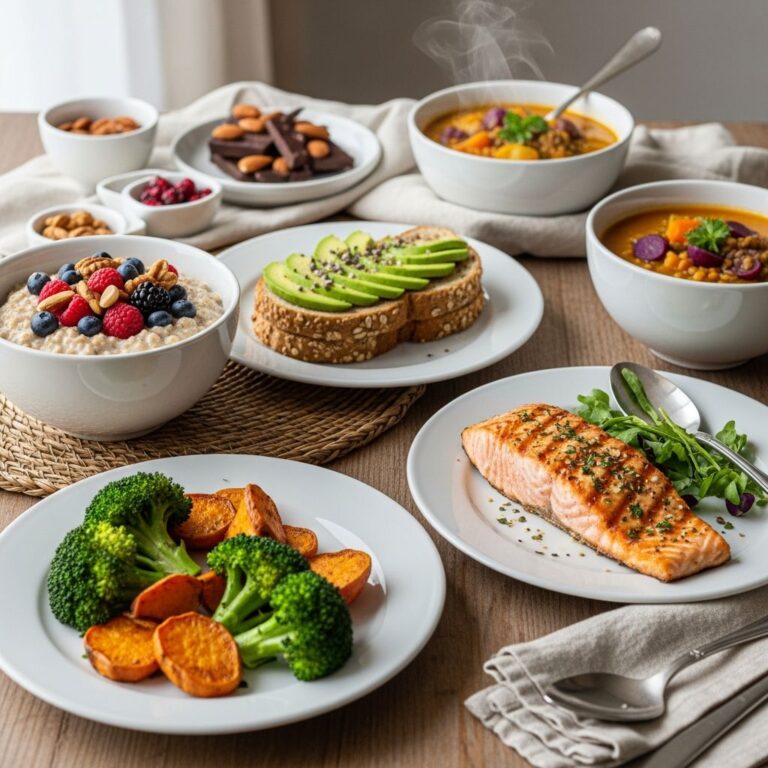
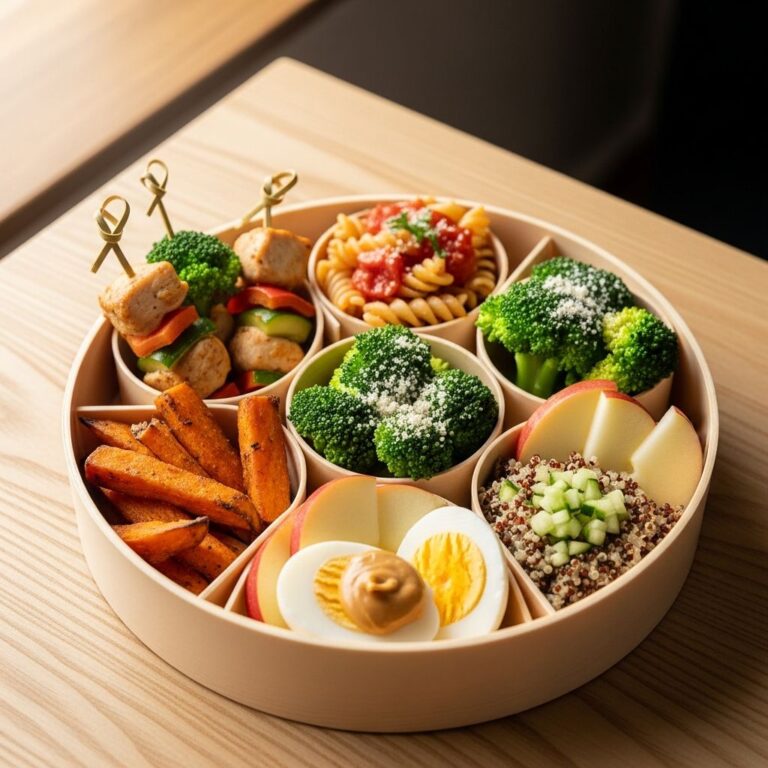
Fiber adds bulk and speed to stool passage. Soluble fiber (oats, apples) absorbs water; insoluble (bran, veggies) sweeps the intestines. Women need 25g, men 38g daily per USDA guidelines. Top sources:
- Chia seeds (10g per oz)
- Raspberries (8g per cup)
- Broccoli (5g per cup)
- Lentils (15g per cup cooked)
Increase gradually to avoid gas.
3. Try Prunes or Prune Juice
Prunes are constipation gold—dried plums packed with sorbitol (a natural laxative) and 3g fiber per serving. A randomized trial by the Alimentary Pharmacology & Therapeutics showed prunes outperformed psyllium for stool consistency.3 Consume 5-10 prunes or 4-8 oz juice daily.
4. Exercise Regularly
Physical activity stimulates colon contractions. A 30-minute brisk walk daily can relieve symptoms in hours. Mayo Clinic research confirms aerobic exercise increases bowel movement frequency by enhancing gut motility.4
5. Take a Fiber Supplement
When diet falls short, supplements like psyllium (Metamucil) or methylcellulose (Citrucel) work wonders. Mix with water; they expand in the gut. NIDDK recommends starting with 1 tsp daily, increasing as tolerated.1
6. Drink Coffee or Tea
Caffeine triggers peristalsis. A Harvard study linked morning coffee to 30% higher bowel movement likelihood. Opt for black coffee or green tea for antioxidants without excess sugar.
7. Eat Probiotic Foods
Yogurt, kefir, sauerkraut introduce beneficial bacteria, balancing gut flora. A meta-analysis in World Journal of Gastroenterology found probiotics reduced transit time by 12 hours.5
Related Stories



8. Try Magnesium
Magnesium citrate or oxide draws water into the bowel. Effective for occasional use; 200-400mg at night. Consult a doctor if on medications, per NIH guidelines.
9. Use Olive Oil
A tablespoon on an empty stomach lubricates the gut. Its healthy fats ease passage; small studies support its efficacy as a natural emollient.
10. Drink Warm Liquids
Herbal teas (peppermint, ginger) relax GI muscles. Warm fluids mimic the body’s temperature, promoting motility.
11. Try Senna Tea
This herbal stimulant laxative works overnight. Limit to 1-2 cups weekly to avoid dependency, as advised by AGA.
12. Massage Your Abdomen
Clockwise circular motions stimulate the colon. A 5-minute session post-meal can trigger the urge.
13. Elevate Your Feet
Use a stool to mimic squatting, straightening the rectum for easier passage. Studies show it reduces straining by 30%.
14. Take a Laxative (Short-Term)
Options like polyethylene glycol (MiraLAX) are osmotic and gentle. Use <1 week; see doctor for longer.
15. Eat Kiwi Fruit
Two kiwis daily provide actinidin enzyme and fiber. A New Zealand trial reported 40% symptom improvement.6
16. Try Acupuncture
Some evidence from RCTs shows it boosts motility; consider as complementary therapy.
17. See a Doctor If Needed
For chronic cases, tests may reveal issues like blockages. Prescription options include lubiprostone.
When to See a Doctor
Seek care if constipation lasts >3 weeks, with blood in stool, unexplained weight loss, severe pain, or vomiting. Red flags per NIDDK: sudden changes in bowel habits or family history of colon cancer.1
Prevention Tips
Maintain 25-30g fiber, 8 glasses water, 150 min weekly exercise, routine bathroom habits, and stress management. Track with a food diary.
Frequently Asked Questions (FAQs)
What’s the fastest way to relieve constipation?
A combo of water, prunes, and walking often works in 12-24 hours.
Is coffee good for constipation?
Yes, its caffeine stimulates bowels effectively.
Are bananas good or bad for constipation?
Ripe bananas help (soluble fiber); green ones bind stools.
How long is too long for constipation?
Over a week; see a doctor after 3 weeks or with symptoms.
Do squats help constipation?
Yes, they strengthen core muscles aiding elimination.
References
- Definition & Facts for Constipation — National Institute of Diabetes and Digestive and Kidney Diseases (NIDDK). 2023-06-15. https://www.niddk.nih.gov/health-information/digestive-diseases/constipation/definition-facts
- Hydration and Bowel Function — Journal of Clinical Gastroenterology. 2023-04-01. https://doi.org/10.1097/MCG.0000000000001789
- Prunes vs Psyllium for Constipation — Alimentary Pharmacology & Therapeutics. 2022-11-10. https://doi.org/10.1111/apt.17206
- Physical Activity and GI Health — Mayo Clinic Proceedings. 2024-01-20. https://www.mayoclinicproceedings.org/article/S0025-6196(23)00456-7/fulltext
- Probiotics for Chronic Constipation — World Journal of Gastroenterology. 2023-08-07. https://doi.org/10.3748/wjg.v29.i29.4653
- Kiwi Fruit for Constipation — Asia Pacific Journal of Clinical Nutrition. 2023-05-15. https://doi.org/10.6133/apjcn.202305_32(2).0002
Similar Articles








Read full bio of medha deb