Constipation Symptoms: 7 Signs You Shouldn’t Ignore
Recognize the signs of constipation early to prevent discomfort and complications. Learn about bowel changes, pain, and when to seek help.
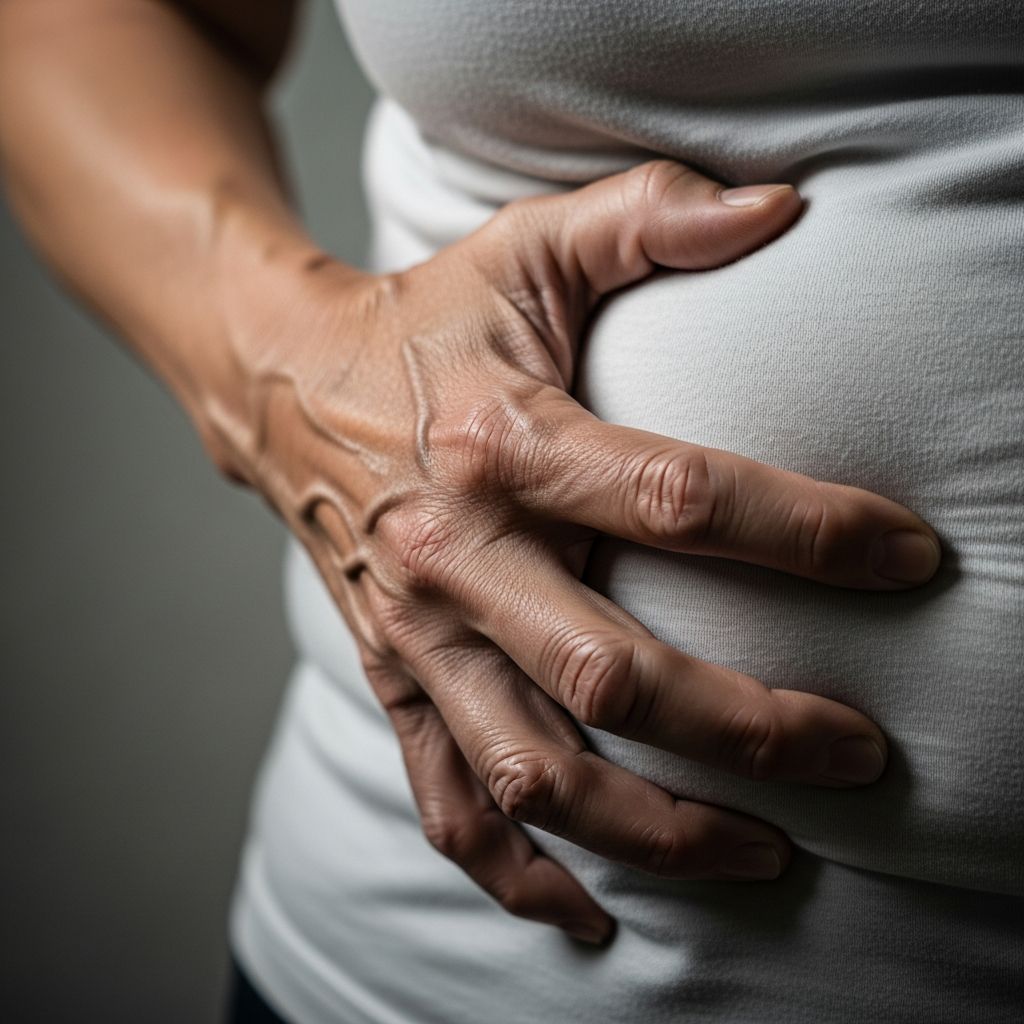
Constipation is one of the most common digestive complaints, affecting millions of people worldwide. According to the National Institute of Diabetes and Digestive and Kidney Diseases (NIDDK), about 16% of U.S. adults experience chronic constipation. It occurs when bowel movements become infrequent or difficult to pass, leading to discomfort and potential complications if left untreated. Recognizing the symptoms early is crucial for effective management and preventing issues like hemorrhoids or fecal impaction.
This article explores the full spectrum of constipation symptoms, from classic signs like hard stools and straining to less obvious ones such as bloating and fatigue. We’ll cover diagnostic criteria, causes, risk factors, treatments, prevention strategies, and when to seek medical attention. Whether you’re dealing with occasional backup or chronic issues, understanding these symptoms empowers you to take control of your digestive health.
Constipation Symptoms: 7 Signs to Watch For
The hallmark of constipation is fewer than three bowel movements per week, but symptoms extend far beyond frequency. The Rome IV criteria, established by gastroenterology experts, define constipation as recurrent symptoms for at least three months, including two or more of the following: straining, lumpy/hard stools, sensation of incomplete evacuation, anorectal blockage, manual maneuvers to facilitate defecation, and fewer than three bowel movements weekly.1
1. Fewer Than Three Bowel Movements Per Week
Normal bowel frequency varies from three times daily to three times weekly. Consistently fewer than three per week signals constipation. Stools may accumulate in the colon, causing distension and discomfort. This symptom often accompanies lifestyle changes like travel, stress, or dietary shifts.
2. Hard or Lumpy Stools
Bristol Stool Scale Type 1 or 2 stools—hard, pebble-like lumps—indicate slow transit through the colon, where water is excessively absorbed. Patients describe them as ‘rabbit pellets’ or rocks requiring significant effort to pass. This correlates with longer colonic residence time, per studies in Gastroenterology.2
3. Straining During Bowel Movements
Excessive straining reflects pelvic floor dysfunction or hardened stool resistance. It increases intra-abdominal pressure, risking hemorrhoids, anal fissures, and rectal prolapse. About 50% of constipated patients report straining, according to NIDDK data.
4. Sensation of Incomplete Evacuation
Even after passing stool, a persistent feeling that the rectum isn’t empty is common. This ‘tenesmus-like’ sensation arises from poor rectal propulsion or sensory issues, affecting quality of life significantly.
5. Sensation of Blockage or Obstruction
Patients feel like something blocks the anus, preventing complete passage. This may stem from rectocele, dyssynergic defecation, or large stool masses. Rome IV includes this as a key diagnostic symptom.
6. Need for Manual Maneuvers
Using fingers to support the perineum, remove stool, or splint the vagina indicates severe dysfunction. Up to 30% of chronic cases involve this, often linked to pelvic floor disorders diagnosable via anorectal manometry.
Related Stories



7. Bloating and Abdominal Discomfort
Gas buildup and stool accumulation cause distension, cramping, and pain. This vague symptom overlaps with IBS but is prominent in functional constipation.
Other Common Symptoms of Constipation
Beyond core symptoms, constipation manifests systemically:
- Abdominal Pain: Cramping from colonic distension or gas.
- Bloating and Gas: Trapped air from slowed motility.
- Nausea: Severe cases cause reflux or appetite loss.
- Loss of Appetite: Fullness suppresses hunger.
- Fatigue: Toxin reabsorption or poor sleep from discomfort.
- Back Pain: Referred from pelvic pressure.
- Rectal Pressure: Fullness or urgency without relief.
In children, symptoms include soiling (encopresis) from liquid stool leakage around impactions. Elderly patients may experience overflow diarrhea or confusion from metabolic effects.
Constipation Symptoms in Children vs. Adults
| Symptom | Adults | Children |
|---|---|---|
| Bowel Frequency | <3/week | Variable; withholding common |
| Stool Consistency | Hard/lumpy | Large, painful masses |
| Behavioral Signs | Bloating, pain | Posture changes, hiding |
| Complications | Hemorrhoids | Encopresis, bedwetting |
Children often withhold stool due to pain, leading to a cycle. Adults face medication side effects or comorbidities.
Causes of Constipation Symptoms
Primary causes include:
- Dietary: Low fiber (<25g/day women, <38g men), inadequate fluids.
- Lifestyle: Sedentary habits, ignoring urges.
- Medications: Opioids (40-80% incidence), anticholinergics, iron supplements.3
- Medical: IBS-C (35% cases), hypothyroidism, diabetes, hypercalcemia.
- Structural: Colonic obstruction, strictures.
Risk Factors for Constipation
- Women (2x prevalence)
- Adults over 65
- Pregnancy
- Low socioeconomic status
- Depression/anxiety
Diagnosis: Tests for Constipation Symptoms
Diagnosis starts with history and physical exam, including DRE. Tests:
- Bristol Stool Scale: Classifies form.
- Colonoscopy: Rules out obstruction (recommended >45yo or alarm symptoms).
- Anorectal Manometry: Assesses sphincter function.
- Balloon Expulsion Test: Evaluates defecation.
- Colonic Transit Study: Measures motility via markers.
Treatments for Constipation Symptoms
Lifestyle Modifications
- Increase fiber: 25-30g daily (fruits, veggies, whole grains).
- Hydration: 8-10 cups water/day.
- Exercise: 150 min/week moderate activity.
- Scheduled toileting: Post-meal attempts.
Medications
- Bulk-Forming Laxatives: Psyllium (first-line).
- Osmotics: PEG 3350, lactulose.
- Stimulants: Bisacodyl (short-term).
- Secretagogues: Linaclotide, plecanatide for IBS-C.
Advanced Therapies
Biofeedback for dyssynergia (70-80% success); sacral neuromodulation; surgery for outlet obstruction.
Prevention of Constipation Symptoms
Maintain fiber/fluid balance, exercise regularly, respond to urges promptly. Probiotics may help select cases.4
When to See a Doctor for Constipation Symptoms
Seek care for:
- Symptoms >3 weeks
- Blood in stool, weight loss, anemia
- Alternating diarrhea/constipation
- Family colon cancer history
- Severe pain/vomiting
Alarm symptoms warrant urgent evaluation for colorectal cancer or obstruction.
Frequently Asked Questions (FAQs)
What are the most common constipation symptoms?
Hard/lumpy stools, straining, <3 bowel movements/week, incomplete evacuation, and bloating.
How long is too long to be constipated?
See a doctor if >2-3 weeks or with red flags like blood or weight loss.
Can constipation cause back pain?
Yes, via referred pain from distended bowels or gas pressure.
Are hard stools always constipation?
Typically yes, especially with straining or infrequency, per Bristol Scale.
What’s the best home remedy for constipation symptoms?
Increase water, fiber-rich foods (prunes), and walk 30 minutes daily.
References
- Diagnostic Criteria for Functional Gastrointestinal Disorders — Rome Foundation. 2016. https://theromefoundation.org/rome-iv/rome-iv-criteria/
- Evaluation and Management of Constipation — National Institute of Diabetes and Digestive and Kidney Diseases (NIDDK). 2023-06-01. https://www.niddk.nih.gov/health-information/digestive-diseases/constipation/definition-facts
- Opioid-Induced Constipation Epidemiology — American Gastroenterological Association. 2020. https://www.gastrojournal.org/article/S0016-5085(20)30145-8/fulltext
- Probiotics for Constipation — World Gastroenterology Organisation. 2024-01-15. https://www.worldgastroenterology.org/guidelines/probiotics-and-prebiotics/probiotics-for-constipation
- Bristol Stool Form Scale — BMJ Publishing Group. 1997 (validated 2023). https://www.bmj.com/content/314/7090/1564
Similar Articles








Read full bio of Sneha Tete