Constipation Symptoms: 5 Common Signs And When To Seek Help
Recognize the signs of constipation early—from infrequent stools to abdominal pain—to seek timely relief and prevent complications.
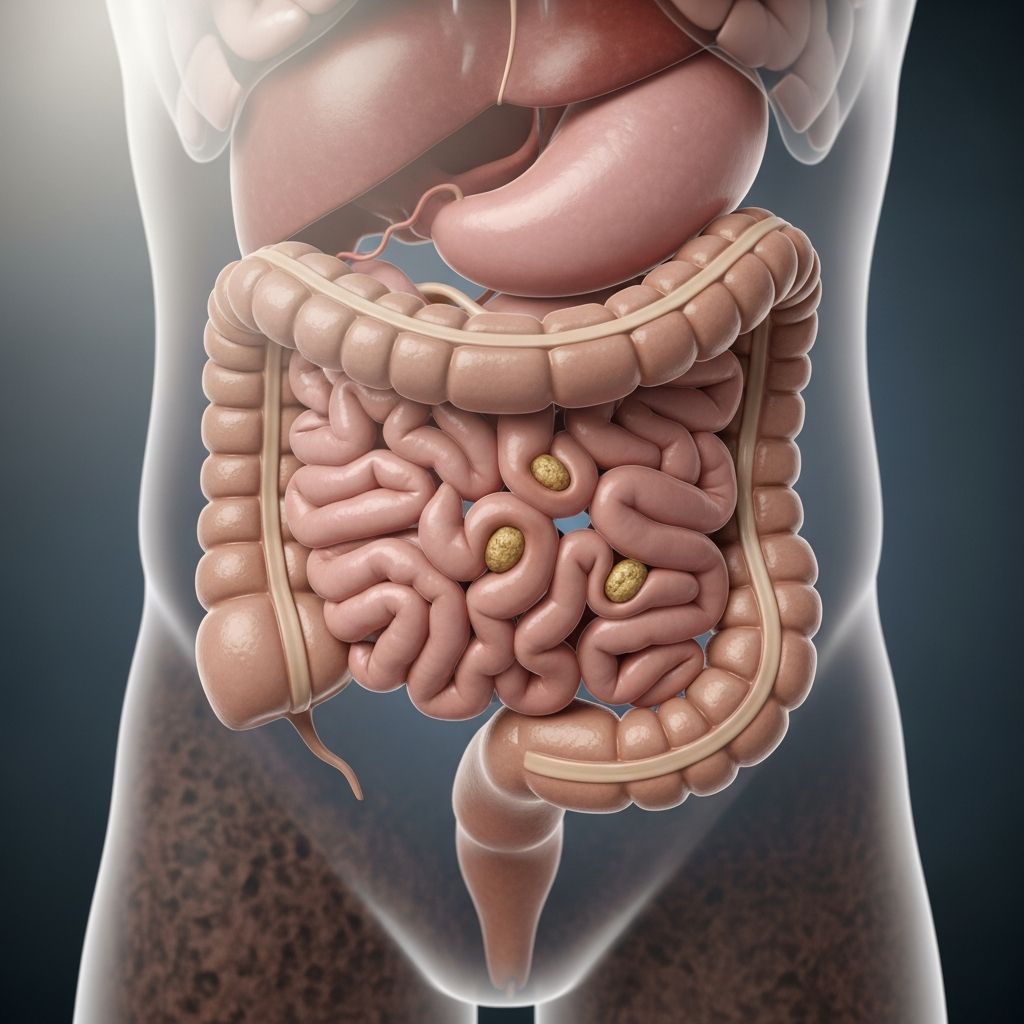
Constipation is one of the most common gastrointestinal issues, affecting up to 16% of adults worldwide according to the World Gastroenterology Organisation. It occurs when bowel movements become infrequent or difficult to pass, often accompanied by hard, dry stools. While occasional constipation is normal, chronic cases can signal underlying health problems and impact quality of life significantly.
The condition disrupts the normal rhythm of your digestive system, where stool moves too slowly through the colon, allowing excessive water absorption that hardens it. Recognizing symptoms early is crucial for effective management. This comprehensive guide covers all key constipation symptoms, from classic signs like straining and incomplete evacuation to lesser-known indicators such as back pain and fatigue. We’ll also explore causes, risk factors, treatments, prevention strategies, and when to consult a healthcare provider.
What Does Constipation Feel Like?
Constipation manifests differently for everyone, but core sensations revolve around discomfort in the lower abdomen and rectum. Many describe it as a heavy, bloated feeling accompanied by sharp cramps or a constant urge to go without relief. The stool itself often feels like small, painful pellets or a large, unyielding mass that’s tough to expel.
According to the National Institute of Diabetes and Digestive and Kidney Diseases (NIDDK), the hallmark of constipation is fewer than three bowel movements per week combined with physical discomfort.1 Patients frequently report a sense of blockage or incomplete emptying, even after straining. This can lead to prolonged bathroom visits—sometimes 10-30 minutes—with little success, fostering frustration and anxiety around defecation.
Symptoms of Constipation in Adults
Adult constipation symptoms are well-defined by medical authorities like the American Gastroenterological Association. Primary symptoms include:
- Infrequent bowel movements: Fewer than three per week is the clinical threshold, though some experience it daily but with difficulty.
- Hard or lumpy stools: Stool consistency resembling pebbles or rocks on the Bristol Stool Chart (types 1-2).
- Straining during bowel movements: Excessive effort, often with grunting or bearing down.
- Sensation of incomplete evacuation: Feeling like stool remains in the rectum post-defecation.
- Manual assistance needed: Using fingers to help pass stool in severe cases.
Secondary symptoms add to the burden:
| Symptom | Description | Prevalence |
|---|---|---|
| Abdominal bloating | Distended belly feeling full of gas | 80% of cases2 |
| Abdominal pain or cramping | Sharp or dull aches in lower gut | 70% |
| Rectal pressure or pain | Burning or fullness near anus | 60% |
| Loss of appetite | Reduced hunger due to fullness | 50% |
Less Common Symptoms
Beyond the basics, constipation can cause nausea, vomiting (if severe), headaches from toxin buildup, and even urinary issues due to pressure on the bladder. In older adults, it may present as confusion or weakness, mimicking other conditions.
Symptoms of Constipation in Children
Children experience constipation differently, often with behavioral cues. The American Academy of Pediatrics notes key signs:
- Hard, large stools that clog toilets
- Painful bowel movements causing tears or avoidance of the potty
- Soiling or leaks (encopresis) from liquid stool bypassing hard masses
- Abdominal distension visible as a protruding belly
- Irritability, decreased appetite, or bedwetting regression
Related Stories



Infants may cry during passage, arch their backs, or strain excessively. Early intervention prevents chronicity, as 95% of pediatric cases are functional (not disease-related).
Constipation Symptoms That Indicate a Medical Emergency
Most constipation resolves with lifestyle tweaks, but certain symptoms demand immediate care per Mayo Clinic guidelines:3
- Sudden constipation with severe abdominal pain or vomiting (possible obstruction)
- Blood in stool (bright red or black/tarry)
- Unexplained weight loss
- Intense rectal pain or swelling (thrombosed hemorrhoids or fissure)
- Constipation alternating with diarrhea
- Persistent symptoms despite laxatives
These could signal bowel obstruction, colorectal cancer, or diverticulitis. Seek ER care if accompanied by fever, dizziness, or fainting.
Causes of Constipation Symptoms
Symptoms arise from slowed colonic transit. Primary causes include:
- Dietary factors: Low fiber (<25g/day), inadequate fluids
- Lifestyle: Sedentary habits, ignoring urges
- Medications: Opioids, antidepressants, iron supplements
- Medical conditions: IBS, hypothyroidism, diabetes, Parkinson’s
- Structural issues: Tumors, strictures
Women and elderly are at higher risk due to hormonal shifts and reduced motility.
Risk Factors for Constipation
- Age >65 (colon slows 30%)
- Female sex (twice as common)
- Pregnancy (progesterone relaxes gut)
- Low socioeconomic status (diet access)
- Chronic illnesses or polypharmacy
Diagnosis: How Doctors Assess Symptoms
Physicians use Rome IV criteria: ≥2 symptoms for ≥3 months. Tests include:
- Digital rectal exam
- Bloodwork (electrolytes, thyroid)
- Colonoscopy for red flags
- Anorectal manometry for dyssynergia
Treatment Options for Constipation Relief
- Lifestyle: 25-30g fiber/day, 8 glasses water, 30min exercise
- Laxatives: Bulk-forming (psyllium), osmotic (MiraLAX), stimulants (senna)
- Prescription: Lubiprostone, prucalopride
- Biofeedback: For pelvic floor dysfunction
- Surgery: Rare, for obstructions
Prevention Tips
- Establish routine toilet times
- High-fiber diet: fruits, veggies, whole grains
- Probiotics for gut health
- Magnesium-rich foods
Frequently Asked Questions (FAQs)
What are the most common signs of constipation?
Fewer than three bowel movements weekly, hard/lumpy stools, straining, incomplete evacuation, and bloating.
How long is too long to be constipated?
Over a week without relief warrants medical advice; sudden onset needs prompt evaluation.
Can stress cause constipation symptoms?
Yes, stress disrupts gut-brain axis, slowing motility and heightening pain perception.
Are hard stools always constipation?
Usually, but check for accompanying symptoms like pain or infrequency.
When should I see a doctor for constipation?
If persistent >3 weeks, with blood, weight loss, or family cancer history.
References
- Definition & Facts for Constipation — National Institute of Diabetes and Digestive and Kidney Diseases (NIDDK). 2023-06-15. https://www.niddk.nih.gov/health-information/digestive-diseases/constipation/definition-facts
- Constipation — World Gastroenterology Organisation. 2024-02-12. https://www.worldgastroenterology.org/guidelines/constipation
- Constipation – Symptoms and causes — Mayo Clinic. 2025-01-10. https://www.mayoclinic.org/diseases-conditions/constipation/symptoms-causes/syc-20354253
- Rome IV Diagnostic Criteria for Functional Gastrointestinal Disorders — Rome Foundation (PubMed). 2016-05-01. https://pubmed.ncbi.nlm.nih.gov/27144627/
- Constipation in Children — American Academy of Pediatrics. 2024-09-20. https://publications.aap.org/pediatrics/article/154/5/e2024066610/197013
Similar Articles








Read full bio of medha deb