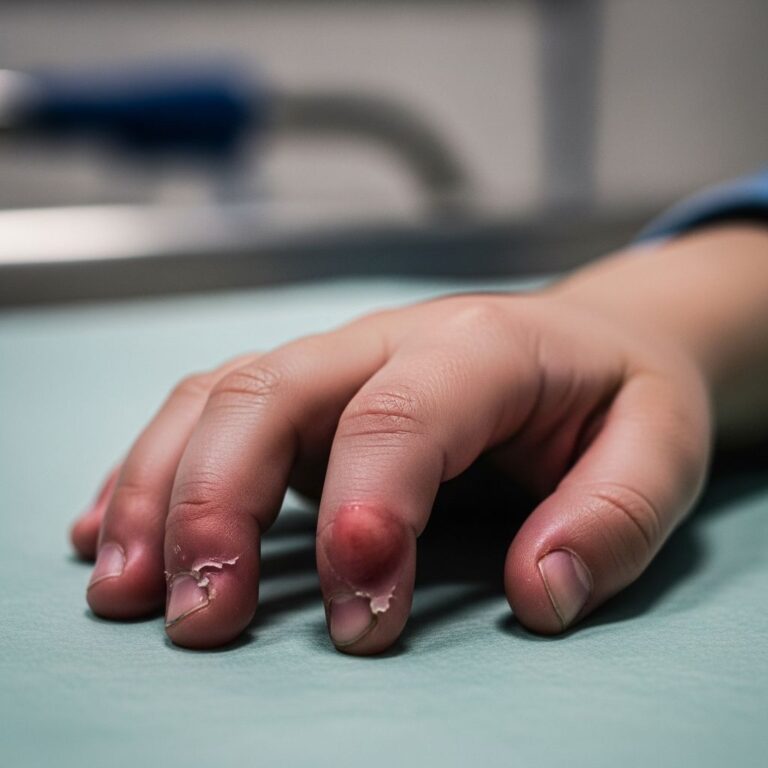
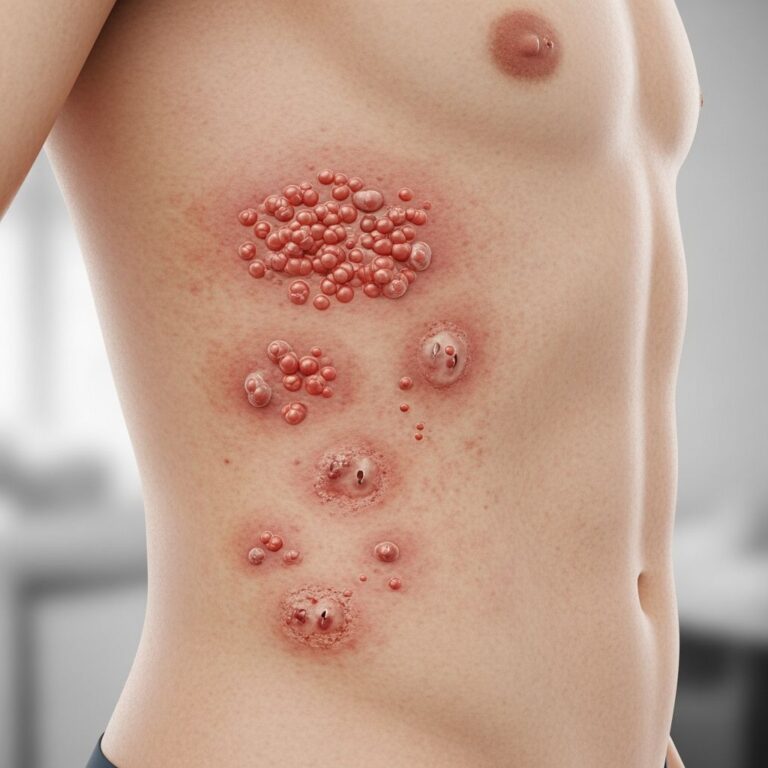
Contact Allergic Dermatitis of the Torso Images
Explore detailed images and clinical insights into allergic contact dermatitis affecting the torso, including causes, symptoms, and treatments.
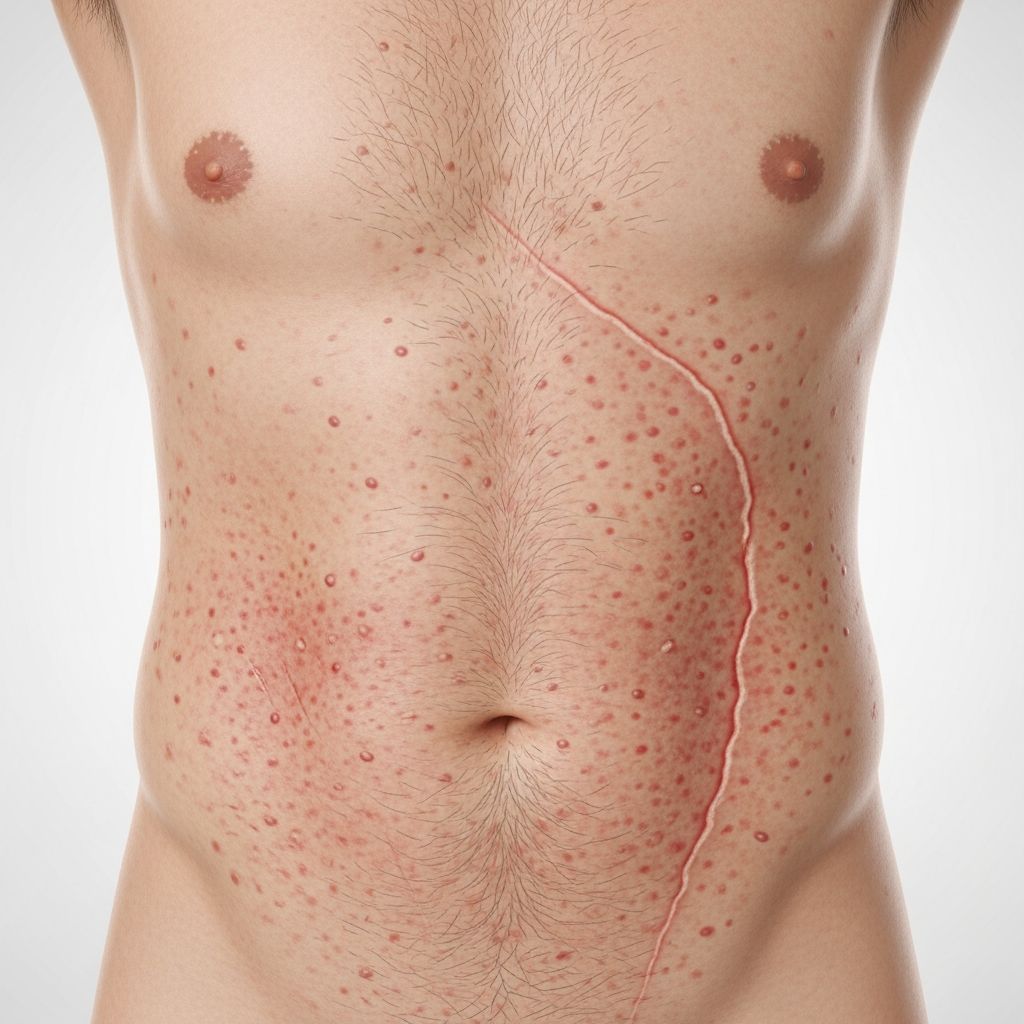
Contact allergic dermatitis of the torso refers to an inflammatory skin reaction triggered by direct contact with allergens, manifesting as red, itchy rashes primarily on the chest, abdomen, and back. This condition arises from a delayed hypersensitivity reaction (Type IV) where the immune system overreacts to substances like metals, fragrances, or preservatives in clothing and personal care products.
What is Contact Allergic Dermatitis?
Contact allergic dermatitis is a common form of eczema caused by skin exposure to specific allergens. Unlike irritant contact dermatitis, which results from direct skin barrier damage, allergic variants involve T-cell mediated immunity. On the torso, it often presents due to prolonged contact with allergens in fabrics, dyes, or topical applications. Symptoms typically develop 24-48 hours after exposure, distinguishing it from immediate IgE-mediated allergies.
The torso is a frequent site because clothing items like bras, belts, shirts, and undergarments harbor allergens such as nickel in snaps, rubber accelerators in elastic, or disperse dyes in fabrics. Prevalence is higher in adults due to cumulative exposures, affecting up to 20% of referrals to dermatology clinics.
Clinical Features
The hallmark of
contact allergic dermatitis on the torso
is an erythematous, pruritic rash with well-defined borders corresponding to allergen contact areas. Common patterns include:- Linear or geometric shapes matching clothing seams, waistbands, or bra straps.
- Redness (erythema), swelling (edema), and small blisters (vesicles) in acute phases.
- Scaling, crusting, or lichenification in chronic cases from repeated exposure.
- Intense itching leading to excoriations if scratched.
Symptoms may spread beyond initial contact sites due to autosensitization (id reaction), where widespread dermatitis mimics systemic involvement. Torso involvement spares flexures like armpits unless secondary spread occurs.
Images of Contact Allergic Dermatitis of the Torso
This gallery showcases dermoscopic and clinical photographs of torso lesions, aiding diagnosis by illustrating characteristic morphologies. Images depict varying severity from mild erythema to severe blistering.
Image 1: Mild Erythematous Reaction
A 35-year-old female presents with faint red patches on the mid-abdomen under a tight elastic waistband. Note the sharp demarcation and sparing of clothed creases, consistent with rubber chemical allergy.
Image 2: Acute Vesicular Dermatitis
Severe reaction on the chest showing grouped vesicles on an erythematous base, triggered by nickel in an underwire bra. Oozing and crusting indicate acute inflammation.
Image 3: Chronic Lichenified Plaque
Thickened, scaly plaques on the lower back from chronic exposure to clothing dyes. Hyperpigmentation and fissuring highlight repeated irritation.
Image 4: Patchy Distribution on Flanks
Bilateral symmetrical patches on the flanks from fragrance in laundry detergents. Mild scaling with central clearing suggests partial allergen avoidance.
Image 5: Extensive Involvement
Near-generalized torso erythema sparing the central abdomen, secondary to topical antibiotic allergy. Note the id reaction with perifollicular accentuation.
These images underscore the importance of pattern recognition in linking morphology to exposure history.
Related Stories



Common Causes and Allergens
Torso dermatitis allergens are often hidden in everyday items:
| Allergen Category | Examples | Prevalence on Torso |
|---|---|---|
| Metals | Nickel (bras, belts, zippers) | High (15-20% of cases) |
| Rubber Chemicals | Thiurams, carbamates in elastic | Common in waistbands |
| Dyes/Fragrances | Disperse blues, laundry scents | Frequent in fabrics |
| Preservatives | Thiomersal, formaldehyde releasers | In creams, deodorants |
| Topicals | Neomycin, fragranced lotions | Applied to chest/abdomen |
Identification requires detailed history and patch testing.
Diagnosis
Diagnosis combines clinical exam, history, and confirmatory tests:
- History: Temporal relation to new clothing, jewelry, or products.
- Examination: Distribution matching contact sites.
- Patch Testing: Gold standard; allergens applied under occlusion for 48 hours, read at 48-96 hours.
- Differential: Atopic dermatitis (flexural), psoriasis (plaques), tinea (annular).
Biopsy is rarely needed but shows spongiosis and lymphocytic infiltrate.
Treatment and Management
The cornerstone is allergen avoidance. Wash skin immediately post-exposure and use barrier creams.
Symptomatic Relief
- Cool compresses (15-30 min, several times daily) reduce itch and inflammation.
- Oatmeal baths or calamine lotion soothe acute lesions.
- Emollients (fragrance-free) maintain barrier function.
Topical Therapies
Mid-to-high potency corticosteroids (e.g., triamcinolone 0.1%, clobetasol 0.05%) for 1-2 weeks on torso; use low-potency (hydrocortisone) on thinner skin. Avoid prolonged use to prevent atrophy.
Severe Cases
Systemic steroids (prednisone 0.5-1 mg/kg for 5-7 days, taper) for extensive involvement (>20% body surface). Antihistamines for pruritus.
Healing occurs in 1-3 weeks with avoidance; chronic cases need ongoing management.
Prevention Strategies
- Choose hypoallergenic clothing (cotton, avoid nickel snaps).
- Pre-treat fabrics with color-catchers for dyes.
- Use fragrance-free products; test new items on small areas.
- Patch test kits for home screening.
Frequently Asked Questions (FAQs)
Q: Is contact allergic dermatitis contagious?
A: No, it is not contagious. It results from individual sensitization and cannot spread person-to-person.
Q: How long does torso dermatitis last?
A: Most cases resolve in 1-3 weeks with avoidance and treatment; chronic exposure prolongs it.
Q: Can I use over-the-counter hydrocortisone?
A: Yes, for mild cases, but consult a doctor if no improvement in 7 days or worsening.
Q: What if patch testing is positive for nickel?
A: Avoid nickel-containing items; use plastic or coated alternatives for clothing fasteners.
Q: Does it always recur on the torso?
A: Recurrence depends on re-exposure; strict avoidance prevents it.
References
- Contact dermatitis – NHS — NHS. 2023. https://www.nhs.uk/conditions/contact-dermatitis/
- Understanding Contact Dermatitis: Causes and Treatment — MWENT. 2024. https://mwent.net/understanding-contact-dermatitis-causes-and-treatment/
- Allergic Contact Dermatitis | Fact Sheets – Yale Medicine — Yale Medicine. 2023. https://www.yalemedicine.org/conditions/dermatitis
- Contact Dermatitis | Symptoms, Treatment & Management – AAAAI — AAAAI. 2024. https://www.aaaai.org/tools-for-the-public/conditions-library/allergies/contact-dermatitis-overview
- Contact Dermatitis: What You Should Know – Goodless Dermatology — Goodless Dermatology. 2023. https://goodlessdermatology.com/posts/news/contact-dermatitis-what-you-should-know/
- Contact Dermatitis: Symptoms, Causes and Treatment Guide — IU Medicine. 2024. https://dermatrials.medicine.iu.edu/blogs/need-to-know-about-contact-dermatitis
- Diagnosis and Management of Contact Dermatitis – AAFP — AAFP. 2010-07-15. https://www.aafp.org/pubs/afp/issues/2010/0801/p249.html
Similar Articles








Read full bio of medha deb