Lauryl Glucoside Allergy: Symptoms, Patch Testing, Avoidance
Understanding lauryl glucoside allergies, diagnosis, and management strategies.
Contact Allergy to Lauryl Glucoside
Lauryl glucoside is a mild surfactant (cleaning agent) commonly found in personal care and household products. It is increasingly recognized as a cause of allergic contact dermatitis (ACD), a delayed-type hypersensitivity reaction that occurs when the skin comes into contact with an allergen.
What is Lauryl Glucoside?
Lauryl glucoside belongs to a family of chemicals called alkyl glucosides, which are surfactants derived from glucose and fatty alcohols. These compounds are valued in the cosmetic and household product industries because they are effective cleansing agents with relatively low irritancy compared to traditional surfactants. Decyl glucoside and lauryl glucoside are the two alkyl glucosides most commonly implicated in causing allergic contact dermatitis. Lauryl glucoside is also known by alternative chemical names, including lauryl glycoside, D-glucose homopolymer dodecylether, and D-glucopyranose oligomeric C10-16-alkyl glycosides.
Where is Lauryl Glucoside Found?
Lauryl glucoside is used extensively in a wide range of consumer products due to its mild and effective cleansing properties. Understanding where this ingredient appears is essential for patients with confirmed allergies.
Personal Care Products:
- Shampoos and conditioners
- Hand soaps (particularly liquid formulations)
- Shower gels and body washes
- Shaving gels and pre-shave products
- Deodorants and antiperspirants
- Baby care products, including baby wipes and baby shampoos
- Moist toilet wipes and personal wipes
- Toothpastes
- Sunscreens and cosmetic products
Household Products:
- Laundry detergents and laundry liquids
- Dish washing liquids
- All-purpose household cleaners
- Floor cleaning products
Topical Pharmaceutical Products:
Lauryl glucoside may also appear in some topical medications and wound care products, including foam wound dressings.
How Common is Lauryl Glucoside Allergy?
Contact allergy to lauryl glucoside is increasingly recognized in dermatology practice. A retrospective multicentre audit conducted by the British Society of Cutaneous Allergy across 13 dermatology units in the UK and Ireland documented the frequency of sensitization to lauryl glucoside and its relationship to decyl glucoside allergy. In a North American study involving 897 patients suspected of having cosmetic-related dermatitis who were patch tested with both decyl and lauryl glucosides between 2009 and 2016, 48 patients (5%) had positive reactions to decyl and/or lauryl glucoside. Among those with positive glucoside reactions, 65% exhibited co-reactions to both decyl and lauryl glucosides. This suggests that glucoside allergies are not rare but represent a meaningful proportion of contact dermatitis cases in individuals using cosmetic products regularly.
Importantly, recent pediatric research indicates that patch test reactions to glucosides occur frequently in children, with a surprisingly high positivity rate. Among 241 children tested for decyl glucoside, 19.5% showed reactions, though careful interpretation is necessary as many represent irritant or false-positive reactions, particularly in young atopic children.
Symptoms and Clinical Presentation
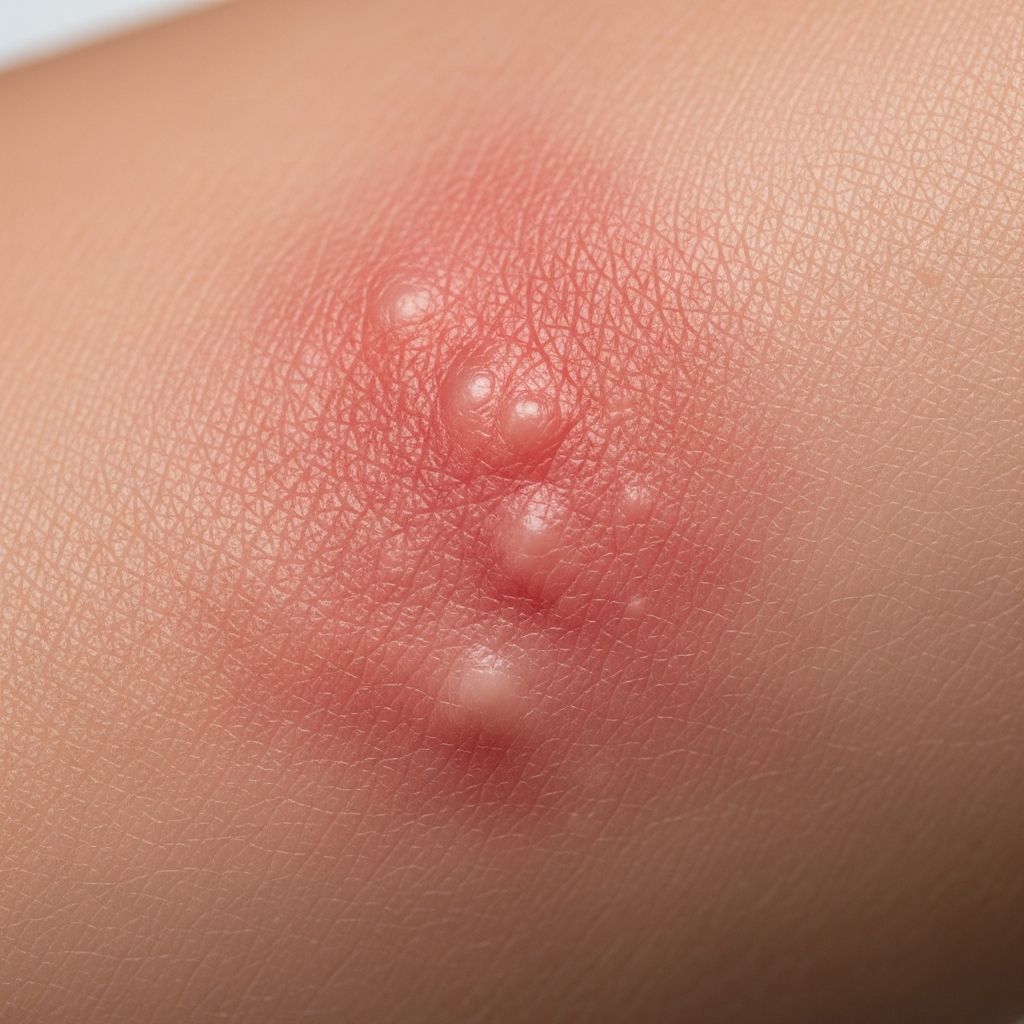
Contact allergy to lauryl glucoside manifests as allergic contact dermatitis, which is a delayed-type immune response. Symptoms typically appear several days after exposure to the allergen, rather than immediately.
Typical symptoms include:
- Redness (erythema) of the skin
- Swelling (edema) of affected areas
- Intense itching and pruritus
- Fluid-filled blisters or vesicles in severe cases
- Scaling and dryness of the skin
- In chronic cases, lichenification (thickening) of the skin
Related Stories



The distribution of dermatitis depends on the source of exposure. For example, allergy to lauryl glucoside in shampoo typically affects the scalp, neck, and upper back. Hand soap allergy often presents on the hands and forearms, while body wash allergy may cause widespread body dermatitis. Baby wipe allergy in infants may present as diaper dermatitis or facial dermatitis around areas of contact.
Diagnosis of Lauryl Glucoside Allergy
Patch Testing is the gold standard diagnostic method for confirming contact allergy to lauryl glucoside and other allergens. Patch testing is a safe, well-established procedure used to identify delayed-type hypersensitivity reactions.
How Patch Testing Works:
During patch testing, small amounts of the suspected allergen (in this case, lauryl glucoside in a standardized concentration) are applied to the skin, typically on the back. The allergen is held in place with a patch or chamber and left undisturbed for 48 hours. The skin is then examined for reactions at 48 hours (day 2) and again at 96 hours (day 4) according to guidelines from the European Society of Contact Dermatitis (ESCD). A positive reaction is characterized by redness, swelling, and sometimes vesicles at the test site.
Standardized Testing Concentrations:
Lauryl glucoside is typically tested at a concentration of 3.0% in petrolatum (a standard emollient vehicle). Decyl glucoside, another common alkyl glucoside allergen, is tested at 5.0% in petrolatum. Both allergens are often included in comprehensive patch test panels used for evaluating suspected cosmetic allergy.
Clinical Relevance:
A positive patch test reaction does not automatically mean the allergen is the cause of the patient’s dermatitis. Clinicians assess the clinical relevance of positive reactions by correlating the test results with the patient’s history of exposure and the distribution and timing of their dermatitis. In studies of glucoside allergy, approximately 41% of positive patch test reactions were classified as definite or probable relevance, while approximately 55% were of possible relevance. This underscores the importance of careful clinical correlation.
Cross-Reactivity Considerations:
A significant clinical challenge is that 65% of patients allergic to one alkyl glucoside exhibit co-reactions to other glucosides. Therefore, individuals with confirmed lauryl glucoside allergy should be tested with decyl glucoside and potentially other alkyl glucosides to identify the full spectrum of sensitivities. Neither glucoside alone is an adequate screening agent for allergy to the other.
Management and Avoidance
The primary management strategy for contact allergy to lauryl glucoside is strict avoidance of products containing this ingredient.
Reading Product Labels:
Patients should carefully examine ingredient lists on all personal care and household products. Lauryl glucoside may be listed under several names:
- Lauryl glucoside
- Lauryl glycoside
- D-glucose homopolymer, dodecylether
- D-glucopyranose, oligomeric, C10-16-alkyl glycosides
Product Alternatives:
Patients should seek products labeled as free from lauryl glucoside and other alkyl glucosides. Many manufacturers produce hypoallergenic personal care lines that avoid common allergens. For individuals with multiple glucoside allergies, selecting products with alternative surfactant systems may be necessary.
Workplace and Home Considerations:
If occupational exposure is a concern (for example, in healthcare workers, hairdressers, or cleaning staff), minimizing contact through use of protective gloves and selecting gentler cleaning products can help reduce dermatitis flares. However, complete avoidance remains the most effective long-term strategy.
Skin Care Management:
While avoiding the allergen, patients should maintain a gentle skin care routine using mild cleansers and emollients to support skin barrier recovery. Regular use of fragrance-free moisturizers can help prevent secondary irritant dermatitis, which often complicates allergic contact dermatitis.
Treatment of Acute Flares
If contact dermatitis develops despite avoidance efforts, symptomatic treatment may include:
- Topical corticosteroids: Low to moderate potency steroids applied directly to affected areas for 1–2 weeks to reduce inflammation and itching
- Emollients: Frequent application of fragrance-free moisturizers to support skin barrier repair
- Antihistamines: Oral antihistamines may provide symptomatic relief of pruritus, particularly at night
- Systemic corticosteroids: In severe, widespread cases, short courses of oral corticosteroids may be considered, though these are typically reserved for severe reactions
Patients should consult their dermatologist before starting any new treatment, especially if they have other medical conditions or are taking other medications.
Differential Diagnosis
Contact dermatitis caused by lauryl glucoside must be distinguished from other causes of dermatitis, including:
- Irritant contact dermatitis: Caused by direct skin irritation rather than immune sensitization; typically develops more quickly and improves rapidly upon avoidance
- Atopic dermatitis: A chronic inflammatory condition with genetic predisposition; characterized by intense itching and often involves the face and flexural areas
- Seborrheic dermatitis: Affects sebum-rich areas such as the scalp and face; presents with greasy, yellowish scales
- Tinea corporis or other fungal infections: May mimic contact dermatitis but respond to antifungal rather than allergen avoidance
Patch testing helps definitively distinguish allergic contact dermatitis from these other conditions.
Special Populations
Children and Infants:
Patch test reactions to glucosides occur frequently in children, with recent data showing reactions in approximately 19.5% of pediatric patients tested. However, many of these represent irritant or false-positive reactions, particularly in young atopic children. Careful clinical correlation and possibly repeat testing are necessary to confirm true sensitization. Infants and young children may develop lauryl glucoside-related dermatitis from baby wipes, shampoos, or other personal care products; parents should be educated on ingredient reading and product selection.
Healthcare Workers and Occupational Exposure:
Individuals in occupations with frequent hand washing or chemical exposure (healthcare workers, hairdressers, cleaning staff) may experience occupational contact dermatitis related to lauryl glucoside. Protective gloves and alternative product selection are important preventive measures.
Frequently Asked Questions
Q: If I have a positive patch test to lauryl glucoside, does that mean I’m allergic to it?
A: A positive patch test indicates sensitization to lauryl glucoside. However, clinical relevance must be assessed by correlating the test result with your symptom history, exposure history, and the distribution of your dermatitis. Not all positive patch test reactions cause the patient’s current dermatitis.
Q: If I’m allergic to lauryl glucoside, will I also be allergic to decyl glucoside?
A: Cross-reactivity is common; approximately 65% of patients with allergy to one alkyl glucoside will react to another. However, this is not universal, so your dermatologist may recommend patch testing with multiple glucosides to identify your complete spectrum of sensitivities.
Q: Can I use products labeled “natural” or “plant-based” if I’m allergic to lauryl glucoside?
A: Lauryl glucoside is derived from glucose and plant-derived fatty alcohols, so it is technically natural. Always read the ingredient list carefully, as natural or plant-based products may still contain lauryl glucoside. Look for products explicitly labeled as free from this allergen.
Q: How long does it take for my dermatitis to improve after I avoid lauryl glucoside?
A: Most patients experience improvement within 1–2 weeks of strict allergen avoidance, though complete resolution may take several weeks. Supporting your skin barrier with gentle care and emollients accelerates healing.
Q: Can lauryl glucoside allergy develop suddenly, or does it require repeated exposure?
A: Contact allergy typically develops after repeated exposure to an allergen over time. Sensitization can take weeks or months of regular exposure, but once sensitization occurs, even brief contact can trigger a reaction.
Q: Are there patch test kits I can use at home to test for lauryl glucoside allergy?
A: While commercial patch test kits exist, they are not standardized and may not contain proper concentrations of allergens. Dermatologist-administered patch testing using standardized allergens and proper technique is the recommended approach for accurate diagnosis.
When to See a Dermatologist
You should consult a dermatologist if you experience persistent dermatitis that does not improve with general skin care, if you suspect a contact allergy, if your dermatitis significantly impacts your quality of life, or if over-the-counter treatments are ineffective. A dermatologist can perform patch testing to identify specific allergens and provide personalized management recommendations.
References
- Patch Testing with Decyl and Lauryl Glucoside: How Well Does One Screen for Contact Allergic Reactions to the Other? — Severin RK, Belsito DV, et al., Dermatitis. 2017 Nov/Dec;28(6):342-345. https://pubmed.ncbi.nlm.nih.gov/29064883/
- Prevalence of allergic contact dermatitis to decyl and lauryl glucoside in the UK and Ireland — Soriano LF, Bertram CG, Chowdhury MMU, et al., British Journal of Dermatology. 2021 Mar;184(3):571–573. https://academic.oup.com/bjd/article-abstract/184/3/571/6702215
- EE374: Lauryl glucoside Patient Information — SmartPractice Canada. https://www.smartpracticecanada.com/spcanada/pdfs/all-allergens/EE374.pdf
- Allergic contact dermatitis caused by alkyl glucosides — Contact Dermatitis Review. 2014. https://www.ovid.com/journals/codr/fulltext/10.1111/cod.12154
- Frequent Positive Patch Test Reactions to Glucosides in Children: A Call for Caution? — Kanokrungsee S, Leysen J, Aerts O, Dendooven E, et al., Contact Dermatitis. 2025 Aug;93(2):148-158. https://pubmed.ncbi.nlm.nih.gov/40394829/
Similar Articles








Read full bio of Sneha Tete