Contact Allergy to Preservatives: Causes, Symptoms & Management
Understand how preservatives in skincare and cosmetics trigger allergic contact dermatitis and how to manage reactions.
Understanding Contact Allergy to Preservatives
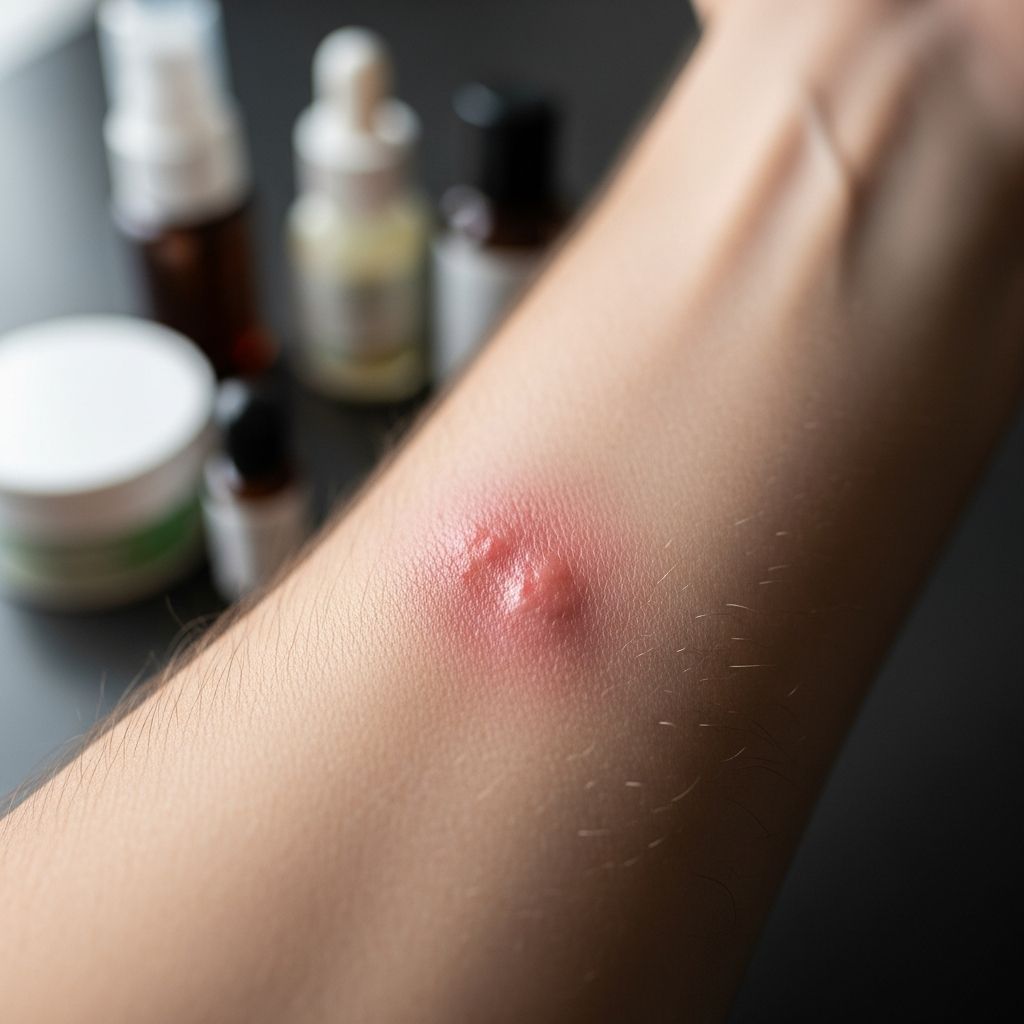
Contact allergy to preservatives is a form of allergic contact dermatitis that develops when the skin comes into direct contact with chemical preservatives commonly used in skincare products, cosmetics, and personal care items. Preservatives such as formaldehyde, parabens, and methylisothiazolinone (MI) are frequent culprits in triggering allergic reactions, particularly in individuals with sensitive skin. This type of allergic reaction is a delayed hypersensitivity response, meaning symptoms typically do not appear immediately upon exposure but rather develop over time as the immune system becomes sensitized to the offending agent.
Allergic contact dermatitis accounts for approximately 20% of all contact dermatoses, with the specific allergens varying significantly based on geography, personal habits, and regional regulations regarding which preservatives are legally permitted in consumer products. Understanding the nature of these allergic reactions is essential for identifying triggers and implementing effective management strategies.
Common Preservatives That Trigger Allergic Reactions
Several preservatives are well-documented causes of contact allergy. The most frequently implicated include:
- Parabens: Widely used in skincare, cosmetic, and pharmaceutical products, parabens (including methylparaben, propylparaben, and butylparaben) are among the most common preservative allergens. They are found in lotions, creams, shampoos, and makeup products.
- Formaldehyde: A potent preservative used in a broad range of manufactured items, formaldehyde is known to cause allergic sensitization in susceptible individuals. It may be listed directly or released gradually from formaldehyde-releasing preservatives.
- Methylisothiazolinone (MI): This is an increasingly recognized allergen in preservative systems, particularly in leave-on and rinse-off cosmetic products. MI sensitivity has been rising in clinical practice.
- Quaternium-15: A formaldehyde-releasing preservative commonly used in the United States, though its use is restricted in Europe due to allergenicity concerns.
- Fragrance Compounds: While technically fragrance ingredients rather than preservatives, fragrance additives often act as co-allergens and are frequently hidden in products labeled “unscented.”
How Preservative Allergy Develops
The development of allergic contact dermatitis to preservatives occurs through a two-phase immunological process:
Sensitization Phase
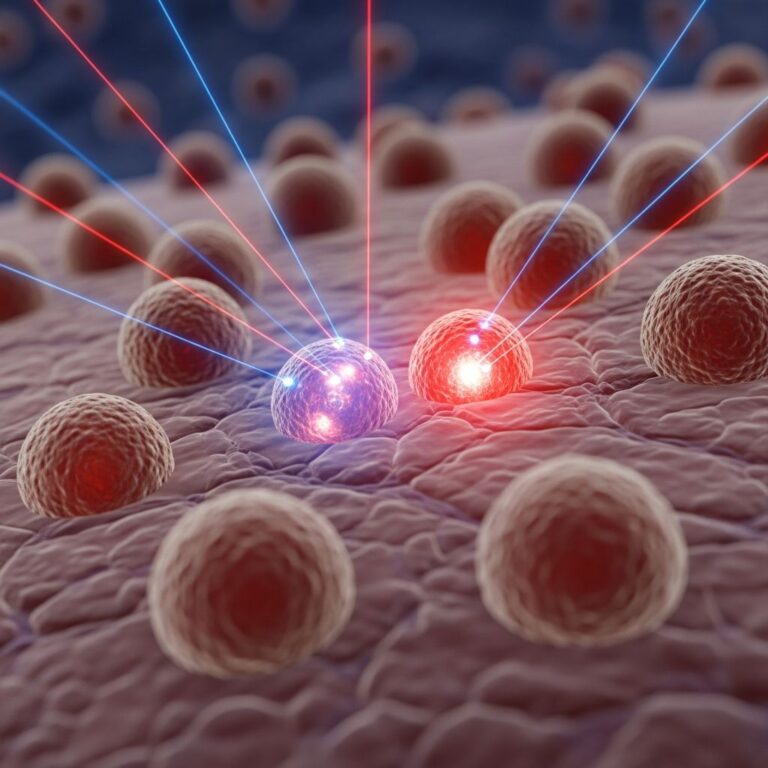
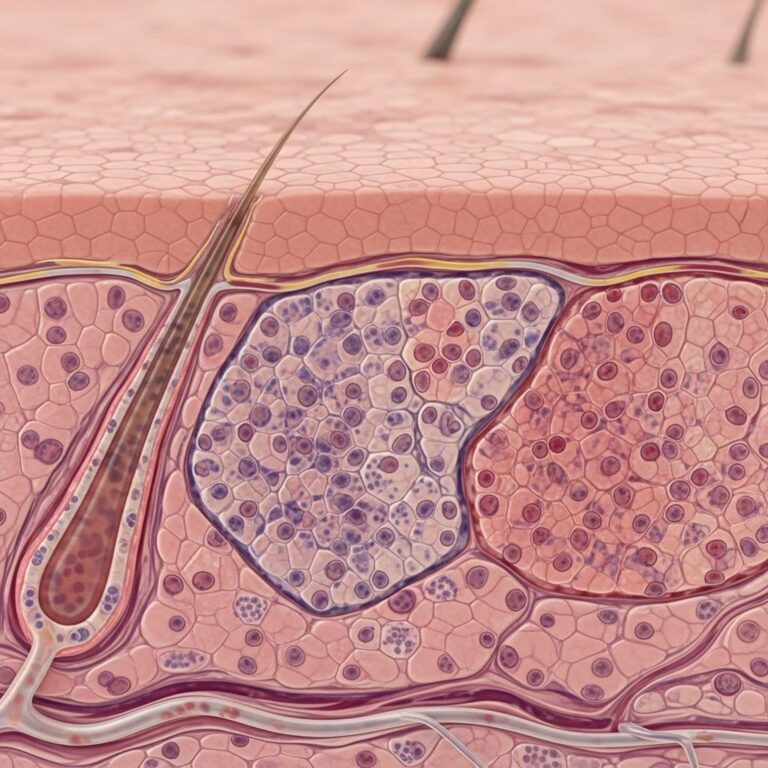
During initial exposure to a preservative, the immune system may not produce an obvious allergic reaction. You will not have an allergic reaction to a substance when you are first exposed to it, but rather will form a reaction after future exposures. The sensitization phase involves the presentation of the allergen to immune cells (Langerhans cells) in the skin, which process and present the antigen to T lymphocytes. This creates immunological memory.
Elicitation Phase
Upon re-exposure to the preservative allergen, the sensitized immune system responds rapidly, triggering a delayed hypersensitivity reaction. This phase results in the clinical manifestation of allergic contact dermatitis. Importantly, once you develop an allergy, you will be allergic for life, though the severity of reactions may vary over time.
Some individuals may tolerate a substance for years or even decades before developing clinically apparent allergy, making it difficult to identify the causative agent without proper testing.
Symptoms of Contact Allergy to Preservatives
Allergic contact dermatitis caused by preservatives presents with characteristic symptoms that help distinguish it from irritant contact dermatitis:
Typical Signs and Symptoms
- Very noticeable itchy rash, often with severe itching
- Red or darkened skin patches, typically symmetrical with clear borders
- Scaly or dry skin at the site of contact
- Leathery or cracked skin in chronic cases
- Skin shedding or peeling
- Blisters or pustules in severe reactions
- Swelling or edema of affected areas
Related Stories



Timeline of Symptom Onset
Symptoms typically appear within 12 to 48 hours after exposure, with the reaction often occurring in phases rather than all at once. The rash may persist for weeks after the exposure stops, even after discontinuing use of the offending product. This delayed response is a hallmark of allergic (as opposed to irritant) contact dermatitis and can make it challenging to identify the causative agent without careful history-taking and patch testing.
Common Products Containing Preservatives
Preservatives are ubiquitous in consumer products. Common items that contain allergens include:
| Product Category | Common Preservative Allergens | Typical Exposure Sites |
|---|---|---|
| Skincare Products | Parabens, formaldehyde, MI | Face, neck, hands, body |
| Cosmetics (makeup) | Parabens, fragrances, preservatives | Face, eyelids, lips |
| Hair Products | Parabens, formaldehyde | Scalp, neck, ears |
| Topical Medications | Preservatives in ointments and creams | Site of application |
| Deodorants | Fragrance, preservatives | Underarms, skin folds |
| Shampoos and Conditioners | MI, parabens, fragrances | Scalp, neck, hands |
Distinguishing Allergic from Irritant Contact Dermatitis
Although both types present with rashes, allergic and irritant contact dermatitis have distinct characteristics that can aid in diagnosis:
Allergic Contact Dermatitis features severe itching, appears in phases, presents with leathery or cracked skin, and occurs through a delayed immune response. Irritant Contact Dermatitis may involve burning or pain alongside itching, presents with dry, red, rough skin, and occurs through direct chemical damage rather than immune sensitization.
A board-certified allergist can perform patch testing to determine definitively whether your condition is triggered by an allergen or irritant, which is crucial for proper management.
Diagnosis of Preservative Allergies
Patch Testing
Patch testing is the gold standard for identifying contact allergens, including preservatives. During this test, small amounts of suspected allergens are applied to patches and placed on the skin (typically on the back) for 48 hours. The patches are then removed and the skin is assessed for reactions at 48 hours and again at 72–96 hours. A positive reaction (erythema, edema, or vesicles) indicates sensitization to that allergen.
Clinical History and Physical Examination
A detailed history of product use, timing of symptom onset, and distribution of the rash can provide valuable clues. The location of the dermatitis often corresponds to where the offending product is applied, aiding in identification of the causative agent.
Management and Prevention Strategies
Avoidance of Triggers
There is no cure for contact dermatitis – other than to avoid your trigger(s). Once you have been diagnosed with an allergy to a specific preservative, strict avoidance is essential. This requires careful label reading and awareness of alternative names for preservatives. For example, formaldehyde may be listed as “formaldehyde,” “formalin,” or as a “formaldehyde-releasing preservative.”
Selecting Appropriate Products
Individuals with documented preservative allergies should:
- Choose products labeled “preservative-free” or with alternative preservation systems
- Look for products specifically formulated for sensitive skin
- Perform patch tests on new products before widespread use
- Keep detailed records of products that cause reactions
- Consult with dermatologists about suitable product recommendations
Acute Management of Reactions
When a preservative allergy reaction occurs, management typically involves:
- Immediate cessation of the offending product
- Gentle cleansing with mild, fragrance-free products
- Application of fragrance-free moisturizers to support the skin barrier
- Use of topical corticosteroids as prescribed by a healthcare provider for inflammation reduction
- Oral antihistamines for severe itching
- In severe cases, systemic corticosteroids may be warranted
Special Considerations
Occupational Exposure
Individuals working in industries involving frequent contact with preservatives—such as cosmetics manufacturing, healthcare, or cleaning services—may develop occupational allergic contact dermatitis. Proper protective equipment and workplace modifications are essential for these populations.
Photoallergic Reactions
Some preservatives and fragrances may cause reactions only when skin is exposed to sunlight (photoallergic contact dermatitis). This includes certain sunscreens and cosmetic products. If symptoms develop primarily on sun-exposed areas after using a specific product, photoallergy should be considered.
Children and Preservative Allergies
Children develop allergic contact dermatitis from preservatives in baby care products, lotions, and wipes. Early identification and avoidance can prevent chronic sensitization and repeated reactions throughout life.
Frequently Asked Questions (FAQs)
Q: Can I develop an allergy to preservatives if I have never had one before?
A: Yes. Allergic sensitization can occur at any time with repeated exposure, even to products you have used for years without problems. Some people develop tolerance over time, while others become sensitized after prolonged use.
Q: Are “natural” preservatives safer than synthetic ones?
A: Not necessarily. Natural preservatives such as essential oils and plant extracts can also trigger allergic contact dermatitis in susceptible individuals. The allergenicity of a substance depends on its chemical structure and individual immune response, not whether it is natural or synthetic.
Q: How long does an allergic contact dermatitis reaction last?
A: The rash can develop within minutes to hours of exposure and typically lasts 2 to 4 weeks, even after discontinuing use of the offending product. Severe reactions may persist longer.
Q: Will switching to preservative-free products eliminate my symptoms?
A: If the preservative is your only allergen, switching to preservative-free products should help. However, some preservative-free products use alternative preservation methods or may still contain other allergens such as fragrances or botanical extracts. Always perform a patch test first.
Q: Can I test for preservative allergies at home?
A: While observation of reactions can be informative, formal patch testing by a dermatologist or allergist is more reliable for identifying specific preservative allergens and ruling out other causes of contact dermatitis.
References
- Common Causes of Allergic Contact Dermatitis — Peninsula Dermatology. 2024. https://peninsuladermatologyva.com/causes-of-allergic-contact-dermatitis/
- Contact Dermatitis — MedlinePlus Medical Encyclopedia, U.S. National Library of Medicine. 2024. https://medlineplus.gov/ency/article/000869.htm
- Contact Dermatitis: Types, Symptoms, Causes, and Treatment — Allergy & Asthma Network. 2024. https://allergyasthmanetwork.org/what-is-eczema/contact-dermatitis/
- Allergic Contact Dermatitis — StatPearls, National Center for Biotechnology Information (NCBI), U.S. National Institutes of Health. 2024. https://www.ncbi.nlm.nih.gov/books/NBK532866/
- Contact Dermatitis: Symptoms and Causes — Mayo Clinic. 2024. https://www.mayoclinic.org/diseases-conditions/contact-dermatitis/symptoms-causes/syc-20352742
- Contact Dermatitis – Causes — National Health Service (NHS). 2024. https://www.nhs.uk/conditions/contact-dermatitis/causes/
Similar Articles








Read full bio of medha deb