Contact Allergy to Cocamidopropyl Betaine
Understanding allergic contact dermatitis caused by cocamidopropyl betaine in shampoos, soaps, and personal care products.
Cocamidopropyl betaine (CAPB) is a widely used surfactant derived from coconut oil, prized for its foaming, cleansing, and thickening properties in personal care products. Despite its popularity, CAPB is a recognised cause of
allergic contact dermatitis
, a type IV delayed hypersensitivity reaction affecting sensitised individuals. This condition manifests as eczematous skin changes upon exposure, most commonly on the hands, face, and scalp from shampoos, conditioners, and body washes. Allergy prevalence reaches up to 6% in screened populations suspected of contact dermatitis, with higher rates among hairdressers due to occupational exposure.What is cocamidopropyl betaine?
**Cocamidopropyl betaine (CAPB)** is an amphoteric surfactant, meaning it carries both positive and negative charges, making it mild on skin while effectively reducing surface tension for better cleansing. Produced from coconut oil and dimethylaminopropylamine (DMAPA), CAPB appears as a viscous, colourless to pale yellow liquid with a pH of 5 6.
In manufacturing, impurities like
DMAPA
andcocamidopropyl dimethylamine (CAPA)
form, which are potent sensitisers responsible for most allergies attributed to CAPB. Pure CAPB is rarely allergenic; reactions stem from these contaminants, particularly when DMAPA levels exceed 0.1%. CAPB’s dual role as a surfactant and foam booster enhances product texture, explaining its ubiquity in consumer goods.Who gets cocamidopropyl betaine allergy (and why)?
CAPB allergy predominantly affects
women
due to higher usage of foaming personal care products, with a reported 6% diagnosis rate in Australian patch-tested patients suspected of contact allergy. Occupational risk is elevated inhairdressers
(up to 20 cases documented), where frequent hand contact with shampoos and dyes occurs.Children and those with atopic dermatitis may also react, as compromised skin barriers facilitate sensitisation. Initial irritant exposure can progress to allergy: one case showed delayed type IV dermatitis evolving into immediate type I urticaria upon re-exposure, confirmed by patch testing eliciting urticarial plaques within 10 minutes. Sensitisation arises from repeated low-level exposure, with impurities penetrating stratum corneum to activate T-cells.
Products containing cocamidopropyl betaine
CAPB’s versatility places it in diverse products. Common sources include:
- Shampoos and conditioners (anti-dandruff, baby, 2-in-1 varieties)
- Liquid soaps, body washes, and shower gels
- Facial cleansers, makeup removers, and wet wipes
- Bubble baths, hand sanitizers, and toothpastes
- Household items: spray cleaners, detergent wipes
Even “hypoallergenic” or “sensitive skin” labels on children’s products may contain CAPB, heightening risk despite marketing claims. Occupational exposures involve hair colours, perm solutions, and salon soaps.
Clinical features of cocamidopropyl betaine allergy
Allergic reactions present as
contact dermatitis
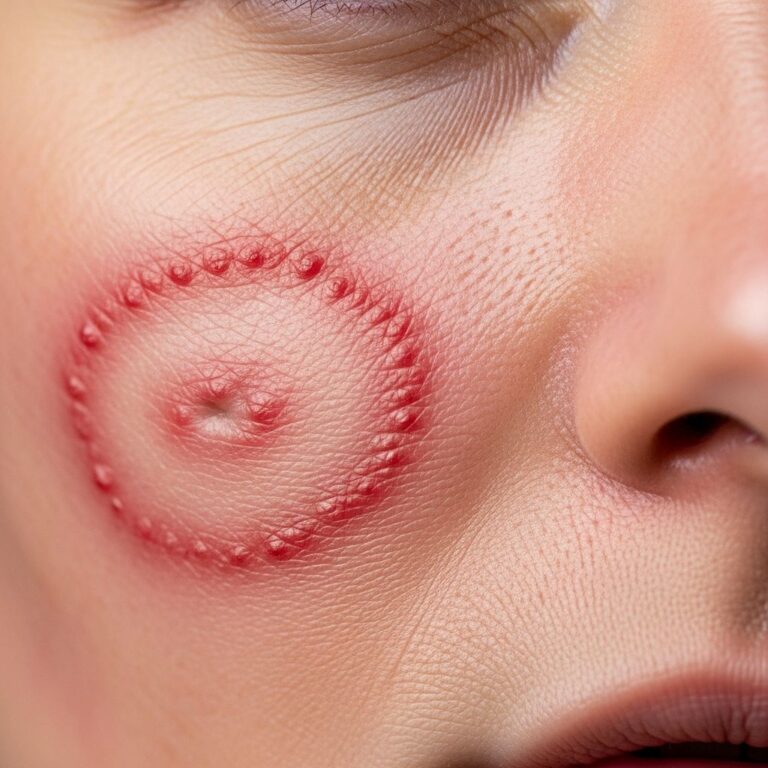
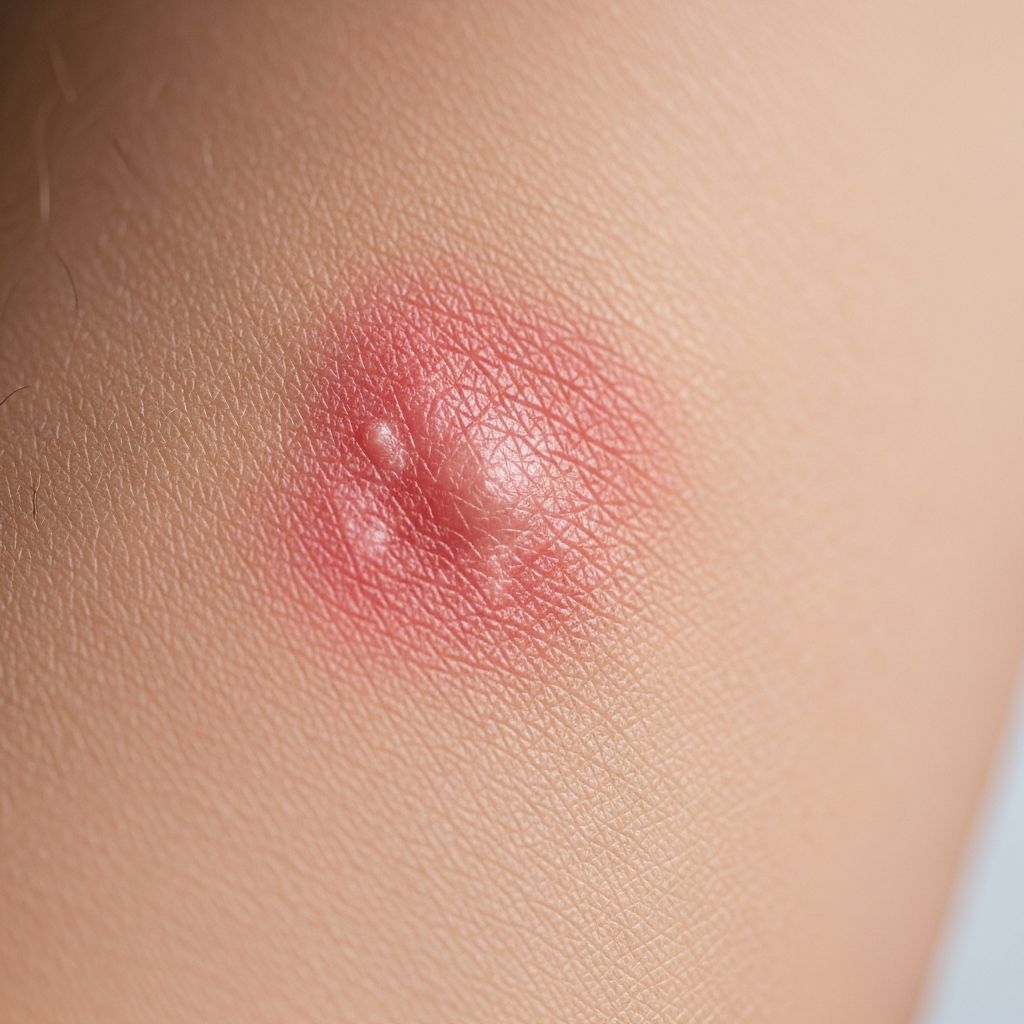
with:- Redness, scaling, and dryness
- Itching, burning, or stinging
- Blisters, swelling, or crusting in severe cases
Sites correspond to product use: scalp and neck from shampoos (perifollicular vesicles), eyelids and face from washes, hands from soaps. Symptoms emerge 12 72 hours post-exposure in type IV reactions but can be immediate (minutes) in type I urticaria. Hand eczema predominates in occupational cases, often with multiple allergies.
Related Stories



| Reaction Type | Onset | Symptoms | Mechanism |
|---|---|---|---|
| Type IV (Delayed) | 48 72 hours | Eczema, papules, erythema | T-cell mediated |
| Type I (Immediate) | Minutes hours | Urticaria, hives, pruritus | IgE/mast cell |
Diagnosis of cocamidopropyl betaine allergy
**Patch testing** by dermatologists confirms diagnosis, using CAPB 1% aqueous solution applied in chambers for 48 hours, read at days 2 and 4. Positive reactions show erythema, induration, or vesicles. Test related impurities (DMAPA 0.5%, CAPA 0.1%) due to frequent concomitant positives (e.g., 13/15 occupational cases to CAPA).
Irritant reactions occur in 39% of tests, complicating interpretation; true allergy affects ~1.3% screened. Patients should supply suspect products for ingredient checks or use-your-own testing. Differential includes irritant dermatitis or other allergens like fragrances.
Management of cocamidopropyl betaine allergy
- Avoidance: Discontinue all CAPB-containing products; reactions may persist weeks post-cessation.
- Treatment: Topical corticosteroids (e.g., hydrocortisone 1% mild, betamethasone severe) soothe inflammation. Emollients repair barrier; severe cases need oral steroids or antihistamines.
- Occupational: Gloves, product substitution; 10/15 cases resolved with avoidance.
For acute urticaria, oral antihistamines and epinephrine if anaphylactic risk.
What should you expect if allergic to cocamidopropyl betaine?
Strict avoidance prevents flares. Check labels for CAPB or aliases: cocamidopropyl betaine, cocamidopropyl betaineamphoacetate (via Environmental Working Group). Manufacturer websites list ingredients; pharmacists recommend alternatives like decyl glucoside surfactants.
Eczema clears in 2 4 weeks with treatment, but hand dermatitis may chronicise without compliance. Educate on cross-reactors (e.g., oleamidopropyl dimethylamine).
Related information
- Allergic contact dermatitis overview
- Patch testing guide
- Occupational hand eczema
- Surfactant allergies in cosmetics
Frequently Asked Questions
Is cocamidopropyl betaine natural and safe?
Derived from coconut, but impurities like DMAPA cause allergies; not inherently safe for all.
Can CAPB allergy cause hives?
Yes, type I urticaria reported, onset minutes post-exposure.
How to avoid CAPB in products?
Read labels, use apps like EWG’s Skin Deep, consult dermatologists/pharmacists.
Is patch testing painful?
Mild discomfort; positive sites itch mildly.
Do hypoallergenic products contain CAPB?
Yes, often; check ingredients.
References
- Acute Contact Urticaria Due To Use of Cocamidopropyl Betaine-Containing Products Confirmed with Patch Testing Practical Dermatology. 2024. https://practicaldermatology.com/topics/other-dermatology/acute-contact-urticaria-due-to-use-of-cocamidopropyl-betaine-containing-products-confirmed-with-patch-testing/24218/
- Occupational contact allergy to cocamidopropyl betaine and its impurities Contact Dermatitis (Wiley). 2012-06-20. https://onlinelibrary.wiley.com/doi/abs/10.1111/j.1600-0536.2011.02036.x
- Contact allergy to cocamidopropyl betaine PubMed (Contact Dermatitis). 1996. https://pubmed.ncbi.nlm.nih.gov/8706401/
- Contact Allergy to Cocamidopropyl Betaine DermNet NZ. 2023. https://dermnetnz.org/topics/contact-allergy-to-cocamidopropyl-betaine
Similar Articles








Read full bio of medha deb