Contact Allergy to Limonene and Linalool
Understanding allergic contact dermatitis from oxidized limonene and linalool hydroperoxides in everyday products.
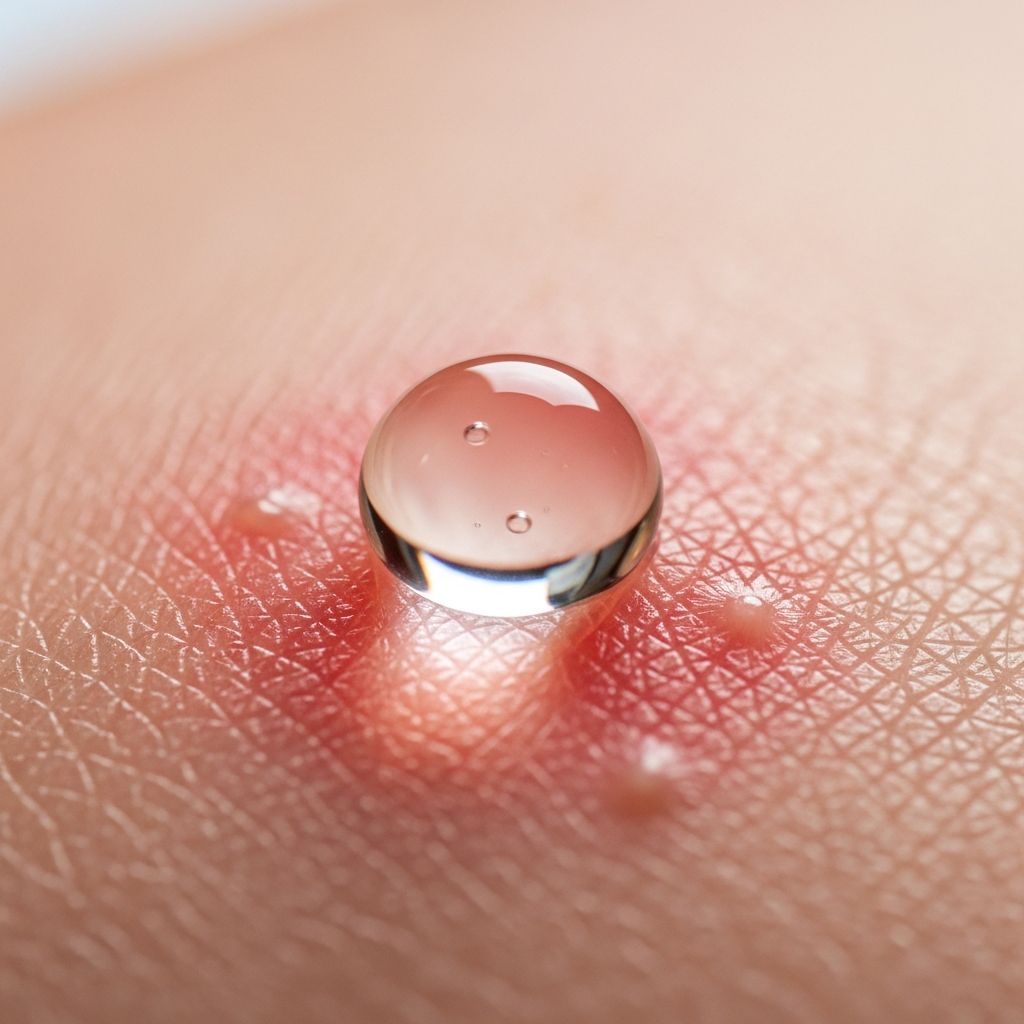
Limonene and linalool are widely used fragrance chemicals in personal care products, cleaning agents, and household items. While they are generally safe, exposure to air causes them to oxidize into hydroperoxides, which are strong skin sensitizers leading to allergic contact dermatitis (ACD). This condition affects a significant portion of patients evaluated for dermatitis, with prevalence rates up to 7% for oxidized linalool and 5.1% for oxidized limonene.
What are limonene and linalool?
Limonene is a naturally occurring terpene extracted primarily from the peel of citrus fruits such as oranges, lemons, and grapefruits. Linalool, another terpene, is derived from herbs, flowers, and woods like lavender, coriander, and rosewood. Both are added to products for their pleasant citrusy or floral scents and are listed on ingredient labels as limonene and linalool.
These compounds are not potent allergens in their pure form but become highly sensitizing upon oxidation. Air exposure, especially in opened containers, transforms them into limonene hydroperoxide (Lim-OOH) and linalool hydroperoxide (Lin-OOH). Studies confirm hydroperoxides as primary culprits in fragrance-related ACD, with sensitization occurring through repeated skin contact.
Prevalence of contact allergy
Contact allergy to these oxidized forms is increasingly common. In one study of patients patch-tested for suspected dermatitis, 10% showed positive reactions to limonene and linalool hydroperoxides. Allergy is more prevalent in women and individuals over 40 years old. Multicenter data report 7.0% prevalence for oxidized linalool and 5.1% for oxidized limonene, with rising trends over time. Affected patients are often younger than those allergic to other fragrances and predominantly female, though strong reactions link to older age and multiple fragrance sensitivities.
Over 95% of reactions appear on day 3 or 4 of patch testing, highlighting the delayed hypersensitivity nature of type IV allergic reactions. Sensitization may go unnoticed initially with fresh products but manifests after oxidation in older, opened packages—such as holiday toiletries.
Who is at risk?
Anyone using products containing limonene or linalool risks sensitization, particularly those with frequent exposure via cosmetics, cleaners, or air fresheners. Women applying fragranced lotions, shampoos, or perfumes daily are at higher risk due to cumulative contact on hands, face, and body. Individuals over 40 may experience stronger reactions, possibly due to thinner skin or prolonged exposure history.
Atopic individuals or those with prior fragrance allergies face elevated risk, as cross-reactivity can occur. Occupational exposure in cleaning, hairdressing, or manufacturing heightens susceptibility.
What causes the allergy?
Allergy arises from oxidation: limonene and linalool react with oxygen, forming hydroperoxides that penetrate the skin barrier and bind to proteins, triggering an immune response. This T-cell mediated reaction causes ACD upon re-exposure. Prohaptens like these activate in air or skin via enzymatic processes, leading to hapten-protein complexes that sensitize Langerhans cells.
Factors accelerating oxidation include light, heat, and metal ions in formulations. Once sensitized, even trace amounts (parts per million) in everyday products elicit dermatitis.
What are the clinical features of contact allergy to limonene and linalool hydroperoxides?
Sensitized individuals develop ACD wherever hydroperoxides contact skin. Common sites include:
Related Stories



- Hands (from soaps, detergents, wipes)
- Face (creams, makeup, cleansers)
- Armpits and groin (deodorants, wet wipes)
- Feet (shoes, insoles)
- Lips (toothpastes, lip balms)
- Eyelids (shampoos, airborne contact)
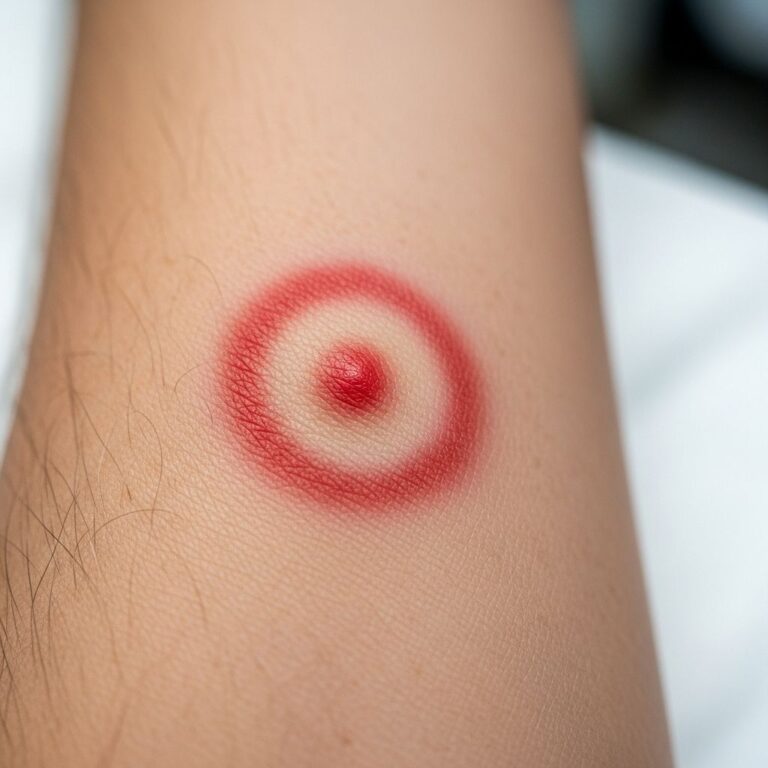
The rash typically presents as:
- Red, inflamed, itchy, and scaly
- Occasionally vesicular or exudative
- Persistent, sometimes spreading beyond contact site
Symptoms may include burning, stinging, or swelling. Severe cases mimic systemic reactions but remain localized to contact areas. Chronic exposure leads to lichenified, thickened skin.
How is the diagnosis made?
Patch testing is the gold standard for confirming allergy. Hydroperoxides are tested at 0.3% in petrolatum, included in baseline series by many clinics. Positive reactions (++ or +++) read at 48 and 96 hours indicate sensitization. Day 3/4 readings capture most cases.
| Allergen | Concentration | Vehicle | Reaction Reading |
|---|---|---|---|
| Limonene hydroperoxide | 0.3% | Petrolatum | D2, D3/D4 |
| Linalool hydroperoxide | 0.3% | Petrolatum | D2, D3/D4 |
Clinical relevance is determined by correlating positive tests with product use. ROAT (repeated open application test) confirms elicitation at real-life concentrations, though rarely positive except at high doses. Differential diagnoses include irritant dermatitis, other fragrance allergies, or preservatives like MCI/MI.
What products contain limonene and linalool?
These allergens appear in thousands of products, often undeclared beyond INCI listings. Common sources:
- Cosmetics: Perfumes, aftershaves, deodorants, shampoos, conditioners, hair sprays, styling products, moisturizers, foundations, sunscreens
- Cleaning products: Dishwashing liquids, laundry detergents, surface cleaners, toilet cleaners
- Personal care: Wet wipes, hand sanitizers, toothpastes, mouthwashes, feminine hygiene products
- Household: Air fresheners, candles, polishes, paints
- Others: Toys, adhesives, rubber products, citrus-based cleaners
Check labels for limonene and linalool. Oxidized forms in aged products pose highest risk.
Can patch testing be falsely positive or negative?
Edge reactions or irritancy may mimic positives, requiring experienced interpretation. False negatives occur if test concentrations are too low or reading timing misses peak response. Phototoxicity from prior sun exposure or immunosuppressants can alter results. Controls and repeat testing ensure accuracy.
What is the treatment?
Primary management is strict avoidance:
- Read labels; avoid listed ingredients
- Use ‘fragrance-free’ or hypoallergenic products
- Wear gloves for wet work
- Discard opened suspect products
Topical corticosteroids (e.g., hydrocortisone 1% mild; potent for severe) reduce inflammation. Emollients restore barrier. Oral antihistamines alleviate itch. Severe cases may need short systemic steroids. Calcineurin inhibitors suit sensitive areas like eyelids.
What is the prognosis?
With avoidance, most improve within weeks, though chronic changes like hyperpigmentation or lichenification may persist. Resensitization risks remain from trace exposures. Long-term, sensitized individuals must vigilantly scan ingredients, as these allergens are ubiquitous.
Frequently Asked Questions (FAQs)
Q: Are limonene and linalool safe in fresh products?
A: Yes, pure forms rarely sensitize, but oxidation over time creates potent allergens. Use freshly opened products and store airtight.
Q: Can I still use essential oils?
A: Avoid citrus or lavender oils containing these; opt for diluted, fresh batches if tolerated, but patch test first.
Q: Is airborne contact possible?
A: Yes, volatile hydroperoxides from cleaners or air fresheners can affect eyelids or face.
Q: How common is cross-reactivity?
A: Possible with other terpenes or fragrances; patch test comprehensively.
Q: What if symptoms persist despite avoidance?
A: Re-evaluate with dermatologist for co-allergens or intrinsic factors.
References
- Contact allergy to oxidized linalool and oxidized limonene: Patch test results from nine centers — Nater, J. et al. 2021-10-01. https://onlinelibrary.wiley.com/doi/10.1111/cod.13980
- Contact allergy to oxidized linalool and oxidized limonene — PubMed. 2021-09-22. https://pubmed.ncbi.nlm.nih.gov/34561893/
- Contact allergy to hydroperoxides of limonene and linalool — DermNet NZ. 2024. https://dermnetnz.org/topics/contact-allergy-to-limonene-and-linalool
- Allergic Contact Dermatitis to Linalool Hydroperoxides: Pitfalls in the Diagnostic Process — Contact Dermatitis Journal. 2024. https://www.contactderm.org/UserFiles/Dermatitis/Articles%20of%20the%20Year/2024/AllergicContactDermatitistoLinaloolHydroperoxidesPitfallsintheDiagnosticProcessFindings.pdf
- A Whiff of Trouble: Navigating Allergic Contact Dermatitis to Fragrance — The Hospitalist. 2023. https://blogs.the-hospitalist.org/content/whiff-trouble-navigating-allergic-contact-dermatitis-fragrance
Similar Articles








Read full bio of Sneha Tete