Contact Allergy to Octyl Glucoside
Understanding octyl glucoside contact allergies, diagnosis, and management strategies.
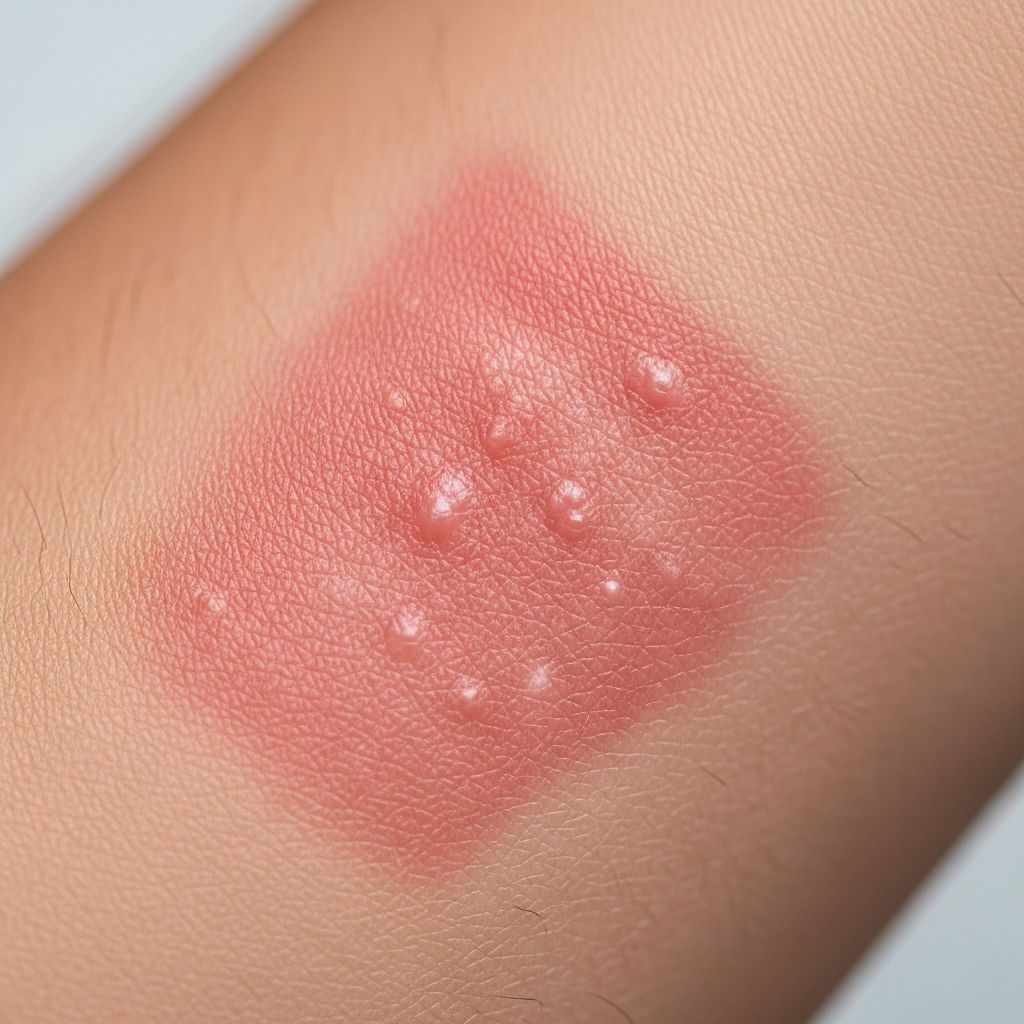
Contact Allergy to Octyl Glucoside: A Comprehensive Overview
Contact allergic dermatitis resulting from octyl glucoside exposure represents a growing concern in dermatological practice. This condition typically develops through exposure to cosmetic, personal care, and skin-care products containing this chemical compound. Octyl glucoside, despite being synthesized from natural products, remains a potent allergen capable of triggering significant cutaneous reactions in sensitized individuals. Understanding this allergen, recognizing risk factors, and implementing appropriate diagnostic and management strategies are essential for healthcare providers and affected patients alike.
What Is Octyl Glucoside?
Octyl glucoside belongs to the family of alkyl glucosides, a class of surfactants and emulsifiers widely utilized in the cosmetic and personal care industry. These compounds function as cleansing agents and stabilizers in numerous formulations. The alkyl glucoside family includes several members, such as decyl glucoside, lauryl glucoside, cetearyl glucoside, and coco glucoside, each with varying sensitizing potentials. Octyl glucoside is particularly prevalent in products designed to cleanse, emulsify, or condition the skin.
A critical point regarding octyl glucoside is that its synthesis from natural or ecologically derived sources does not reduce its allergenic potential. Products labeled as “natural” or “ecologically derived” may still contain this allergen, potentially misleading consumers who believe natural origins equate to hypoallergenic properties.
Sources and Exposure Routes
Occupational exposure and consumer product use represent the primary routes of contact with octyl glucoside. The following sources are commonly implicated:
- Cosmetic formulations including foundations, cleansers, and serums
- Personal care products such as shampoos, conditioners, and body washes
- Skin-care products including moisturizers and therapeutic preparations
- Cleaning agents and detergents used in domestic and occupational settings
Certain occupations carry elevated risk due to increased or prolonged exposure. Dishwashing and hairdressing represent occupations with particularly high exposure potential, as workers in these fields frequently contact products containing alkyl glucosides. Healthcare workers, industrial cleaners, and cosmetics handlers may also experience elevated exposure.
Risk Factors for Developing Contact Allergy
Not all individuals who encounter octyl glucoside develop allergic contact dermatitis. Certain predisposing factors increase susceptibility to sensitization:
- History of other contact allergies indicating heightened cutaneous reactivity
- Presence of atopic dermatitis (eczema), which compromises skin barrier function
- Occupational exposure through dishwashing or hairdressing professions
- Impaired epidermal barrier function from any cause
- Repeated or prolonged contact with alkyl glucoside-containing products
Individuals with pre-existing atopic dermatitis face particular vulnerability, as their compromised skin barrier facilitates allergen penetration and sensitization. Additionally, those with documented contact allergies to other substances demonstrate increased immune reactivity and cross-reactivity potential.
Clinical Presentation and Symptoms
Contact allergic dermatitis from octyl glucoside manifests as an eczematous reaction at sites of product contact. Clinical features typically include:
- Erythema (redness) at contact sites
- Pruritus (itching) ranging from mild to severe
- Vesiculation or small blister formation in acute cases
- Scaling and lichenification with chronic exposure
- Edema (swelling) in affected areas
- Potential spread beyond the initial contact site
The distribution pattern often correlates with product application areas. Facial dermatitis may develop from cosmetic use, hand eczema from dishwashing or cleaning product exposure, and localized reactions from targeted skin-care application.
Diagnosis: Patch Testing Protocol
Patch testing represents the gold standard for confirming contact allergy to octyl glucoside and related alkyl glucosides. This diagnostic procedure, performed by dermatologists, involves controlled allergen exposure under standardized conditions.
Patch Testing Procedure
The typical patch testing protocol proceeds as follows:
- Dilute allergens are applied to the patient’s skin, typically on the back
- Allergens are maintained in contact with skin for approximately 48 hours under occlusion
- Initial patch removal occurs after 48 hours, with preliminary assessment
- Follow-up examination occurs 96 hours (4 days) after initial application
- Dermatologists grade cutaneous reactions according to standardized scales
The patch testing concentration for alkyl glucosides, including octyl glucoside, is typically 5% in petrolatum. However, concentrations vary among specific glucosides: decyl and cetearyl glucoside are tested at 5%, while lauryl glucoside requires 3% concentration. This variation reflects differences in irritancy and sensitizing potential among family members.
Cross-Reactivity Considerations
An important aspect of patch testing involves recognizing potential cross-reactivity among alkyl glucosides. While allergy to one glucoside variant may correlate with reactivity to structurally similar compounds, cross-reactivity is not automatic or universal. Some patients react exclusively to specific glucosides while tolerating others well. Therefore, comprehensive testing of multiple alkyl glucosides from a “cosmetics series” is essential when contact allergy to any glucoside is suspected.
Differentiation from Irritant Reactions
Allergic contact dermatitis differs fundamentally from irritant contact dermatitis in both mechanism and clinical significance. Allergic contact dermatitis represents a delayed-type hypersensitivity reaction requiring prior sensitization and specific immune response. In contrast, irritant contact dermatitis results from direct cytotoxic effects of substances and occurs to varying degrees in most individuals regardless of prior exposure.
While patch testing concentrations of alkyl glucosides occasionally produce mild irritation, properly standardized concentrations demonstrate minimal irritancy potential. This distinction is clinically important, as true allergic reactions warrant avoidance strategies, whereas mild irritancy may be manageable through modified exposure.
Treatment and Management Strategies
Primary Treatment Approach
The cornerstone of managing contact allergy to octyl glucoside is complete avoidance of the offending allergen. Unlike some allergic conditions for which desensitization is possible, contact allergies typically require lifelong avoidance once established. This approach fundamentally differs from treating the resulting dermatitis.
Product Selection and Labeling
Successfully avoiding octyl glucoside requires careful attention to product labeling. Patients should:
- Read ingredient lists meticulously on all cosmetic and personal care products
- Recognize octyl glucoside under both this name and potential synonyms
- Recognize related alkyl glucosides that may pose cross-reactivity risk
- Understand that “natural” or “ecologically derived” labels do not guarantee absence of octyl glucoside
- Request ingredient information from manufacturers when labels are unclear
Individual constituent labeling of personal care products significantly aids in identifying suspect formulations. However, regulatory requirements for ingredient disclosure vary by jurisdiction, requiring patients to be proactive consumers.
Treatment of Resulting Dermatitis
Once contact allergy is confirmed and the allergen avoided, symptomatic treatment addresses the inflammatory response. Management of allergic contact dermatitis from any cause typically includes:
- Topical corticosteroids of appropriate potency for affected areas
- Emollients and barrier repair products to restore skin function
- Antihistamines for symptomatic pruritus management
- Systemic corticosteroids in severe, widespread cases
- Wet dressings or compresses for acute exudative stages
For detailed information on specific dermatitis treatment approaches, consultation with dermatologists specializing in allergic contact dermatitis is recommended.
Epidemiology and Clinical Significance
Research data indicate that alkyl glucosides, including octyl glucoside, demonstrate sensitizing potential higher than historically expected. Studies examining patch test reactions reveal substantial rates of sensitization to various alkyl glucosides in diverse populations. This finding has prompted increased clinical awareness and more routine inclusion of these compounds in dermatological screening panels.
The prevalence of contact allergy to specific alkyl glucosides varies geographically and may reflect different product usage patterns and regulatory standards across regions. Occupational groups with significant product exposure demonstrate elevated prevalence compared to general populations.
Frequently Asked Questions
Q: Can octyl glucoside allergy develop after years of product use?
A: Yes, allergic sensitization can develop at any point despite prolonged prior use. Sensitization is an immunologic process that may occur suddenly even after extensive prior exposure without reaction, though sensitization typically occurs with repeated exposure over time.
Q: Are all alkyl glucosides equally likely to cause allergic reactions?
A: No, different alkyl glucosides demonstrate varying sensitizing potentials. Decyl glucoside, lauryl glucoside, cetearyl glucoside, and coco glucoside account for most reported cases. Importantly, the length of the alcohol chain does not appear to significantly affect sensitizing potential.
Q: If I’m allergic to one alkyl glucoside, must I avoid all others?
A: Not necessarily. While cross-reactivity can occur, it is not automatic. Individual patch testing to specific glucosides is necessary to determine which compounds should be avoided by each patient.
Q: How can I identify octyl glucoside in product formulations?
A: Check ingredient lists carefully for “octyl glucoside” or related terms. Since ingredients must be listed, reviewing labels before purchase is essential. When uncertain, contact manufacturers directly for complete formulation information.
Q: Is patch testing safe for diagnosing octyl glucoside allergy?
A: Yes, properly performed patch testing with standardized concentrations is safe and represents the gold standard diagnostic method. Dermatologists are trained to perform and interpret these tests appropriately.
Q: Can octyl glucoside allergy be cured or desensitized?
A: Once allergic sensitization develops, it is typically permanent. Management focuses on allergen avoidance rather than cure. Desensitization protocols are not established or recommended for contact allergies.
References
- Contact Allergic Reactions to Cosmetics — National Center for Biotechnology Information (NCBI), National Institutes of Health. 2011-04-15. https://pmc.ncbi.nlm.nih.gov/articles/PMC3065000/
- Contact Dermatitis Caused by Alkyl Glucosides in the Modern Cosmetic and Cleansing Product Era — McGill University eScholarship. 2013. https://escholarship.mcgill.ca/downloads/jh343v46r
- Contact Allergy to Octyl Glucoside — DermNet New Zealand. https://dermnetnz.org/topics/contact-allergy-to-octyl-glucoside
- Alkyl Glucosides in Contact Dermatitis — Sage Journals, Dermatitis. https://journals.sagepub.com/doi/10.1097/DER.0000000000000240
- Contact Allergy to Preservatives and Emulsifiers in Patients With or Without Hand Eczema — Wiley Online Library. 2024. https://onlinelibrary.wiley.com/doi/10.1111/cod.70036
Similar Articles






Read full bio of medha deb