Contact Allergy To Propylene Glycol: Symptoms, Diagnosis, Care
Understanding propylene glycol allergy: causes, symptoms, diagnosis, and management strategies for this common contact allergen.
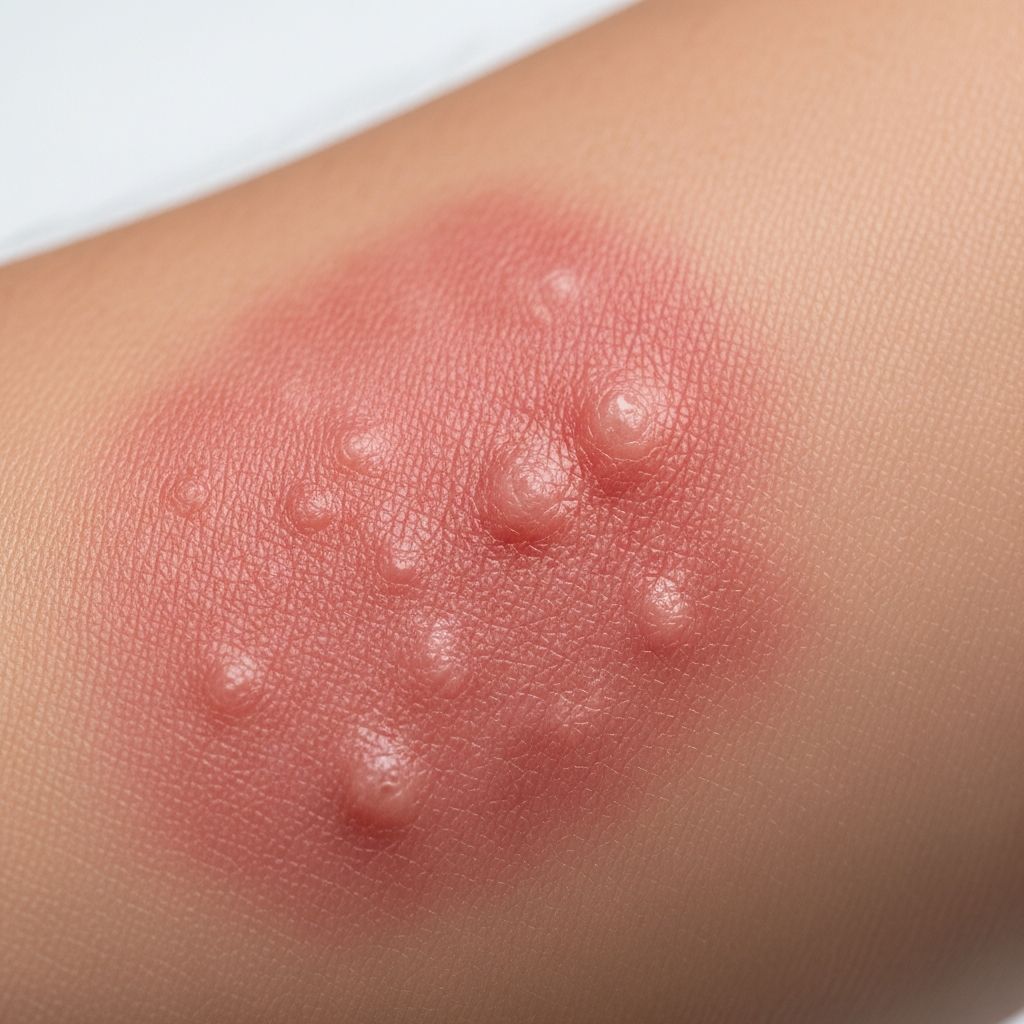
**Propylene glycol (PG)** is a widely used synthetic organic compound functioning as a humectant, solvent, and preservative in cosmetics, pharmaceuticals, foods, and industrial products. While generally safe, it can trigger
allergic contact dermatitis (ACD)
in sensitized individuals, though true allergy is relatively uncommon compared to irritant reactions.What is Propylene Glycol?
Propylene glycol, chemically known as 1,2-propanediol, is a colourless, odourless, viscous liquid derived from petroleum. It excels at retaining moisture, dissolving active ingredients, and enhancing product texture, making it indispensable in formulations. PG is generally recognized as safe (GRAS) by regulatory bodies for food use but poses challenges in topical applications due to its dual role as both an irritant and weak sensitizer.
- Common uses: Topical medications (e.g., corticosteroids), moisturizers, shampoos, sunscreens, oral medications, processed foods (as E1520), and antifreeze.
- Prevalence in products: Found in 64% of topical corticosteroids, especially ointments and gels.
Who Gets Contact Allergy to Propylene Glycol?
Contact allergy to PG affects up to
3.5%
of patients tested for suspected contact dermatitis, with lower rates (0.3-1.6%) in large cohorts. It is more prevalent in individuals withcompromised skin barriers
, such as those with atopic dermatitis, stasis dermatitis, or chronic hand dermatitis.- Atopic patients at highest risk due to impaired barrier function facilitating sensitization.
- Occupational exposure rarer, reported in printing, mechanical, and motor vehicle industries.
- Prevalence data: NACDG reported 3.5% positive patch tests (1996-2006), dropping to 2.1% later; UBC clinic 1.57%; Australian SHI 0.31% (2005-2020).
PG is a
weak allergen
, negative in standard predictive tests (e.g., LLNA, guinea pig maximization) but positive in human patch tests under certain conditions.Clinical Features of Contact Reactions to Propylene Glycol
Skin reactions to PG span irritant and allergic mechanisms, complicating diagnosis.
Allergic contact dermatitis
manifests as erythematous, eczematous patches at contact sites, typically after 48-96 hours.- Common sites: Face (most frequent), hands, eyelids, generalized patterns.
- Other reactions: Irritant contact dermatitis (stinging, dryness), contact urticaria, sensory irritation (burning).
- Severe/rare:
Systemic contact dermatitis
from oral ingestion (rash 3-16 hours post-exposure), seen in foods like breads, canned goods, fast food.
Often emerges secondarily after treating primary dermatitis (e.g., with PG-containing steroids), creating a diagnostic loop.
How is Contact Allergy to Propylene Glycol Diagnosed?
**Patch testing** remains the gold standard, though PG’s irritant potential confounds results. Recommended concentrations: 30% aqueous (NACDG standard) or 5-10% petrolatum/aqueous.
| Ingredient | Day 3 (48h) | Day 7 |
|---|---|---|
| Propylene glycol 30% aq. | ++ | ++ |
| Example other allergens | Varies | Varies |
(Adapted from NACDG case; ++ = strong positive).
- Challenges: Weak positives (?+ ) may be irritant; requires serial dilutions, ROAT (repeat open application test), or oral challenge for confirmation.
- Reading times: Days 2, 4, 7; persistent reactions favor allergy.
- Cosensitization: Common with corticosteroids (e.g., budesonide), lanolin; PG in 64% of steroid products.
In one Australian series, 42.9% of positives were clinically relevant, mostly from topical medicaments (77.8%).
Related Stories



What is the Treatment for Contact Allergy to Propylene Glycol?
Treatment centers on
avoidance
and symptomatic relief. Discontinue PG-containing products; skin improves within weeks.- Topical therapy: Use PG-free emollients, low-potency steroids (check ingredients).
- Severe cases: Oral corticosteroids, calcineurin inhibitors, phototherapy.
- Systemic dermatitis: Avoid oral PG sources; monitor for flare.
Consult pharmacists for PG-free medications. Dermatologist guidance essential for highly sensitive patients.
What is the Likely Outcome of Contact Allergy to Propylene Glycol?
Prognosis is excellent with strict avoidance; dermatitis resolves without scarring. However, ubiquitous exposure risks persistent or recurrent flares. Long-term management requires vigilant label reading and alternative product selection. Tolerance may develop rarely, but resensitization possible.
Prevention of Contact Allergy to Propylene Glycol
Prevention focuses on minimizing exposure in at-risk groups (atopics, damaged skin).
- Use fragrance-free, PG-free products with full ingredient lists.
- Patch test new topicals if history of dermatitis.
- For occupational: Gloves, ventilation.
- Regulatory: Optimal patch test standards needed to balance sensitivity/irritancy.
Frequently Asked Questions (FAQs)
Is propylene glycol safe for skin?
Generally yes, but can irritate or allergize compromised skin. True ACD rare (≤3.5%).
How common is PG allergy?
0.3-3.5% in patch-tested patients; higher in atopics.
What products contain PG?
Cosmetics (53.8%), topical steroids, moisturizers, foods (E1520), meds.
Can PG allergy cause systemic rash?
Yes, rarely from ingestion (3-16h onset).
How to confirm PG allergy?
Patch test 10-30% aq./pet., confirm with ROAT/oral challenge if weak.
Are there PG-free steroids?
Yes; check labels (e.g., avoid common ointment bases).
Related Reading
- Allergic contact dermatitis
- Patch testing
- Atopic dermatitis
- Irritant contact dermatitis
References
- Propylene glycol, skin sensitisation and allergic contact dermatitis — Basketter DA, et al. Contact Dermatitis. 2023-01-23. https://pubmed.ncbi.nlm.nih.gov/36702195/
- Propylene Glycol: Allergic Contact Dermatitis and Topical Corticosteroids — Skin Therapy Letter. 2012. https://www.skintherapyletter.com/allergic-contact-dermatitis/propylene-glycol/
- Allergic contact dermatitis from propylene glycol: A case series from a tertiary hospital 2005–2020 — Koh HY, et al. Contact Dermatitis. 2023. https://pubmed.ncbi.nlm.nih.gov/37100088/
- Contact Allergy to Propylene Glycol — DermNet NZ. Updated 2023. https://dermnetnz.org/topics/contact-allergy-to-propylene-glycol
- And the Allergen Winner Is: Propylene Glycol! — Contemporary Clinic. 2013-09-16. https://www.contemporaryclinic.com/view/and-the-allergen-winner-is-propylene-glycol
Similar Articles








Read full bio of Sneha Tete