Contact Dermatitis Quiz: Test Your Knowledge
Challenge yourself with this engaging quiz on contact dermatitis to uncover facts about irritant and allergic reactions, symptoms, and prevention strategies.
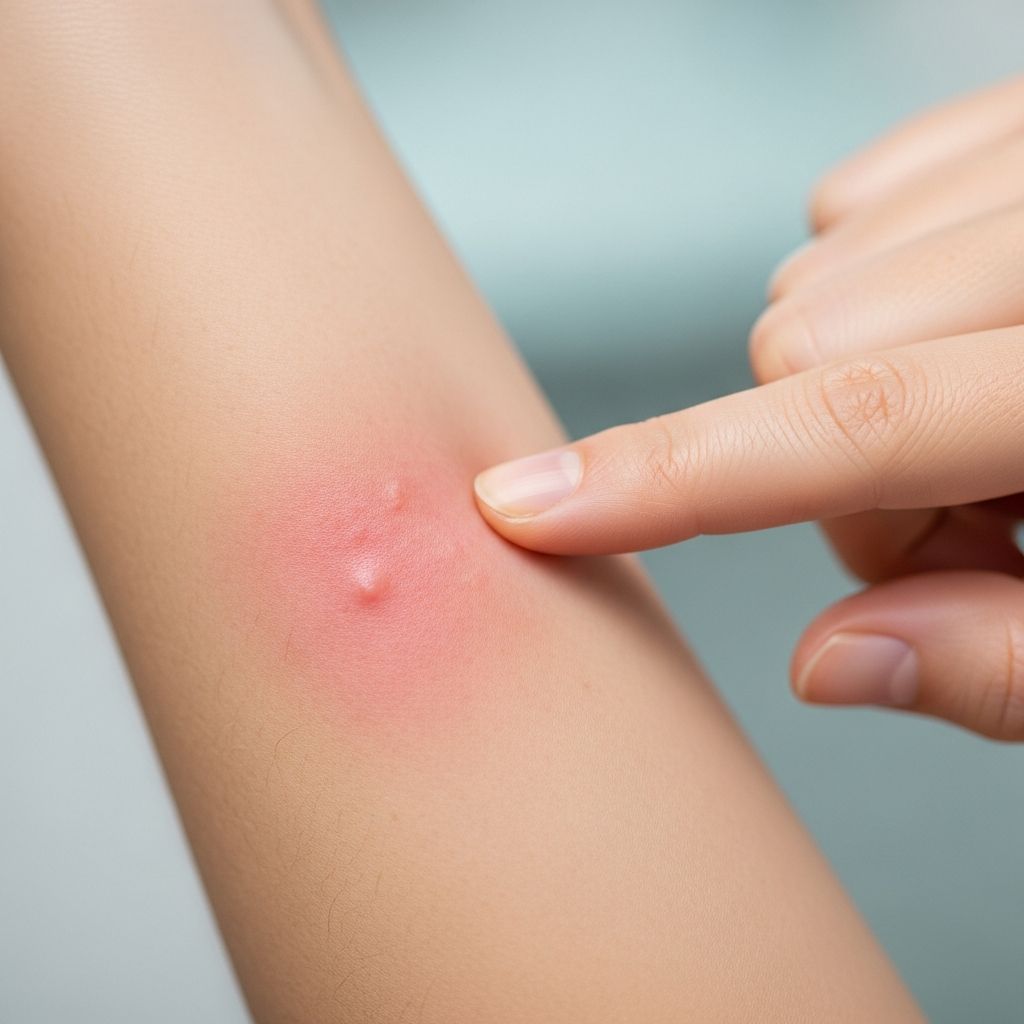
Understanding contact dermatitis is crucial for anyone dealing with persistent skin issues. This condition arises when the skin encounters substances that provoke irritation or allergic responses, leading to uncomfortable rashes and inflammation. Whether you’re experiencing itchy patches or wondering about everyday triggers, this article presents an interactive quiz-inspired exploration to build your expertise. We’ll cover definitions, causes, symptoms, diagnosis, treatment, and prevention in a structured way, drawing from reliable medical insights to empower you with actionable knowledge.
Defining Contact Dermatitis and Its Core Types
Contact dermatitis represents a prevalent skin disorder triggered by direct exposure to external agents. It manifests as an inflammatory reaction confined primarily to the contact site, distinguishing it from widespread conditions like atopic dermatitis.Two primary variants exist: irritant contact dermatitis and allergic contact dermatitis, each with unique mechanisms and triggers.
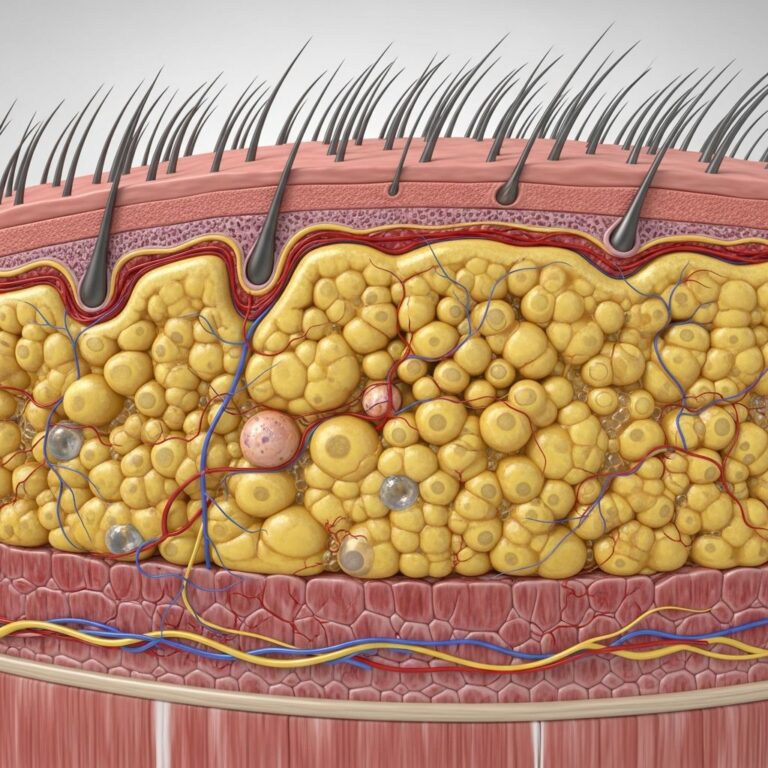
Irritant contact dermatitis develops when harsh substances compromise the skin’s protective barrier. This non-immune response occurs rapidly, often within minutes to hours of exposure. It accounts for approximately 80% of cases and stems from cumulative damage by everyday items. Common culprits erode the outer skin layer, prompting cytokine release and barrier disruption.
In contrast, allergic contact dermatitis involves a delayed immune-mediated process. Initial exposure sensitizes the body without symptoms, but subsequent contacts activate T-cells, causing inflammation 24-72 hours later. This type demands prior sensitization, making it trickier to pinpoint triggers.
Common Culprits Behind Skin Reactions
Identifying triggers is foundational to managing contact dermatitis. Irritants and allergens permeate daily life, from household cleaners to personal care items.
Triggers for Irritant Contact Dermatitis
- Cleaning agents: Soaps, detergents, and bleach strip natural oils, especially with frequent use like handwashing.
- Industrial chemicals: Solvents, acids, alkalis, and oils in machining heighten risk for workers.
- Personal care products: Even ‘natural’ lotions or sanitizers can dry and inflame skin.
- Environmental factors: Hard water, plants, dust, and friction exacerbate damage.
Triggers for Allergic Contact Dermatitis
- Metals: Nickel in jewelry or cobalt provoke reactions upon re-exposure.
- Cosmetics: Fragrances, preservatives like parabens, and hair dyes are frequent offenders.
- Rubber and latex: Found in gloves and adhesives, these elicit T-cell responses.
- Medicines: Topical antibiotics like neomycin or corticosteroids rarely sensitize.
| Type | Examples | Onset Time | Mechanism |
|---|---|---|---|
| Irritant | Soap, bleach, solvents | Minutes to hours | Direct barrier damage |
| Allergic | Nickel, fragrances, latex | 24-72 hours | Immune sensitization |
Recognizing the Signs: Symptoms Breakdown
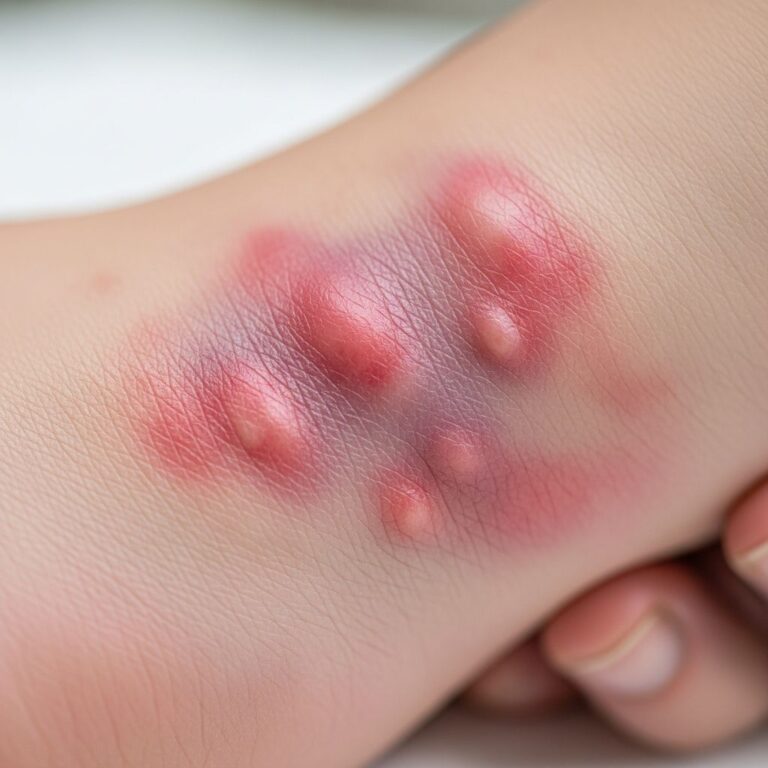
Symptoms vary by type but share hallmarks like redness and itch. Irritant reactions often appear sharply demarcated on hands or exposed areas, with painful, burning sensations. Allergic ones spread subtly and intensify over days.
Key Symptoms of Irritant Contact Dermatitis
- Burning or stinging pain over itch
- Red, swollen patches (brown/purple on darker skin)
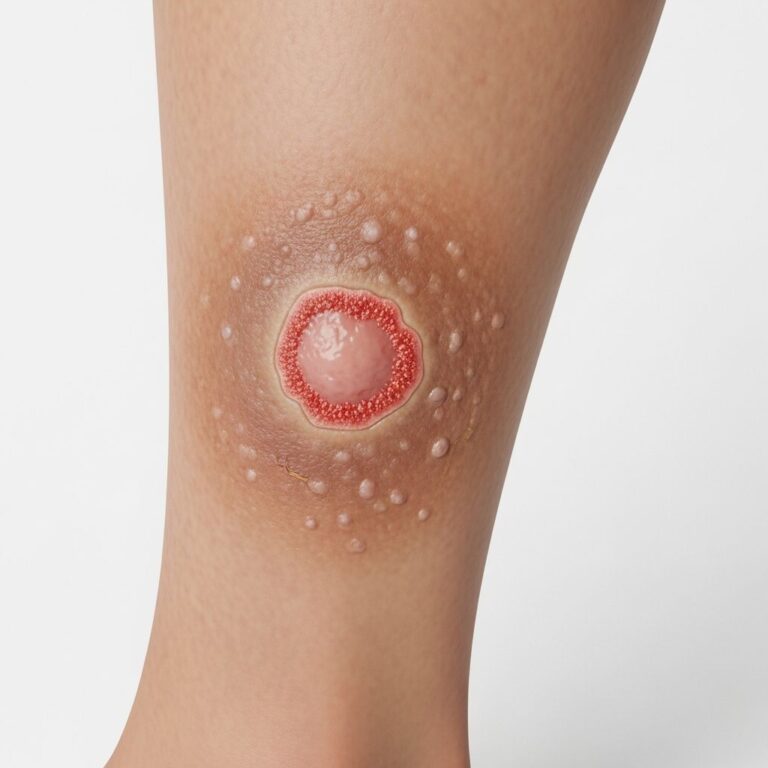
- Blisters, crusting, or scaling
- Skin breakdown from repeated exposure
Key Symptoms of Allergic Contact Dermatitis
- Intense, persistent itching
- Scaly, leathery, or cracked skin
- Vesicles that ooze and crust
- Possible spreading beyond contact site
Related Stories



Atopic eczema sufferers face heightened vulnerability, as their compromised barrier amplifies reactions.
How Professionals Diagnose Contact Dermatitis
Diagnosis hinges on history, exam, and tests. Clinicians assess exposure patterns and rash distribution. Patch testing—applying potential allergens under occlusion for 48 hours—confirms allergic causes, read at 48-96 hours.
Irritant cases rely on use tests or clinical correlation, avoiding unnecessary patches. Differential diagnosis rules out infections or atopic flares.
Effective Management and Treatment Options
Treatment prioritizes avoidance, barrier repair, and inflammation control. Prompt irritant removal halts progression; emollients restore lipids.
- Topicals: Low-potency corticosteroids soothe acute flares; calcineurin inhibitors for sensitive areas.
- Wet wraps: Enhance absorption for severe cases.
- Systemic: Oral steroids or immunosuppressants rarely for widespread reactions.
Long-term, fragrance-free products and cotton gloves protect hands.
Prevention Strategies for Lasting Skin Health
Proactive steps minimize recurrence. Opt for hypoallergenic products, glove up for wet work, and rinse exposures immediately.
- Moisturize frequently to bolster barrier.
- Test new products on small areas.
- Choose nickel-free jewelry and formaldehyde-free textiles.
Knowledge Check: Quiz Yourself on Contact Dermatitis
Test your grasp with these questions. Answers follow each for instant feedback.
Question 1: What distinguishes irritant from allergic contact dermatitis?
A) Speed of onset
B) Immune involvement
C) Both A and B
Answer: C) Both A and B. Irritant is direct and fast; allergic delayed and T-cell driven.
Question 2: Which is the most common irritant?
A) Nickel
B) Soap
C) Latex
Answer: B) Soap. Frequent washing erodes barriers.
Question 3: True or False: Allergic reactions appear immediately.
Answer: False. Sensitization precedes elicitation by days.
Question 4: Best first step in treatment?
A) Antibiotics
B) Avoid trigger
C) Oral steroids
Answer: B) Avoid trigger. Halts progression.
Question 5: Patch testing diagnoses which type?
A) Irritant
B) Allergic
C) Both
Answer: B) Allergic. Identifies specific haptens.
Frequently Asked Questions (FAQs)
What if symptoms persist despite avoidance?
Consult a dermatologist for patch testing or alternative diagnoses.
Can water alone cause contact dermatitis?
Yes, frequent or hard/chlorinated water irritates, especially atopics.
Is contact dermatitis contagious?
No, it’s not infectious; secondary infections possible if scratched.
How long do reactions last?
Days to weeks with proper care; chronic exposure prolongs.
Are natural products safe?
Not always; plants or essential oils can irritate or allergize.
Final Thoughts on Mastering Contact Dermatitis
Armed with this knowledge, you can spot, sidestep, and soothe contact dermatitis effectively. Awareness transforms vulnerability into control, fostering resilient skin. Share your quiz score in comments and consult professionals for personalized advice.
References
- Contact dermatitis – Causes – NHS — NHS. 2023. https://www.nhs.uk/conditions/contact-dermatitis/causes/
- Contact Dermatitis – StatPearls – NCBI Bookshelf — NCBI/NIH. 2023-10-07. https://www.ncbi.nlm.nih.gov/books/NBK459230/
- Eczema types: Contact dermatitis causes — American Academy of Dermatology (AAD). 2024. https://www.aad.org/public/diseases/eczema/types/contact-dermatitis/causes
- Contact Dermatitis: Types, Symptoms, Causes, and Treatment — Allergy Asthma Network. 2023. https://allergyasthmanetwork.org/what-is-eczema/contact-dermatitis/
- Contact Dermatitis: Causes, Symptoms, Diagnosis — National Eczema Association. 2024. https://nationaleczema.org/types-of-eczema/contact-dermatitis/
- Contact Dermatitis: Symptoms, Causes, Types & Treatments — Cleveland Clinic. 2023-08-20. https://my.clevelandclinic.org/health/diseases/6173-contact-dermatitis
Similar Articles








Read full bio of medha deb