Contact Dermatitis To Nitrile: Symptoms, Treatment & Prevention
Understanding allergic reactions to nitrile gloves: causes, symptoms, diagnosis, and effective management strategies for healthcare professionals.
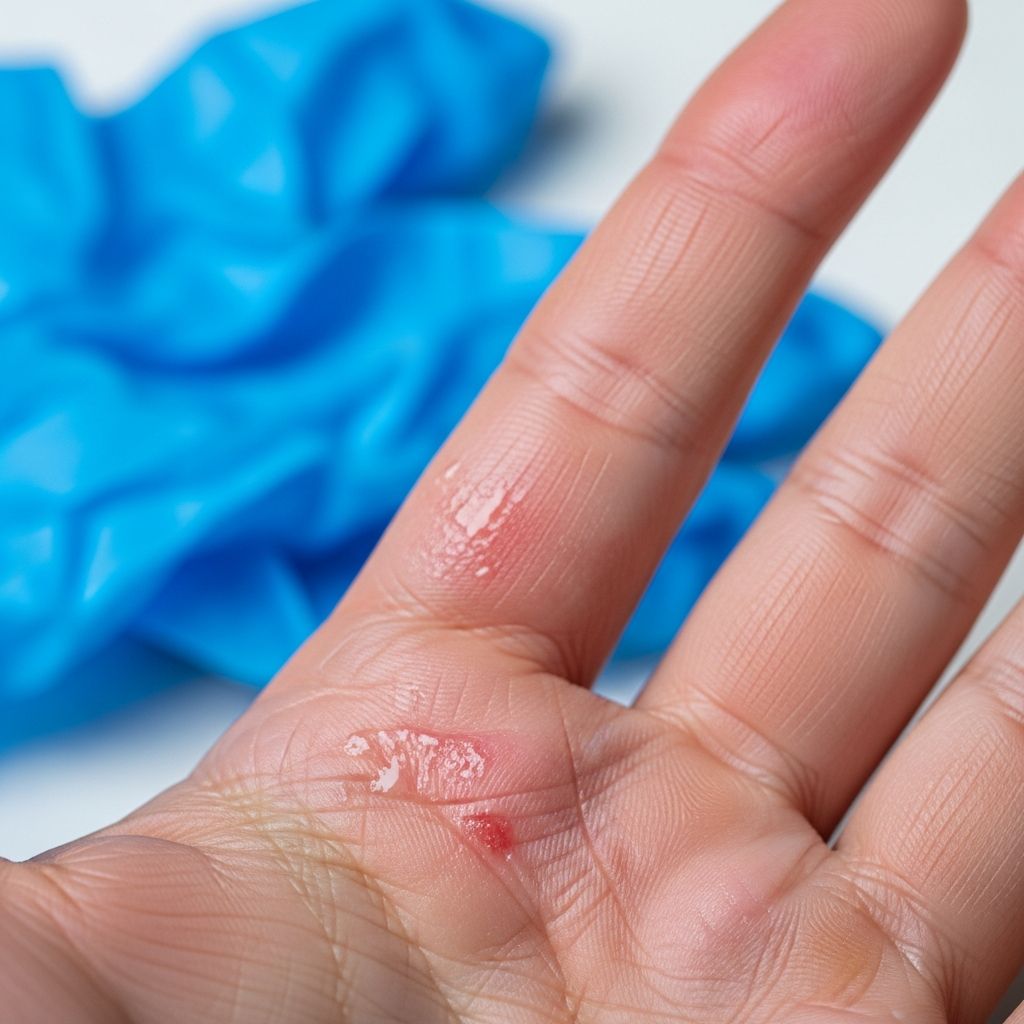
Contact dermatitis to nitrile refers to skin inflammation resulting from exposure to nitrile rubber gloves, commonly used as a latex-free alternative in medical, laboratory, and industrial settings. This condition manifests as either irritant contact dermatitis (non-allergic irritation) or allergic contact dermatitis (Type IV hypersensitivity to chemical accelerators), affecting up to 50% of hand dermatitis cases in glove users due to thiurams and similar compounds.
What is contact dermatitis to nitrile?
Contact dermatitis to nitrile is a skin reaction occurring where nitrile gloves contact the skin, primarily on hands and wrists. Nitrile (acrylonitrile-butadiene rubber) is a synthetic material prized for its durability and powder-free options, but manufacturing involves rubber accelerators like thiurams, dithiocarbamates, and mercaptobenzothiazole, which are the primary culprits in allergic reactions. Over 50% of occupational hand dermatitis links to thiurams used in vulcanization—a process adding sulfur to create elastic ‘bridges’ in rubber polymers.
Unlike latex allergies (Type I IgE-mediated), nitrile issues are delayed Type IV reactions or irritant responses. Healthcare workers, hairdressers, mechanics, and cleaners are at highest risk due to prolonged exposure, with self-reported symptoms including dry skin (83%), erythema (39%), and itching (29%) in studies of German healthcare staff. Acrylonitrile itself rarely causes true allergy but can irritate as a skin-penetrating toxin.
Who gets contact dermatitis to nitrile?
Individuals in high-glove-use professions are most susceptible:
- Healthcare workers: Surgeons, nurses, and dentists face frequent exposure amid handwashing and sweating.
- Hairdressers and beauticians: Prolonged glove wear during coloring and perming.
- Laboratory technicians and mechanics: Handling chemicals or oils.
- Cafeteria and cleaning staff: Wet work exacerbates irritation.
Those switching from latex due to prior allergies are prone, as nitrile accelerators cross-react. Sensitive skin, dry hands, excessive sweating, friction, and repetitive washing accelerate onset. Prolonged wear (>30 minutes) traps moisture, fostering irritant dermatitis via contact urticaria.
Clinical features of contact dermatitis to nitrile
Symptoms appear 24-48 hours post-exposure in allergic cases, or immediately in irritant forms. Key features include:
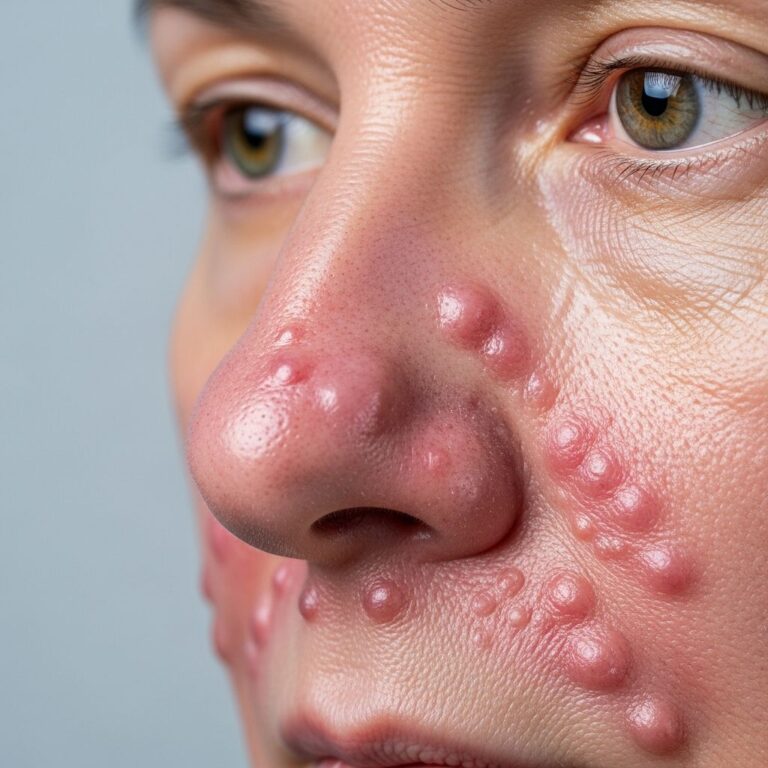
- Irritant contact dermatitis: Dry, red, rough skin; burning/pain; lesions, blisters, ulcers from powder, sweat, or acrylonitrile.
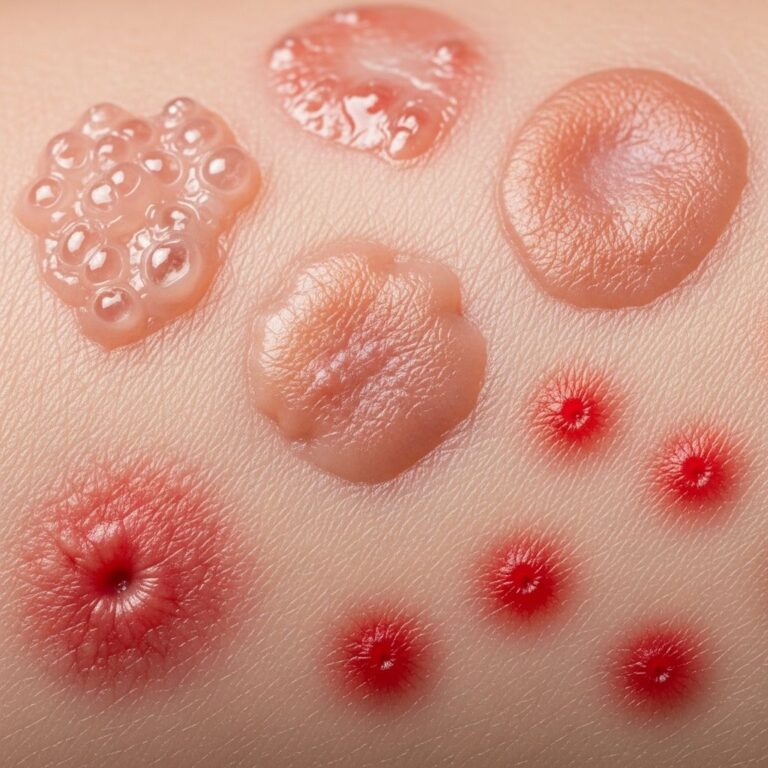
- Allergic contact dermatitis: Redness, itching, swelling, hives (raised white bumps), vesicles; progresses to cracking, peeling, thickening, papules if chronic.
Advanced stages show fissured, bleeding skin prone to infection, plus burning, blisters, and sun sensitivity. Hands/wrists are primary sites, but forearms may be affected. Acute: erythema, edema, vesicles; chronic: lichenification (thickening).
| Type | Onset | Symptoms | Causes |
|---|---|---|---|
| Irritant | Immediate | Dryness, redness, burning, blisters | Sweat, powder, friction, acrylonitrile |
| Allergic (Type IV) | 24-48 hours | Itch, hives, vesicles, cracking | Accelerators (thiurams 50%+ cases) |
Diagnosis of contact dermatitis to nitrile
Diagnosis combines history, exam, and patch testing. Clinicians assess glove exposure duration, prior latex issues, and symptom patterns. Patch testing applies baseline series plus rubber accelerators (e.g., thiuram mix, mercaptobenzothiazole) to the back for 48 hours, read at 48-96 hours. Positive reactions (erythema/induration) confirm allergens.
Differentiate from irritant dermatitis (no patch positives) or other causes like wet work eczema. AAAAI experts recommend accelerator-inclusive series; hypersensitive individuals may need acrylonitrile testing (rare). Prognosis hinges on allergen avoidance post-diagnosis.
Related Stories



Management and treatment of contact dermatitis to nitrile
Treatment targets inflammation and avoidance:
- Acute phase: Soap substitutes, emollients (e.g., petroleum-based), potent topical corticosteroids (e.g., clobetasol).
- Symptom relief: Hydrocortisone cream, oral antihistamines (consult physician); avoid barriers as they fail against acrylonitrile.
- Chronic: Continued moisturizing, taper steroids.
Seek medical care for persistent rash, infection risk, or blisters. Educate on prevention to avoid recurrence.
What is the treatment for acute contact dermatitis to nitrile?
For acute flares:
- Remove gloves immediately.
- Wash with lukewarm water/soap substitute.
- Apply mid-to-high potency steroid cream (e.g., betamethasone) twice daily for 1-2 weeks.
- Moisturize frequently with fragrance-free ointment.
- Oral antihistamines (loratadine) for itch; antibiotics if infected.
Symptoms resolve in days-weeks with compliance; severe cases may need dermatologist referral.
Prevention of contact dermatitis to nitrile
Primary strategy: Eliminate exposure.
- Accelerator-free gloves: E.g., Ansell Micro-Touch Nitrafree®, Showa N-Dex Free®, Sensicare Free Blue.
- Glove liners: Cotton underliners absorb sweat.
- Usage tips: Limit wear time, change frequently, ensure good fit to reduce friction; maintain hygiene without over-washing.
- Alternatives: Vinyl or neoprene for low-risk tasks (less durable).
Avoid skipping gloves to prevent infections. Test new gloves on small areas.
How can contact dermatitis to nitrile be prevented?
Key preventives:
- Select powder-free, accelerator-free nitrile gloves verified low-allergen.
- Wear breathable liners; rotate gloves every 20-30 minutes.
- Pre-treat skin with moisturizers (not barriers).
- Monitor for early symptoms; patch test proactively if high-risk.
- Workplace education on vulcanization allergens.
Further reading and references
For deeper insights, consult dermatology guidelines on occupational skin disease.
Frequently Asked Questions
Why do I get a rash after wearing nitrile gloves?
A rash typically stems from Type IV allergy to rubber accelerators like thiurams (50%+ cases) or irritant dermatitis from sweat/powder. Stop use and patch test.
Are nitrile gloves safe for sensitive skin?
Generally yes vs. latex, but sensitive users may react to accelerators. Opt for accelerator-free; test first.
What does nitrile glove allergy look like?
Redness, itching, hives, blisters on contact sites; chronic: dry, cracked skin.
Can nitrile contain thiuram?
Yes, common accelerator causing most reactions; choose thiuram-free.
Who is at risk?
Glove-heavy workers with sensitive/dry skin, prior latex allergy.
References
- Nitrile Gloves Allergy Guide – Causes, Symptoms & Prevention — Gloves.com. 2023. https://www.gloves.com/blogs/resources/nitrile-gloves-allergy-guide
- Understanding Allergic Contact Dermatitis: Causes, Symptoms, and Implications for Single-Use Gloves — Shield Scientific. 2023. https://www.shieldscientific.com/glove-education/allergic-contact-dermatitis-type-iv-and-its-implications-for-single-use-gloves/
- Nitrile Glove Dermatitis — American Academy of Allergy, Asthma & Immunology (AAAAI). 2023-01-01. https://www.aaaai.org/allergist-resources/ask-the-expert/answers/2023/nitrile
- Skin Allergies, Hand Injuries & Disposable Gloves — Eagle Protect. 2023. https://eagleprotect.com/blogs/articles/skin-disease-hand-injuries-caused-by-disposable-gloves
- Glove-Induced Hand Dermatitis: A Study in Healthcare Workers — PMC/NCBI (Peer-reviewed). 2023-08-01. https://pmc.ncbi.nlm.nih.gov/articles/PMC10412120/
- Contact Dermatitis — MedlinePlus (U.S. National Library of Medicine). 2023. https://medlineplus.gov/ency/article/000869.htm
Similar Articles








Read full bio of medha deb